Aug 24, 2026

Can You Take Probiotics When Fasting?

Table of Contents

  1. Introduction
  2. Understanding the Fasting State
  3. Do Probiotics Break a Fast?
  4. The Relationship Between Gut Health and Fasting
  5. Bioavailability: Why Formulation Matters Most
  6. Should You Take Probiotics on an Empty Stomach?
  7. The Role of Fillers and Additives
  8. Practical Strategies for Fasters
  9. Potential Side Effects to Watch For
  10. The Importance of Prebiotics
  11. How to Choose a Fast-Friendly Probiotic
  12. Customizing Your Routine
  13. Why Quality and Trust Matter
  14. Conclusion
  15. FAQ

Introduction

Fasting has become a cornerstone of modern wellness routines. Whether you use intermittent fasting to support your metabolic health or follow a longer fasting protocol for cellular renewal, you likely pay close attention to what enters your body during your "off" hours. A common question arises for those dedicated to their gut health: can you take probiotics when fasting? Balancing the benefits of a digestive rest with the need for a healthy microbiome requires a bit of nuance.

At Cymbiotika, we believe that timing and quality are the two most important factors in any supplementation routine. When you fast, your body shifts its focus from digestion to repair. Understanding how beneficial bacteria interact with this process can help you maximize your results. This article covers the impact of probiotics on a fast, the best time to take them, and how to ensure your supplements are actually being absorbed. For additional support, explore the Gut Health Supplements collection.

The short answer is that you can take probiotics while fasting, but the formulation of the supplement determines whether it truly supports your goals.

Understanding the Fasting State

Fasting is more than just a break from eating. When you stop consuming calories for an extended period, your body undergoes several metabolic shifts. One of the most significant is a decrease in insulin levels, which allows the body to access stored fat for energy. Another key process is autophagy. This is a cellular "cleanup" process where your body breaks down and recycles old or damaged cell components.

Many people choose to fast to support their energy levels, weight management goals, or cognitive clarity. Because the primary goal is often to keep insulin levels low and digestive activity quiet, anything you consume must be evaluated carefully. Even a small number of calories or certain synthetic additives can technically signal to your body that the fast is over. For more context on fasting and the microbiome, read Can Fasting Improve Gut Health?.

Quick Answer: Generally, you can take probiotics while fasting as most high-quality capsules and powders contain negligible calories and do not trigger an insulin response. However, the best timing often depends on the specific strain and delivery method of the supplement.

Do Probiotics Break a Fast?

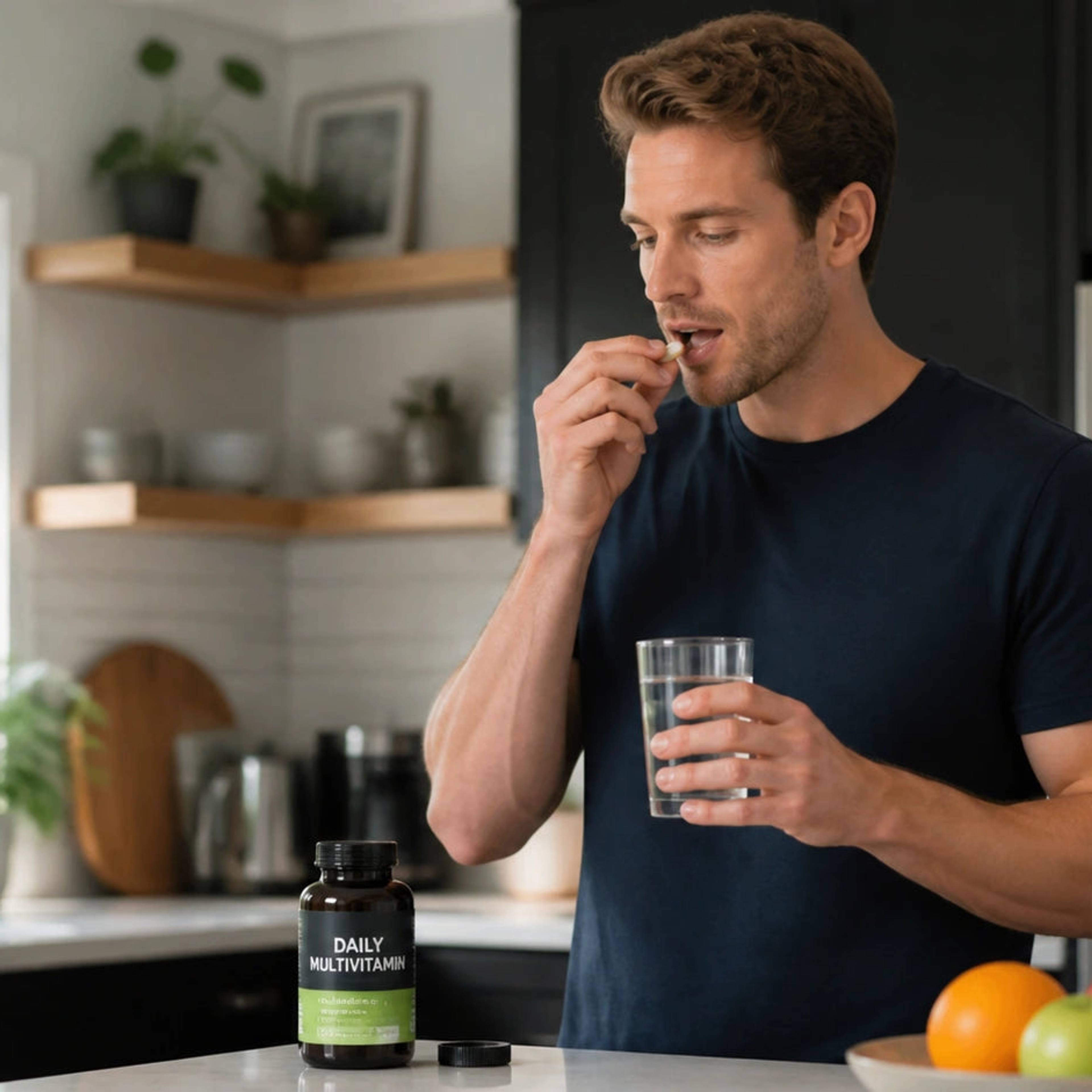
For most people, a "clean fast" means consuming zero calories. Probiotics are living microorganisms, not macronutrients like fats, proteins, or carbohydrates. In their pure form, they do not contain calories and will not break a fast. Most probiotic supplements come in capsules or liquid forms that have fewer than five calories, which is typically not enough to disrupt metabolic states like ketosis or autophagy.

However, the "break the fast" rule depends on the specific supplement's ingredients. Many mass-market probiotics contain fillers, binders, or sweeteners. Ingredients like maltodextrin, sugar alcohols, or certain starches can cause a small spike in blood sugar. If your goal is a strict physiological fast, these additives are what you need to watch out for.

The delivery format also matters. Gummy probiotics almost always break a fast because they are made with sugar or gelatin. Similarly, probiotic drinks like kefir or kombucha contain calories and sugars that will immediately end your fasting window. If you are fasting, sticking to a high-quality capsule or a clean liquid formula is the best way to maintain your fasted state. For a related perspective, see Do Probiotics Break Your Fast?.

The Relationship Between Gut Health and Fasting

Fasting and probiotics may actually work better together than they do apart. When you fast, you are essentially giving your digestive tract a vacation. This period of rest allows the gut lining to repair itself without the constant stress of processing food. It also influences the landscape of your microbiome.

Research suggests that fasting can shift the balance of bacteria in your gut. Some beneficial strains thrive during periods of calorie restriction. By introducing a probiotic during or immediately after a fast, you may be providing your gut with the "seeds" it needs to build a more resilient environment once you begin eating again. Learn more about how probiotics support gut health.

Key Takeaway: Fasting provides a clean slate for the gut, potentially making it a receptive environment for the introduction of beneficial probiotic strains.

Bioavailability: Why Formulation Matters Most

The biggest challenge with any probiotic is survival. Your stomach is a highly acidic environment designed to break down food and kill potentially harmful pathogens. Unfortunately, this acid can also destroy many of the delicate beneficial bacteria in a standard probiotic supplement before they ever reach your lower intestine.

This is where bioavailability—the degree to which a substance is absorbed and used by the body—becomes critical. If a probiotic is not designed to survive the trek through your stomach, it doesn't matter whether you take it while fasting or with a meal; the bacteria simply won't make it to where they are needed. For a broader overview, read Which Gut Health Supplement Is Best for Your Daily Routine?.

Liposomal delivery and specialized capsule technology are designed to solve this problem. Liposomal delivery involves wrapping the nutrients in a phospholipid bilayer (a fat-based shell) that mimics the body’s own cell membranes. This protects the contents from stomach acid and supports absorption at the cellular level. When taking probiotics while fasting, choosing a supplement with advanced delivery ensures the bacteria remain viable until they reach the colon.

Should You Take Probiotics on an Empty Stomach?

There is a long-standing debate about whether it is better to take probiotics on an empty stomach or with food. The logic for taking them while fasting is that the bacteria can move through the stomach more quickly when there is no food to slow them down. This reduces the amount of time they are exposed to harsh stomach acid.

On the other hand, some experts argue that taking probiotics with a meal provides a "buffer" for the bacteria. The food raises the pH level of the stomach, making it less acidic and more hospitable for the microorganisms. Some specific strains, like Lactobacillus and Bifidobacterium, have been shown to survive better when taken shortly before a meal or with a meal containing a small amount of healthy fat.

What to do next:

  • Check your supplement label for specific instructions, as some strains are hardier than others.
  • If you have a sensitive stomach, taking probiotics on an empty stomach during a fast might cause minor discomfort.
  • Consider your fasting goals—if you are doing a long-term water fast, consult a professional before adding any supplements.

The Role of Fillers and Additives

When you are in a fasted state, your body becomes more sensitive to what you put in it. This is why transparency in sourcing is so important. Many supplement companies use synthetic fillers like magnesium stearate or silicon dioxide to make the manufacturing process cheaper and faster. While these are generally recognized as safe, they offer no nutritional value and can sometimes cause digestive friction.

Our Probiotic is designed with these concerns in mind. We use 19 of the most researched probiotic strains alongside two potent prebiotics and a unique herbal blend. We focus on clean formulations that avoid the unnecessary synthetics found in many other brands. By using a delayed-release capsule, we help ensure the bacteria survive the stomach acid, making the "empty stomach" versus "with food" debate less of a concern for your routine.

Practical Strategies for Fasters

If you want to incorporate probiotics into your fasting routine, consistency is key. Your microbiome responds better to a steady daily habit than to occasional dosing. Depending on your specific fasting window, here are three ways to time your intake:

The 16:8 Protocol

If you fast for 16 hours and eat during an 8-hour window, you have two great options. You can take your probiotic 30 minutes before your first meal. This allows the bacteria to enter the digestive tract just before the food arrives. Alternatively, you can take it right before bed, provided your last meal was a few hours earlier.

Long-Term Fasting

For those performing 24-hour fasts or longer, taking a probiotic during the fast can help maintain microbial diversity. Since there is no food to buffer the acid, this is when a high-quality, acid-resistant delivery system is most important. If you experience nausea when taking supplements on an empty stomach, it is perfectly fine to wait until you break your fast.

The "Break the Fast" Moment

Some people prefer to use their probiotic as the very first thing they consume to "break" the fast. This can be a gentle way to signal to your digestive system that it is time to wake up. Following the probiotic with a light, nutrient-dense meal provides the prebiotic fibers that the new bacteria need to flourish.

Potential Side Effects to Watch For

While probiotics are generally safe, taking them on an empty stomach during a fast can occasionally lead to temporary side effects. These are usually a sign that the microbiome is shifting.

  • Bloating: As new bacteria colonize the gut, they may produce gas as a byproduct.
  • Mild Cramping: This often happens if the probiotic is moving through a very empty digestive tract.
  • Changes in Bowel Habits: Your body may take a few days to adjust to a new strain or a new timing.

If these symptoms persist, it may be helpful to move your dose to the middle of your eating window. Every body is different, and what works for one person’s fasting routine may not work for yours.

Myth: All probiotics are the same, so the cheapest one will work fine for my fast. Fact: Cheap probiotics often lack the delivery technology needed to survive stomach acid and may contain fillers that break your fast.

The Importance of Prebiotics

You cannot talk about probiotics without mentioning prebiotics. Prebiotics are non-digestible fibers that act as "food" for the beneficial bacteria in your gut. If you take a probiotic but don't provide it with any fuel, the bacteria may not be able to establish a lasting colony.

Many high-quality supplements now include both. This is often called a "synbiotic." Taking a synbiotic while fasting is generally fine, as the amount of prebiotic fiber in a capsule is too small to impact your caloric intake or insulin levels. Once you do eat, focusing on whole foods like garlic, onions, leeks, and leafy greens will provide the additional fiber your gut needs to thrive. Explore more ways to balance your gut microbiome.

How to Choose a Fast-Friendly Probiotic

When shopping for a probiotic that won't disrupt your fasting goals, look for the following criteria:

  1. Transparency: The label should clearly list every strain and every "other" ingredient. Avoid "proprietary blends" that don't disclose dosages.
  2. No Added Sugars: Ensure there are no sweeteners, even natural ones like stevia, if you are aimng for a completely clean fast.
  3. Acid Resistance: Look for delayed-release capsules or liposomal technology. This ensures the supplement is bioavailable and actually reaches its destination.
  4. Shelf Stability: While some probiotics require refrigeration, shelf-stable options are often more convenient for maintaining a consistent routine.

Bottom line: A probiotic is an investment in your long-term wellness, and choosing one based on delivery quality rather than just price will yield better results.

Customizing Your Routine

Wellness is not a one-size-fits-all journey. Your gut microbiome is as unique as your fingerprint, influenced by your genetics, diet, stress levels, and environment. This is why some people feel incredible taking probiotics during a fast, while others prefer to wait until they have a full meal.

We advocate for an informed approach to health. Instead of following the latest trend blindly, listen to how your body responds. If taking a probiotic while fasting gives you a boost in mental clarity and digestive comfort, then it is a great addition to your routine. If it causes discomfort, adjust the timing. The goal is to build a sustainable habit that supports your body’s natural rhythms.

Why Quality and Trust Matter

At Cymbiotika, we are dedicated to helping you bridge the gap between where you are and where you want to be in your health journey. We know that the supplement industry can be confusing, filled with hidden ingredients and empty promises. That’s why we prioritize transparency and science-forward formulations.

Our products are designed to work with your body, not against it. By focusing on bioavailability, we ensure that the high-quality ingredients we source actually make it to your cells. Whether you are looking for immune support, better sleep, or a more resilient gut, we provide the tools you need to build a routine you can trust. The Liposomal Magnesium Complex is another formulation to review when considering how delivery fits into a broader wellness routine.

Conclusion

Taking probiotics when fasting is not only possible but can be a beneficial way to support your gut health and metabolic goals. By choosing a high-quality, clean formula without caloric fillers, you can maintain your fasted state while nourishing your microbiome. Remember that the delivery method is the most important factor in ensuring the bacteria survive your stomach acid and provide real value.

  • Probiotics generally do not break a fast if they are free of sugars and fillers.
  • Bioavailability is the key to a probiotic’s effectiveness, especially on an empty stomach.
  • Consistency in your routine is more important than perfect timing.
  • Listen to your body and adjust your intake based on how you feel.

"True wellness is built on a foundation of trust and consistency. By choosing supplements designed for absorption, you are giving your body the best possible support for your fasting lifestyle."

To find the perfect combination of supplements for your unique needs, we invite you to take the Health Quiz on our website. It is a simple way to get personalized recommendations based on your specific wellness goals.

FAQ

Does taking a probiotic capsule break my intermittent fast?

In almost all cases, a standard probiotic capsule will not break an intermittent fast because it contains a negligible amount of calories. It does not trigger an insulin response, allowing your body to remain in a fasted state for fat burning and autophagy. However, always check the label for "other ingredients" like sugar or caloric fillers that could potentially disrupt your progress.

Is it better to take probiotics in the morning or at night while fasting?

The best time depends on your personal digestive comfort and your fasting window. Many people find success taking them 30 minutes before their first meal to prepare the gut for digestion. Others prefer taking them before bed on an empty stomach to allow the bacteria to colonize while the body is in a deep state of repair.

Can probiotics cause nausea if taken on an empty stomach during a fast?

Some people may experience mild nausea or digestive gurgling when taking probiotics without food. This is usually due to the concentrated bacteria moving through an empty digestive tract or the presence of certain fillers in lower-quality supplements. If you experience discomfort, try taking your probiotic just as you begin your eating window instead.

What ingredients should I avoid in a probiotic if I want to stay in a fasted state?

Avoid any probiotics that come in gummy form, as these are high in sugar and gelatin. You should also look out for additives like maltodextrin, lactose, or artificial sweeteners, which can impact blood sugar levels. A clean, transparent supplement like the ones we offer is the safest choice for maintaining a strict fast.

*These statements have not been evaluated by the Food and Drug Administration. This product is not intended to diagnose, treat, cure, or prevent any disease.

Subscribers get it all

Subscribe today and unlock access to Arise, the ultimate wellness experience.

SAVE BIG

Get over 40% off + FREE shipping on all recurring orders.

FUN FREEBIES

Get free gifts, swag, perks, and more

SAVE BIG

Feel energized & strong with a routine that works!

by / Aug 24, 2026

Back to cart

CONGRATS

Choose Your Free Gift

Thanks for spending $110. Choose one of the starter packs below

Are you sure?
We'll remind you before your next
Golden Mind order processes.
We'll remind you before your next
Topical Magnesium order processes.
Are you sure?
Removing will also remove the exclusive discounted item added to your cart.

You're away from a FREE gift!

Add any of the products below to unlock your free gift.

    You've unlocked a FREE gift!

    Thanks for spending $110. Choose one of the three starter kits below.

    Subscribe & Save

    Trusted by 60k+ subscribers

    FOR YOU
    One FREE Month of Golden Mind!
    You've unlocked one FREE month of Golden Mind! Your subscription will renew automatically every 30 days, and we'll remind you before your order processes.
    Cancel anytime in your portal.
    FOR YOU
    One FREE Month of Topical Magnesium Oil!
    You've unlocked one FREE month of Topical Magnesium Oil! Your subscription will renew automatically every 30 days, and we'll remind you before your order processes.
    Cancel anytime in your portal.
    Your Cart ( items)

    in savings and perks unlocked with your order!

    Free shipping sitewide.

    A Free 12-Pack, Just for You

    Spend $110 and get a free gift

    More subscriptions, more savings

    1

    30% off

    2

    34% off

    3

    38% off

    4

    40% off

    5

    40% off

    Want to save? Add a subscription to get 30% off on it!

    Add items to your cart

    Browse our products and add items to start your order.

    You may also like. . .
    You may also like
    60-Day money back guarantee*