Table of Contents
- Introduction
- The Relationship Between the Gut and Your Skin
- Can Probiotics Cause Cold Sores?
- Why Bioavailability Is Critical for Probiotics
- Common Triggers That Are Not Probiotics
- The Role of the Immune System
- How to Introduce Probiotics Safely
- Understanding Liposomal Delivery for Skin Health
- Managing the Gut-Skin Axis Long-Term
- When to Talk to a Professional
- Building a Routine You Can Trust
- Conclusion
- FAQ
Introduction
It is a common frustration. You start a new wellness routine to improve your gut health, only to notice an unexpected breakout or skin irritation. When a cold sore appears shortly after beginning a new supplement, it is natural to wonder if the two are connected. You may be asking yourself: can probiotics cause cold sores?
At Cymbiotika, we believe that understanding the "why" behind your body’s reactions is the first step toward true wellness. The relationship between your internal microbiome and your skin is complex. While probiotics are generally celebrated for their benefits, any change to your internal ecosystem can trigger temporary shifts.
This article explores the science behind the gut-skin axis and whether beneficial bacteria can influence viral outbreaks. We will look at how your immune system responds to new microbial strains and why the quality and delivery of your supplements matter. Our goal is to help you navigate your routine with confidence and clarity.
Quick Answer: Probiotics do not directly cause cold sores, as these are caused by a specific virus. However, introducing new bacterial strains may cause temporary shifts in the immune system or gut environment that could coincide with an outbreak in some individuals.
The Relationship Between the Gut and Your Skin
To understand if a supplement affects your skin, you must first understand the gut-skin axis. This term refers to the bidirectional communication between your gastrointestinal system and your skin. Your gut is home to trillions of microorganisms that help regulate your immune system, digest nutrients, and protect against pathogens. For more background, explore this guide to the gut-skin connection.
When your gut is out of balance, it often shows on your face. This is because the gut and skin are both primary interfaces with the outside world. They both rely on a healthy barrier to keep "bad" things out and "good" things in. When the gut lining is compromised or the microbiome is imbalanced, the body may experience systemic signals that manifest as skin sensitivity.
A healthy gut may support a more resilient immune response. Since a large portion of your immune cells reside in your gut, the health of your microbiome directly influences how your body manages dormant stressors. If the gut is thriving, the immune system is often better equipped to maintain balance throughout the body. You can explore formulas designed for this focus in the Gut Health collection.
Can Probiotics Cause Cold Sores?
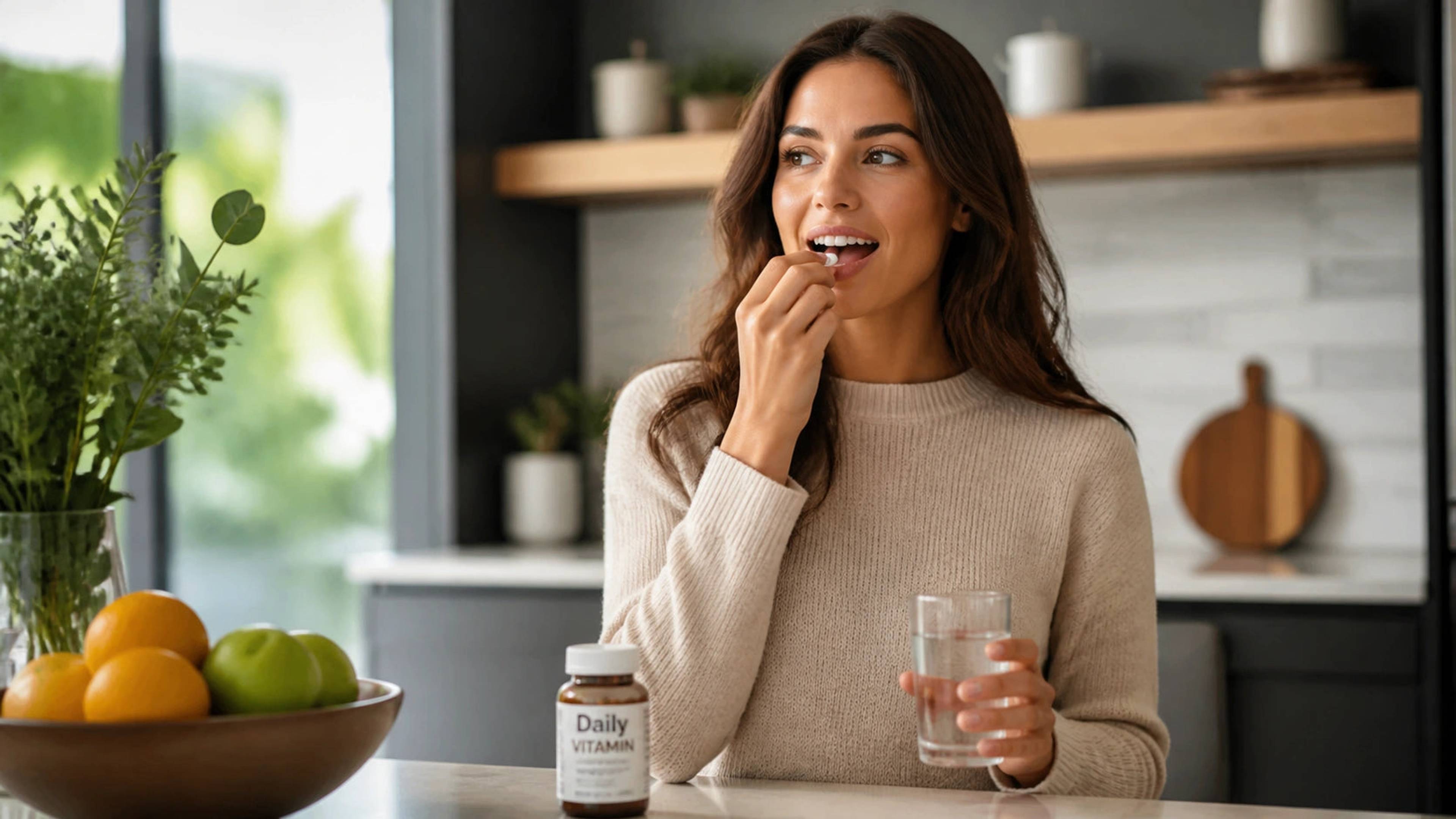
The short answer is that probiotics do not cause cold sores. Cold sores are the result of a specific virus that stays dormant in the nerve cells. Probiotics are beneficial bacteria, not viruses. They cannot "give" you an outbreak.
However, some people notice a correlation when they first start a high-quality probiotic. There are a few reasons why this might happen. When you introduce new, potent strains of bacteria, your internal environment undergoes a transition. This transition can sometimes lead to a temporary period of adjustment for your immune system.
The Adjustment Period
When you introduce new beneficial bacteria, they begin to compete with existing microbes for space and resources. This "re-crowding" of the gut can lead to a shift in how your immune system behaves. In some cases, this temporary shift might distract the immune system or cause a minor inflammatory response as the body recalibrates.
This is not a sign that the probiotic is "bad." Rather, it is a sign that the supplement is active and changing the environment. For individuals who already carry the virus responsible for cold sores, any shift in immune resources or a rise in systemic stress—even from a positive change—can occasionally provide a window for an outbreak. For related context, read about common probiotic side effects.
Quality and Purity Matters
Not all supplements are created equal. Some low-quality probiotics contain fillers, synthetic binders, or dairy-derived ingredients that may cause sensitivities. If you have a hidden sensitivity to one of these additives, your body may react with stress or inflammation. This physical stress is a known trigger for cold sores.
This is why we focus on clean formulations. By removing unnecessary fillers and focusing on purity, you reduce the risk of your body reacting to the "extra" ingredients rather than the beneficial bacteria themselves.
Why Bioavailability Is Critical for Probiotics
The most important question you should ask about any supplement is: "Does my body actually absorb this?" Bioavailability refers to the amount of a substance that enters your circulation and is able to have an active effect. For probiotics, bioavailability is a unique challenge because the bacteria must survive the harsh environment of the stomach. Learn more about gut health and bioavailability for skin support.
Many standard probiotic capsules dissolve too early. When the bacteria are exposed to stomach acid, they often die before they ever reach the small or large intestine. If the bacteria are dead, they cannot help your gut, and they certainly cannot support your skin health.
Key Takeaway: A probiotic is only effective if the live cultures reach the gut. Delivery methods designed to bypass stomach acid ensure that your body actually receives the benefits listed on the label.
We address this by using advanced delivery systems. Our Probiotic is designed to ensure the strains remain viable until they reach their destination. This targeted delivery means your immune system gets the support it needs without the "noise" of broken-down, inactive bacterial components.
Common Triggers That Are Not Probiotics
If you are experiencing a cold sore, it is helpful to look at other factors that may be the true cause. Because cold sores are triggered by a variety of environmental and physical stressors, a new probiotic might simply be a coincidence.
- Arginine-Rich Foods: Some people find that high levels of the amino acid arginine can support the replication of certain viruses. Foods like chocolate, nuts, and seeds are high in arginine.
- Physical Stress and Fatigue: A lack of sleep or a sudden increase in physical exertion can tax the immune system.
- UV Exposure: Sunlight is one of the most common triggers for outbreaks.
- Hormonal Changes: Monthly cycles or significant life changes can influence the body's internal balance.
- Nutritional Gaps: A lack of key vitamins like B12 or Zinc can leave the immune system less prepared to maintain viral latency.
If you are concerned about your nutritional foundation, our Liposomal Vitamin B12 + B6 may support energy metabolism and neurological health, providing a more stable base for your body to handle daily stressors.
The Role of the Immune System
The immune system is the gatekeeper that keeps cold sores at bay. When your immune system is strong and balanced, it effectively suppresses the virus. Since 70% to 80% of the immune system is located in the gut, your microbiome plays a massive role in this process.
Probiotics may support the production of short-chain fatty acids (SCFAs), which help maintain the integrity of the gut lining. A strong gut lining prevents unwanted particles from leaking into the bloodstream, which reduces the overall "workload" on your immune system. By lightening the load on your defense systems, probiotics can actually help your body stay more resilient against various triggers over the long term. Browse the Immunity collection for additional wellness support.
Myth: Taking more probiotics will fix a cold sore faster. Fact: Probiotics are a long-term strategy for internal balance. They are not a "quick fix" for an active outbreak, though they may support the immune system's overall function during recovery.
How to Introduce Probiotics Safely
If you are prone to outbreaks and want to start a probiotic routine, a gradual approach is often best. This allows your microbiome and your immune system to adapt without a sudden shock to the system.
Step 1: Choose a high-quality, transparent brand.
Look for products like ours that prioritize bioavailability and clean sourcing. Avoid products with soy, gluten, or synthetic fillers.
Step 2: Start with a smaller dose if you are sensitive.
While many people do fine with a full dose, you can start by taking your probiotic every other day for the first week. This slows down the "re-crowding" process in the gut.
Step 3: Support your gut lining.
A probiotic works best when the gut environment is healthy. Adding something like Liquid Colostrum can help support the gut lining and provide additional immune factors that may help during the transition.
Step 4: Stay consistent.
The benefits of probiotics come from long-term colonization. Skipping doses or stopping and starting can create more "fluctuation" than your body likes.
Understanding Liposomal Delivery for Skin Health
When we talk about skin health and immunity, we cannot ignore the importance of delivery. Liposomal delivery involves wrapping a nutrient in a phospholipid bilayer—a tiny bubble of fat that mimics your own cell membranes. This allows the nutrient to pass through the digestive system protected and be absorbed directly into the cells.
This is a significant difference from standard tablets. Most standard vitamins are broken down by enzymes and acid, leaving only a fraction of the nutrient available for use. For those trying to support their skin, using liposomal versions of Vitamin C or Glutathione can be a more effective way to ensure the body has the antioxidants it needs to stay resilient. Learn more about liposomal delivery and absorption.
Our Liposomal Vitamin C is designed specifically for this. It provides the immune system with a highly absorbable form of an essential nutrient, which may help the body manage the stressors that lead to outbreaks.
Managing the Gut-Skin Axis Long-Term
A healthy complexion is rarely about one single supplement. It is about a routine that supports your body from multiple angles. While you may have been worried that probiotics cause cold sores, the reality is that a balanced gut is one of your best defenses for long-term skin health.
To maintain this balance, consider these pillars:
- Hydration: Water is essential for moving toxins out of the body and keeping the gut lining hydrated.
- Fiber: Beneficial bacteria need "prebiotic" fiber to eat. Without it, the probiotics you take won't thrive.
- Stress Management: High cortisol levels can disrupt the gut microbiome almost instantly.
- Strategic Supplementation: Focus on quality over quantity. A few highly bioavailable supplements are better than a dozen poorly absorbed ones.
Bottom line: While the introduction of probiotics can cause a temporary adjustment period, they do not cause cold sores and may actually support the immune strength needed to prevent future outbreaks.
When to Talk to a Professional
If you find that you are experiencing frequent outbreaks regardless of your supplement routine, it is important to consult with a healthcare provider. They can help you identify if there is an underlying issue or if a specific strain of bacteria is not a good match for your unique biology.
Everyone’s microbiome is as unique as a fingerprint. What works for one person might require a different approach for another. This is why we focus on providing a variety of tools, from our Molecular Hydrogen for antioxidant support to our Magnesium Complex for nervous system regulation.
Building a Routine You Can Trust
At Cymbiotika, we want to empower you to take control of your health with products that actually work. We know that the world of supplements can be confusing, especially when you encounter unexpected reactions like a cold sore.
By prioritizing transparency and bioavailability, we ensure that you aren't just taking a pill—you are giving your body the building blocks it needs to thrive. Whether you are looking to support your gut with our Probiotic or boost your cellular energy with NMN + Trans-Resveratrol, every choice should lead you closer to a more resilient version of yourself.
If you are unsure where to start, our Health Quiz is a great way to get a personalized recommendation based on your specific goals and lifestyle. It takes the guesswork out of building a routine and helps you focus on what your body truly needs.
Conclusion
The journey to wellness is rarely a straight line. Temporary setbacks, like a cold sore during a new routine, can be discouraging, but they are often just signs that your body is communicating with you. Probiotics are not the cause of these outbreaks; rather, they are powerful tools for reshaping your internal environment. By choosing high-quality, bioavailable supplements and introducing them mindfully, you can support both your gut and your skin.
- Probiotics are beneficial bacteria and do not carry the virus that causes cold sores.
- Outbreaks during a new routine are often due to temporary immune shifts or external stressors.
- Bioavailability is the key to ensuring your supplements provide real support.
- A clean, filler-free formula reduces the risk of sensitivities.
Wellness is built on consistency and quality. Trust your body, stay the course, and focus on the foundations of health to achieve lasting results.
To find the best path forward for your unique needs, take our Health Quiz today and discover a routine designed specifically for you.
FAQ
Can taking a probiotic trigger a cold sore?
Probiotics do not contain the virus that causes cold sores, so they cannot directly trigger an infection. However, the initial phase of balancing your gut microbiome can cause temporary shifts in your immune system, which might allow a dormant virus to surface in some individuals.
Why did I get a cold sore after starting supplements?
It is often a coincidence, as cold sores are triggered by stress, UV light, fatigue, or hormonal changes. If the supplement contains fillers or allergens you are sensitive to, the resulting physical stress could potentially trigger an outbreak.
Are there specific probiotics that help with cold sores?
While no probiotic is a treatment for viruses, certain strains like Lactobacillus rhamnosus and Bifidobacterium may support overall immune health. By strengthening the gut-skin axis, these beneficial bacteria help the body maintain a more resilient defense system.
How can I prevent outbreaks when starting a new probiotic?
Start with a lower dose to let your body adjust and ensure you are using a high-quality product without synthetic fillers. Staying hydrated and supporting your immune system with bioavailable Vitamin C or Zinc can also help your body stay balanced during the transition.
*These statements have not been evaluated by the Food and Drug Administration. This product is not intended to diagnose, treat, cure, or prevent any disease.