Aug 10, 2026

Which Pickles Are Good for Gut Health?

Table of Contents

  1. Introduction
  2. The Two Worlds of Pickling: Vinegar vs. Fermentation
  3. Why Bioavailability Matters in Fermented Foods
  4. How to Identify Gut-Healthy Pickles at the Store
  5. Top 3 Pickles for Gut Health
  6. The Role of the Gut Microbiome
  7. Practical Tips for Adding Pickles to Your Routine
  8. Making Your Own Gut-Friendly Pickles
  9. Nutrients and Antioxidants in Pickles
  10. Balancing Your Routine
  11. Conclusion
  12. FAQ

Introduction

Finding the perfect, crunchy pickle to accompany your lunch is a common ritual for many health-conscious adults. However, most people do not realize that the jar sitting in their pantry might be entirely different from the one in their refrigerator when it comes to digestive benefits. While almost all pickles offer a satisfying snap and a tangy flavor, only a specific category provides the probiotic support your microbiome needs to thrive.

At Cymbiotika, we believe that true wellness starts with understanding exactly what you are putting into your body. Transparency in food and supplementation is essential because the way a product is prepared determines how much value your body can actually extract from it. This article will explore the specific types of pickles that support gut health, how to identify them at the grocery store, and why the method of preparation is the most important factor in their nutritional value.

We will break down the science of fermentation versus pickling and provide a practical guide for choosing the best options for your routine. By the end of this post, you will know how to spot a probiotic-rich pickle from a distance and why your gut will thank you for the distinction. Our goal is to empower you with the knowledge to build a lifestyle supported by high-quality, bioavailable nutrients.

The Two Worlds of Pickling: Vinegar vs. Fermentation

To understand which pickles are good for gut health, you must first distinguish between the two primary methods of preservation: vinegar-based pickling and salt-brine fermentation. While the end result looks similar—a preserved cucumber—the biological reality of each is vastly different.

Quick pickles are preserved using an acidic liquid, usually vinegar. This process, often called "acetic acid pickling," relies on the high acidity of the vinegar to kill off bacteria and prevent spoilage. While this creates a shelf-stable product that can sit in a pantry for months, the acidity also prevents the growth of beneficial bacteria. Most mass-produced pickles found in the center aisles of the grocery store fall into this category. They are often pasteurized, a high-heat process that ensures no living organisms remain in the jar.

Fermented pickles are created through a biological process called lacto-fermentation. Instead of using vinegar, these pickles are submerged in a solution of salt and water (brine). Over time, the natural bacteria present on the skin of the cucumber, primarily Lactobacillus, begin to consume the sugars in the vegetable. This produces lactic acid, which preserves the pickle and gives it a complex, sour flavor. Because this process does not involve high heat or harsh acids, the finished product is teeming with live, active cultures.

Key Takeaway: For a pickle to support gut health, it must be fermented, not just pickled. Only fermented pickles contain the live probiotics necessary to influence the diversity of your gut microbiome.

Why Bioavailability Matters in Fermented Foods

When we discuss wellness, the conversation often centers on the milligram count of an ingredient or the "superfood" status of a snack. However, the most important question is one of bioavailability. Bioavailability refers to the proportion of a nutrient that is successfully absorbed and utilized by the body. If you consume a food or supplement that your digestive system cannot break down or recognize, the benefits are essentially lost.

Fermented pickles are a prime example of high bioavailability in action. The fermentation process essentially "pre-digests" the vegetables. The bacteria break down complex cellular structures, making the vitamins and minerals—like Vitamin K, Vitamin A, and potassium—easier for your gut to absorb. Furthermore, the live probiotics in fermented pickles are designed by nature to survive the transit through your digestive system, provided they are not killed off by pasteurization or chemical preservatives.

At Cymbiotika, we prioritize bioavailability in every formulation we create. For instance, our Probiotic uses a specific delivery system to ensure that beneficial bacteria reach the lower GI tract where they can do the most good. Similarly, when choosing pickles, you want to ensure the delivery of those live cultures is not compromised by heat or synthetic preservatives. For more guidance on building a gut-focused routine, explore our Gut Health Collection.

How to Identify Gut-Healthy Pickles at the Store

Walking down the grocery aisle can be confusing, as many brands use "heritage" or "old-fashioned" marketing to make vinegar pickles look like fermented ones. To find the pickles that are actually good for your gut, follow these specific shopping steps.

Step 1: Head to the Refrigerated Section

True fermented pickles are almost never shelf-stable. Because they contain live, active cultures, they must be kept cold to slow down the fermentation process and prevent the jars from expanding due to natural gases. If you find a jar of pickles on a warm shelf in the middle of the store, it has likely been pasteurized with heat, which kills any beneficial bacteria.

Step 2: Check the Ingredient List

The ingredient list should be short and simple. Look for water, salt, cucumbers, and spices (like dill, garlic, or peppercorns). If you see "vinegar" or "acetic acid" high on the list, it is a quick pickle, not a fermented one. Some brands may use a tiny amount of vinegar for flavor at the end, but the primary preserving agent must be salt brine.

Step 3: Avoid Synthetic Dyes and Preservatives

Many mass-market pickles contain Yellow Dye 5 or Polysorbate 80. These additives are used to give pickles an artificial "neon" glow or to keep them shelf-stable. These chemicals do nothing for your gut health and may actually cause irritation for some individuals. A healthy, fermented pickle may look a bit cloudy or dull in color—this is often a sign of active bacterial growth and a natural fermentation process.

Step 4: Look for Live Culture Claims

Keywords like "naturally fermented," "raw," or "contains live cultures" are good indicators. While not all fermented foods are required to state their probiotic count, these labels suggest the manufacturer has avoided the high-heat pasteurization that ruins gut benefits.

For a broader overview of probiotics, prebiotics, and digestive enzymes, read this guide to what gut health supplements are and how they can support your routine.

Top 3 Pickles for Gut Health

While cucumbers are the most famous pickled vegetable, "pickling" describes the process, not the plant. Several varieties of pickled foods can offer a meaningful boost to your microbiome.

1. Traditional Lacto-Fermented Dill Pickles

These are the gold standard for gut health. They offer a significant dose of Lactobacillus bacteria. Many people find that eating just one or two spears a day can support digestive comfort and regularity. They are also a great source of electrolytes, making them a popular post-workout snack for those looking to replenish sodium levels naturally.

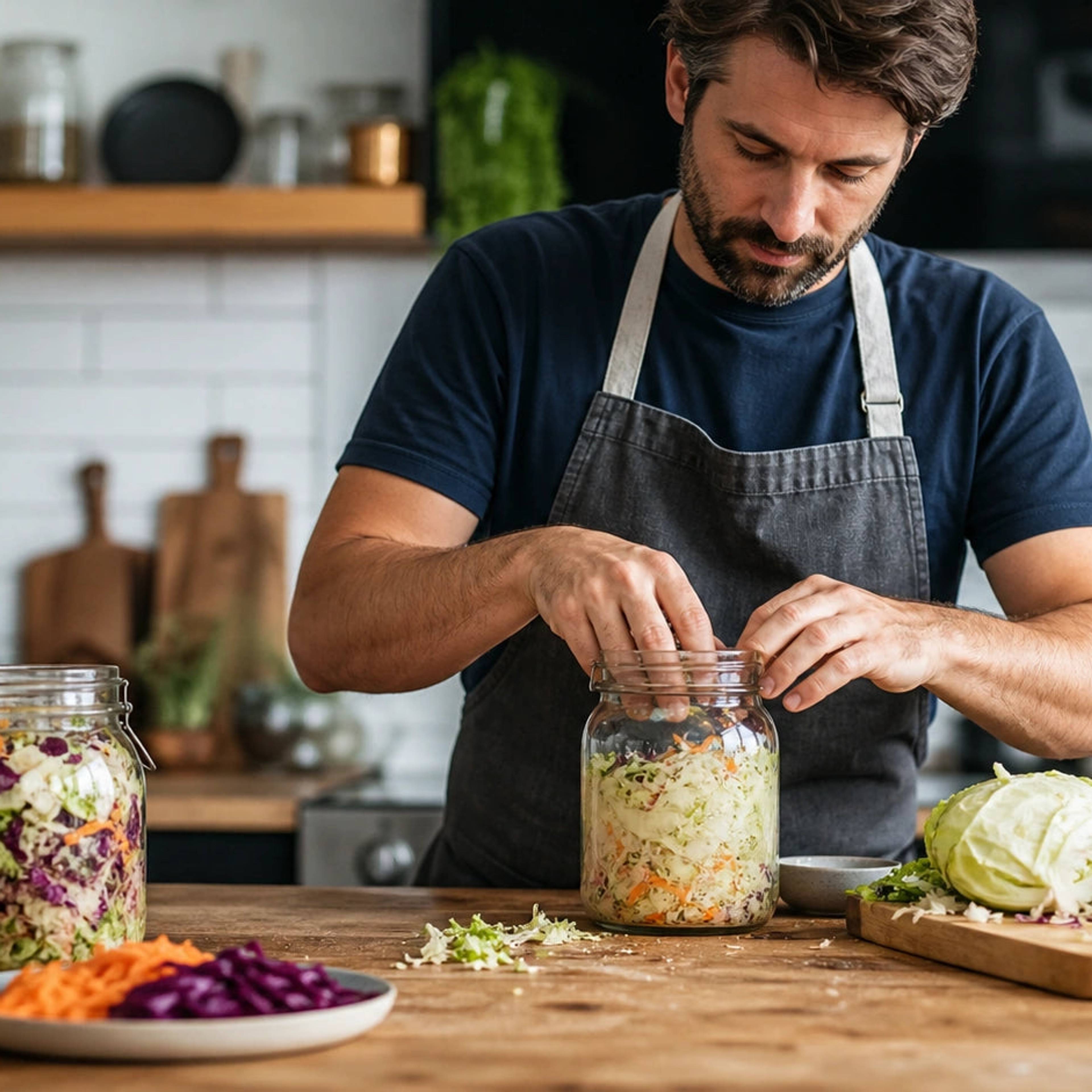
2. Sauerkraut (Fermented Cabbage)

Technically a "pickled" cabbage, sauerkraut is a powerhouse of gut health. It is exceptionally high in fiber and contains a diverse range of probiotic strains. Like pickles, ensure you are buying the raw, refrigerated version. The "canned" sauerkraut often found near the hot dogs is usually pasteurized and devoid of live bacteria.

3. Kimchi

Kimchi is a traditional Korean ferment that uses cabbage, radishes, and a variety of spices like ginger and chili. It is often fermented longer than standard dill pickles, which can lead to an even higher density of beneficial bacteria. Many people find that the addition of ginger and garlic provides further support for the immune system and metabolic health.

Bottom line: To maximize gut benefits, look for "naturally fermented" varieties in the refrigerated section and ensure the label does not list vinegar as a primary ingredient.

The Role of the Gut Microbiome

Your gut microbiome is a complex ecosystem of trillions of bacteria that influence everything from your energy levels to your skin health. When this ecosystem is balanced, your body can effectively process nutrients, defend against environmental stressors, and maintain a steady mood. However, modern diets—often high in processed sugars and low in fiber—can disrupt this balance.

Introducing fermented foods like pickles is a practical way to "reseed" the gut with beneficial inhabitants. These bacteria produce short-chain fatty acids, which help nourish the lining of the gut. A strong gut lining is crucial for preventing unwanted particles from entering the bloodstream, a concept we focus on heavily when designing our Liquid Colostrum. By supporting the structural integrity of your gut, you improve your overall resilience.

Myth: All pickles are probiotics.
Fact: Only "unpasteurized, salt-brined" pickles contain live probiotics. Most jars on supermarket shelves are vinegar-based and have been heat-treated, which kills the beneficial bacteria.

Practical Tips for Adding Pickles to Your Routine

Adding fermented pickles to your diet doesn't have to be complicated. Consistency is more important than quantity when it comes to microbiome health.

  • Eat them as a side, not a meal. Because pickles are high in sodium, a single spear or a small serving of sauerkraut is usually enough to provide probiotic benefits without overdoing the salt intake.
  • Don't toss the brine. The "pickle juice" in a fermented jar is loaded with the same probiotics and electrolytes as the pickles themselves. Some people find that a small sip of brine after a meal supports digestion.
  • Pair with fiber. Probiotics (the bacteria) thrive when they have prebiotics (fiber) to eat. Enjoying a fermented pickle alongside a salad or whole grains creates a more effective environment for the bacteria to colonize your gut.
  • Check with a professional. If you have a history of salt sensitivity or high blood pressure, consult your healthcare provider before adding high-sodium fermented foods to your daily routine.

For more practical strategies, read how to improve gut health through diet, lifestyle, and supplementation.

Making Your Own Gut-Friendly Pickles

If you find it difficult to find high-quality fermented pickles in your local store, making them at home is surprisingly simple. This ensures you have total control over the ingredients and the fermentation time.

  1. Select fresh, unwaxed cucumbers. Smaller pickling cucumbers work best.
  2. Prepare a brine. Dissolve about 2 tablespoons of sea salt into 4 cups of filtered, non-chlorinated water. Chlorine can kill the very bacteria you are trying to grow.
  3. Pack the jar. Place garlic, dill, and spices at the bottom of a clean glass jar, then pack the cucumbers in tightly.
  4. Submerge and wait. Pour the brine over the cucumbers until they are completely covered. Use a weight to keep them submerged; if they touch the air, they may grow mold.
  5. Ferment at room temperature. Let the jar sit on your counter (out of direct sunlight) for 3 to 10 days. "Burp" the jar daily to release built-up gases. Once they taste tangy and "pickle-like," move them to the fridge.

Nutrients and Antioxidants in Pickles

Beyond probiotics, gut-healthy pickles contain a surprising array of nutrients that support general wellness.

  • Vitamin K: Essential for bone health and proper blood clotting.
  • Vitamin A: Supports vision and immune function.
  • Antioxidants: Natural compounds like beta-carotene found in cucumbers can help the body manage oxidative stress.
  • Electrolytes: The salt brine provides sodium and potassium, which are critical for hydration and nerve function.

While these nutrients are present in standard cucumbers, the fermentation process often increases their availability to the body. This is why we emphasize that "how" a food is prepared is just as important as "what" the food is. Our approach to wellness is built on this same principle: selecting high-quality sources and ensuring the body can actually use them.

Balancing Your Routine

While pickles are an excellent addition to a gut-health routine, they are just one piece of the puzzle. A healthy microbiome requires a multi-faceted approach, including hydration, stress management, and targeted supplementation when diet alone isn't enough.

We focus on creating products that fill the gaps in the modern diet. Whether it's our Liposomal Glutathione for antioxidant support or our Magnesium Complex for relaxation and sleep, every product is designed with the same commitment to bioavailability that you find in a perfectly fermented pickle.

If you are unsure where to start with your wellness journey, taking a personalized approach is often the most effective route. We offer tools to help you identify which nutrients your body might need most based on your current lifestyle and goals.

Conclusion

Determining which pickles are good for gut health comes down to one simple distinction: fermentation. To support your microbiome, skip the neon-yellow jars on the pantry shelf and look for raw, refrigerated, salt-brined pickles. These living foods provide the probiotics and bioavailable nutrients your body needs to maintain digestive balance and overall vitality.

Cymbiotika is dedicated to providing you with the transparency and quality you deserve. We believe that when you are informed about the science of your food and supplements, you are empowered to make better choices for your long-term health. Our mission is to help you build a sustainable wellness routine through clean formulations and education.

  • Focus on fermentation: Look for salt-brine, not vinegar.
  • Prioritize the fridge: Real probiotics are found in the refrigerated section.
  • Check the labels: Avoid synthetic dyes, sugar, and preservatives.
  • Be consistent: Small, daily servings are better than occasional large amounts.

"A healthy gut is the foundation of a healthy life. By choosing bioavailable, living foods, you are investing in your body’s long-term resilience."

To find a supplement routine that complements your gut-healthy diet, we recommend taking our Health Quiz for a personalized recommendation based on your unique needs.

FAQ

Do all pickles have probiotics?

No, most pickles sold in grocery stores are "quick pickles" made with vinegar and then pasteurized with heat. This process kills any beneficial bacteria, meaning they do not provide probiotic benefits. Only naturally fermented, unpasteurized pickles contain live probiotics like Lactobacillus.

How can I tell if a pickle is fermented?

The easiest way to tell is by checking the location and the label. Fermented pickles are almost always found in the refrigerated section of the store. Additionally, the ingredient list should mention salt and water (brine) rather than vinegar, and the label may say "naturally fermented" or "contains live cultures."

Is it okay to eat pickles every day for gut health?

For most people, a small serving of fermented pickles daily can be a healthy part of a gut-supportive routine. However, because pickles are high in sodium, those with salt sensitivity or certain heart concerns should monitor their intake and consult a healthcare provider.

Does the "cloudy" liquid in the pickle jar mean they are bad?

Actually, cloudiness in a jar of naturally fermented pickles is often a sign of healthy bacterial activity. It indicates that the fermentation process was successful and that the jar is full of live cultures. As long as the pickles smell "pleasantly sour" and have no visible mold on the surface, the cloudiness is a positive sign.

*These statements have not been evaluated by the Food and Drug Administration. This product is not intended to diagnose, treat, cure, or prevent any disease.

Subscribers get it all

Subscribe today and unlock access to Arise, the ultimate wellness experience.

SAVE BIG

Get over 40% off + FREE shipping on all recurring orders.

FUN FREEBIES

Get free gifts, swag, perks, and more

SAVE BIG

Feel energized & strong with a routine that works!

by / Aug 10, 2026

Back to cart

CONGRATS

Choose Your Free Gift

Choose one complimentary product below.

Are you sure?
Removing will also remove the exclusive discounted item added to your cart.

You're away from a FREE gift!

Add any of the products below to unlock your free gift.

    You've unlocked a FREE gift!

    Thanks for spending $110. Choose one of the three starter kits below.

    Subscribe & Save

    Trusted by 60k+ subscribers

    Your Cart ( items)

    in savings and perks unlocked with your order!

    Free shipping sitewide.

    More subscriptions, more savings

    1

    30% off

    2

    34% off

    3

    38% off

    4

    40% off

    5

    40% off

    Want to save? Add a subscription to get 30% off on it!

    Add items to your cart

    Browse our products and add items to start your order.

    Exclusive Subscriber Offer
    $49 / yr
    Normally $199
    • 100+ biomarkers tested
    • A personalized 100-day protocol built around your Cymbiotika stack
    You may also like. . .
    You may also like
    60-Day money back guarantee. Exclusions apply.*