Table of Contents
- Introduction
- Vinegar Pickles vs. Fermented Pickles: Whatâs the Difference?
- Are Vinegar Pickles Good for Gut Health?
- The Nutrients Found in Pickles
- Bioavailability: Why Formulation and Absorption Matter
- What to Look for When Buying Pickles
- Potential Drawbacks of Vinegar Pickles
- How to Build a Gut-Healthy Routine
- The Role of the Liver in Gut Health
- Practical Ways to Enjoy Pickles for Wellness
- Conclusion
- FAQ
Introduction
The satisfying crunch of a cold pickle is a staple of the American diet, appearing on everything from deli sandwiches to backyard barbecue plates. While we often view pickles as a simple garnish or a low-calorie snack, the conversation around their health benefits has grown increasingly complex. Many people reach for a jar of pickles hoping to support their microbiome, but not all jars are created equal.
At Cymbiotika, we believe that true wellness starts with understanding exactly what you are putting into your body. While the term "pickle" is often used as a catch-all, the method used to create that tangy flavor determines whether the snack actually supports your digestive system. This article will explore the differences between vinegar-based and fermented pickles, the specific role of acetic acid, and how your body absorbs the nutrients found in these savory treats. For more guidance on building a digestive wellness routine, explore Cymbiotikaâs Gut Health Supplements collection.
We will break down the science of gut health, the importance of bioavailability in your diet, and how to choose the best options for your daily routine. By the end of this guide, you will understand how vinegar pickles fit into a balanced lifestyle and why the delivery method of any nutrient matters for your long-term health.
Vinegar Pickles vs. Fermented Pickles: Whatâs the Difference?
To answer whether vinegar pickles are good for your gut, we must first distinguish them from their fermented cousins. Most pickles found on the center shelves of a grocery store are "quick pickles." These are cucumbers that have been submerged in a solution of vinegar, water, salt, and sometimes sugar. The high acidity of the vinegar preserves the vegetable and gives it a sharp, tangy flavor.
Fermented pickles, on the other hand, do not use added vinegar. Instead, they are placed in a brine of salt and water, which encourages the growth of beneficial bacteria naturally present on the cucumberâs skin. This process, known as lacto-fermentation, produces lactic acid, which acts as the preservative. For a broader look at fermented foods and digestive wellness, read Cymbiotikaâs guide to probiotics and gut health.
Key Takeaway: The primary difference lies in the acid used. Vinegar pickles use acetic acid (vinegar) for preservation, while fermented pickles rely on lactic acid produced by live, beneficial bacteria.
The Role of Heat and Pasteurization
Most vinegar pickles sold in jars are heat-treated or pasteurized to make them shelf-stable. This process kills any bacteriaâgood or badâto ensure the product lasts for a long time without spoiling. While this makes them convenient for storage, it means they are fundamentally different from "living" foods that contain active cultures.
Are Vinegar Pickles Good for Gut Health?
The short answer is that vinegar pickles do not provide the same probiotic benefits as fermented pickles. Because the vinegar and the heat-treating process eliminate live bacteria, you won't get a direct dose of "good bugs" for your microbiome from a standard jar of shelf-stable dill pickles. However, this does not mean they have zero value for your digestive system.
Vinegar and Digestive Support
Vinegar contains acetic acid, which may support digestive health in a different way. Some people find that consuming small amounts of vinegar before a meal helps support healthy stomach acid levels. This can assist the body in breaking down proteins and fats more efficiently.
Blood Sugar Balance
There is evidence to suggest that the vinegar used in pickling may support healthy blood sugar levels. Consuming vinegar with a meal can help manage the way your body processes carbohydrates, potentially leading to fewer post-meal energy dips. Maintaining balanced blood sugar is a vital part of overall metabolic health, which is closely linked to how your gut functions.
Quick Answer: Vinegar pickles are not a source of probiotics because the pickling process and pasteurization kill live bacteria. However, the acetic acid in the vinegar may support digestion and help maintain healthy blood sugar levels.
The Nutrients Found in Pickles
Beyond the bacteria debate, pickles are still made from cucumbers, which contain a variety of essential micronutrients. When you eat a pickle, you are consuming more than just salt and water.
Vitamin K and Bone Health
Cucumbers are naturally high in Vitamin K, a fat-soluble vitamin that is essential for bone health and proper blood clotting. A single large pickle can provide a significant percentage of your daily requirement. Because Vitamin K is fat-soluble, it is best absorbed when consumed alongside a source of healthy fats.
Antioxidant Properties
Pickles contain antioxidants like Vitamin C and Vitamin A, as well as various phytonutrients. These compounds help the body manage oxidative stress and support the immune system. However, it is important to remember that some of these heat-sensitive vitamins may be degraded during the pasteurization process used for shelf-stable pickles.
Electrolyte Balance
The high salt content in pickle brine provides a concentrated source of sodium, one of the body's primary electrolytes. Athletes often use pickle juice to help maintain hydration and support muscle function during intense physical activity. Sodium helps the body retain water and is necessary for nerve signaling.
Bioavailability: Why Formulation and Absorption Matter
At the heart of everything we do is the concept of bioavailabilityâthe proportion of a nutrient that enters the circulation when introduced into the body and is so able to have an active effect. Just because a food contains a vitamin does not mean your body will successfully absorb and use it. Cymbiotika explains this concept in greater detail in its guide to how supplement formulation affects bioavailability.
When you consume a vinegar pickle, your digestive system must work to extract the nutrients from the vegetable fiber. Several factors can influence how well this happens:
- Gut Lining Integrity: If the lining of your gut is not optimally healthy, you may struggle to absorb micronutrients effectively.
- The Food Matrix: Some nutrients are locked within cell walls and require thorough chewing and enzyme action to release.
- Method of Delivery: Standard vitamins in food or low-quality supplements often face a harsh environment in the stomach, where they can be broken down before they ever reach the small intestine for absorption.
To support the foundation of your digestive health, we often recommend focusing on the gut lining itself. Our Liquid Colostrum is designed to support the integrity of the gut barrier, which may help improve the absorption of the nutrients you get from your daily diet.
Key Takeaway: Nutrient density is only one part of the equation; bioavailability determines how much of that nutrition actually reaches your cells.
Liposomal Delivery vs. Standard Digestion
Standard supplements and even some nutrients in whole foods can have low absorption rates. We address this by using liposomal delivery. A liposome is a tiny, spherical vesicle made of a phospholipid bilayerâthe same material that makes up your own cell membranes.
By wrapping nutrients in this "fatty" bubble, we help protect them as they travel through the digestive tract, allowing for better delivery to the bloodstream. This science-forward approach ensures that your body actually receives the support you intend to give it, whether you are looking for immune support or better energy.
What to Look for When Buying Pickles
If you want to maximize the health benefits of your pickles, you need to be a savvy label reader. Not all jars in the grocery store are created equal, and some contain ingredients that may actually work against your wellness goals.
1. Check the Refrigerated Section
If you are looking for the gut-health benefits associated with probiotics, look for pickles in the refrigerated section rather than the room-temperature aisles. Look for labels that say "naturally fermented," "raw," or "contains live cultures." These pickles have not been pasteurized, meaning the beneficial bacteria are still active.
2. Avoid Artificial Dyes
Many mass-produced pickles use Yellow Dye 5 (also known as tartrazine) to give them a neon-bright color. Some studies suggest that artificial food dyes can affect behavior in sensitive individuals and may cause unnecessary stress on the body. Choose brands that use natural coloring like turmeric or no added color at all.
3. Watch for Added Sugars
"Sweet" pickles, bread-and-butter pickles, and many relishes contain significant amounts of added sugar or high-fructose corn syrup. Excessive sugar intake can disrupt the balance of your microbiome. Stick to sour or dill varieties to keep your sugar intake low.
4. Minimal Ingredients
A high-quality vinegar pickle should ideally contain only a few ingredients: cucumbers, water, vinegar, salt, and spices (like garlic, dill, or mustard seed). If the ingredient list is long and filled with words you can't pronounce, it is likely a highly processed food-like product rather than a whole food.
Potential Drawbacks of Vinegar Pickles
While vinegar pickles can be part of a healthy diet, there are a few things to keep in mind to ensure they don't hinder your progress.
Sodium Intake
The most significant concern with pickles is their high salt content. One serving can contain a large portion of your daily recommended sodium limit. For most people, this is fine in moderation, but if you have been advised to watch your salt intake, you should enjoy pickles sparingly.
Digestive Sensitivity
The high acidity of vinegar can be irritating to some people's stomachs, especially if consumed on an empty stomach. If you notice discomfort after eating vinegar-heavy foods, try consuming them alongside a larger meal or switching to fermented versions, which have a different acidity profile.
Tooth Enamel
Like all acidic foods, vinegar can temporarily soften tooth enamel. It is a good practice to rinse your mouth with plain water after eating pickles to help neutralize the acid and protect your teeth.
How to Build a Gut-Healthy Routine
Improving your gut health is about more than just adding a single food like pickles to your diet. It requires a consistent, multi-faceted approach. Cymbiotikaâs gut health guide offers additional ideas for creating a routine.
Step 1: Prioritize Variety
Eat a wide range of colorful vegetables and fiber sources. This provides the "prebiotics" (food for bacteria) that your microbiome needs to thrive.
Step 2: Introduce Fermented Foods
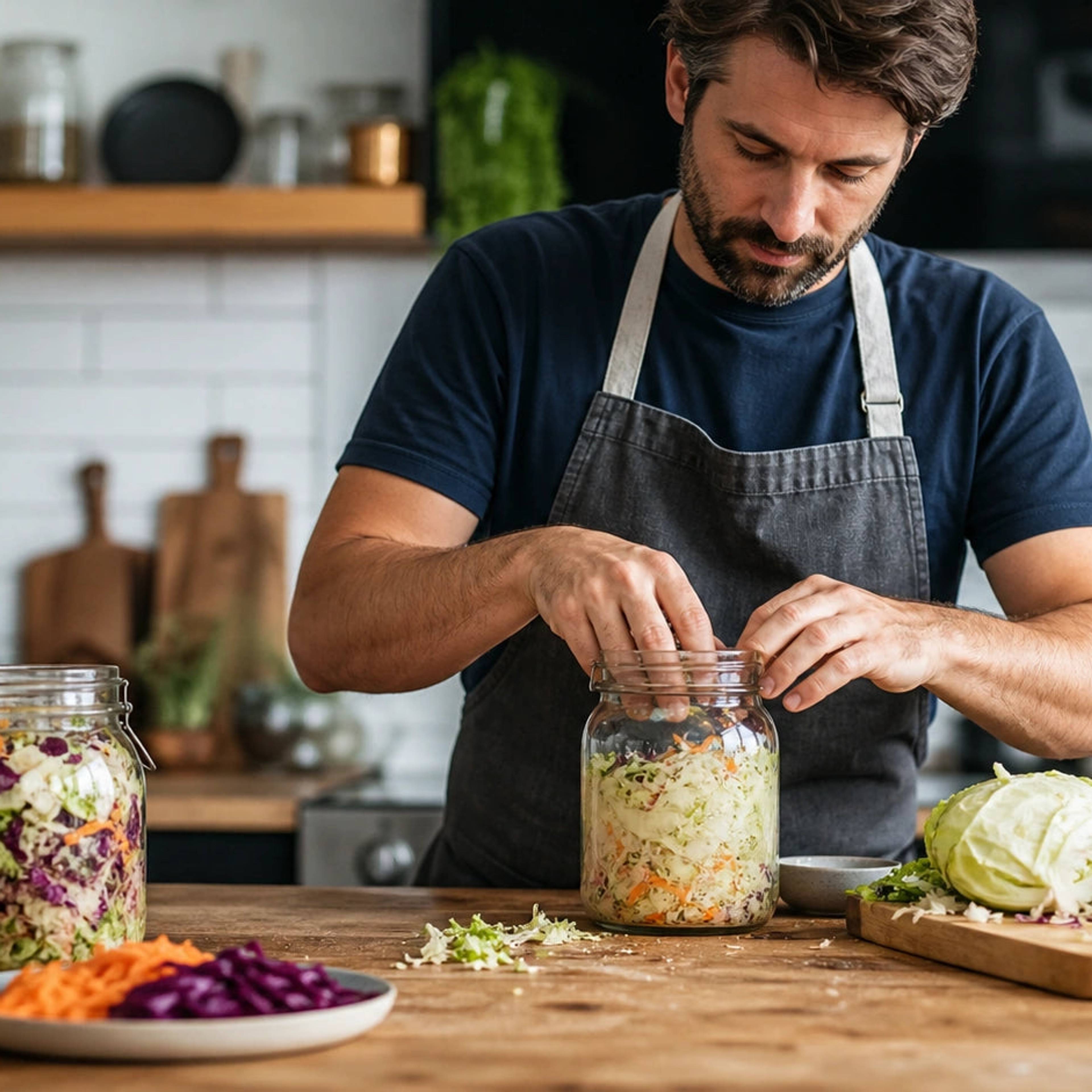
In addition to vinegar pickles for flavor, incorporate truly fermented foods like sauerkraut, kimchi, or kefir. These provide the live probiotics that vinegar pickles lack.
Step 3: Support the Microbiome Directly
Sometimes diet alone isn't enough to achieve the balance you desire. Our Probiotic formula is designed with diverse strains to support a healthy internal environment and promote digestive comfort.
Step 4: Focus on Absorption
Ensure your body can actually use what you give it. This means managing stress, chewing your food thoroughly, and considering high-bioavailability supplements when your diet has gaps.
Bottom line: Vinegar pickles are a tasty, low-calorie addition to your diet that offers some metabolic benefits, but they should be paired with fermented foods and a focus on nutrient absorption for optimal gut health.
The Role of the Liver in Gut Health
We cannot talk about the gut without mentioning the liver. Your liver processes everything that enters your bloodstream from your digestive tract. When you consume processed foods with artificial dyes or high amounts of preservativesâoften found in low-quality picklesâyour liver has to work harder to filter these substances.
Supporting your liver helps ensure that your entire digestive system runs smoothly. Using clean, transparent ingredients in your diet and avoiding unnecessary synthetics is the first step toward reducing that burden. We believe that by providing your body with pure, science-backed support, you can empower your natural detoxification pathways.
Practical Ways to Enjoy Pickles for Wellness
If you enjoy the taste of vinegar pickles, there are several ways to incorporate them into a health-conscious routine:
- As a Pre-Meal Appetizer: Eating a small pickle or having a teaspoon of the brine before a meal may help prime your digestion through the actions of the acetic acid.
- Post-Workout Recovery: Use a small amount of pickle juice to replenish sodium after a heavy sweat session.
- In Salads: Chop up pickles and add them to salads for extra flavor without the need for heavy, sugar-laden dressings.
- Homemade Quick Pickles: You can make your own vinegar pickles at home in just a few minutes. This allows you to control the quality of the vinegar, the amount of salt, and the freshness of the herbs.
Simple Homemade Vinegar Pickle Recipe:
- Slice fresh cucumbers and place them in a glass jar.
- Add a few cloves of smashed garlic and a sprig of fresh dill.
- Mix equal parts water and organic apple cider vinegar.
- Add a pinch of sea salt and stir until dissolved.
- Pour the liquid over the cucumbers and refrigerate for at least two hours.
By making them yourself, you avoid the artificial dyes and preservatives found in many commercial brands, ensuring your snack aligns with a clean wellness routine.
Conclusion
Are vinegar pickles good for gut health? They are certainly a better choice than many processed snacks, offering metabolic support through acetic acid and providing essential nutrients like Vitamin K. However, they lack the live probiotic power found in fermented foods. For a truly healthy gut, it is best to view vinegar pickles as a flavorful condiment while looking to other sources for microbiome diversity.
Cymbiotika is dedicated to helping you navigate these choices with transparency and science. We believe that wellness is built through consistent, informed habits. Whether you are choosing the right jar of pickles or selecting a supplement designed for maximum absorption, quality matters.
If you are ready to take the next step in personalizing your wellness journey, we invite you to take our Health Quiz. It is designed to help you identify the specific areas where your routine could use more support, from gut health to cellular energy, based on your unique goals and lifestyle.
"Wellness isn't about perfection; it's about making better choices every day that support your body's natural ability to thrive."
FAQ
Do vinegar pickles have probiotics?
Most vinegar pickles do not contain probiotics because the acidity of the vinegar and the pasteurization process used for shelf stability kill the beneficial bacteria. To get probiotics from pickles, you should look for "naturally fermented" or "raw" varieties, which are typically found in the refrigerated section.
Is it healthy to drink vinegar pickle juice?
Drinking small amounts of vinegar pickle juice can be a quick way to replenish electrolytes like sodium after exercise. The acetic acid in the juice may also support healthy blood sugar levels, though the high salt content means it should be consumed in moderation, especially by those sensitive to sodium.
Which pickles are best for gut health?
For the greatest gut health benefits, choose salt-brined, fermented pickles that contain live, active cultures. These provide probiotics that support microbiome diversity. If you prefer vinegar pickles, look for those made with organic apple cider vinegar and no artificial dyes or added sugars to ensure a cleaner nutritional profile.
Are there any side effects to eating too many pickles?
The main side effect of eating too many pickles is excessive sodium intake, which can lead to water retention or increased blood pressure in some individuals. Additionally, the high acidity of vinegar can cause digestive upset or irritation in people with sensitive stomachs if eaten in large quantities.
*These statements have not been evaluated by the Food and Drug Administration. This product is not intended to diagnose, treat, cure, or prevent any disease.