Table of Contents
- Introduction
- Understanding the Body's Natural Detoxification Systems
- Top Herbs for Liver Support
- Herbs for Kidney and Lymphatic Health
- The Role of Turmeric and Curcumin
- Supporting Gut Health and Elimination
- The Bioavailability Factor: Why Delivery Matters
- Practical Steps to Support Daily Detoxification
- Building a Sustainable Wellness Routine
- Conclusion
- FAQ
Introduction
Your body is designed with a highly sophisticated, built-in filtration system that works around the clock. From your liver and kidneys to your skin and lymphatic system, these organs collaborate to identify, process, and eliminate metabolic waste. While the body is naturally efficient at this task, the modern environment often introduces a higher volume of external stressors than our ancestors faced. Supporting these natural pathways is a key pillar of long-term vitality.
At Cymbiotika, we believe that the right botanical support can help maintain these essential functions. This article explores the best herbs for detoxification and explains how they interact with your biology. We will look at traditional favorites like milk thistle and dandelion, along with modern ways to ensure these ingredients actually reach your cells. For broader support, our Detox Supplements collection is a helpful place to explore. Understanding how to support your body's natural waste-removal processes is the first step toward a more resilient wellness routine.
Understanding the Body's Natural Detoxification Systems
Detoxification is not a one-time event or a seasonal "cleanse." It is a continuous biological process. Your liver is the primary hub for this activity, acting as a chemical processing plant. It breaks down substances into water-soluble forms so they can be safely excreted. Your kidneys then filter your blood, while your gut manages the final elimination of waste products.
When these systems are supported, you may notice more consistent energy levels and clearer skin. However, many of the beneficial compounds found in traditional herbs are difficult for the body to absorb. This is where bioavailability — the measure of how much of a substance enters your circulation — becomes critical. For a deeper look at how Cymbiotika approaches absorption, the article What is Liposomal Vitamin C? is a useful companion read. Without the right delivery method, even the most potent herbs may pass through your system without providing the intended support.
Top Herbs for Liver Support
The liver is responsible for over 500 vital functions. It is the gatekeeper of your metabolic health. Using specific herbs can help provide the raw materials your liver needs to perform its duties effectively.
Milk Thistle (Silybum marianum)
Milk thistle is perhaps the most well-known herb for liver health. Its active component is a group of flavonoids collectively known as silymarin. Silymarin is thought to support the integrity of liver cell membranes, helping to protect them from environmental stressors. It also supports the production of glutathione, which is often called the body’s "master antioxidant."
Most standard milk thistle supplements have a major flaw: silymarin is notoriously difficult for the gut to absorb. To address this, we use advanced delivery methods in our Liver Health+ formula. By wrapping the active ingredients in a liposomal layer — a tiny bubble of healthy fats that mimics our own cell membranes — we help ensure the silymarin can bypass the harsh environment of the digestive tract.
Dandelion Root (Taraxacum officinale)
Dandelion is more than just a common garden weed; it is a powerful bitter herb. Bitter compounds stimulate the production of bile, which is essential for the digestion of fats and the removal of waste from the liver. Dandelion root also contains polysaccharides that may support the liver’s ability to produce specialized proteins.
Many people find that incorporating dandelion root into a morning routine helps "wake up" the digestive system. Because it acts as a mild diuretic, it also supports the kidneys in flushing out excess water and salt.
Key Takeaway: Supporting the liver requires a two-pronged approach: stimulating bile flow with bitter herbs like dandelion and protecting cellular integrity with compounds like silymarin.
Herbs for Kidney and Lymphatic Health
While the liver processes toxins, the kidneys and the lymphatic system ensure they leave the body. The lymphatic system is a network of tissues and organs that help rid the body of unwanted materials. Unlike the heart, the lymphatic system does not have a pump; it relies on movement and specific nutrients to keep things flowing.
Burdock Root (Arctium lappa)
Burdock root has been used for centuries to support blood purification. It is a natural diuretic, meaning it helps the kidneys remove excess sodium and water through urination. It contains a high concentration of inulin, a type of prebiotic fiber that feeds beneficial gut bacteria.
Healthy gut bacteria are essential for detoxification because they help prevent the reabsorption of waste products in the colon. For more on the digestive side of this conversation, see our Gut Health Supplements collection. Burdock also contains powerful antioxidants like quercetin and luteolin, which help protect the kidneys from oxidative stress.
Nettle Leaf (Urtica dioica)
Stinging nettle is a nutrient-dense herb that supports the body’s filtration systems. It is rich in minerals like magnesium, calcium, and potassium, which are necessary for maintaining the body’s delicate fluid balance. Nettle leaf may help the kidneys excrete uric acid more efficiently, which is a common byproduct of protein metabolism.
Myth: "Detox" herbs are only for people who have been eating poorly. Fact: Every person's body produces metabolic waste naturally. Herbs like nettle and burdock support the daily maintenance required for everyone, regardless of diet.
The Role of Turmeric and Curcumin
Turmeric is a cornerstone of botanical wellness because of its influence on the inflammatory response. The active compound, curcumin, supports the liver’s Phase II detoxification pathway. This is the stage where the liver attaches a molecule to a toxin to make it water-soluble and ready for excretion.
Bioavailability is the biggest challenge with turmeric. Curcumin is not very soluble in water and is rapidly metabolized by the liver before it can reach the rest of the body. To get the most out of this herb, it should be consumed with healthy fats or delivered via liposomal technology.
Liposomal delivery protects the curcumin from being broken down prematurely. This allows more of the active compound to reach the bloodstream, where it can support the body’s natural antioxidant defenses. We focus heavily on this technology because we believe a supplement is only as good as what you can actually absorb. If you want a broader look at age-supportive formulas, our Healthy Aging Supplements collection is worth exploring.
Supporting Gut Health and Elimination
If your digestive system is sluggish, the waste your liver and kidneys have worked so hard to process can sit in your gut and be reabsorbed. This is why "best herbs for detoxification" must include those that support gut motility and a healthy microbiome.
Ginger (Zingiber officinale)
Ginger is a powerful prokinetic herb, meaning it helps move food through the digestive tract. This prevents waste from lingering in the colon. Ginger also supports the production of digestive enzymes, which ensures that the food you eat is broken down properly, reducing the toxic load on your system.
Peppermint (Mentha piperita)
Peppermint supports the flow of bile from the gallbladder into the small intestine. This not only helps with fat digestion but also ensures that the liver's waste products are being moved out of the body. Peppermint also has a relaxing effect on the muscles of the digestive tract, which may help reduce occasional bloating and discomfort.
Activated Charcoal and Binders
While not technically an herb, activated charcoal is a vital part of many detoxification routines. It works through a process called adsorption. Because charcoal has a massive surface area and a negative electrical charge, it can "trap" positively charged toxins and gas in the gut. This prevents them from being absorbed into the bloodstream.
Our Activated Charcoal guide is designed for short-term use to help reset the digestive system. It is particularly helpful after exposure to processed foods or environmental pollutants.
The Bioavailability Factor: Why Delivery Matters
The most common mistake people make with herbal supplements is ignoring absorption. Your digestive system is designed to break things down, which is great for food but difficult for delicate herbal compounds. Many traditional pills and powders lose up to 90% of their potency before they even leave your stomach.
We focus on two primary ways to solve this:
- Liposomal Delivery: We encapsulate nutrients in phospholipids. These are the same fats that make up your cell membranes. This allows the supplement to slip through the intestinal wall and into the bloodstream more efficiently.
- Liquid Formats: Liquid supplements often bypass some of the breakdown steps required for hard tablets, allowing for faster and more complete uptake.
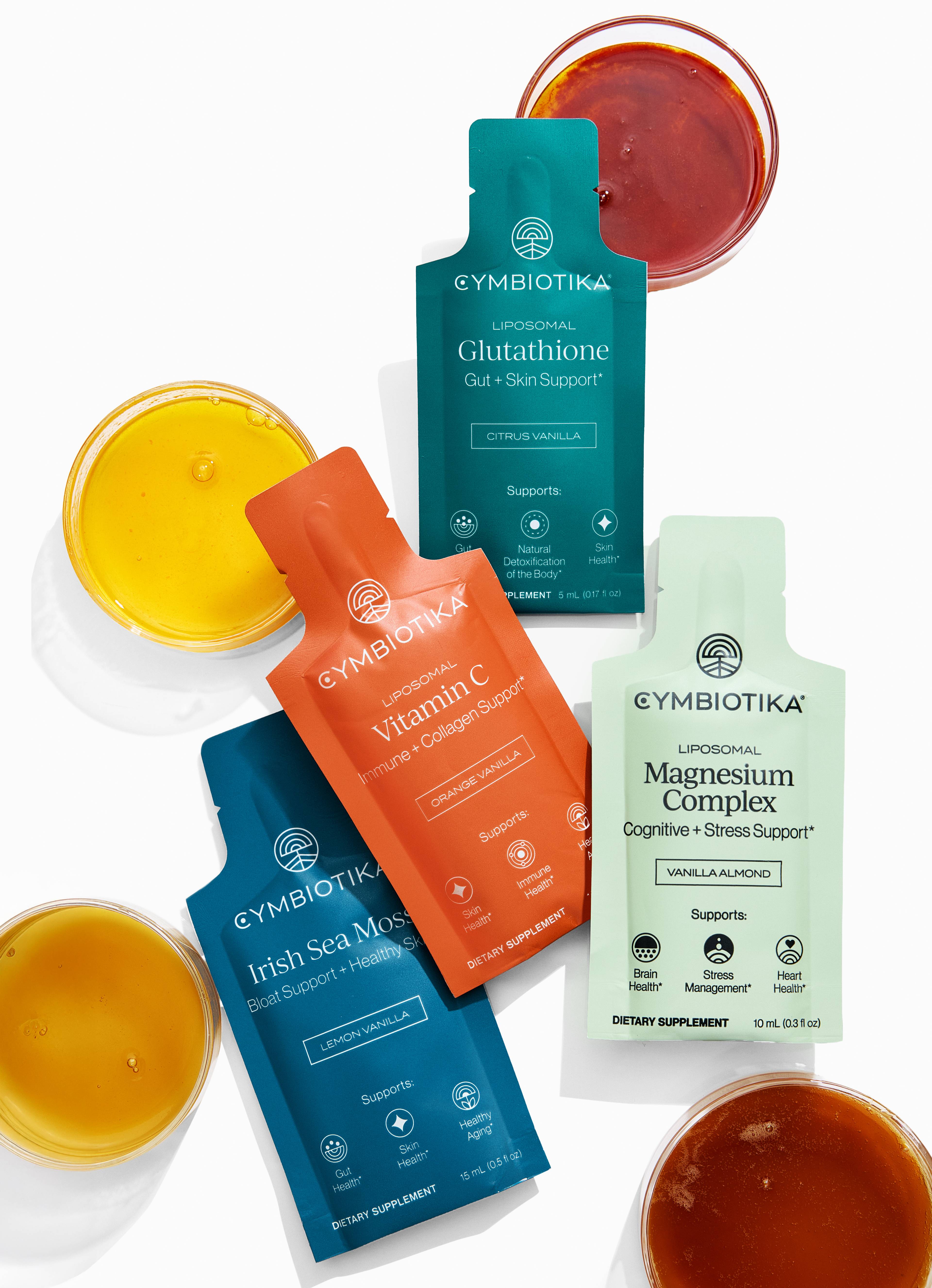
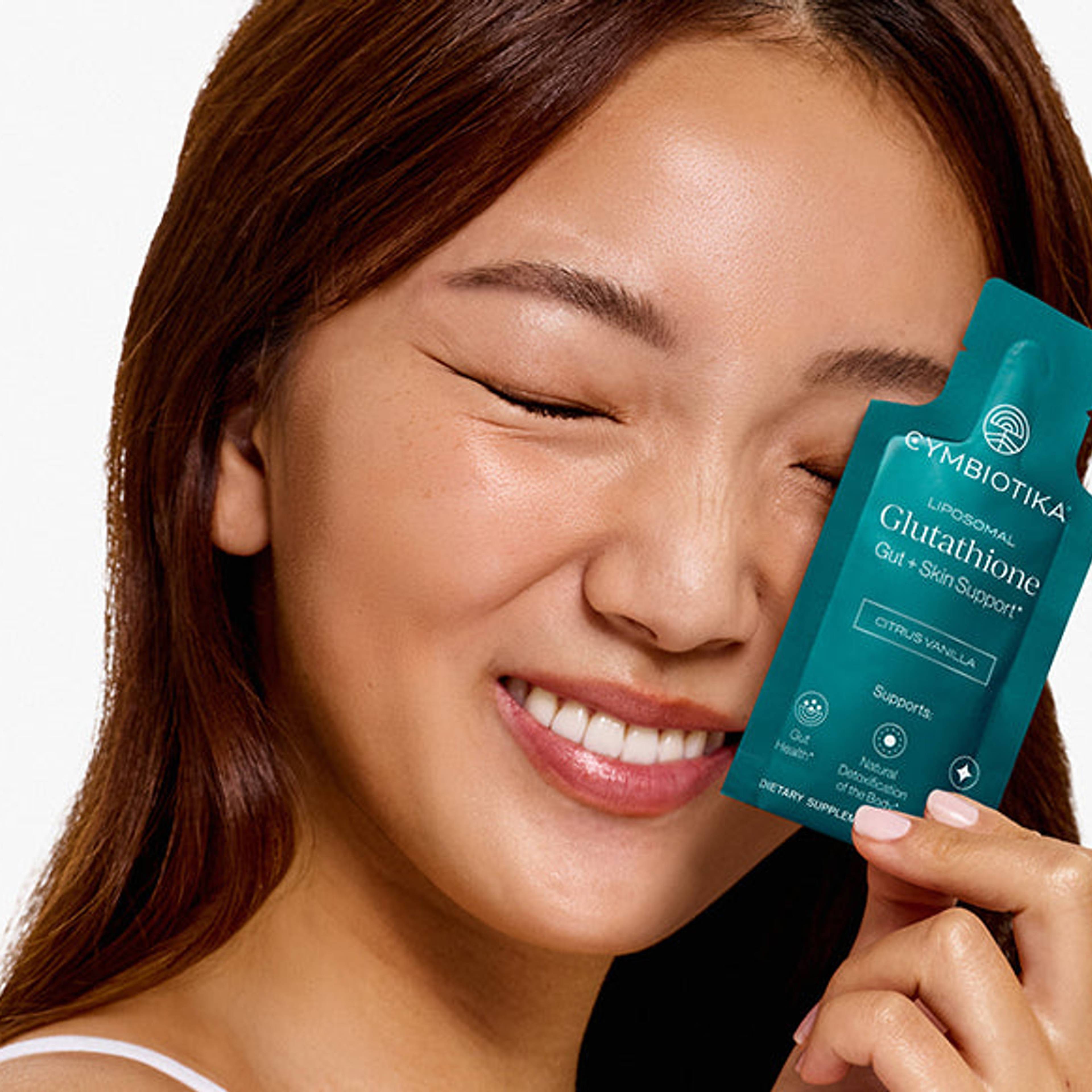
If you are choosing herbs for detoxification, always ask: "Is this in a form my body can actually use?" Our Liposomal Glutathione, for example, is designed to provide the master antioxidant in a way that survives digestion, supporting the liver at a cellular level.
Bottom line: High-quality ingredients are only half the battle; how those ingredients are delivered to your cells determines the actual results you may see.
Practical Steps to Support Daily Detoxification
Building a routine doesn't have to be complicated. Consistency is far more important than intensity. Instead of an aggressive "cleanse," focus on adding supportive habits to your daily life.
- Step 1: Hydrate with intention. Drink plenty of filtered water. You can add a squeeze of lemon or a drop of ginger extract to support bile flow and kidney function.
- Step 2: Optimize your timing. Many people find that taking liver-supportive herbs like milk thistle is most effective in the morning on an empty stomach, or right before bed when the liver is most active.
- Step 3: Move your body. The lymphatic system requires movement. Even a 20-minute walk helps "pump" the lymph and move waste products toward your elimination organs.
- Step 4: Supplement with bioavailability in mind. Choose liposomal or high-quality liquid versions of herbs like turmeric, ginger, and milk thistle.
Building a Sustainable Wellness Routine
We believe that wellness starts with trust and transparency. You deserve to know exactly what is going into your body and why it is there. Supplementation should not be about fixing a problem after it starts; it should be about giving your body the tools it needs to maintain balance every day.
By focusing on high-quality sourcing and science-forward delivery systems, we aim to bridge the gap between traditional herbal wisdom and modern nutritional science. Whether you are looking to support your liver with our Liver Health+ formula or want to enhance your overall cellular health with Liposomal Glutathione, the goal is the same: providing the highest bioavailability possible.
If you're still deciding where to begin, our Health Quiz can help you find a more personalized starting point.
Conclusion
Supporting your body's natural detoxification pathways is one of the most effective ways to invest in your long-term health. The best herbs for detoxification — including milk thistle, dandelion, turmeric, and burdock — offer a time-tested way to assist your liver, kidneys, and gut. However, the quality of your results depends heavily on the quality of your supplements. Standard capsules often fall short, while liposomal delivery is designed to ensure these powerful botanicals reach their destination.
- Focus on herbs that support both the liver (milk thistle) and the kidneys (nettle).
- Prioritize gut motility with ginger and peppermint to ensure waste is eliminated.
- Always choose supplements with high bioavailability to maximize your investment.
- Stay consistent with daily habits like hydration and movement.
Key Takeaway: Real detoxification is a slow, steady process supported by clean ingredients and superior absorption technology.
FAQ
What are the best herbs for a liver detox?
Milk thistle, dandelion root, and turmeric are widely considered the most effective herbs for liver support. Milk thistle contains silymarin, which helps protect liver cells, while dandelion root stimulates bile production to help flush out metabolic waste. If you're looking for a formula built around this goal, Liver Health+ is a relevant place to start.
How often should I use herbs for detoxification?
Rather than doing an occasional intense "cleanse," many people find better results by incorporating supportive herbs into their daily or weekly routines. Consistency allows the body to maintain its natural filtration systems more effectively without the stress of extreme dietary changes.
Do detox herbs actually work if I take them in pill form?
The effectiveness of any herb depends on its bioavailability. Many herbal compounds are poorly absorbed in standard pill or powder forms because they are broken down by stomach acid. Using liposomal delivery or high-quality liquid extracts can significantly improve how much of the herb your body actually uses. For a simple example of this approach, Liposomal Vitamin C shows how delivery can matter just as much as the ingredient itself.
Can I take detoxification herbs every day?
Most gentle herbs like ginger, turmeric, and nettle are suitable for daily use as part of a wellness routine. However, stronger "binders" like activated charcoal are usually intended for short-term use or specific needs. It is always wise to consult with a healthcare professional before starting a new daily supplement, especially if you are taking medication. If you want more help choosing a routine, the Gut Health Supplements collection is a useful next step.
*These statements have not been evaluated by the Food and Drug Administration. This product is not intended to diagnose, treat, cure, or prevent any disease.