Table of Contents
- Introduction
- Understanding the Vitamin K Family
- What is Vitamin K2 45? Explaining the Dosage
- The Mechanism: How Vitamin K2 Supports Bones
- Cardiovascular Benefits and Arterial Flexibility
- Vitamin K2 and the Brain: Emerging Research
- The Synergy: Vitamin D3, K2, and Magnesium
- Why Bioavailability Matters
- Real-World Application: Fitting K2 Into Your Routine
- Potential Side Effects and Precautions
- Building a Consistent Wellness Habit
- The Importance of Purity in Sourcing
- Personalized Wellness: Finding Your Fit
- Final Thoughts on Vitamin K2 45
- Summary of Key Takeaways
Introduction
Did you know that even if you are consuming plenty of calcium, your body might not be directing it to the right places? This biological puzzle is often called the "calcium paradox," where calcium can accumulate in the arteries rather than staying in the bones where it belongs. While many people are familiar with Vitamin D for bone health, fewer understand the critical "GPS" system that guides calcium effectively through the body. This is where Vitamin K2 enters the conversation. Specifically, when people ask what is vitamin k2 45, they are often referring to a specific, high-potency dose of 45 milligrams (mg) of the MK-4 subtype, which has been the subject of extensive research regarding bone mineral density.
In this article, we will explore the science behind Vitamin K2, the distinctions between its various forms like MK-4 and MK-7, and why the "45" dosage is significant in clinical literature. We will also discuss how Vitamin K2 interacts with other nutrients like Vitamin D3 and Magnesium, the importance of bioavailability in supplement design, and how to choose a routine that supports your long-term wellness goals. At Cymbiotika, we believe that understanding the nuance of nutrient delivery is the first step toward reclaiming your vitality. By the end of this guide, you will have a comprehensive understanding of how this essential nutrient may support your skeletal and cardiovascular systems.
Our main message is simple: Vitamin K2 is not just a "co-factor," but a foundational regulator of calcium metabolism. Ensuring you have the right form and dosage is essential for maintaining daily resilience and supporting healthy aging.
Understanding the Vitamin K Family
To understand what is vitamin k2 45, we must first look at the broader Vitamin K family. Vitamin K is a group of fat-soluble vitamins that play a central role in blood coagulation and calcium regulation. For decades, the primary focus was on Vitamin K1, but modern science has revealed that Vitamin K2 offers unique benefits that K1 cannot replicate.
Vitamin K1 (Phylloquinone)
Vitamin K1 is primarily found in green leafy vegetables like kale, spinach, and broccoli. Its main responsibility is supporting healthy blood clotting. When you consume K1, the liver utilizes most of it to activate clotting factors. Because the liver sequesters so much of it, very little Vitamin K1 is left over for the rest of the body to use for bone or arterial health.
Vitamin K2 (Menaquinone)
Vitamin K2 is found in fermented foods, such as natto (fermented soybeans), certain cheeses, and animal products like egg yolks or liver. Unlike K1, Vitamin K2 is more easily utilized by tissues outside of the liver, such as your bones and blood vessel walls. This makes it a superior choice for those looking to support their structural health.
Within the K2 category, there are several subtypes known as menaquinones, labeled MK-4 through MK-13 based on the length of their chemical side chains.
- MK-4 (Menaquinone-4): This is a short-chain form of K2. It is unique because it is the only form of Vitamin K2 that the body can produce itself by converting Vitamin K1. In supplemental form, MK-4 is often used in high doses, such as 45 mg (45,000 mcg).
- MK-7 (Menaquinone-7): This is a long-chain form usually derived from fermented foods. It has a much longer half-life than MK-4, meaning it stays in your bloodstream for a longer period, allowing for consistent levels with lower, once-daily doses.
At Cymbiotika, we emphasize that not all forms of a nutrient are created equal. This is why we prioritize Liposomal Vitamin D3 + K2 + CoQ10, utilizing delivery methods designed to enhance how your body absorbs and utilizes these fat-soluble compounds.
What is Vitamin K2 45? Explaining the Dosage
When researchers or wellness enthusiasts discuss "Vitamin K2 45," they are typically referring to a 45 milligram (mg) dose of Vitamin K2 in its MK-4 form. It is important to distinguish this from the microgram (mcg) dosages often seen in standard multivitamins.
In many parts of the world, specifically in Japanese clinical settings, 45 mg of MK-4 has been studied for its potential to support bone mineral density in postmenopausal women. While 45 mcg might be a maintenance dose for general health, 45 mg is considered a high-potency, therapeutic-level dose.
Why the High Dose?
The reason MK-4 is often administered in 45 mg doses is due to its rapid metabolism. MK-4 has a short half-life of only a few hours. To maintain effective levels in the blood and tissues, higher or more frequent doses were historically used in clinical trials. Conversely, the MK-7 form is effective at much lower doses (usually 90 to 180 mcg) because it remains active in the body for up to 72 hours.
For someone looking to support everyday balance and bone strength, understanding these dosage differences is key. If you are comparing products, always check if the label says "mg" or "mcg," as 45 mg is 1,000 times stronger than 45 mcg.
Key Takeaway: Vitamin K2 45 refers to the 45 mg dose of MK-4 used in clinical studies to support bone mineralization. It represents a high-potency approach to skeletal wellness.
The Mechanism: How Vitamin K2 Supports Bones
The primary reason Vitamin K2 is so highly regarded is its ability to activate specific proteins that manage calcium. Without Vitamin K2, calcium is like a traveler without a map; it doesn't know where to go.
Activating Osteocalcin
Bones are living tissues that are constantly being broken down and rebuilt. Cells called osteoblasts are responsible for building new bone. These cells produce a protein called osteocalcin. However, when osteocalcin is first produced, it is "inactive." It needs Vitamin K2 to undergo a process called carboxylation.
Once carboxylated by Vitamin K2, osteocalcin becomes "active" and gains the ability to bind to calcium. This allows the calcium to be integrated into the bone matrix, supporting density and strength. If you have low Vitamin K2 levels, you may have high levels of inactive osteocalcin, which means the calcium you consume isn't being effectively locked into your bones.
Supporting Bone Mineral Density
Many people find that as they age, maintaining bone mineral density becomes a top priority. While calcium and Vitamin D are the traditional "go-to" supplements, Vitamin K2 acts as the finishing touch. By supporting the activity of bone-building cells, Vitamin K2 may support the long-term structural integrity of the skeletal system.
In our commitment to transparency, we always suggest that our community look at the "big picture" of bone health. This includes movement, a mineral-rich diet, and targeted support like our Magnesium Complex, which works alongside Vitamin K2 to support over 300 biochemical reactions in the body.
Cardiovascular Benefits and Arterial Flexibility
The same mechanism that helps your bones also helps your heart. While we want calcium in our bones, we do not want it in our arteries. Calcification of the arteries can lead to stiffness, which may impact cardiovascular efficiency over time.
Matrix Gla Protein (MGP)
Vitamin K2 activates another essential protein called Matrix Gla Protein (MGP). MGP is found in the walls of your blood vessels and is one of the most powerful inhibitors of soft tissue calcification known to science. Like osteocalcin, MGP requires Vitamin K2 to become active.
Once activated, MGP binds to calcium in the bloodstream and prevents it from depositing in the arterial walls. This supports arterial flexibility and healthy circulation. By keeping calcium out of the soft tissues, Vitamin K2 supports the body's natural ability to maintain a youthful cardiovascular system.
The "Calcium Paradox" Solved
This is how Vitamin K2 solves the calcium paradox. It acts as a traffic controller, directing calcium into the bones (via osteocalcin) and out of the arteries (via MGP). This dual action is why Vitamin K2 is increasingly recognized as an essential nutrient for anyone focused on healthy aging.
Vitamin K2 and the Brain: Emerging Research
While bone and heart health are the most well-documented benefits, recent studies are exploring how Vitamin K2 may support the brain. The brain contains high concentrations of Vitamin K2, specifically in the MK-4 form.
Myelination and Cell Survival
Vitamin K2 is involved in the synthesis of sphingolipids, a class of lipids that are crucial components of brain cell membranes. These lipids are involved in cell signaling and the formation of the myelin sheath—the protective coating around nerves that allows for fast and efficient communication between brain cells.
Furthermore, Vitamin K2 activates Protein S and Gas6 (Growth Arrest Specific Gene 6), proteins that support cell survival and may protect neurons from oxidative stress. By supporting mitochondrial function and reducing the impact of oxidative injury, Vitamin K2 may support cognitive clarity and long-term brain health.
For those interested in a holistic approach to cognitive support, we often recommend looking into our Organic Longevity Mushrooms, which provide a synergistic blend of adaptogens and functional mushrooms to support focus and mental resilience.
The Synergy: Vitamin D3, K2, and Magnesium
At Cymbiotika, we don't believe in isolated nutrition. Nutrients work in harmony, and Vitamin K2 is perhaps the best example of this. To get the most out of Vitamin K2, it should ideally be taken with Vitamin D3 and Magnesium.
The D3 + K2 Connection
Vitamin D3 helps your body absorb calcium from the gut into the bloodstream. However, D3 does not control where that calcium goes once it's absorbed. As we’ve discussed, Vitamin K2 takes over from there, ensuring the calcium reaches the bones. Taking high doses of Vitamin D3 without sufficient Vitamin K2 could theoretically lead to increased calcium levels in the blood without the necessary "traffic control" to manage it.
This is why our Liposomal Vitamin D3 + K2 + CoQ10 is formulated with both nutrients together. It ensures that the calcium being absorbed is also being directed correctly.
The Role of Magnesium
Magnesium is the third piece of the puzzle. It is required for the enzymes that metabolize Vitamin D. Without enough magnesium, your Vitamin D remains stored and inactive. Additionally, magnesium helps regulate calcium transport across cell membranes.
For a comprehensive approach to daily resilience, combining these nutrients can reduce guesswork and help you maintain a balanced internal environment. Many of our customers find that a combination of Magnesium Complex and our liposomal D3/K2 formula provides a strong foundation for their wellness journey.
Why Bioavailability Matters
One of the most critical factors in choosing a supplement is bioavailability—how well your body can actually use what you take. Many traditional supplements use cheap synthetic fillers and compressed tablets that are difficult for the digestive system to break down.
Our Liposomal Delivery Approach
At Cymbiotika, we use an advanced liposomal delivery approach for our fat-soluble nutrients like Vitamin K2 and D3. Liposomes are tiny fat bubbles that mimic the body’s own cell membranes. By wrapping the nutrients in these lipids, we protect them from the harsh environment of the stomach and deliver them directly into the bloodstream.
This ensures that the "45" (whether it's mcg of MK-7 or mg of MK-4) you are taking is actually reaching the tissues that need it most. When it comes to fat-soluble vitamins, absorption is everything.
Quality Standards and Transparency
Wellness starts with trust. That’s why we adhere to rigorous quality standards:
- Third-party testing: We test every batch for purity and potency.
- No unnecessary fillers: You won't find synthetic binders or artificial colors in our formulas.
- Non-GMO and Clean Sourcing: We source high-quality ingredients to ensure our products align with your lifestyle.
By choosing supplements designed with absorption in mind, you are ensuring that your investment in your health is actually working for you.
Real-World Application: Fitting K2 Into Your Routine
Understanding the science is one thing, but how do you apply it to your daily life? Everyone’s needs vary, but consistent habits are the key to seeing results.
For the Busy Professional
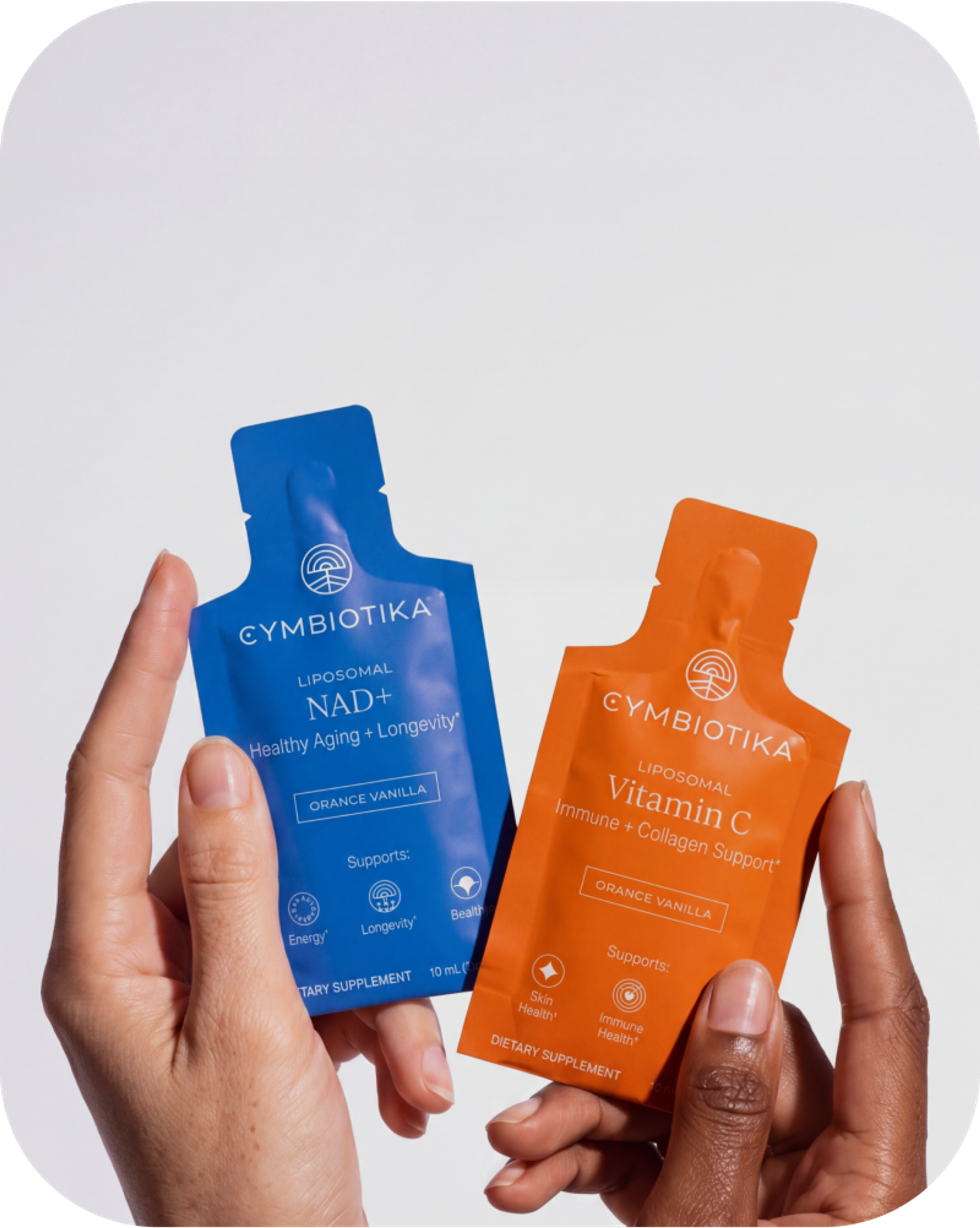
If you have a demanding schedule and struggle to stay consistent, convenience is your best friend. Our liposomal pouches are designed for people on the go. You can take them directly from the pouch or mix them into a morning smoothie. This reduces the guesswork and makes it easy to keep your Energy & Focus at their peak.
For the Athlete
Athletes put significant stress on their skeletal and cardiovascular systems. Supporting bone density and arterial flexibility is crucial for long-term performance and recovery. Integrating Molecular Hydrogen to manage oxidative stress alongside Vitamin K2 can support the body’s natural recovery processes.
For Healthy Aging
As we age, our body's ability to produce certain proteins declines. Focusing on a nutrient-dense diet and supplementing where gaps exist is a proactive way to maintain daily resilience. Many people find that supporting their Immunity with Liposomal Vitamin C and their gut health with a Probiotic creates a robust environment for Vitamin K2 to work its magic.
Potential Side Effects and Precautions
While Vitamin K2 is generally considered safe and well-tolerated, there are important considerations to keep in mind, especially regarding high doses like Vitamin K2 45 mg.
Interacting with Blood Thinners
The most significant precaution involves Vitamin K antagonists, such as warfarin. Because Vitamin K’s primary biological role is supporting blood clotting, taking Vitamin K supplements can interfere with the effectiveness of blood-thinning medications. If you are on any anticoagulant medication, it is essential to consult a healthcare professional before adding Vitamin K2 to your routine.
Digestive Sensitivity
Some people may experience mild upset stomach or diarrhea when starting high-dose vitamins. We always recommend a "start low and go slow" approach. Following the label and taking your supplements with food can often mitigate any minor digestive discomfort.
Kidney and Liver Health
Individuals with severe kidney or liver disease should be cautious. High doses of Vitamin K may not be effective for clotting problems caused by severe liver disease and could, in some cases, make issues worse. Always consult with a doctor if you are under medical supervision for these conditions.
Building a Consistent Wellness Habit
The benefits of Vitamin K2—whether for bone density, heart health, or brain support—are not achieved overnight. Like most wellness strategies, the results come from the accumulation of daily choices.
We encourage our community to focus on:
- Routine: Take your supplements at the same time each day to build a habit.
- Synergy: Ensure you are getting enough Vitamin D and Magnesium to support K2’s function.
- Quality: Don’t settle for low-bioavailability formats. Choose delivery methods that prioritize absorption.
- Testing: Consider getting your Vitamin D and K2 levels tested by a healthcare professional to tailor your dosage perfectly.
By reducing guesswork through clear information and high-quality products, you can feel confident in your path to wellness. Whether you are using our Liposomal Glutathione to support detoxification or our K2/D3 blend for structural health, you are taking a proactive step toward a more vibrant life.
The Importance of Purity in Sourcing
In a market flooded with options, the source of your Vitamin K2 matters. Most K2 is either synthetic or derived from fermentation. At Cymbiotika, we prioritize organic and wild-crafted sourcing whenever contextually appropriate, ensuring that our ingredients are free from GMOs and unnecessary synthetic additives.
Our commitment to transparency means we provide certificates of analysis upon request, giving you the peace of mind that what is on the label is exactly what is in the product. We believe that you deserve to know exactly what you are putting into your body.
Personalized Wellness: Finding Your Fit
While Vitamin K2 45 mg is a specific dosage used for specific bone health goals, it may not be necessary for everyone. Some people find that a maintenance dose of MK-7 in a liposomal format is more than enough to support their daily balance.
If you are unsure where to start, we offer resources to help you choose the formats that match your lifestyle. Our goal is to empower you to make informed choices rather than simply following a trend.
For those who are also focused on their metabolic health or inflammatory response, products like Molecular Hydrogen can be excellent additions to a K2-focused routine, as they support the body's internal environment at a cellular level.
Final Thoughts on Vitamin K2 45
Understanding what is vitamin k2 45 opens the door to a deeper appreciation of how our bodies manage minerals and protect our vital systems. Whether you are looking at the 45 mg dose of MK-4 for targeted bone support or a balanced daily dose of MK-7 for heart health, the science remains the same: Vitamin K2 is the essential guide that ensures calcium serves your body rather than hindering it.
By focusing on high-quality ingredients, advanced delivery systems, and the synergistic relationship between nutrients, you can support your body's natural resilience. Remember that wellness is a lifelong journey of small, consistent steps.
At Cymbiotika, we are here to provide the tools and education you need to navigate that journey with confidence. From our rigorous testing to our commitment to bioavailability, every product we create is designed to help you live your most vibrant life.
Summary of Key Takeaways
- Vitamin K2 vs. K1: While K1 is for clotting, K2 is for bones and heart health.
- The "45" Dosage: This typically refers to 45 mg of MK-4, a high-potency dose studied for bone mineral density.
- Osteocalcin & MGP: K2 activates these proteins to direct calcium into bones and away from arteries.
- The Power of Synergy: For best results, pair Vitamin K2 with Vitamin D3 and Magnesium.
- Bioavailability is King: Liposomal delivery ensures you actually absorb the fat-soluble vitamins you consume.
- Consistency is Key: Building a daily habit is more effective than high-dose, sporadic supplementation.
Frequently Asked Questions
1. Is Vitamin K2 45 mg the same as 45 mcg? No. There is a significant difference. One milligram (mg) is equal to 1,000 micrograms (mcg). Therefore, 45 mg is 1,000 times stronger than 45 mcg. Clinical studies on bone density often use the 45 mg (45,000 mcg) dose of MK-4, while general maintenance supplements typically offer 45 mcg to 180 mcg of MK-7.
2. Can I take Vitamin K2 if I am on blood thinners? If you are taking a Vitamin K antagonist like warfarin, you should consult your healthcare practitioner before taking any Vitamin K supplement. Because Vitamin K supports blood clotting, it can interfere with how these medications work.
3. Does Vitamin K2 help with brain health? Emerging research suggests that Vitamin K2 (specifically MK-4) is involved in brain cell membrane development (sphingolipids) and protects neurons from oxidative stress. While more human trials are needed, it appears to play a role in supporting long-term cognitive clarity.
4. When is the best time to take Vitamin K2? Vitamin K2 is a fat-soluble vitamin, so it is best taken with a meal that contains healthy fats to maximize absorption. Many people find it convenient to take it in the morning alongside their Vitamin D3.
Personalize Your Wellness Routine
Are you ready to stop the guesswork and find the supplements that actually match your unique biology and lifestyle? We invite you to take our short, science-backed quiz to discover a personalized routine designed for your specific goals.
*These statements have not been evaluated by the Food and Drug Administration. This product is not intended to diagnose, treat, cure, or prevent any disease.