Aug 18, 2026

Is Vitamin K2 Bad for the Liver? Safety and Benefits

Table of Contents

  1. Introduction
  2. Understanding the Different Forms of Vitamin K
  3. How Vitamin K2 Interacts With Your Liver
  4. The Calcium Paradox: Why Your Liver Needs K2
  5. Bioavailability: Does Your Body Actually Absorb the K2 You Take?
  6. Are There Any Side Effects of Vitamin K2?
  7. Building a Routine That Supports Your Liver
  8. The Long-Term Benefits of Vitamin K2
  9. Conclusion
  10. FAQ

Introduction

You may have heard that your liver is the primary filter of your body. Because it processes everything you ingest, from the food on your plate to the supplements in your cabinet, it is natural to feel cautious about adding something new to your routine. If you have been researching fat-soluble vitamins, you might be asking: is vitamin K2 bad for the liver?

The short answer is that for most healthy adults, vitamin K2 is not considered harmful to the liver. In fact, emerging research suggests that vitamin K2 may actually support liver health and metabolic function. At Cymbiotika, we believe that understanding how nutrients interact with your biology is the first step toward building a routine you can trust, and a personalized place to begin is our Health Quiz.

This article will explore the relationship between vitamin K2 and the liver, clarify the differences between various forms of vitamin K, and explain why the way you deliver these nutrients to your body matters for long-term wellness. Our goal is to empower you with science-backed information so you can make informed choices for your health.
Understanding the Different Forms of Vitamin K

To answer whether vitamin K2 is bad for the liver, we first have to distinguish it from its "siblings." Not all vitamin K is the same, and the confusion between these forms is often where the fear of liver toxicity begins. Vitamin K is a group of fat-soluble vitamins that play a critical role in blood clotting, bone health, and cardiovascular function.

Vitamin K1 (Phylloquinone)

This is the most common form of vitamin K in the diet. It is found primarily in green leafy vegetables like spinach and kale. The liver uses vitamin K1 to activate proteins that help your blood clot. Because K1 goes straight to the liver for this purpose, it is essential for preventing excessive bleeding.

Vitamin K2 (Menaquinone)

Vitamin K2 is found in fermented foods and certain animal products. Unlike K1, which stays mostly in the liver, K2 is more widely distributed throughout the rest of the body. It plays a unique role in directing calcium. It helps keep calcium in your bones and teeth while preventing it from depositing in soft tissues like your arteries or your liver. There are several subtypes of K2, such as MK-4 and MK-7, which are often explored in our Why Vitamin K2 is Essential for Your Health Routine.

Vitamin K3 (Menadione)

This is a synthetic form of vitamin K. Unlike the natural K1 and K2, vitamin K3 has been linked to liver toxicity and other health concerns, especially in high doses. It is not typically used in human supplements today because it can interfere with glutathione, the body's master antioxidant.

Myth: All vitamin K is the same and can cause liver strain in high doses. Fact: Natural vitamin K1 and K2 have high safety profiles. The concerns regarding liver toxicity are primarily associated with the synthetic form, Vitamin K3 (menadione).

How Vitamin K2 Interacts With Your Liver

The liver is the central station for vitamin K metabolism. When you consume vitamin K, it is absorbed in the intestines and transported to the liver. However, the liver’s relationship with vitamin K2 is actually quite supportive.

Research suggests that many people may be deficient in vitamin K, and this deficiency is often observed in those with liver health challenges. Far from being a "toxin" the liver has to fight, K2 is a nutrient the liver uses to maintain overall metabolic balance.

Some studies have explored the association between vitamin K intake and metabolic dysfunction-associated fatty liver disease. The findings often indicate that higher levels of vitamin K intake are linked to a lower risk of these issues. This suggests that vitamin K2 may play a protective role rather than a harmful one.

Vitamin K2 and Inflammation Support The liver is often the site of oxidative stress. Vitamin K2 has been shown to support healthy inflammatory responses. By supporting the body's natural antioxidant defenses, K2 may help protect liver cells from the stresses of daily life and environmental toxins.

The Calcium Paradox: Why Your Liver Needs K2

One of the most important reasons to include vitamin K2 in your routine is what researchers call the "calcium paradox." This refers to the phenomenon where calcium ends up in the wrong places. Without enough vitamin K2, calcium can migrate out of the bones and settle in the arteries, kidneys, or even the liver.

When calcium deposits in the liver or the blood vessels surrounding it, it can lead to stiffness and reduced function. Vitamin K2 activates a protein called matrix Gla protein (MGP), which acts as a powerful inhibitor of tissue calcification. By keeping calcium where it belongs (in your bones), vitamin K2 supports the structural integrity of your soft tissues, including those in your liver.

Key Takeaway: Vitamin K2 acts as a "traffic cop" for calcium, ensuring it strengthens your bones instead of accumulating in your liver or arteries.

Bioavailability: Does Your Body Actually Absorb the K2 You Take?

Even if you take the highest-quality vitamin K2, it won't benefit your liver or bones if your body cannot absorb it. Vitamin K is fat-soluble, meaning it requires fat to be properly absorbed by the digestive system. Many standard tablets or capsules are poorly absorbed because they lack the necessary delivery mechanism.

This is where bioavailability—the measure of how much of a substance actually enters your bloodstream—becomes crucial, and it is a core topic in our article on Is K2 Needed for Vitamin D Absorption? The Truth. Most traditional supplements rely on the digestive tract to break down hard tablets, which can be inefficient.

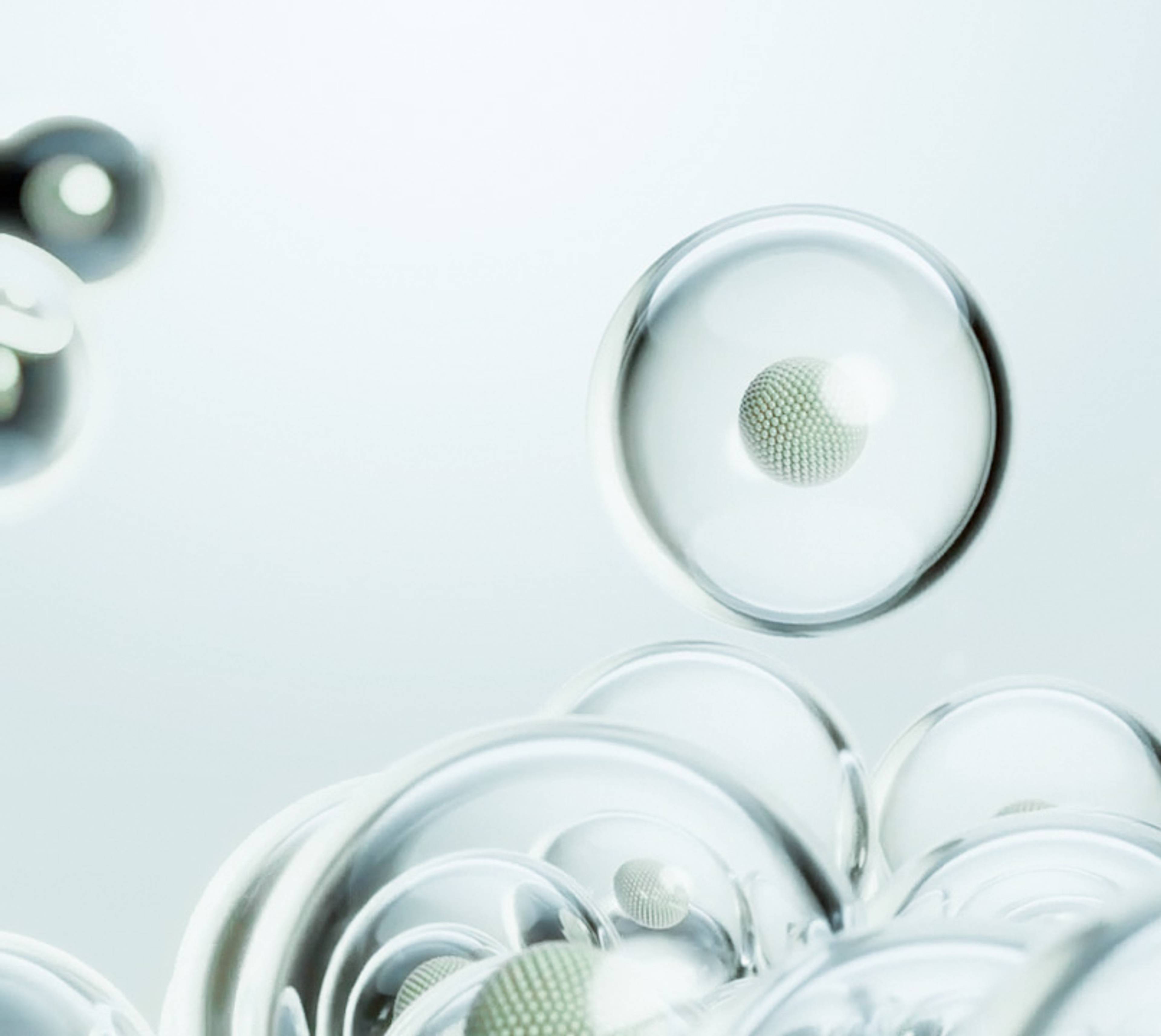
We address this challenge by using liposomal delivery. A liposome is a tiny, microscopic bubble made of phospholipids—the same material that makes up your cell membranes. By wrapping vitamin K2 in a phospholipid bilayer (a double layer of fatty molecules), we allow the nutrient to bypass some of the harsh environments of the gut and be absorbed more directly into the cells. Our Liposomal Vitamin D3 + K2 + CoQ10 is designed with this advanced delivery system.

Are There Any Side Effects of Vitamin K2?

While vitamin K2 is not bad for the liver, like any supplement, it should be used mindfully. Because it is fat-soluble, it can stay in the body longer than water-soluble vitamins like Vitamin C. However, K2 has a very low potential for toxicity.

Most people do not experience side effects when taking vitamin K2 at recommended levels. In very rare cases of extreme excess—usually involving medical-grade injections rather than oral supplements—some people might experience signs of a hard-working liver, such as slight skin discoloration or sweating. However, these are not typical for standard dietary supplementation.

The Importance of Balance

Vitamin K2 works in a delicate balance with other nutrients, specifically Vitamin D3 and Magnesium.

  • Vitamin D3 helps your body absorb calcium from your food.
  • Vitamin K2 tells that calcium where to go.
  • Magnesium helps convert Vitamin D into its active form.

If you take high doses of Vitamin D without Vitamin K2, you run the risk of moving too much calcium into your soft tissues. This is why we almost always recommend taking them together.

Note: If you are taking blood-thinning medications (anticoagulants), it is essential to consult your healthcare provider before taking any form of vitamin K. Because vitamin K helps with blood clotting, it can interfere with the effectiveness of those specific medications.

Building a Routine That Supports Your Liver

Supporting your liver isn't about one "miracle" ingredient; it’s about a consistent, holistic approach. Vitamin K2 is just one piece of the puzzle. To truly support your liver health, consider how your entire routine fits together.

Step 1: Prioritize Quality Over Quantity

Don't just look at the milligrams on a label. Look for the form of the vitamin (MK-7 is often preferred for K2) and the delivery method. A lower dose with high bioavailability is often more effective than a massive dose in a hard-to-absorb tablet.

Step 2: Combine Synergistic Nutrients

As mentioned, K2 is most effective when paired with D3. Our formulations often combine these to ensure your body has the "instruction manual" it needs to handle calcium correctly.

Step 3: Listen to Your Body

Everyone’s biology is unique. While vitamin K2 is generally supportive of liver health, your body may have different needs based on your diet, genetics, and lifestyle. Pay attention to your energy levels, digestion, and general well-being as you introduce new supplements.

Step 4: Focus on Clean Sourcing

The liver has to process every filler, binder, and artificial dye in a supplement. We focus on clean, transparent sourcing with no unnecessary synthetic fillers. This reduces the "toxic load" on your liver, allowing it to focus on its essential functions.

The Long-Term Benefits of Vitamin K2

When you move past the question of whether vitamin K2 is bad for the liver, you can start to appreciate the long-term benefits of this essential nutrient. Consistent intake of high-quality K2 may support:

  1. Bone Density: By activating osteocalcin, K2 helps bind calcium to the bone matrix.
  2. Cardiovascular Health: By preventing arterial calcification, it helps maintain flexible, healthy blood vessels.
  3. Metabolic Support: K2 may help support healthy blood sugar levels already within the normal range.
  4. Healthy Ageing: Proper calcium distribution is a key factor in maintaining mobility and heart health as we age.

By choosing a liposomal format, you are ensuring that your body gets the most out of every drop. This science-forward approach to supplementation is designed to work with your body's natural processes, not against them.

Conclusion

Is vitamin K2 bad for the liver? The evidence points to the contrary. Unless you are using synthetic Vitamin K3 or are on specific blood-thinning medications, vitamin K2 is a safe and potentially beneficial addition to your wellness routine. It serves as a vital protector of your soft tissues and a partner to your liver in maintaining metabolic health.

At Cymbiotika, our mission is to provide you with the cleanest, most bioavailable supplements possible. We believe that when you give your body the right tools in a form it can actually absorb, you empower yourself to live a more vibrant, healthy life. Wellness starts with trust, and we are committed to being a brand you can rely on for transparency and quality, especially within our Healthy Aging Supplements collection.

If you are unsure where to start with your supplement routine, we encourage you to take our Health Quiz. It is designed to help you find a personalized path to wellness based on your unique goals and needs.

Bottom line: Vitamin K2 is a liver-friendly nutrient that supports bone and heart health by managing calcium distribution. Choosing a liposomal delivery system ensures that this fat-soluble vitamin is absorbed effectively without placing unnecessary stress on your digestive system.

FAQ

Does vitamin K2 affect liver enzymes?

For most people, vitamin K2 does not negatively impact liver enzymes. In fact, some studies suggest that maintaining adequate vitamin K levels may support healthy liver function and help maintain enzymes within a normal range, which is part of the broader conversation in What Does Vitamin K2 Do for Your Body and Health?. If you have concerns about your specific liver enzyme levels, it is always best to consult with a healthcare professional.

Can I take vitamin K2 if I have a fatty liver?

Research has indicated that vitamin K intake may actually be a protective factor against metabolic-related fatty liver issues. While vitamin K2 is not a treatment for any condition, it is often considered a supportive nutrient for metabolic and liver health. You should discuss any new supplement with your doctor if you have a pre-existing liver concern.

What is the difference between K2 and the form of vitamin K that is toxic to the liver?

The form of vitamin K associated with liver toxicity is Vitamin K3, also known as menadione. Vitamin K3 is a synthetic version that is rarely used in human supplements today. Natural forms like K1 (from plants) and K2 (from fermented foods) have high safety profiles and are not known to cause liver damage in standard doses, which is why educational guides like The Vital Role of Vitamin K2 MK7 for Daily Wellness can be helpful when comparing forms.

How much vitamin K2 should I take for liver health?

The ideal amount of vitamin K2 can vary depending on your diet and other supplements you are taking, such as Vitamin D3. Most people find support with daily doses ranging from 90 to 180 micrograms of the MK-7 form. Using a liposomal delivery system can help ensure you are getting the most benefit from your dosage through improved absorption.

*These statements have not been evaluated by the Food and Drug Administration. This product is not intended to diagnose, treat, cure, or prevent any disease.

Subscribers get it all

Subscribe today and unlock access to Arise, the ultimate wellness experience.

SAVE BIG

Get over 40% off + FREE shipping on all recurring orders.

FUN FREEBIES

Get free gifts, swag, perks, and more

SAVE BIG

Feel energized & strong with a routine that works!

by / Aug 18, 2026

Back to cart

CONGRATS

Choose Your Free Gift

Choose one complimentary product below.

Are you sure?
Removing will also remove the exclusive discounted item added to your cart.

You're away from a FREE gift!

Add any of the products below to unlock your free gift.

    You've unlocked a FREE gift!

    Thanks for spending $110. Choose one of the three starter kits below.

    Subscribe & Save

    Trusted by 60k+ subscribers

    Your Cart ( items)

    in savings and perks unlocked with your order!

    Free shipping sitewide.

    More subscriptions, more savings

    1

    30% off

    2

    34% off

    3

    38% off

    4

    40% off

    5

    40% off

    Want to save? Add a subscription to get 30% off on it!

    Add items to your cart

    Browse our products and add items to start your order.

    Exclusive Subscriber Offer

    Test 100+
    Biomarkers

    Get tested at a lab near you,
    plus 1 year of Hundred Health

    $199 $49

    You may also like. . .
    You may also like
    60-Day money back guarantee. Exclusions apply.*