Table of Contents
- Introduction
- The Short Answer: How Much Vitamin K2 Is in an Egg?
- Understanding the Different Forms of Vitamin K
- Why Hen Diet Changes the Vitamin K2 in Egg Yolks
- The Role of Vitamin K2 in Your Body
- Bioavailability: Why Formulation and Fat Matter
- Comparing Vitamin K2 Sources
- How to Build a Routine for Optimal K2 Intake
- Factors That Influence Your K2 Needs
- The Quality Standards of Modern Supplements
- Conclusion
- FAQ
Introduction
Many of us reach for eggs as a reliable source of protein and healthy fats to start the day. While they have long been celebrated for their choline and vitamin D content, a specific nutrient called vitamin K2 is now taking center stage. If you have ever wondered exactly how much vitamin K2 is in an egg, the answer is more complex than a single number on a label.
At Cymbiotika, we believe that understanding the nuances of your nutrition is the first step toward a more intentional wellness routine. Vitamin K2 is a fat-soluble nutrient that plays a vital role in how your body manages calcium. Unlike many other vitamins, its concentration in food can vary significantly based on how the food was produced. For a closer look at a formula built around this nutrient pair, explore our Liposomal Vitamin D3 + K2 + CoQ10.
This article explores the vitamin K2 content of eggs, why the quality of the egg matters, and how this nutrient supports your long-term health. We will also discuss the importance of bioavailability—the measure of how well your body absorbs what you consume—and how to ensure you are getting enough K2 through both diet and thoughtful supplementation.
Quick Answer: A single egg yolk typically contains between 67 and 192 micrograms (mcg) of vitamin K2, though some standard commercial eggs may contain as little as 32 mcg. The total amount depends almost entirely on the hen's diet and whether she was raised on pasture or given fortified feed.
The Short Answer: How Much Vitamin K2 Is in an Egg?
The vitamin K2 in an egg is found exclusively in the yolk. If you only eat egg whites, you are missing out on this specific nutrient entirely. Because vitamin K2 is fat-soluble, it requires the healthy fats found in the yolk to be stored and eventually absorbed by your body.
The actual amount of K2 can fluctuate wildly. Research indicates that a single yolk can provide anywhere from 32 mcg to nearly 200 mcg. Why is the range so large? It comes down to the source. Hens that are free to roam and eat a natural diet of greens and insects generally produce eggs with much higher nutrient profiles. Furthermore, many high-quality egg producers now fortify their poultry feed with vitamin K, which directly increases the K2 levels in the eggs you buy.
Bioavailability is a key part of this equation. Even if an egg is packed with nutrients, your body needs to be able to use them. Because the yolk naturally contains lipids (fats), the vitamin K2 in eggs is generally well-absorbed compared to the vitamin K1 found in fibrous vegetables like spinach. If you want to understand this nutrient more deeply, our guide on Why Vitamin K2 is Essential for Your Health Routine is a helpful next read.
Understanding the Different Forms of Vitamin K
To understand why people are searching for the amount of K2 in eggs, we first have to distinguish it from its more common cousin, vitamin K1. While they share a name, they behave very differently once they enter your system.
Vitamin K1 (Phylloquinone)
This is the form most people think of when they hear "vitamin K." It is found in high amounts in leafy greens like kale, collard greens, and broccoli. Its primary job in the body is supporting healthy blood clotting. Your liver uses most of the K1 you eat to ensure your blood can coagulate properly when needed.
Vitamin K2 (Menaquinone)
Vitamin K2 is found in animal products and fermented foods. While it also supports clotting, its most famous role is "calcium steering." It helps activate proteins that move calcium out of your soft tissues (like your arteries) and into your bones and teeth where it belongs.
Key Takeaway: Vitamin K1 is for blood health, while vitamin K2 is primarily for bone and cardiovascular support. Eggs provide K2 in the form of MK-4, which is highly bioavailable and easily recognized by human tissues.
Why Hen Diet Changes the Vitamin K2 in Egg Yolks
You may have noticed that some egg yolks are a pale yellow, while others are a deep, vibrant orange. This color difference is often a visual cue for the nutrient density of the egg. The amount of vitamin K2 in an egg is a direct reflection of the "input" the hen received.
Hens are natural converters. They take vitamin K1 from the grass and plants they eat and chemically convert it into vitamin K2 (specifically the MK-4 subtype) within their own tissues. This K2 is then concentrated in the yolk to provide nutrients for a developing embryo.
Pasture-raised eggs often contain significantly more K2 because the hens have access to a diverse range of vitamins from their natural environment. In contrast, hens kept in confined spaces and fed only basic grain may produce eggs that are lower in K2 unless their feed is specifically fortified with vitamin K. To see how Cymbiotika organizes broader support around long-term wellness, browse the Healthy Aging Supplements collection.
Myth: All eggs provide the same level of vitamins regardless of how the chickens were raised. Fact: Farming practices significantly impact the nutrient density of eggs. Pasture-raised and fortified eggs can have up to four times the vitamin K2 of standard commercial eggs.
The Role of Vitamin K2 in Your Body
Why should you care if your morning scramble has 30 mcg or 100 mcg of K2? It comes down to how your body manages minerals. We often hear that we need more calcium for strong bones, but calcium cannot do the job alone.
Support for Bone Density
Your bones are living tissue that constantly break down and rebuild. Vitamin K2 activates a protein called osteocalcin. This protein acts like a "glue" that binds calcium to the bone matrix. Without enough K2, the calcium you consume might circulate in your bloodstream instead of strengthening your skeleton.
Cardiovascular Maintenance
One of the most critical roles of K2 is supporting the health of your arteries. It activates the Matrix Gla-protein (MGP), which helps prevent calcium from depositing in the walls of your blood vessels. By keeping your arteries flexible and clear of mineral buildup, K2 supports overall heart health and circulation.
Synergy with Vitamin D3
Vitamin D3 and K2 are a powerful pair. Vitamin D3 helps your body absorb calcium from your gut into your blood. Once that calcium is in the blood, vitamin K2 takes over to ensure it reaches your bones. Taking one without the other can sometimes lead to an imbalance where calcium levels are high in the blood but low in the bones. For more on how these nutrients work together, read The Vital Synergy of Vitamin D3 and K2.
Bioavailability: Why Formulation and Fat Matter
At our core, we believe that it is not just about what you take—it is about what you absorb. Bioavailability is the degree to which a nutrient becomes available to the target tissue after administration.
Standard supplements often use cheap fillers or compressed tablets that the body struggles to break down. Even with food, the matrix of the food matters. Vitamin K2 is fat-soluble. This is why the egg yolk is such an effective delivery system; the natural fats in the yolk act as a carrier for the vitamin.
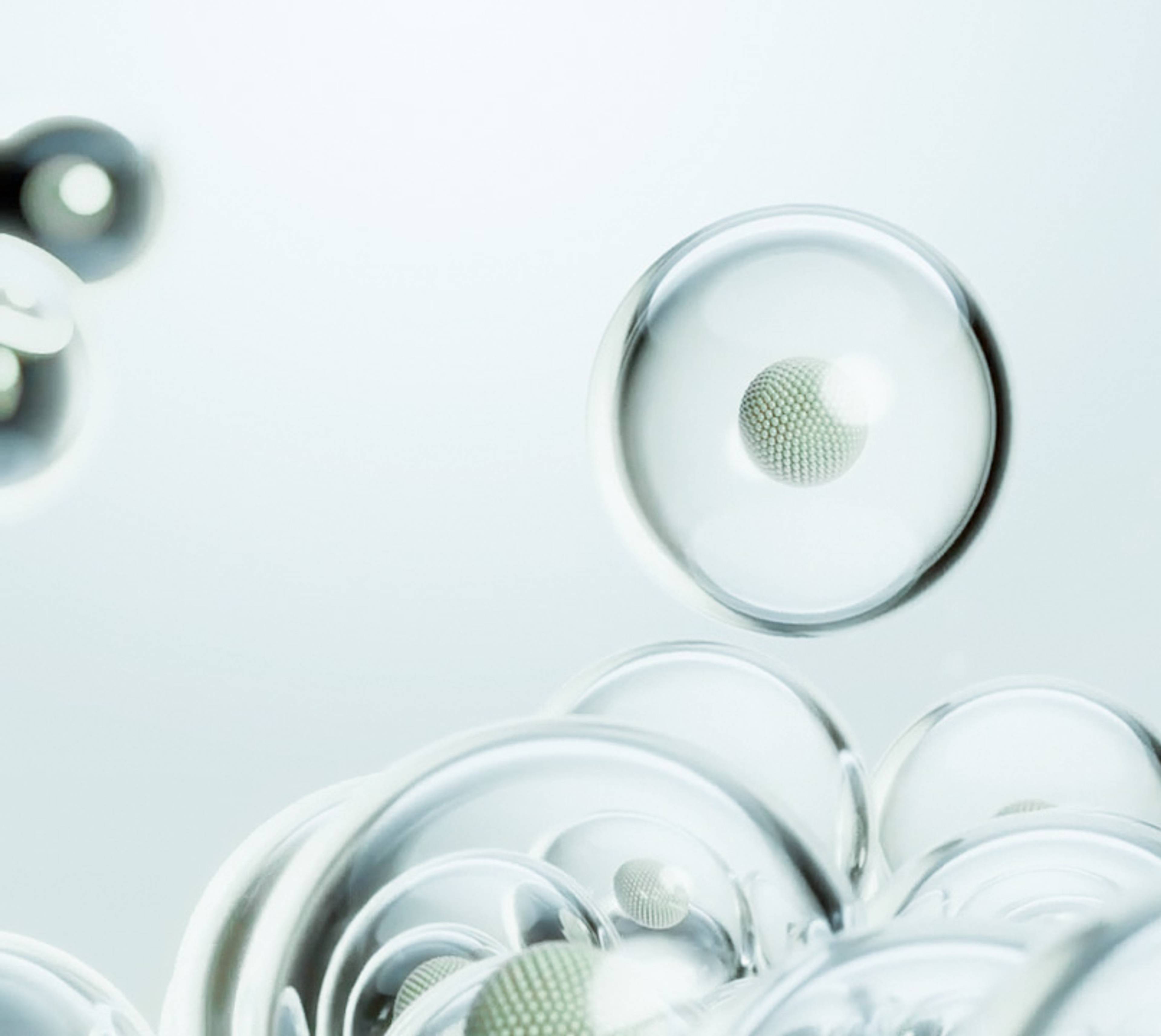
Liposomal delivery is a modern way to mirror this natural efficiency. A liposome is a tiny, microscopic bubble made of phospholipids—the same material that makes up your own cell membranes. By wrapping a nutrient like vitamin K2 in a liposomal shell, we allow it to bypass the harsh environment of the digestive system and be absorbed directly into the bloodstream.
Our Liposomal Vitamin D3 + K2 + CoQ10 is designed with this specific logic in mind. By using a phospholipid bilayer (a double layer of fats that protects the nutrient), we support the absorption of K2 at the cellular level. This ensures that the nutrients you pay for actually end up supporting your bones and heart.
Bottom line: Whether you get K2 from eggs or a supplement, it must be paired with healthy fats or a liposomal delivery system to be truly effective.
Comparing Vitamin K2 Sources
While eggs are a convenient source of K2, they are not the only ones. If you are looking to balance your intake, it helps to know how other foods compare.
| Food Source | Vitamin K2 Content (Approx. per 100g) | Form of K2 |
|---|---|---|
| Natto (Fermented Soy) | 900–1,100 mcg | MK-7 |
| Goose Liver | 369 mcg | MK-4 |
| Hard Cheeses (Gouda, Edam) | 35–75 mcg | MK-4 to MK-9 |
| Egg Yolk | 15–30 mcg (per yolk) | MK-4 |
| Chicken (Dark Meat) | 10–15 mcg | MK-4 |
| Sauerkraut | 2–5 mcg | MK-7 |
A note on MK-4 vs. MK-7: Eggs provide MK-4, which has a shorter half-life in the body, meaning it is used quickly. Natto and other fermented foods provide MK-7, which stays in your system longer. A combination of both forms is often considered ideal for comprehensive support. If you are interested in a deeper explanation of MK-7 specifically, you may also like The Vital Role of Vitamin K2 MK7 for Daily Wellness.
How to Build a Routine for Optimal K2 Intake
Building a wellness routine does not have to be complicated. It is about making small, consistent choices that add up over time. If you want to maximize your K2 levels, follow these practical steps.
Step 1: Source your eggs wisely
Look for "pasture-raised" or "organic" labels. If possible, buy from local farmers where you can verify that the hens spend time outdoors. The deeper the orange of the yolk, the more likely it is to be rich in K2 and other fat-soluble vitamins.
Step 2: Don't skip the fat
If you are eating K2-rich foods, do not pair them with a fat-free diet. The presence of healthy fats—like those in the egg yolk itself, or from avocado and olive oil—is necessary for the vitamin to be transported through your intestinal wall.
Step 3: Combine with Vitamin D
Since D3 and K2 work in tandem, try to eat your eggs with a side of mushrooms (a plant source of D) or ensure your supplement routine includes both. This ensures the calcium in your diet is being managed correctly.
Step 4: Consider a high-quality supplement
For many people, eating enough natto or high-quality organ meats is not realistic every day. A liposomal supplement can provide a consistent, measurable dose of K2 to fill the gaps in your diet. This is especially helpful during winter months when natural vitamin D levels from sunlight are lower. If you want help tailoring a routine, the Health Quiz can point you in the right direction.
Factors That Influence Your K2 Needs
Not everyone requires the same amount of vitamin K2. Your lifestyle and health goals will dictate how much you should prioritize this nutrient in your diet.
1. Age and Bone Health As we age, our bone density naturally begins to decline. Many adults find that increasing their K2 intake helps them maintain their skeletal strength. This is particularly important for post-menopausal women, who may experience more rapid changes in bone mineralization.
2. Digestive Health Your gut bacteria actually produce a small amount of vitamin K2 on their own. However, if your gut microbiome is out of balance due to poor diet or stress, this internal production may decrease. Supporting your gut with fermented foods and probiotics can indirectly help your K2 status.
3. Use of Certain Medications Some medications can interfere with how vitamin K works in the body. For example, certain blood thinners are designed to block vitamin K to prevent clotting. If you are taking any prescription medication, it is essential to speak with your healthcare provider before significantly increasing your vitamin K2 intake from eggs or supplements.
The Quality Standards of Modern Supplements
When choosing how to supplement your K2, transparency matters. We live in an era where "proprietary blends" often hide low-quality ingredients. We believe that you deserve to know exactly what is going into your body.
This is why we focus on third-party testing and GMP-aligned manufacturing. When you look at our formulations, you will see clean ingredients without synthetic fillers. We use organic and wild-crafted sourcing whenever possible because we know that the "input" matters for the supplement just as much as it matters for the hen laying the egg. For related antioxidant support, you can also explore Liposomal Vitamin C.
Choosing a supplement should feel like an extension of your healthy diet—not a replacement for it. By combining high-quality foods like pasture-raised eggs with science-forward supplementation, you create a robust foundation for your health. If you want to compare another wellness staple, Liposomal Glutathione is another place to start.
Conclusion
Vitamin K2 is an essential but often overlooked piece of the wellness puzzle. While the amount of vitamin K2 in an egg can range from 32 to 192 mcg, the quality of that egg is the deciding factor. By choosing eggs from hens raised on pasture and incorporating other K2-rich foods like fermented vegetables, you can support your bones and your cardiovascular system.
Consistency is more important than intensity. You do not need to eat a dozen eggs a day to see the benefits. Instead, focus on a balanced routine that prioritizes high-bioavailability nutrients. Whether through whole foods or advanced liposomal delivery, ensuring your body can actually use the vitamins you consume is the key to feeling your best.
Cymbiotika is here to help you navigate these choices with transparency and science-backed information. If you are unsure where to start with your routine, our Health Quiz is a great tool to help you find the specific nutrients your body might be craving.
Key Takeaway: To get the most K2 from your eggs, prioritize pasture-raised sources and never skip the yolk. For a more consistent intake, consider a liposomal D3/K2 supplement to support bone and heart health.
FAQ
Does cooking eggs destroy the vitamin K2?
Vitamin K2 is relatively heat-stable, meaning most of it will survive the cooking process. Whether you boil, poach, or fry your eggs, the K2 content remains largely intact, provided you do not overcook the yolks to the point of extreme oxidation.
Is there vitamin K2 in egg whites?
No, vitamin K2 is a fat-soluble vitamin and is found exclusively in the fatty portion of the egg, which is the yolk. Egg whites are a great source of protein but do not contain any significant amounts of K2, D, or A.
How many eggs should I eat to get my daily K2?
There is no officially established RDA specifically for vitamin K2, but many experts suggest 100–200 mcg daily for bone support. Depending on the quality of the egg, eating two or three high-quality eggs could provide a significant portion of that goal.
Can I get too much vitamin K2 from eggs?
Vitamin K2 has a very low potential for toxicity, and it is difficult to consume "too much" through food alone. However, because it affects blood clotting, you should always consult your doctor if you are taking blood-thinning medications before making eggs a major part of your daily routine.
*These statements have not been evaluated by the Food and Drug Administration. This product is not intended to diagnose, treat, cure, or prevent any disease.