Sep 19, 2026

How to Get Vitamin K2 Naturally for Better Health

Table of Contents

  1. Introduction
  2. The Difference Between Vitamin K1 and K2
  3. Why Bioavailability Matters for Vitamin K2
  4. The Best Natural Food Sources of Vitamin K2
  5. The Role of the Gut Microbiome
  6. How to Maximize K2 Absorption
  7. Building a Routine for Vitamin K2
  8. Common Obstacles to Vitamin K2 Status
  9. The Cymbiotika Mission
  10. Conclusion
  11. FAQ

Introduction

You may have spent years focusing on Vitamin C for immunity or Vitamin D for mood. Yet, there is a quiet hero in the world of fat-soluble vitamins that often goes overlooked. Vitamin K2 is a specific form of Vitamin K that plays a vital role in how your body manages calcium. While Vitamin K1 is easy to find in a salad, Vitamin K2 is much rarer in the modern Western diet.

At Cymbiotika, we believe that understanding the nuance of nutrition is the first step toward true vitality. Many people assume all Vitamin K is the same, but K1 and K2 perform very different tasks within your system. This article will explore the best natural food sources of K2, the role of your gut health in its production, and how to ensure your body actually absorbs what you consume.

We will break down the science of menaquinones and provide practical steps to help you build a routine that supports your long-term wellness. By the end of this guide, you will know exactly how to get Vitamin K2 naturally and why bioavailability is the key to making it count. For more background, explore this guide to why Vitamin K2 matters in a daily wellness routine.

Quick Answer: You can get Vitamin K2 naturally by consuming fermented foods like natto and sauerkraut, or high-quality animal products like pasture-raised egg yolks, grass-fed butter, and organ meats. Supporting your gut microbiome also allows your internal bacteria to synthesize small amounts of K2.
The Difference Between Vitamin K1 and K2

To understand how to get Vitamin K2, you must first distinguish it from its more famous sibling, Vitamin K1. Both belong to the same family of fat-soluble vitamins, but they serve different functions and come from different places.

Vitamin K1, or phylloquinone, is primarily found in green leafy vegetables. Its main job is to support healthy blood clotting. Because most people eat at least some greens, K1 deficiency is relatively rare.

Vitamin K2, or menaquinone, is found in fermented foods and animal products. While K1 stays mostly in the liver, K2 travels to other tissues like your bones and the walls of your blood vessels. Its primary role is calcium regulation. It helps "direct" calcium into your bones where it belongs and keeps it out of your soft tissues and arteries.

Types of Vitamin K2: MK-4 and MK-7

Vitamin K2 is not just one molecule. It is a group of compounds called menaquinones, labeled from MK-4 to MK-13. The two most important types for human health are MK-4 and MK-7.

MK-4 is the form typically found in animal products like meat and eggs. It has a short half-life, meaning your body uses it quickly. MK-7 is produced by bacteria during the fermentation process. It stays in your bloodstream much longer than MK-4, giving your body more time to utilize its benefits.

Key Takeaway: Vitamin K1 manages blood clotting, while Vitamin K2 manages calcium distribution. Focus on MK-7 from fermented sources for longer-lasting support in the body.

Why Bioavailability Matters for Vitamin K2

You are not just what you eat; you are what you absorb. This is the concept of bioavailability. Bioavailability is the degree and rate at which a nutrient is absorbed into your circulatory system to be used by your cells. For additional education, read this guide to liposomal delivery and bioavailability.

Vitamin K2 is fat-soluble. This means it requires healthy fats to be transported across the gut lining. If you eat K2-rich foods without a source of fat, much of that nutrient may simply pass through your system without being used.

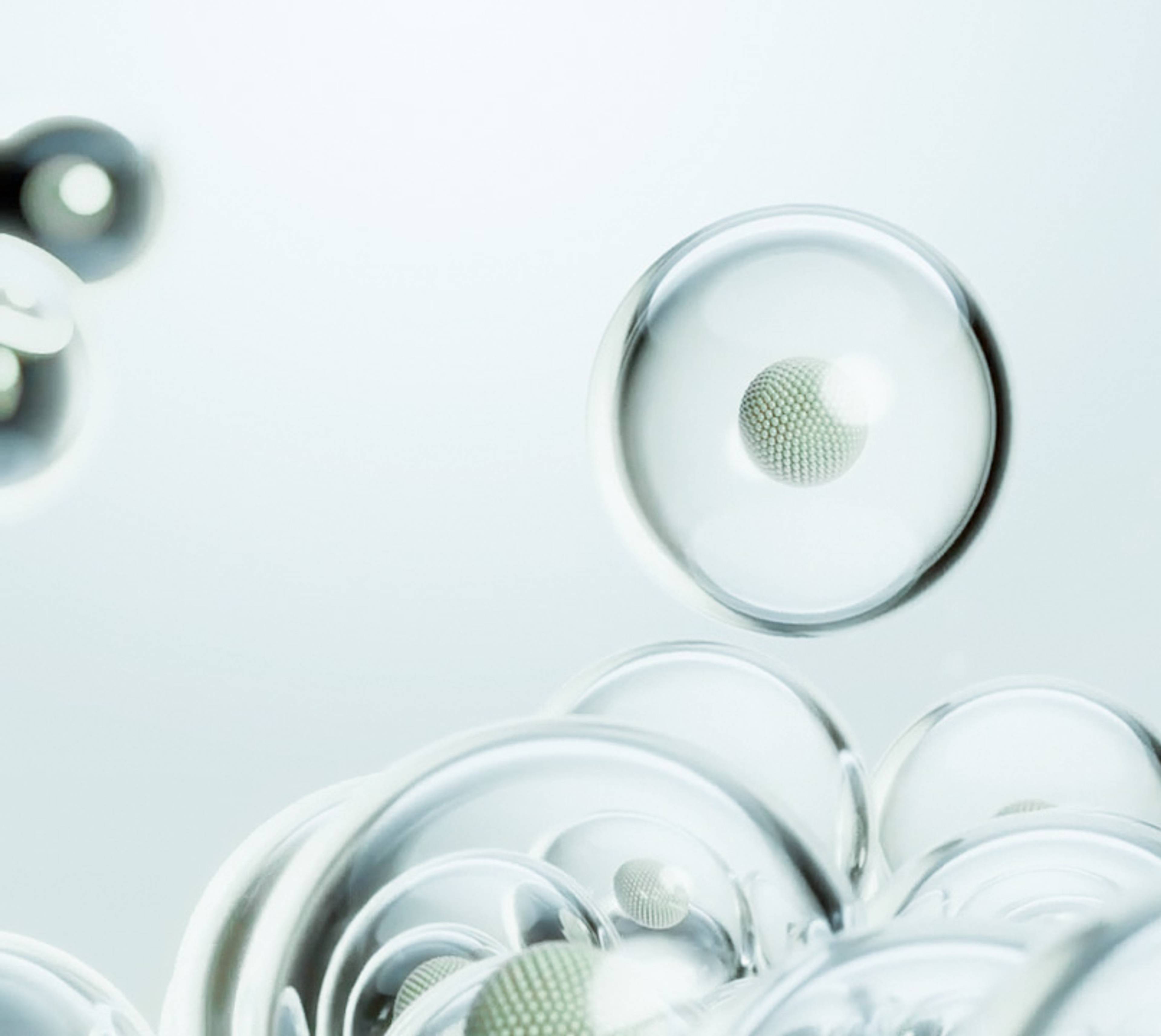
Furthermore, the form of the vitamin dictates its effectiveness. Standard synthetic vitamins in hard tablet form often have low bioavailability because the body struggles to break down the binders and fillers. This is why we prioritize liposomal delivery in our formulations. Liposomal delivery involves encasing the nutrient in a phospholipid bilayer—a tiny bubble of healthy fats that mimics your own cell membranes. This allows the nutrient to bypass the harsh environment of the stomach and reach the bloodstream more efficiently.

The Best Natural Food Sources of Vitamin K2

If you want to increase your K2 levels through your diet, you need to look beyond the vegetable drawer. Because K2 is synthesized by bacteria or converted by animals, the sources are specific.

1. Natto (The Richest Source)

Natto is a traditional Japanese dish made from fermented soybeans. It is, by far, the most concentrated source of Vitamin K2 (specifically MK-7) available. A single tablespoon can provide significantly more than the daily recommended intake of Vitamin K.

Natto has a unique, sticky texture and a strong, pungent flavor. While it may be an acquired taste for some, its nutritional profile is unmatched. If you can incorporate it into your diet once or twice a week, your K2 levels will likely remain robust.

2. Fermented Cheeses

Not all cheese is created equal when it comes to K2. The vitamin is produced by the bacteria used in the fermentation and aging process.

  • Gouda and Edam: These are among the highest sources of K2.
  • Jarlsberg: This Norwegian cheese is particularly well-known for its K2 content.
  • Brie and Camembert: These soft cheeses provide a moderate amount of K2.

Always look for aged cheeses, as the concentration of menaquinones increases over time.

3. Pasture-Raised Egg Yolks

Eggs are a convenient way to get MK-4. However, the lifestyle of the chicken matters immensely. Chickens that roam on pasture and eat grass produce eggs with significantly higher K2 levels than those raised in cages on grain-only diets. This is because the hens convert the K1 in the grass into K2 in their tissues and eggs.

4. Grass-Fed Butter and Ghee

Similar to eggs, the K2 content in dairy depends on the animal's diet. Grass-fed butter and ghee are excellent sources of K2. The healthy fats in butter also act as a natural delivery system, helping your body absorb the vitamin more effectively.

5. Organ Meats

Beef liver and chicken liver are nutritional powerhouses. They contain high levels of MK-4, along with Vitamin A, B vitamins, and essential minerals. While organ meats are less common in modern diets, even small amounts added to meals can make a big difference in your nutrient status.

6. Sauerkraut and Kimchi

Fermented vegetables like sauerkraut and kimchi provide K2, though in lower amounts than natto or cheese. These foods also support your gut health by providing probiotics. A healthy gut is essential for your body’s own internal production of Vitamin K2. For more ideas about supporting the microbiome, explore Cymbiotika’s Gut Health collection.

Food Source Type of K2 Concentration
Natto MK-7 Very High
Hard Cheeses (Gouda) MK-7/MK-9 High
Chicken Liver MK-4 Moderate
Pasture-Raised Eggs MK-4 Moderate
Grass-Fed Butter MK-4 Low/Moderate
Sauerkraut MK-7 Low

The Role of the Gut Microbiome

Your body has a built-in factory for Vitamin K2. The beneficial bacteria living in your large intestine can actually synthesize several forms of menaquinone.

However, this internal production is usually not enough to meet all your needs. Most of the K2 produced in the gut is excreted rather than absorbed, as the absorption of fat-soluble vitamins primarily happens in the small intestine.

Despite this, maintaining a diverse and healthy microbiome is still crucial. A balanced gut helps ensure that the K2 you eat is properly processed. Using antibiotics or consuming a diet high in processed sugars can disrupt these bacteria, potentially leading to lower K2 levels over time. Learn more about building a daily routine in this guide to choosing a gut health supplement.

Myth: You can get all the Vitamin K2 you need from eating spinach.
Fact: Spinach contains Vitamin K1, but very little K2. Your body can convert a small amount of K1 to K2, but this process is highly inefficient. You must consume K2-rich foods or supplements to maintain optimal levels.

How to Maximize K2 Absorption

To get the most out of your K2 intake, you should follow a few simple strategies. These habits ensure that the nutrients you consume actually reach your cells.

Pair with Healthy Fats

Since Vitamin K2 is fat-soluble, always eat your K2-rich foods with a source of fat. If you are eating sauerkraut, add a drizzle of olive oil. If you are taking a supplement, take it with your largest meal of the day.

Understand the Vitamin D3 Connection

Vitamin D3 and Vitamin K2 work as a team. Vitamin D3 helps your body absorb calcium from your diet. Once that calcium is in your bloodstream, Vitamin K2 takes over and directs it into your bones.

If you take high doses of Vitamin D without enough K2, you may end up with too much calcium circulating in your blood, which can lead to calcification in the wrong places. This synergy is why we designed our Liposomal Vitamin D3 + K2 + CoQ10. We combine these ingredients into a single, highly bioavailable formula to ensure your body handles calcium safely and effectively.

Support Your Liver and Gallbladder

Your liver produces bile, which is stored in the gallbladder. Bile is essential for breaking down fats and fat-soluble vitamins like K2. If your liver health is compromised or your bile flow is sluggish, you may struggle to absorb Vitamin K2 regardless of how much you eat. Including bitter greens, ginger, and lemon in your diet can help support healthy bile production.

Building a Routine for Vitamin K2

Getting enough Vitamin K2 does not require a complete lifestyle overhaul. It is about making small, consistent choices that add up over time.

Step 1: Audit your dairy and eggs.
Switch from conventional eggs and butter to pasture-raised and grass-fed versions. This is one of the easiest ways to increase your MK-4 intake without changing your recipes.

Step 2: Add one fermented food daily.
Whether it is a spoonful of sauerkraut with dinner or a serving of kefir in the morning, fermented foods provide the MK-7 your body needs for long-lasting support.

Step 3: Consider high-quality supplementation.
If you do not enjoy fermented soy or organ meats, it can be difficult to reach optimal K2 levels through food alone. A liposomal supplement can bridge the gap. Our liposomal delivery system ensures that the K2 is protected during digestion, significantly increasing its bioavailability compared to standard capsules. You can also explore the broader Healthy Aging collection for related wellness support.

Key Takeaway: Wellness is about consistency. By pairing nutrient-dense foods with advanced delivery methods, you ensure your body has the tools it needs to thrive.

Common Obstacles to Vitamin K2 Status

Even if you are trying to eat well, certain factors can interfere with your K2 levels.

  • Low-Fat Diets: If you avoid fats entirely, your body cannot absorb K2.
  • Digestive Issues: Challenges with fat malabsorption or gut dysbiosis can limit how much K2 you get from food.
  • Medication Interactions: Some medications, particularly certain blood thinners, interfere with how Vitamin K works in the body. If you are taking medication, always consult your healthcare provider before significantly increasing your Vitamin K intake.
  • Soil Depletion: Modern farming practices have reduced the nutrient density of the plants that animals eat, which in turn reduces the K2 found in their meat and dairy. This is why sourcing from regenerative, grass-fed farms is so important.

The Cymbiotika Mission

At Cymbiotika, we believe that true wellness starts with trust and transparency. We don't just want to provide supplements; we want to provide the education you need to take control of your health journey.

Our approach is rooted in science and driven by a commitment to quality. We avoid synthetic fillers and prioritize ingredients that the body can actually recognize and use. By focusing on bioavailability, we ensure that every drop of our liposomal formulas delivers maximum value to your cells.

If you are unsure where to start with your wellness routine, we invite you to take our Health Quiz. It is designed to provide personalized recommendations based on your unique goals and lifestyle, helping you build a stack that actually works for you.

Conclusion

Vitamin K2 is a critical piece of the health puzzle, particularly for those focused on bone and heart wellness. By incorporating fermented foods like natto, choosing pasture-raised animal products, and supporting your gut health, you can naturally increase your K2 levels.

Remember that the quality of your sources matters as much as the quantity. Look for grass-fed and traditionally fermented options to ensure you are getting the most active forms of this vitamin. When diet isn't enough, look for supplements that prioritize absorption through liposomal technology.

  • Prioritize MK-7 for its longer half-life in the body.
  • Always eat K2 with fat to ensure proper absorption.
  • Balance your K2 with Vitamin D3 for optimal calcium management.

"True health is not an overnight achievement; it is the result of small, intentional habits practiced every single day."

To discover which nutrients your body needs most, take the Cymbiotika Health Quiz today and start building a routine you can trust.

FAQ

Can I get enough Vitamin K2 from being a vegetarian?

Yes, vegetarians can get Vitamin K2 from fermented dairy products like aged cheeses and kefir, or from fermented plant foods like natto and sauerkraut. However, because K2 is mostly found in animal fats and fermented soy, vegans may find it more challenging to reach optimal levels through diet alone and might benefit from a high-quality supplement.

How much Vitamin K2 should I take daily?

There is no specific US Recommended Dietary Allowance (RDA) just for Vitamin K2; it is currently grouped with Vitamin K1. However, many wellness experts suggest that 90 to 180 micrograms of MK-7 per day may support healthy bone and heart function. Always consult with a healthcare professional to find the right amount for your specific needs.

Is it possible to take too much Vitamin K2?

Vitamin K2 has a very low potential for toxicity because the body does not store it in large amounts like other fat-soluble vitamins. There is currently no established upper limit for K2. However, because it plays a role in blood health, those on certain medications should monitor their intake carefully with a doctor.

Does cooking food destroy Vitamin K2?

Vitamin K2 is relatively heat-stable, meaning it is not easily destroyed by standard cooking temperatures. You can cook with grass-fed butter or include fermented cheeses in warm dishes without losing significant amounts of the vitamin. However, the probiotic benefits of fermented foods like sauerkraut are lost if they are heated to high temperatures.

*These statements have not been evaluated by the Food and Drug Administration. This product is not intended to diagnose, treat, cure, or prevent any disease.

Subscribers get it all

Subscribe today and unlock access to Arise, the ultimate wellness experience.

SAVE BIG

Get over 40% off + FREE shipping on all recurring orders.

FUN FREEBIES

Get free gifts, swag, perks, and more

SAVE BIG

Feel energized & strong with a routine that works!

by / Sep 19, 2026

Back to cart

CONGRATS

Choose Your Free Gift

Choose one complimentary product below.

Are you sure?
Removing will also remove the exclusive discounted item added to your cart.

You're away from a FREE gift!

Add any of the products below to unlock your free gift.

    You've unlocked a FREE gift!

    Thanks for spending $110. Choose one of the three starter kits below.

    Subscribe & Save

    Trusted by 60k+ subscribers

    Your Cart ( items)

    in savings and perks unlocked with your order!

    Free shipping sitewide.

    More subscriptions, more savings

    1

    30% off

    2

    34% off

    3

    38% off

    4

    40% off

    5

    40% off

    Want to save? Add a subscription to get 30% off on it!

    Add items to your cart

    Browse our products and add items to start your order.

    Exclusive Subscriber Offer

    Test 100+
    Biomarkers

    Get tested at a lab near you,
    plus 1 year of Hundred Health

    $199 $49

    You may also like. . .
    You may also like
    60-Day money back guarantee. Exclusions apply.*