Table of Contents
- Introduction
- Understanding the Vitamin K Family
- How Blood "Thinners" Actually Work
- The Interaction: Does Vitamin K2 Interfere with Blood Thinners?

- Why People Seek Vitamin K2 Despite the Risks
- The Bioavailability Factor: The Cymbiotika Difference
- Practical Guidance: Navigating Your Routine
- Integrating Other Supportive Nutrients
- Addressing Common Myths
- Real-World Scenarios: Managing Wellness on the Go
- The Importance of Professional Consultation
- Our Commitment to Your Journey
- Conclusion
- Frequently Asked Questions
Introduction
Have you ever wondered if the very supplements designed to support your longevity could be working against your prescribed medications? It is a common dilemma: you are proactive about your heart and bone health, yet you are also following a medical regimen that includes anticoagulants, often referred to as blood thinners. The relationship between Vitamin K2 and these medications is one of the most frequently searchedâand often misunderstoodâtopics in the world of wellness. While Vitamin K is famous for its role in blood clotting, the specific nuances of Vitamin K2 (menaquinone) and how it interacts with different types of "blood thinners" are critical for anyone looking to maintain a balanced, science-forward health routine.
In this article, we will explore the biological mechanisms of Vitamin K2, distinguish between the various forms of anticoagulants, and address the central question of whether Vitamin K2 interferes with these medications. We will also dive into the importance of bioavailability, the role of Vitamin K2 in supporting everyday balance, and how we at Cymbiotika approach formulation with transparency and precision. By the end of this guide, you will have a clearer understanding of how to navigate supplementation while keeping your health goals and safety at the forefront. Our mission is to empower you with the knowledge needed to make informed choices, ensuring that your wellness routine supports your bodyâs unique needs without unnecessary guesswork.
Understanding the Vitamin K Family
To understand the interaction between Vitamin K2 and blood thinners, we must first clear up a common misconception: Vitamin K is not a single nutrient. It is a family of fat-soluble vitamins, each with distinct roles and behaviors within the body. Historically, science viewed Vitamin K as a singular entity primarily responsible for "koagulation" (the German word from which the "K" is derived). However, modern research has revealed a much more complex picture.
Vitamin K1 (Phylloquinone)
Vitamin K1 is the form most commonly found in our diets, specifically in leafy green vegetables like kale, spinach, and broccoli. Its primary responsibility is supporting the liverâs production of clotting factors. When you consume Vitamin K1, the liver absorbs the vast majority of it to ensure your blood can clot properly when you experience an injury. Because the liver "hoards" K1 for clotting purposes, very little of it reaches other tissues like your bones or blood vessel walls.
Vitamin K2 (Menaquinone)
Vitamin K2 is found in fermented foods, such as natto, and certain animal products like high-fat dairy and egg yolks. Unlike K1, Vitamin K2 is highly bioavailable and stays in the bloodstream much longer. This extended presence allows it to travel beyond the liver and support tissues throughout the entire body. Vitamin K2 is often categorized by its side-chain length, with MK-4 and MK-7 being the most well-studied forms.
At Cymbiotika, we emphasize that not all supplements are created equal. The bioavailability of a nutrientâhow well your body can actually absorb and utilize itâis the core differentiator of our approach. Our Liposomal Vitamin D3 + K2 + CoQ10 is designed with this in mind, utilizing advanced delivery methods to ensure that these fat-soluble vitamins are effectively absorbed by your system.
How Blood "Thinners" Actually Work
The term "blood thinner" is technically a misnomer. These medications do not actually change the thickness or viscosity of your blood. Instead, they interfere with the chemical process that causes blood to form a clot. This is an essential distinction when discussing Vitamin K2.
There are two primary categories of these medications, and they interact with Vitamin K in very different ways:
- Vitamin K Antagonists (VKAs): The most well-known example is warfarin (often sold under the brand name Coumadin). These drugs work by blocking the enzyme responsible for recycling Vitamin K in the body. By reducing the available pool of Vitamin K, the drug prevents the liver from producing certain clotting factors, thereby slowing down the coagulation process.
- Direct Oral Anticoagulants (DOACs): These are newer medications, such as apixaban and rivaroxaban. Unlike warfarin, they do not target Vitamin K. Instead, they block specific proteins (like Factor Xa or thrombin) directly in the blood-clotting cascade.
Understanding which category your medication falls into is the first step in determining if Vitamin K2 might pose a concern.
The Interaction: Does Vitamin K2 Interfere with Blood Thinners?
The short answer is: it depends entirely on the type of medication you are taking.
Vitamin K2 and Warfarin (VKAs)
Because warfarin works specifically by inhibiting Vitamin K, adding Vitamin K2 into your routine can directly interfere with the drug's effectiveness. When you take a Vitamin K2 supplement, you are essentially providing the body with the very nutrient the medication is trying to block. This can "override" the medication, potentially causing your blood to clot more easily than your healthcare provider intends.
Research has shown that even relatively small doses of Vitamin K2 (as low as 10 to 20 mcg of the MK-7 form) can influence the International Normalized Ratio (INR), which is the standard measurement of how quickly your blood clots. Because MK-7 stays in the body longer than K1, its interference can be more persistent and harder to manage if your intake is inconsistent.
Vitamin K2 and DOACs
For those taking newer anticoagulants like Eliquis or Xarelto, the interaction is much less direct. Since these drugs do not rely on the Vitamin K pathway to function, Vitamin K2 is generally not considered to interfere with their primary mechanism of action. However, because these medications are still managing the delicate balance of coagulation, we always recommend that you consult with a healthcare professional before adding any new supplement to your routine.
"Consistency is the most important factor when managing the relationship between Vitamin K and anticoagulants. Sudden spikes or drops in Vitamin K intake can lead to unpredictable changes in how your medication performs."
Why People Seek Vitamin K2 Despite the Risks
If Vitamin K2 carries a risk of interference for some, why is it so highly regarded in the wellness community? The reason lies in its unique ability to support everyday balance and long-term health in ways that Vitamin K1 cannot.
Supporting Bone Health
Vitamin K2 acts as a biological "traffic cop" for calcium. It activates a protein called osteocalcin, which helps direct calcium out of the bloodstream and into the bone matrix where it belongs. Many people find that supporting this process helps them maintain bone density as they age. This is particularly important because long-term use of certain medications can sometimes have unintended effects on bone health.
Cardiovascular Resilience
One of the most exciting areas of Vitamin K2 research involves its role in arterial health. Vitamin K2 activates Matrix Gla Protein (MGP), which helps prevent calcium from depositing in the walls of your arteries. By keeping calcium in the bones and out of the soft tissues, Vitamin K2 may support cardiovascular flexibility and overall resilience.
For those looking to support their heart and metabolic health holistically, we offer a range of targeted formulas. Our Metabolic Health and Liver Health+ supplements are designed to work in harmony with a balanced lifestyle, focusing on the foundational pillars of wellness.
The Bioavailability Factor: The Cymbiotika Difference
At Cymbiotika, wellness starts with trust and ends with results. We believe in transparencyâno hidden ingredients, fillers, or unnecessary additives. When it comes to Vitamin K2, the form and delivery method are just as important as the dose.
Our advanced liposomal delivery approach is designed with absorption in mind. Liposomes are tiny lipid bubbles that protect nutrients as they pass through the digestive system, allowing them to reach the bloodstream more efficiently. This is especially vital for fat-soluble nutrients like Vitamin K2 and Vitamin D3. By focusing on bioavailability, we help our community reduce the guesswork of supplementation.
Furthermore, all our products undergo rigorous third-party testing for purity and potency. We adhere to non-GMO standards and organic or wild-crafted sourcing whenever possible. This commitment to quality ensures that when you choose a Cymbiotika product, you are getting exactly what is on the labelâand nothing you don't need.
Practical Guidance: Navigating Your Routine
If you are currently taking a blood thinner and are considering Vitamin K2, here is a practical approach to help you manage your routine safely:
1. Identify Your Medication
Check the name of your prescription. Is it a Vitamin K antagonist like warfarin, or is it a DOAC? This information is vital for your healthcare provider to give you accurate advice.
2. Prioritize Consistency
If you and your doctor decide that Vitamin K2 is appropriate for you, the key is to keep your intake consistent. Sudden changesâlike starting a high-dose supplement one week and stopping it the nextâare what cause the most significant fluctuations in blood-clotting parameters.
3. Start Low and Go Slow
When introducing new elements into your wellness routine, it is often best to start with a lower serving size to see how your body responds. Always follow the label instructions on your supplements and monitor your body's feedback.
4. Personalize Your Approach
Wellness is not a one-size-fits-all journey. For those who are unsure where to begin or which formats match their lifestyle (whether it be our convenient travel-friendly pouches or our liquid formulas), we recommend taking The Health Quiz. This tool helps you build a routine tailored to your specific goals, such as energy, focus, or recovery.
Integrating Other Supportive Nutrients
While Vitamin K2 is a powerful ally for bone and heart health, it is often most effective when paired with other foundational nutrients. A comprehensive wellness routine looks at the body as an interconnected system.
Vitamin D3
Vitamin D3 and K2 work in perfect synergy. While D3 helps your body absorb calcium from your diet, K2 ensures that calcium is utilized correctly. Our Liposomal Vitamin D3 + K2 + CoQ10 provides this combination in a highly bioavailable format.
Magnesium
Magnesium is a vital cofactor for over 300 biochemical reactions in the body, including those that regulate calcium and Vitamin D metabolism. Many people find that adding a Magnesium Complex to their evening routine helps support daily resilience and sleep quality.
Gut Health and Immunity
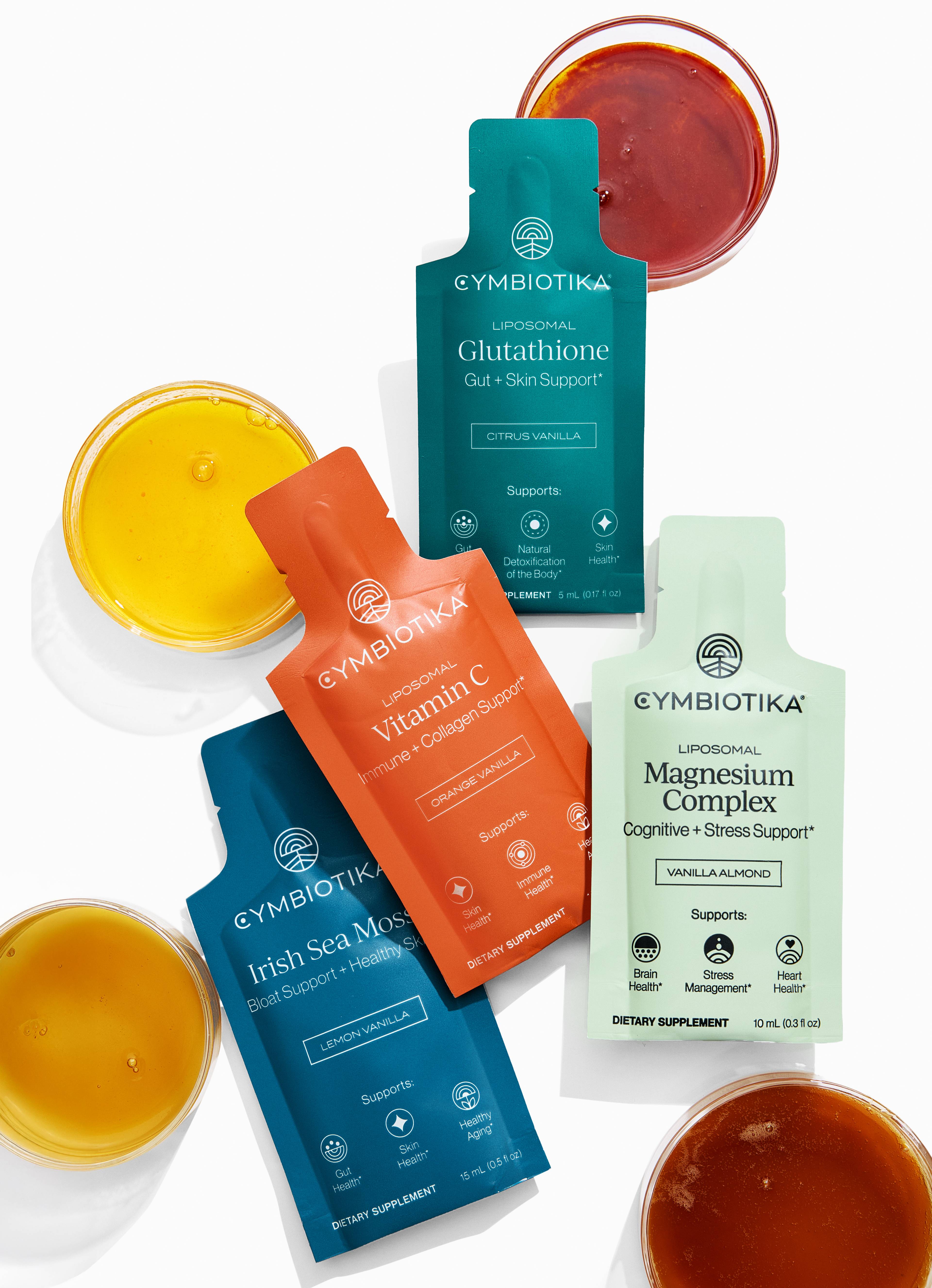
A healthy body starts in the gut. Ensuring your microbiome is balanced can support the natural production of certain Vitamin K2 isoforms by beneficial bacteria. Incorporating a high-quality Probiotic can support both gut health and overall immune function. For additional immune support, many of our community members also reach for Liposomal Vitamin C or Liposomal Elderberry.
Addressing Common Myths
There is a significant amount of misinformation regarding Vitamin K2 and blood health. Let's address a few of the most common myths.
Myth: Vitamin K2 causes blood clots. In healthy individuals not taking anticoagulants, Vitamin K2 does not "cause" blood to clot excessively. It simply provides the body with the tools it needs to maintain a normal, healthy coagulation process. It helps ensure that you don't bleed too much when you shouldn't, while other systems in the body prevent unnecessary clotting.
Myth: You should avoid all Vitamin K if you are on blood thinners. This is an outdated piece of advice. Doctors now emphasize consistency rather than avoidance. Leafy greens and fermented foods provide essential nutrients that support overall health. The goal is to keep your daily intake of these foods stable so that your medication dose can be adjusted accordingly.
Myth: All supplements work the same. This is perhaps the most dangerous myth of all. The purity, source, and delivery method of a supplement significantly impact how it interacts with your body and your medications. At Cymbiotika, we never claim that all products are equal. We frame our value through the lens of formulation design, absorption, and rigorous quality standards.
Real-World Scenarios: Managing Wellness on the Go
For someone who travels often and struggles to stay consistent with their wellness routine, maintaining a stable intake of nutrients can be a challenge. Inconsistent diet while on the road can be particularly tricky for those on warfarin. This is where the format of your supplements matters. Our single-serve pouches and liquid formulations make it easier to maintain a steady routine without overthinking it, whether you are at home or halfway across the world.
Imagine a busy professional who relies on PĂźrblack Pure Mineral Shilajit Live Resin for natural energy and Liposomal Vitamin B12 + B6 for focus. Adding a Vitamin K2 supplement to this mix requires the same level of intentionality. By choosing high-quality, transparently sourced products, you can focus on building consistent habits that support your long-term vitality.
The Importance of Professional Consultation
While we are dedicated to providing clear, practical wellness education, it is important to remember that supplements are intended to support your health, not replace medical care. If you are pregnant, breastfeeding, taking medication, or under medical supervision for any condition, you must consult a healthcare professional before starting Vitamin K2 or any other new supplement.
Your doctor can perform the necessary blood tests (like the INR test) to see how your body is responding to your medication and any dietary changes. They can help you determine the right "fit" for your lifestyle and ensure that your path to wellness is both effective and safe.
Our Commitment to Your Journey
At Cymbiotika, we are more than just a supplement brand; we are your partners in health. We know that the world of nutrition can feel overwhelming, especially when you are managing prescriptions and complex health goals. That is why we focus on reducing guesswork through clear product information and science-forward education.
Whether you are looking for Energy & Focus or Immunity support, we provide the tools you need to take control of your wellness. From our Molecular Hydrogen tablets that support cellular health to our Shilajit Liquid Complex, every product we create is a testament to our commitment to high-quality ingredients and rigorous standards.
Conclusion
The question of whether Vitamin K2 interferes with blood thinners is a vital one for anyone prioritizing their cardiovascular and bone health. As we have explored, the answer lies in the specific type of medication you are taking and the consistency of your routine. While Vitamin K2 offers profound benefits for bone density and arterial resilience, its ability to compete with Vitamin K antagonists like warfarin requires a cautious, well-monitored approach.
By choosing supplements with superior bioavailability and maintaining a transparent relationship with your healthcare provider, you can navigate these complexities with confidence. Remember that wellness is a marathon, not a sprint. It is built on the foundation of consistent habits, high-quality sourcing, and an empowered understanding of your body's unique needs.
We invite you to take the next step in your personalized wellness journey. Every body is different, and finding the right combination of nutrients is the key to achieving your health goals.
Take The Health Quiz today to discover a routine tailored specifically to you and your lifestyle.
Frequently Asked Questions
1. Does Vitamin K2 interfere with all types of blood thinners?
No, Vitamin K2 primarily interferes with Vitamin K Antagonists (VKAs) like warfarin (Coumadin). It generally does not have a direct interaction with newer Direct Oral Anticoagulants (DOACs) like Eliquis or Xarelto, although you should always consult your doctor before starting any new supplement.
2. Can I eat foods rich in Vitamin K2 if I am on warfarin?
Yes, you can eat foods containing Vitamin K2, but the most important factor is consistency. Sudden changes in your intake of Vitamin K-rich foods (like natto, cheese, or leafy greens) can affect how your medication works. Work with your healthcare provider to find a stable daily amount that works for you.
3. Why is bioavailability so important for Vitamin K2 supplements?
Vitamin K2 is a fat-soluble vitamin, which means it requires a lipid-based environment to be absorbed effectively. At Cymbiotika, we use advanced liposomal delivery to ensure that the Vitamin K2 reaches your bloodstream and tissues efficiently, rather than being lost during the digestive process.
4. What should I do if I accidentally take too much Vitamin K2 while on a blood thinner?
If you are taking a Vitamin K antagonist and realize your intake has changed significantly, contact your healthcare provider. They may want to check your INR levels to ensure your blood-clotting time remains within the safe, therapeutic range. Never adjust your prescription dosage yourself.
*These statements have not been evaluated by the Food and Drug Administration. This product is not intended to diagnose, treat, cure, or prevent any disease.