Table of Contents
- Introduction
- What is Vitamin K2?
- Does Vitamin K2 Increase Estrogen?
- Vitamin K2 and the Calcium Paradox
- Why Bioavailability is the Deciding Factor
- The Synergy: Vitamin K2 and Vitamin D3
- Supporting Hormonal Health Naturally
- Who Should Focus on Vitamin K2?
- The Microbiome Connection
- Conclusion
- FAQ
Introduction
Hormonal balance is a complex dance that influences almost every aspect of how we feel, from our energy levels to our bone strength. Many people looking to support their endocrine health eventually encounter Vitamin K2. Because of its profound impact on bone density and its relationship with other fat-soluble vitamins, a common question arises: does Vitamin K2 increase estrogen?
At Cymbiotika, we believe that understanding the nuance of nutrient interactions is the first step toward true wellness. The relationship between Vitamin K2 and estrogen is not a simple "on-off" switch. Instead, it involves intricate signaling pathways and genetic expressions that help the body manage hormones more effectively.
In this article, we will explore the science behind Vitamin K2, its role as a potential signaling molecule, and how it interacts with estrogen. We will also discuss why the delivery method of your supplements—specifically bioavailability—is the most important factor in whether these nutrients actually reach your cells. By the end, you will have a clearer picture of how to support your hormonal and structural health through informed choices.
What is Vitamin K2?
Vitamin K is often discussed as a single nutrient, but it is actually a family of fat-soluble vitamins. The two primary forms are Vitamin K1 (phylloquinone) and Vitamin K2 (menaquinone). While Vitamin K1 is mostly known for its role in healthy blood clotting, Vitamin K2 has a much broader range of functions, particularly in how the body handles minerals and hormones.
Vitamin K2 is further divided into several subtypes, known as menaquinones (MK). The most researched forms are MK-4 and MK-7. These numbers refer to the length of the side chain on the molecule, which dictates how long the vitamin stays in your bloodstream and how your tissues absorb it.
MK-4 is typically found in animal products like grass-fed butter, egg yolks, and organ meats. It is often considered a "short-acting" form because the body uses it quickly. MK-7 is usually derived from fermented foods like natto (fermented soybeans) and stays in the body much longer, providing a sustained level of support.
For a deeper look at these forms, explore this guide to Vitamin K2 and MK7 for daily wellness.
Key Takeaway: Vitamin K2 is not just for blood clotting; it acts as a director for calcium and a regulator for various cellular processes, primarily through its MK-4 and MK-7 forms.
Does Vitamin K2 Increase Estrogen?
The short answer is that Vitamin K2 does not "increase" estrogen in the same way a hormone replacement therapy might. It does not cause the body to flood the system with extra estrogen. However, research suggests that Vitamin K2 may play a role in estrogen metabolism and how estrogen performs its jobs in the body.
One of the most fascinating discoveries in recent nutritional science is that Vitamin K2 may actually act as a hormone itself. It binds to a specific receptor in the cell nucleus called the Steroid and Xenobiotic Receptor (SXR). When Vitamin K2 binds to this receptor, it can turn certain genes on or off.
This is particularly important for bone health. Estrogen is naturally protective of our bones. When estrogen levels decline—as they do during menopause—bone density often drops as well. Vitamin K2 seems to step in and support the same pathways that estrogen usually protects. It helps activate proteins that lock calcium into the bone matrix, effectively performing an "estrogen-like" role for skeletal integrity without needing to raise serum estrogen levels.
The MK-4 Connection
Some studies specifically looking at the MK-4 variant have shown that it can influence steroidogenesis, which is the process the body uses to create steroid hormones. While much of this research has focused on how MK-4 may support healthy testosterone levels in men, it highlights that Vitamin K2 is deeply integrated into the endocrine system. For women, this interaction likely points toward a more balanced hormonal environment rather than a direct spike in one specific hormone.
Vitamin K2 and the Calcium Paradox
To understand why people often link Vitamin K2 to estrogen, we have to look at the Calcium Paradox. This is a phenomenon where a person may have a calcium deficiency in their bones but a calcium excess in their arteries (calcification).
Estrogen helps prevent this by keeping calcium in the bones. When estrogen is low, calcium can "leach" out of the bones and end up in soft tissues like the heart or kidneys. Vitamin K2 is the "traffic cop" that solves this. It activates a protein called osteocalcin, which pulls calcium into the bone, and another called Matrix Gla Protein (MGP), which prevents calcium from hardening in the arteries.
By mimicking this protective action of estrogen, Vitamin K2 is often viewed as a vital partner for anyone dealing with hormonal shifts. It provides a secondary layer of defense for the heart and bones when estrogen levels are no longer at their peak.
For broader structural support, explore Cymbiotika’s Healthy Aging & Recovery collection.
Key Takeaway: Vitamin K2 doesn't significantly raise estrogen levels, but it helps the body perform the protective tasks that estrogen usually handles, specifically regarding bone density and cardiovascular health.
Why Bioavailability is the Deciding Factor
When discussing any supplement, the most important question is: "Does your body actually absorb this?" Bioavailability is the measure of how much of a substance reaches the bloodstream and is available for the body to use.
Most standard Vitamin K2 supplements come in cheap, dry tablets or capsules. Because Vitamin K2 is fat-soluble, it requires fat to be absorbed. If you take a standard pill on an empty stomach, or if your digestive system is less than optimal, you may only be absorbing a tiny fraction of the dose listed on the label.
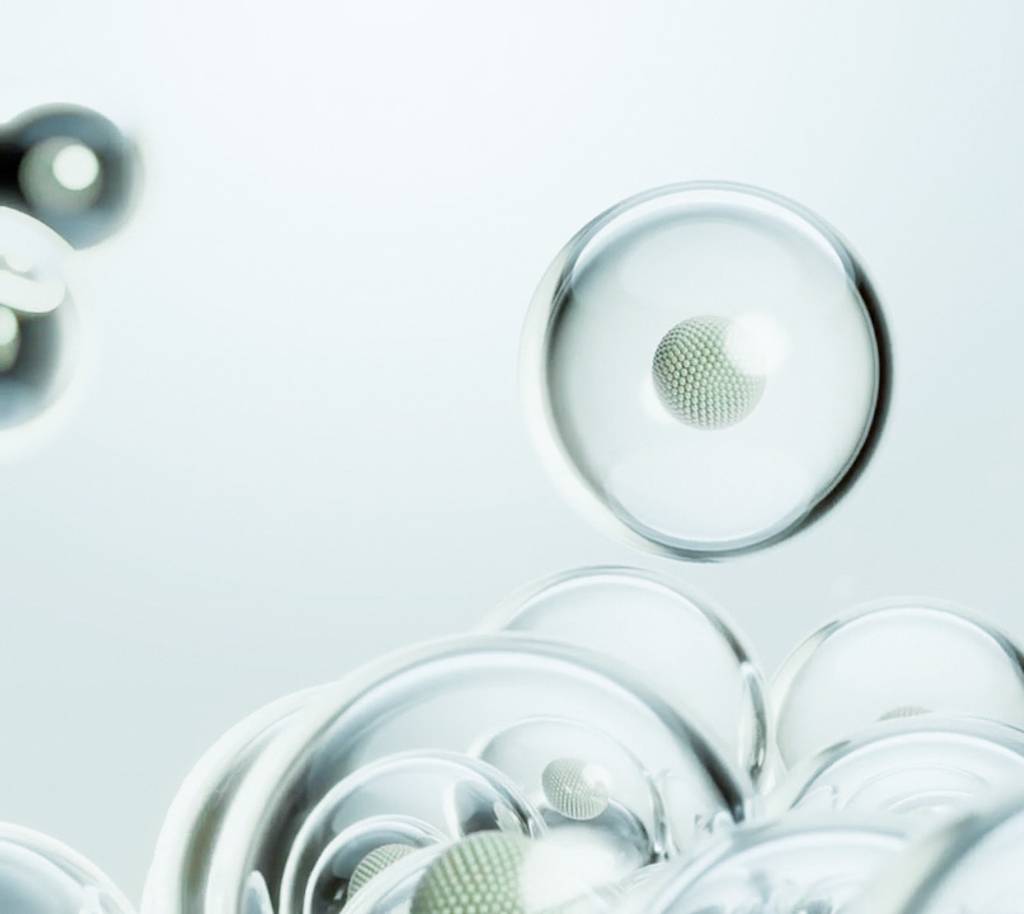
At Cymbiotika, we solve this through liposomal delivery. A liposome is a tiny bubble made of phospholipids—the same material that makes up your own cell membranes. This phospholipid bilayer (a double layer of fats) protects the Vitamin K2 from being broken down by stomach acid. It allows the nutrient to pass through the digestive tract and be delivered directly to your cells.
Learn more about why Vitamin K2 is fat soluble and how formulation can influence a daily wellness routine.
Our Liposomal Vitamin D3 + K2 + CoQ10 is designed with this technology to ensure that these fat-soluble nutrients are actually utilized. By wrapping the K2 in a liposome, we mimic the way the body naturally absorbs fats, increasing the chances that the vitamin will reach the SXR receptors and support your hormonal pathways.
The Synergy: Vitamin K2 and Vitamin D3
You cannot talk about Vitamin K2 and hormones without mentioning Vitamin D3. These two nutrients work in a tight partnership.
- Vitamin D3 increases the absorption of calcium from your diet into your bloodstream.
- Vitamin K2 then takes that calcium from the blood and puts it into the bones.
If you take high doses of Vitamin D3 without Vitamin K2, you may end up with high levels of calcium circulating in your blood with nowhere to go. This can lead to the arterial calcification mentioned earlier. Many people find that their hormonal health feels more "stable" when these two are in balance, as Vitamin D3 is also technically a hormone (pro-hormone) that regulates over 2,000 genes in the body.
Read more about the benefits of Vitamin D3 and K2 and how these nutrients fit into a broader wellness routine.
Supporting Hormonal Health Naturally
If you are concerned about your estrogen levels or hormonal balance, Vitamin K2 should be viewed as one piece of a larger puzzle. Consistency is more important than intensity when it comes to supplementation. Building a routine that supports your body's natural rhythms is the most effective way to see long-term results.
Step-by-Step: Building Your Routine
Step 1: Focus on Sourcing
Look for high-quality sources of Vitamin K2. While you can find MK-7 in natto and MK-4 in high-quality animal fats, many people find it difficult to get therapeutic levels through diet alone. Choose a supplement that uses transparent sourcing and avoids synthetic fillers.
Step 2: Prioritize Absorption
Ensure your Vitamin K2 is delivered in a way your body can use. Liposomal formats are designed to close the gap between what you swallow and what your cells actually receive.
Step 3: Pair with Fat
If you aren't using a liposomal format, always take Vitamin K2 with a meal that contains healthy fats, such as avocado or olive oil. Our liposomal formula already includes the necessary fats for delivery, making it easier to take any time of day.
Step 4: Monitor and Adjust
Hormonal health is individual. What works for one person may work differently for you. Give your body 2–3 months to adjust to a new routine before deciding if it is effective.
For additional guidance on choosing a formula, review which Vitamin K2 supplement may fit your routine.
Myth: All Vitamin K supplements are the same.
Fact: Vitamin K1 and K2 have completely different functions in the body. Furthermore, the delivery method (liposomal vs. standard) significantly changes how much your body can actually use.
Who Should Focus on Vitamin K2?
While almost everyone can benefit from better calcium regulation, certain groups might find Vitamin K2 particularly helpful for supporting their hormonal and structural health.
- Postmenopausal Women: As estrogen levels decline, the "estrogen-like" gene signaling of Vitamin K2 becomes a crucial backup system for bone density.
- Those Focused on Heart Health: By helping to prevent arterial calcification, K2 supports a supple and healthy cardiovascular system.
- People Taking Vitamin D: If you are already supplementing with Vitamin D3, adding K2 is essential to ensure calcium is handled correctly.
- Athletes: Healthy bone turnover and cardiovascular efficiency are key to performance and recovery.
The Microbiome Connection
An often-overlooked source of Vitamin K2 is your own gut. Certain beneficial bacteria in your microbiome are capable of synthesizing Vitamin K2. This is another reason why gut health is so closely tied to hormonal health.
If your gut microbiome is out of balance due to a poor diet or stress, your internal production of K2 may suffer. This creates a ripple effect: lower K2 leads to poorer calcium management, which can exacerbate the issues typically associated with low estrogen. We often recommend looking at gut health as the foundation of any hormonal support routine. Using a high-quality probiotic or fermented foods can help support the "internal factory" that produces some of your Vitamin K2.
Explore the Gut Health range for formulas that fit into a broader microbiome-focused routine.
Bottom line: Vitamin K2 interacts with your hormones and your microbiome, creating a holistic network that supports bone strength and heart health, especially when your natural hormone levels begin to shift.
Conclusion
While Vitamin K2 may not directly increase estrogen levels in the bloodstream, it acts as a vital partner in the hormonal landscape. By binding to nuclear receptors and activating bone-building proteins, it helps maintain the health and vitality that estrogen traditionally protects. It is a nuanced, science-forward approach to wellness that prioritizes how the body uses nutrients rather than just "more is better."
At Cymbiotika, our mission is to empower you with the tools to build a routine you can trust. We believe that through transparency, clean formulations, and a relentless focus on bioavailability, you can achieve a state of balance. Whether you are navigating life's natural transitions or simply looking to optimize your daily vitality, understanding the role of Vitamin K2 is a powerful step forward.
To find the specific combination of nutrients that fits your unique needs, we recommend taking our Health Quiz. It is designed to help you navigate our offerings and build a personalized routine that addresses your specific goals for energy, immunity, and hormonal harmony.
FAQ
Does Vitamin K2 affect hormones?
Yes, Vitamin K2 can influence the endocrine system by binding to the Steroid and Xenobiotic Receptor (SXR), which helps regulate certain genes. While it doesn't typically cause a large increase in serum hormone levels, it helps the body manage the protective roles usually associated with hormones like estrogen and testosterone.
Should I take Vitamin K2 if I have low estrogen?
Many people with low estrogen find Vitamin K2 beneficial because it supports bone density and cardiovascular health, areas that are often affected by declining estrogen levels. It acts as a "traffic cop" for calcium, ensuring it stays in the bones and out of the arteries, which is a key function estrogen usually supports.
Can men take Vitamin K2 for hormone support?
Research suggests that Vitamin K2, particularly the MK-4 form, may support healthy testosterone production in the testes by stimulating specific enzymes involved in steroidogenesis. This makes it a valuable nutrient for both men and women looking to maintain a balanced hormonal environment.
Is it better to get Vitamin K2 from food or supplements?
While fermented foods like natto and grass-fed animal products are great sources of K2, many people find it difficult to consume enough to reach therapeutic levels. If you choose a supplement, look for a liposomal delivery system to ensure the fat-soluble K2 is actually absorbed by your body and not lost during digestion.
*These statements have not been evaluated by the Food and Drug Administration. This product is not intended to diagnose, treat, cure, or prevent any disease.