Aug 21, 2026

Does Vitamin K2 Decalcify Arteries?

Table of Contents

  1. Introduction
  2. Understanding Vitamin K2
  3. The Role of Calcium in the Body
  4. How Vitamin K2 Interacts with Arteries
  5. Does Vitamin K2 Decalcify Arteries?
  6. The Importance of Bioavailability
  7. Why Vitamin D3 and K2 Must Work Together
  8. What to Look for in a Vitamin K2 Supplement
  9. Practical Steps for Arterial Wellness
  10. A Note on Safety
  11. The Future of Calcium Management
  12. Conclusion
  13. FAQ

Introduction

Many of us grew up hearing that calcium is the key to strong bones. While that remains true, modern wellness research has introduced a more nuanced perspective. It is not just about how much calcium you take in, but where that calcium ends up in your body. This is known as calcium distribution, and it is a vital part of long-term health.

At Cymbiotika, we believe that understanding the "how" behind your supplements is just as important as the ingredients themselves. This article explores the relationship between Vitamin K2 and arterial health. We will look at how this nutrient interacts with calcium and whether it can support the body’s natural process of maintaining clear pathways for blood flow.

The question of whether Vitamin K2 can decalcify arteries is one of the most common topics in the world of circulatory wellness today. By the end of this guide, you will understand how Vitamin K2 functions as a biological traffic controller. We will cover the science of protein activation, the importance of bioavailability, and why Vitamin K2 is a necessary partner for other nutrients like Vitamin D3.
Understanding Vitamin K2

Vitamin K is not a single nutrient but a family of fat-soluble vitamins. Most people are familiar with Vitamin K1, which is primarily found in green leafy vegetables and is well-known for its role in blood clotting. Vitamin K2, however, is a different story altogether.

Vitamin K2 is found in fermented foods and some animal products. Its primary responsibility in the body is managing where minerals, specifically calcium, are deposited. While K1 stays mostly in the liver, K2 circulates in the blood for longer periods. This allows it to reach various tissues, including the bones and the walls of your blood vessels.

The Different Forms of Vitamin K2

When you look for Vitamin K2, you will often see labels mentioning MK-4 and MK-7. These abbreviations stand for menaquinones, which are different subtypes of the vitamin.

  • MK-4: This form is often synthetic and has a very short half-life in the body. It disappears from the bloodstream quickly, meaning you would need to take it several times a day to maintain consistent levels.
  • MK-7: This form is typically derived from fermented chickpeas or natto. It has a much longer half-life. This means it stays in your system longer, providing more consistent support for your bones and circulatory system.

We prioritize using high-quality forms like MK-7 because they offer better long-term value for your routine. It is about choosing the form that stays active in your body long enough to do its job.

The Role of Calcium in the Body

Calcium is the most abundant mineral in the human body. We need it for bone structure, muscle contractions, and nerve signaling. However, calcium is meant to stay mostly within our skeletal system. Problems can arise when calcium begins to settle in soft tissues, such as the walls of your blood vessels.

When calcium accumulates in the arteries, they can become less flexible. This process is often compared to "limescale" buildup in plumbing. As these pathways become more rigid, the heart has to work harder to move blood throughout the body.

Key Takeaway: Heart health and bone health are closely linked through calcium management. If calcium is not properly directed to the bones, it may end up in the arteries, where it can cause rigidity.

For broader support related to bone and healthy ageing, explore Cymbiotika’s Healthy Aging Supplements collection.

How Vitamin K2 Interacts with Arteries

To answer the question of whether Vitamin K2 "decalcifies" arteries, we have to look at two specific proteins in the body. These proteins act like switches. When they are "off," calcium can wander into the wrong places. When Vitamin K2 turns them "on," they begin to manage calcium actively.

Matrix Gla Protein (MGP)

Matrix Gla Protein, or MGP, is the body's primary defense against calcium buildup in the soft tissues. It is found in the smooth muscle cells of your blood vessels. However, MGP is Vitamin K-dependent. This means it remains "inactive" until it has enough Vitamin K2 to function.

Once activated by Vitamin K2, MGP acts as a powerful inhibitor of calcification. It literally prevents calcium from binding to the arterial walls. This supports the flexibility and elasticity of your blood vessels, which is essential for healthy circulation.

Osteocalcin

While MGP works in the arteries, a protein called Osteocalcin works in the bones. Like MGP, Osteocalcin needs Vitamin K2 to become active. Once it is "switched on," it grabs calcium from the bloodstream and locks it into the bone matrix.

By activating both of these proteins, Vitamin K2 creates a "pull and push" effect. It helps pull calcium out of the blood vessels and pushes it into the bones where it belongs.

Does Vitamin K2 Decalcify Arteries?

The term "decalcify" suggests a total reversal of existing mineral buildup. While research is ongoing, it is more accurate to say that Vitamin K2 may support the body's natural ability to manage and redirect calcium.

Vitamin K2 helps prevent new buildup. By keeping MGP active, the body is constantly working to keep the arterial walls clear of new calcium deposits. This helps maintain the current state of your circulatory health.

Vitamin K2 may support existing pathways. Some studies suggest that high levels of Vitamin K2 can help the body slowly address existing calcification by activating the proteins responsible for mineral transport. This is a slow, biological process rather than an overnight fix.

It is important to remember that wellness is a long-term game. You are not just looking for a quick "cleansing" of the arteries. You are building a routine that supports your body’s natural maintenance systems so that buildup is less likely to happen in the first place.

For additional reading, see Cymbiotika’s guide to understanding the benefits of Vitamin D3 and K2.

Myth: All calcium supplements are good for your heart. Fact: Calcium without enough Vitamin K2 and D3 may lead to mineral deposits in the arteries rather than the bones.

The Importance of Bioavailability

Many standard Vitamin K2 supplements come in cheap, dry tablets or capsules. The problem is that Vitamin K2 is fat-soluble. This means your body needs fat to absorb it properly. If you take a dry pill on an empty stomach, much of that nutrient may simply pass through your system without being used.

This is where the concept of bioavailability becomes critical. Bioavailability is a measure of how much of a nutrient actually reaches your bloodstream and cells. At Cymbiotika, we focus on delivery systems that maximize this absorption.

For a broader explanation of delivery systems, explore Cymbiotika’s guide to how liposomal formulas support nutrient absorption.

Liposomal Delivery Explained

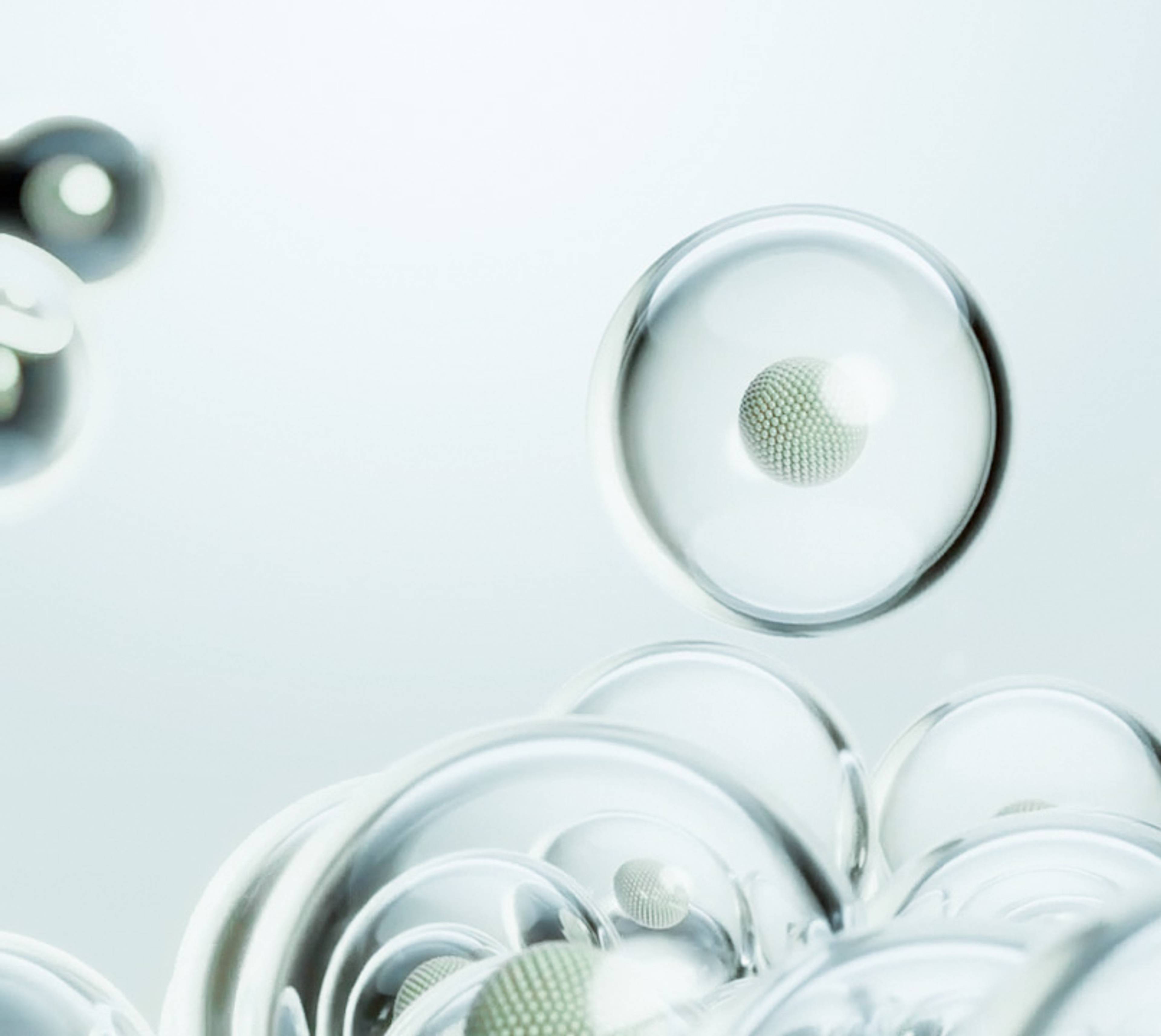
We use liposomal delivery for many of our formulations, including our Liposomal Vitamin D3 + K2 + CoQ10. A liposome is a tiny, microscopic bubble made of phospholipids. These are the same fats that make up your cell membranes.

When we wrap Vitamin K2 in a liposome, several things happen:

  1. Protection: The nutrient is protected from the harsh environment of your stomach acid.
  2. Recognition: Your body recognizes the phospholipid shell as a "friendly" fat, allowing it to pass through the intestinal lining more easily.
  3. Efficiency: The nutrient is delivered directly to the cells that need it most, bypassing some of the traditional barriers to absorption.

Bottom line: A high-dose supplement is only as good as its delivery system. If your body cannot absorb the Vitamin K2, it cannot activate the proteins needed to protect your arteries.

Why Vitamin D3 and K2 Must Work Together

You will almost always find Vitamin K2 paired with Vitamin D3, and for good reason. These two vitamins work in a specific sequence to manage calcium.

Step 1: Vitamin D3 increases calcium absorption. When you take Vitamin D3, it helps your gut absorb calcium from your food or supplements more efficiently. Without D3, you might not have enough calcium for your bones.

Step 2: Vitamin K2 directs the calcium. Once the Vitamin D3 has brought the calcium into the bloodstream, Vitamin K2 tells it where to go. It activates the MGP to keep it out of the arteries and activates Osteocalcin to put it in the bones.

Taking high doses of Vitamin D3 without Vitamin K2 can actually be counterproductive. It creates a surplus of calcium in the blood without a "traffic cop" to tell it where to go. This can increase the risk of that calcium ending up in your soft tissues.

To learn more about choosing a D3 and K2 formula, read where to buy Vitamin D3 with K2 for daily support.

What to Look for in a Vitamin K2 Supplement

If you are looking to support your arterial health, you want a supplement that is designed for maximum impact. Not all K2 products are created equal.

  1. Look for the MK-7 form. As mentioned earlier, this form stays in your body longer and provides more consistent protein activation.
  2. Check for Liposomal Delivery. This ensures that the fat-soluble K2 is actually absorbed by your cells. Our Liposomal Vitamin D3 + K2 + CoQ10 is specifically designed for this purpose.
  3. Choose clean ingredients. Avoid synthetic fillers, artificial colors, and unnecessary additives. Wellness starts with trust, and that means knowing exactly what is in your bottle.
  4. Third-party testing. Ensure the brand tests for purity and potency so you know the label matches the contents.

Practical Steps for Arterial Wellness

While supplementation is a powerful tool, it works best when integrated into a healthy lifestyle. Here is how you can support your circulatory health starting today:

  • Eat fermented foods. Foods like natto, sauerkraut, and certain cheeses are natural sources of Vitamin K2.
  • Balance your minerals. Ensure you are getting enough magnesium alongside your calcium and K2. Magnesium helps keep calcium dissolved in the blood so it is easier for K2 to move it.
  • Move your body. Regular physical activity helps maintain the flexibility of your blood vessels.
  • Stay consistent. Supplements like Vitamin K2 work through gradual protein activation. It takes time for the body to move and manage minerals, so consistency in your routine is key.

A Note on Safety

While Vitamin K2 is generally considered safe for most people, it does have a role in the body’s clotting mechanisms (though much less so than K1).

Important: If you are currently taking blood-thinning medications, it is essential to consult with your healthcare provider before adding Vitamin K2 to your routine. They can help you determine the right balance for your specific needs.

Results with any supplement will vary based on your baseline health, diet, and genetics. Most people find that the benefits of Vitamin K2 are felt over months rather than days, as the body slowly optimizes its mineral distribution.

The Future of Calcium Management

The conversation around Vitamin K2 is changing how we think about ageing and heart health. We no longer just ask, "Am I getting enough calcium?" Instead, we ask, "Is my body equipped to use this calcium correctly?"

By focusing on protein activation and high bioavailability, we can empower our bodies to maintain the flexibility and health of our circulatory systems. It is about giving your body the right tools to do the work it was designed to do.

For more context on long-term wellness routines, explore this guide to healthy aging and longevity.

Conclusion

Vitamin K2 is a critical piece of the wellness puzzle, especially for those concerned with heart and bone health. While the word "decalcify" is a strong term, the science shows that Vitamin K2 is essential for activating the proteins that keep calcium in your bones and out of your arteries. By choosing high-quality, liposomal formats, you ensure that your body actually absorbs and utilizes this vital nutrient.

At Cymbiotika, our mission is to provide you with the most transparent, science-forward supplements available. We believe that when you combine high-quality sourcing with advanced delivery systems, you create a foundation for lasting health. We want to help you move away from guesswork and toward a routine you can trust.

If you are ready to build a supplement stack tailored to your unique needs, we invite you to take our Health Quiz. It is designed to help you find the right products based on your specific wellness goals, from heart health to daily energy.

FAQ

How long does it take for Vitamin K2 to help with arterial health?

Supporting the body's calcium management is a gradual process that typically takes several months of consistent use. Most research on arterial flexibility and Vitamin K2 observes changes over a period of six months to a year. Because it works by activating proteins that manage mineral transport, consistency is more important than a high one-time dose.

Can I get enough Vitamin K2 from my diet alone?

While it is possible to get Vitamin K2 from foods like natto, fermented vegetables, and grass-fed dairy, many modern diets are quite low in this nutrient. Natto is the richest source but has a strong taste that many people find difficult to consume daily. For this reason, many people find that a high-bioavailability supplement is a more reliable way to ensure consistent levels.

For help organizing products into a daily routine, the Supplement Guide offers a personalized way to review supplement combinations.

Does Vitamin K2 have side effects?

Vitamin K2 is generally well-tolerated and has a high safety profile even at higher doses. Unlike Vitamin K1, it does not typically interfere with the body's clotting balance in healthy individuals. However, because it can interact with certain medications, it is always best to speak with a healthcare professional if you have underlying health concerns.

Is it better to take Vitamin K2 with or without food?

Because Vitamin K2 is fat-soluble, it traditionally needs to be taken with a meal containing healthy fats for best absorption. However, if you are using a liposomal formula, the nutrient is already encapsulated in phospholipids. This allows for excellent absorption whether you take it with food or on an empty stomach, providing more flexibility for your daily routine.

*These statements have not been evaluated by the Food and Drug Administration. This product is not intended to diagnose, treat, cure, or prevent any disease.

Subscribers get it all

Subscribe today and unlock access to Arise, the ultimate wellness experience.

SAVE BIG

Get over 40% off + FREE shipping on all recurring orders.

FUN FREEBIES

Get free gifts, swag, perks, and more

SAVE BIG

Feel energized & strong with a routine that works!

by / Aug 21, 2026

Back to cart

CONGRATS

Choose Your Free Gift

Choose one complimentary product below.

Are you sure?
Removing will also remove the exclusive discounted item added to your cart.

You're away from a FREE gift!

Add any of the products below to unlock your free gift.

    You've unlocked a FREE gift!

    Thanks for spending $110. Choose one of the three starter kits below.

    Subscribe & Save

    Trusted by 60k+ subscribers

    Your Cart ( items)

    in savings and perks unlocked with your order!

    Free shipping sitewide.

    More subscriptions, more savings

    1

    30% off

    2

    34% off

    3

    38% off

    4

    40% off

    5

    40% off

    Want to save? Add a subscription to get 30% off on it!

    Add items to your cart

    Browse our products and add items to start your order.

    Exclusive Subscriber Offer

    Test 100+
    Biomarkers

    Get tested at a lab near you,
    plus 1 year of Hundred Health

    $199 $49

    You may also like. . .
    You may also like
    60-Day money back guarantee. Exclusions apply.*