
Why Pollinator Health Is Becoming a Wellness Issue
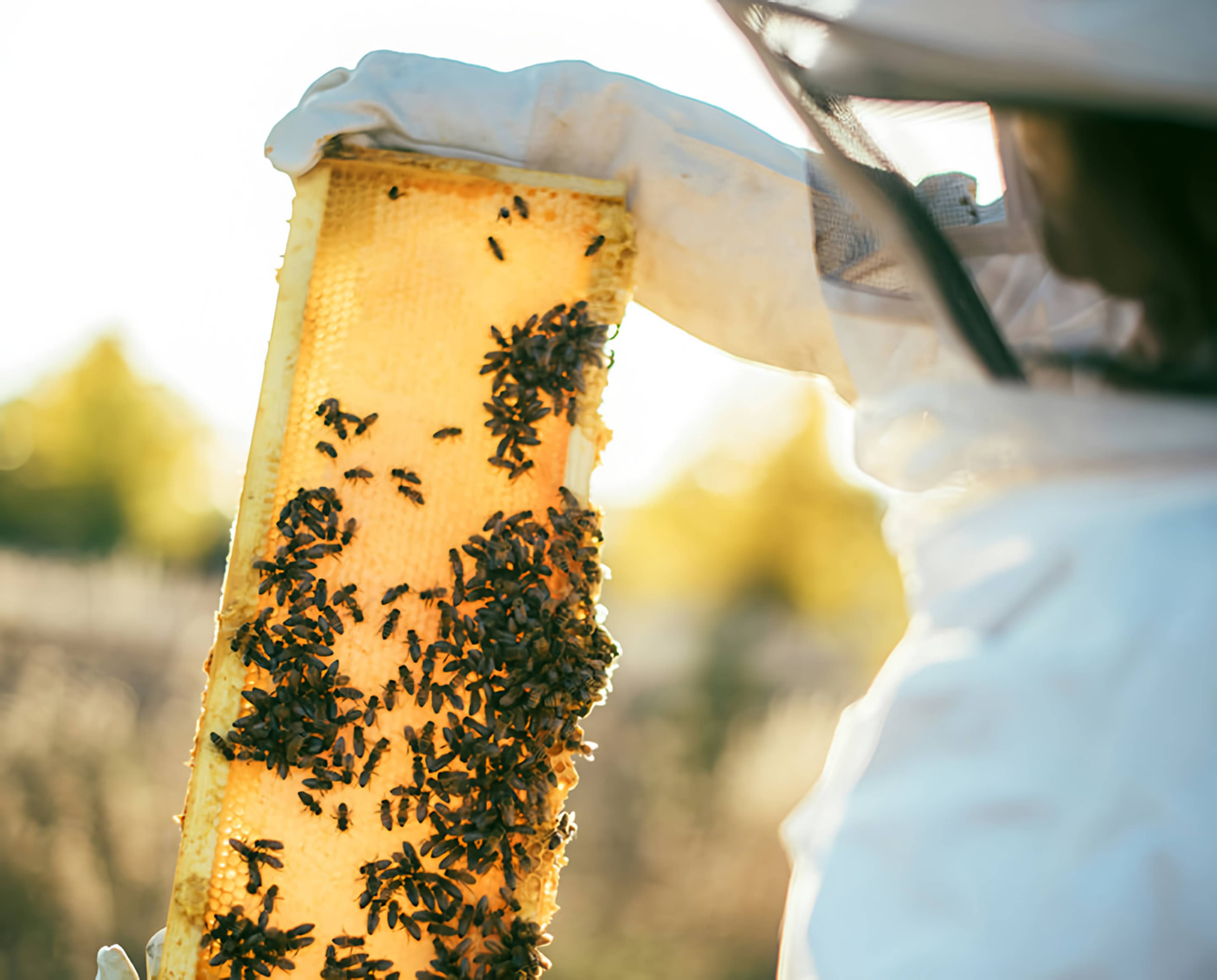
The modern wellness industry has spent years teaching people to pay closer attention to what goes into their bodies. Ingredients became cleaner. Labels became more transparent. Consumers started caring about sourcing, additives, fillers, and formulation quality in a way they hadn’t before.
But lately, the conversation has started expanding beyond the product itself.
More people are beginning to ask a different kind of question: what happens to wellness when the ecosystems producing many of these ingredients begin struggling too?
That shift is part of what makes World Bee Day feel surprisingly relevant to the wellness world right now. Pollinators, especially bees, sit at the center of many of the foods, herbs, and botanical ingredients that have become staples of modern wellness culture, even if most consumers rarely think about them directly.
The Wellness Industry Runs on Biodiversity
A large portion of the wellness space is built around plants.
Adaptogens. Herbal supplements. Functional foods. Botanical skincare. Superfoods. Even many fruits, nuts, and flowering plants associated with nutrient-dense eating rely heavily on pollination to survive and reproduce.
When pollinator populations decline, it doesn’t just affect honey production. It affects biodiversity itself.
That matters more than people realize because biodiversity plays a major role in agricultural resilience, soil health, food variety, and ecosystem stability. The healthier an ecosystem is, the more resilient it tends to be over time.
And resilience has quietly become one of wellness culture’s favorite words.
Dive deeper











