Manufacturing
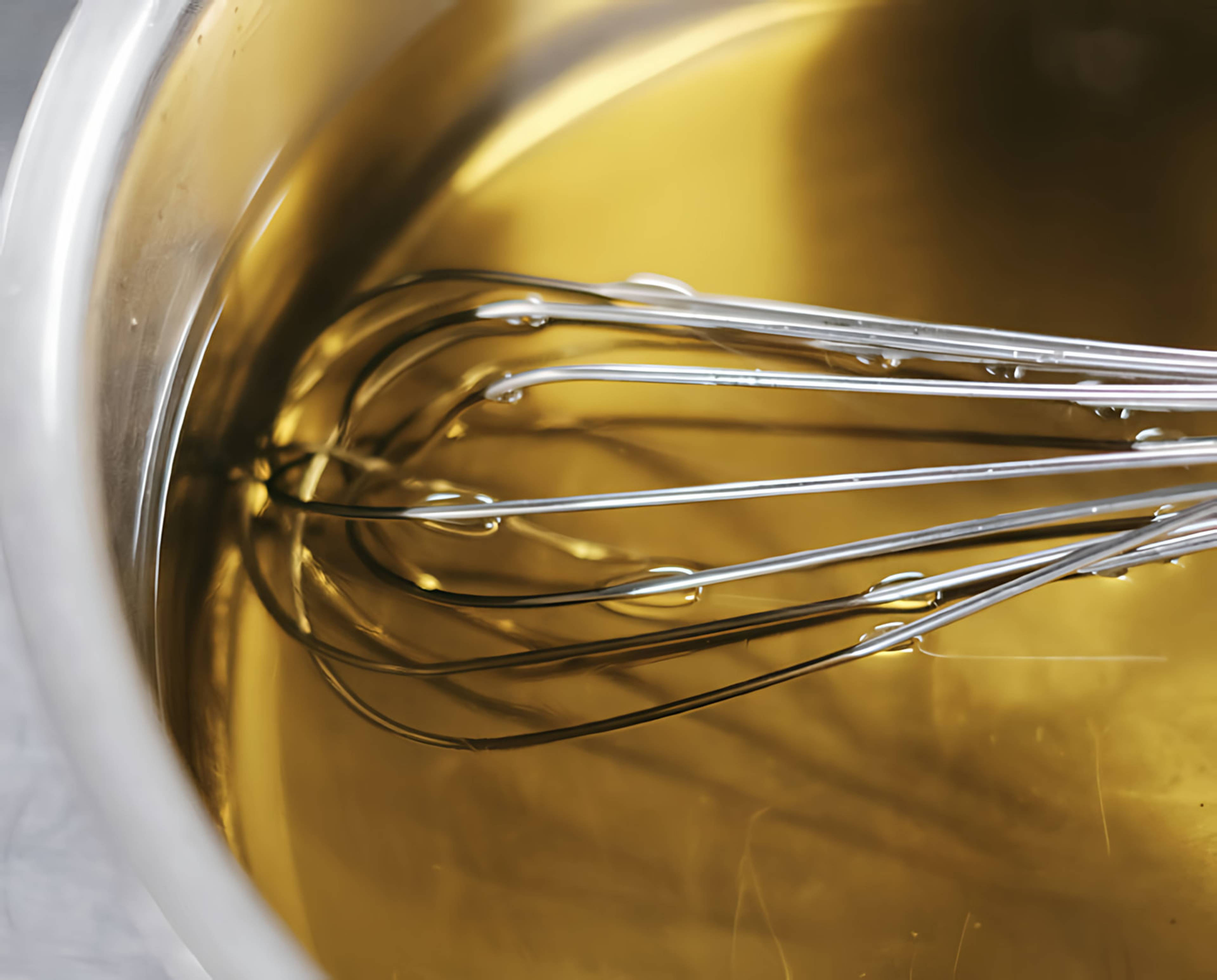
The processing and manufacturing of seed oils has been made a point of concern. If you’ve ever had cold-pressed oil in your pantry, you know that it’s a small bottle that is typically cloudy, needs to be refrigerated and used quickly, as it can go rancid fast. To solve this and actually be able to produce food that will last longer on supermarket shelves and in our pantries (to feed the 343 to 349 million people in America) producers may use heat and chemical solvents (before you freak out because I said “chemical”: everything is a chemical, not in a scary bleach way, but in a these-chemical-structures-and-compounds-are-a-part-of-everything way). Hexane has been the primary chemical under scrutiny as it may be used in the extraction process. Remember this term going forward: “dose dependency.” The toxicological effects and benefits of anything are dose dependent.
Both the FDA and the European Food Safety Authority (EFSA) have reviewed the evidence and concluded that trace residual hexane in edible oils poses no safety concern for consumers. Peer-reviewed research shows that nearly all hexane is removed during refining, with trace amounts typically less than 1 milligram per kilogram of oil, well below levels associated with any toxicity. Hence it’s evident that unless you are drinking these oils by the bottle, the threat here is not real.
Pro-Inflammatory
Despite research actually showing that omega-6 fatty acids help to decrease inflammation, the argument is that seed oils contain omega-6 fatty acids which will cause inflammation. For your info, inflammation is not inherently bad; that’s how your immune cells are signaled to go to problem sites and correct the issue. Chronic inflammation is the problem. Therefore the question should be: how may seed oils contribute to or lead to chronic inflammation? The issue is that seed oils are positioned as if they are a main driver of inflammation, and that is simply not true.
Omega-6 is one of the duo of polyunsaturated fats, alongside omega-3. We know that we need both from our diet as we cannot endogenously produce either. What you are not told is that we are actually unclear on what the optimal ratio is, as needs change throughout development. You might have heard the optimal ratio is 2:1 or 1:1 (omega-6 to omega-3). This is supported by scientific research referencing what an ancestral diet looked like, but it’s unclear how accurate this estimation is and furthermore, due to changes in lifestyle and the human genome, it may not be optimal to mimic this ratio anyway. Because omega-3 and omega-6 use the same enzymes to be converted into longer, more active forms, if you consume more of either it will skew that ratio. If you are consuming more omega-6 foods, you’ll have less omega-3 present. The solution there is to eat more omega-3 rich foods like fatty fish, walnuts, chia and flaxseed, not to eliminate seed oils.
Used in Empty Calorie Foods
Here’s where things get a little more nuanced and honestly, where the seed oil conversation should actually be happening. A significant source of seed oils in the American diet comes from empty calorie foods (all calories no nutrient density): chips, fast food, frozen meals, packaged baked goods, convenience snacks. These foods in excess may be problematic, but not because of the oil. They’re high in sodium, refined carbohydrates, added sugars and excess calories. They’re engineered to be hyperpalatable and easy to overconsume. Blaming the canola oil in your bag of chips for poor health outcomes while ignoring everything else in that ingredient list is like blaming the flour in a cake for giving you a stomachache when you ate half the cake.
The seed oil isn’t the villain here. The overall dietary pattern is. If you find a seed oil listed in the ingredients of a nutrient-dense food like whole-grain bread or natural peanut butter, that’s not a red flag. Look at the full nutrition label and consider what else that food is offering you.