
Why Sound Meditation Feels So Different Than a Sound Bath
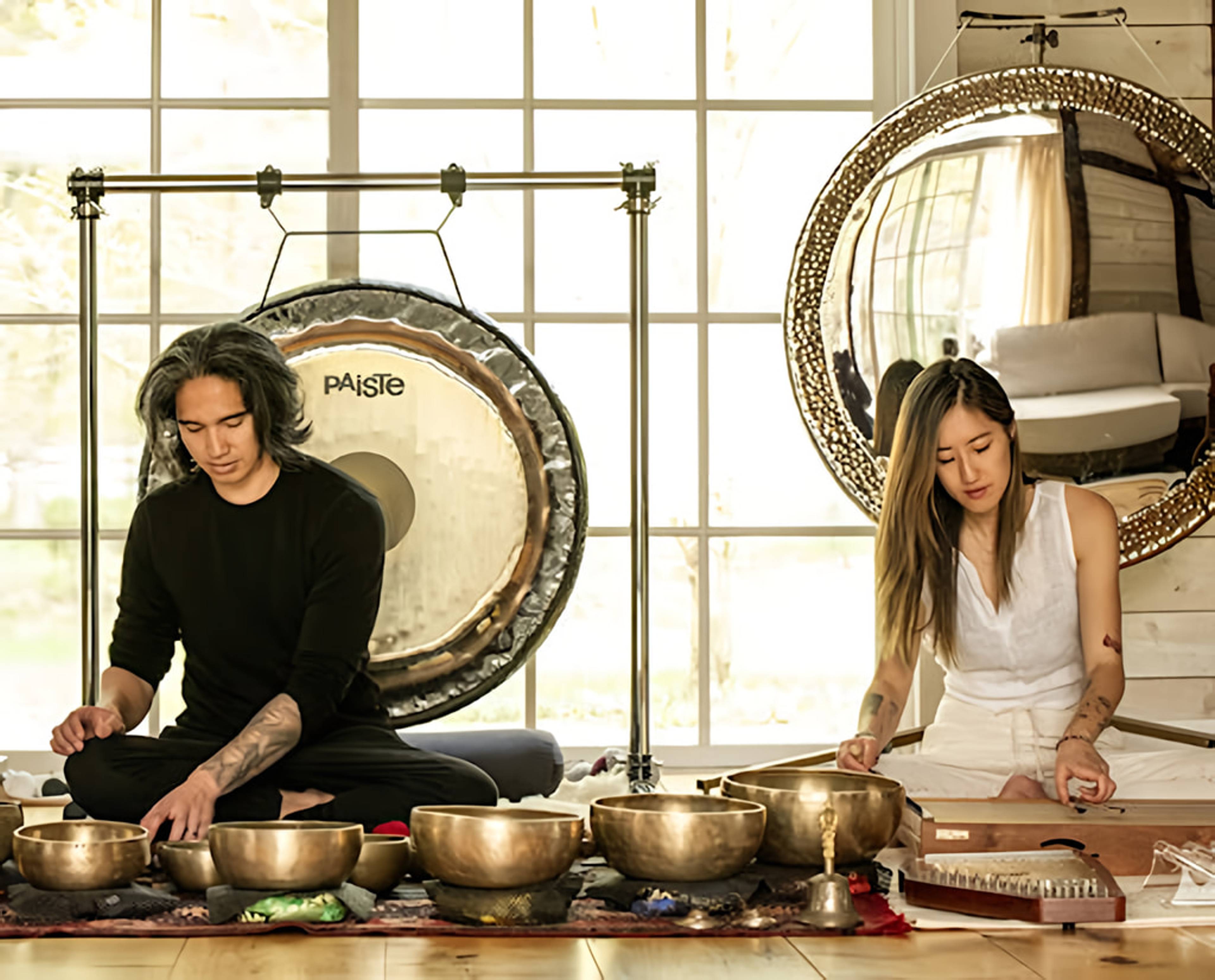
Photo Courtesy of Empty Space
If you have ever walked out of a sound bath feeling softer or clearer or somehow reset, you already understand the power of sound. But according to sound facilitators Alex Artymiak and Anna Yang, the bowls and gongs are only part of the experience. The real shift happens inside the listener. Their studio, Empty Space, located inside a restored barn in Old Chatham, invites people to explore what sound can do when they listen with intention rather than drifting away.
A sound bath encourages you to relax and let the sound wash over you. A sound meditation asks for something slightly different. It invites you to be present with what you are hearing and feeling. This gentle shift in focus transforms the experience from passive relaxation into something that feels more personal and more introspective.
The Difference Begins With Intention
Alex explains that a sound bath allows the mind to wander freely. Your awareness can drift between sensations, thoughts and sound. A sound meditation, on the other hand, invites you to listen more closely. You notice the relationship between notes, the rise and fall of a tone and the way your internal state subtly changes in response. This does not mean concentrating with effort. It simply means choosing to be curious. As Alex puts it, the real power lies in the attention of the listener.
This approach often makes the entire experience feel more alive. Instead of zoning out, you are tuning in. You begin to hear not only the sound itself but also what it reveals inside you.
Dive deeper











