
5 Nutritionist-Approved Ways to Get the Essentials From Food First
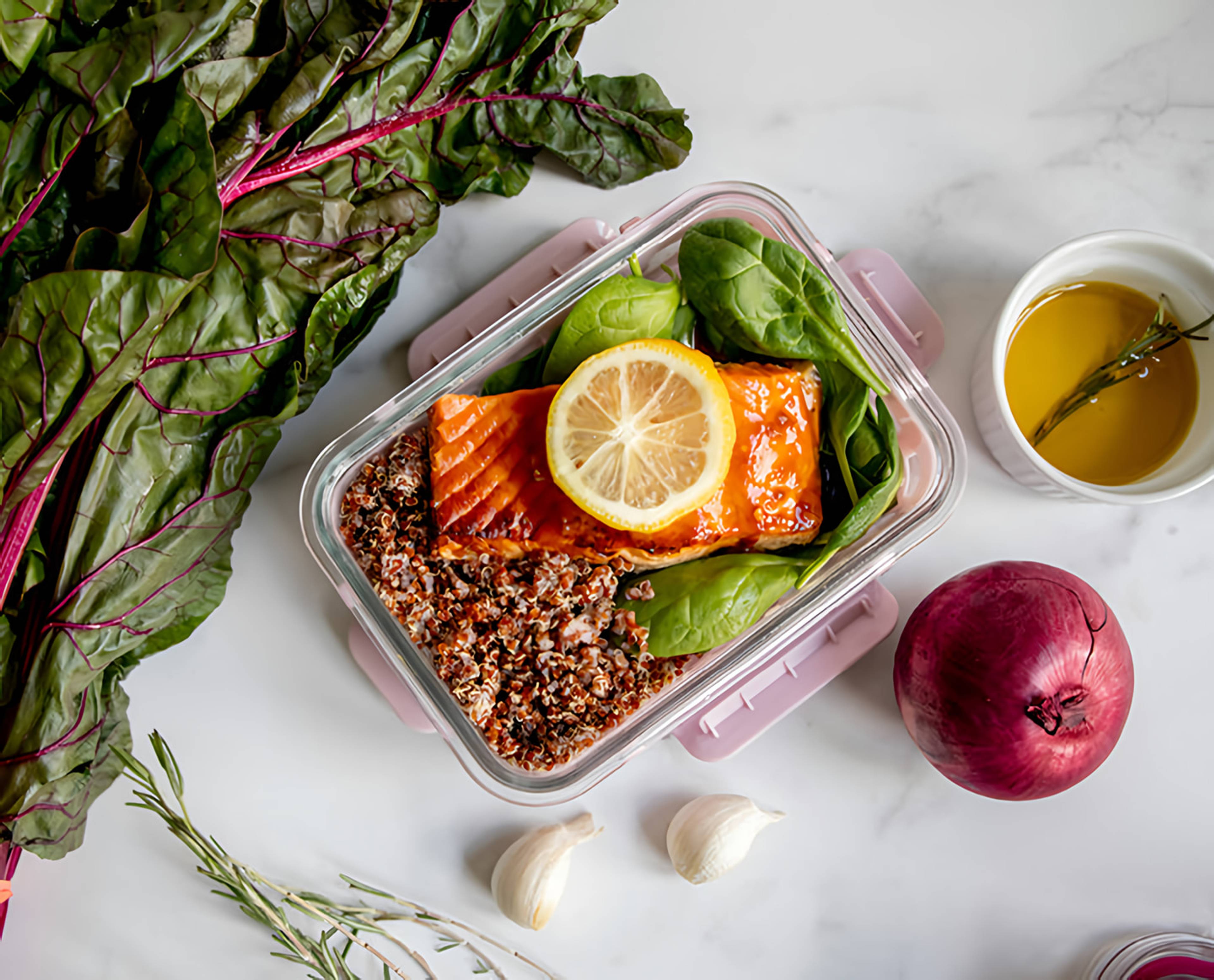
In a culture obsessed with stacks, shortcuts, and daily supplement rituals, Nutritionist Naniel Scott brings the conversation back to the basics. As a nutrition scientist, she believes food should be the foundation and supplements should support, not replace, a balanced diet. Below, she shares five nutritionist-approved ways to get the essentials from food first and understand when supplementation actually makes sense.
It’s important that you are having your daily intake of fruits and vegetables
Fruits and vegetables are going to be an easy source for vitamins, fiber, minerals and phytochemicals (bioactive, non-nutritive compounds produced by plants for protection, which, when consumed, supports health). While the amount of fruits and vegetables you need is dependent on age, weight, height, sex, and physical, a general guideline is to aim for 2 cups of fruits and 2 ½ cups of vegetables. This can be frozen, canned, raw, cooked, dried or even 100% juice (take your pick).
A tip for what it would look like eating this amount of vegetables a day could be 1 cup raw or cooked vegetables; or 2 cups raw or 1 cup cooked leafy greens; or 1 cup 100% vegetable juice.
For fruits, I personally enjoy having it with breakfast typically with yogurt to also get some probiotics (hear me out: purple grapes and vanilla yogurt, thank me later) or snack (my player of choice are clementines).
1 cup of fruit would be about 8 large strawberries, 1 medium pear, 1 large orange, 22 grapes, 3 guavas etc. I always recommend to keep it fun and have different colors (but really different colors means nutrient diversity).
Also please don’t force yourself to eat any fruit or vegetable that you don’t like the flavor of because you heard it’s a superfood then you can’t sustain eating it. Focus on trying different methods of cooking (for example I season my broccoli and roast it in the oven instead of boiling) or different food pairings such as eating dried cranberries with nuts to decide your preference.
Do you really need more protein?
Americans are eating roughly 20% more protein than recommended according to recent data from the Centers for Disease Control and Prevention. The Dietary Guidelines for Americans actually note that we are over consuming protein, namely protein from meat, poultry, eggs and not enough from fish.
Case in point, assess for yourself if you need the protein bar, protein foam, protein shake, protein chocolate... you get the point.
Again, what your specific intake should look like varies but a baseline guideline is around 5 ounces per day or .8 g per kg of body weight/ 0.36 g per pound. It’s important that you eat a variety of protein foods to get more of the nutrients your body needs.
Meat and poultry choices should be lean or low-fat, like 93% lean ground beef, pork loin, and skinless chicken breasts. Select seafood options that are higher in healthy fatty acids (called omega-3s) such as salmon, sardines, oysters and mackerel.
If you are vegetarian or vegan, turn to plant-based options (I also recommend that omnivores also incorporate plant-based protein not only is good for our body but for our planet) such as beans, soy, peas, lentil or any of the alternative meats that are fortified with B12.
For a visual representation 3 ounces of meat, fish, or poultry is the size of the palm of your hand, while 1 ounce of other protein foods may look like 1 egg; or 1 Tbsp peanut butter; or ¼ cup cooked beans, peas, or lentils; ½ ounce unsalted nuts or seeds.
Dive deeper











