
Farmers Market/Grocery Guide
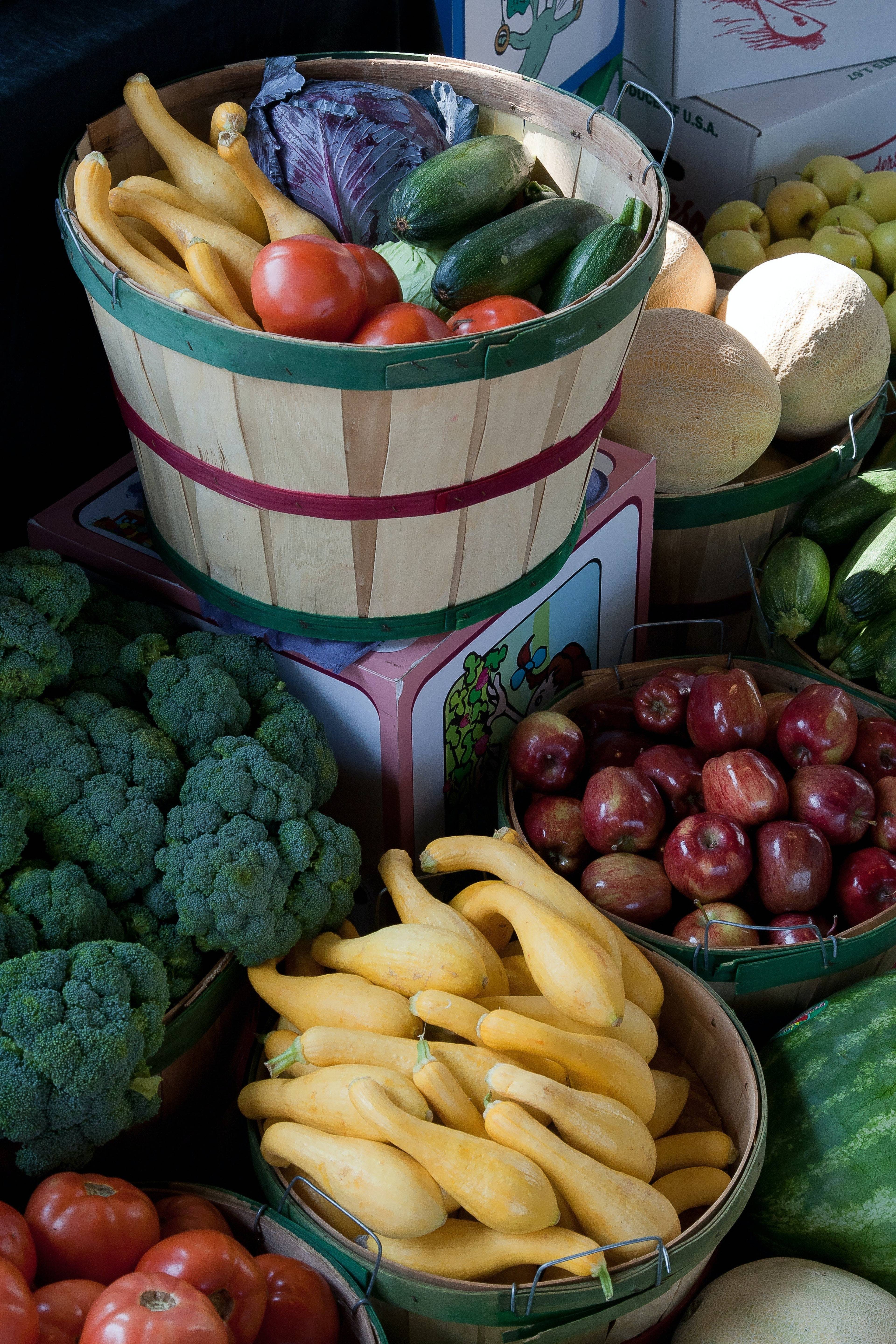
Throughout the past few years, the word “organic” has hit mainstream media and news, offering the idea that this is the healthiest form of food we can consume. While choosing organic produce is always a better option than going for conventionally grown crops (a type of farming that heavily uses pesticides, insecticides, fungicides, etc.), we unfortunately cannot rely solely on the organic label to know if a farm is TRULY organic-- or in other terms, regenerative or Biodynamic.
Regenerative agriculture is a system of farming principles that seek to enhance the entire ecosystem by placing great emphasis on soil health, water management, fertilizer use and sequestering carbon from the air back into the earth. Most regenerative farms practice low or no till on their soil because tilling erodes the soil and releases large amounts of carbon dioxide into the atmosphere. Along with this, regenerative farming practices focus on creating abundant, biodiverse ecosystems and use cover crops to enhance soil fertility. Basically… the less we mess with Mother Nature, the more we will learn her rhythms and trust in her ability to produce.
We could go on and on about farming principles, but we’d love to share some basic tips and guidelines to follow when buying produce and animal products. The best bet for knowing EXACTLY where your food is coming from is to visit your local farmers market if you have one nearby or connect with local farmers in your area. Small family farms who are growing food in an integral way will most likely always love sharing about their practices with you, so don’t be afraid to ask some questions!
We have created a list of guidelines, questions, and tips to help you in choosing the most nutrient-dense produce and food when you are at the market or grocery store.
Questions about fruit/veggies
- If at a farmers market, ask the farmers if they are farming in an organic manner. They don’t need to have a certification (the certs are very expensive to get!) but more than likely, most of them are using organic/regenerative practices.
- If they’re not certified but say they practice organically, ask them what they do for pest control-- aka in hopes they don’t use pesticides or synthetic chemicals. Most will say they don’t do anything or they may use something like neem oil to deflect pests which is OK!
- Do you use GMO seeds? (best to stay clear when possible, these seeds are made to withstand heavy pesticide spraying)
- If at a grocery store, bring your phone with you and look up the farms that your produce is coming from. Try to buy as local as possible and minimize buying crops that have traveled thousands of miles.
Dive deeper











