Does Seed Probiotic Need to be Refrigerated?

Reading time:15 min
Published:February 14, 2025
Author:
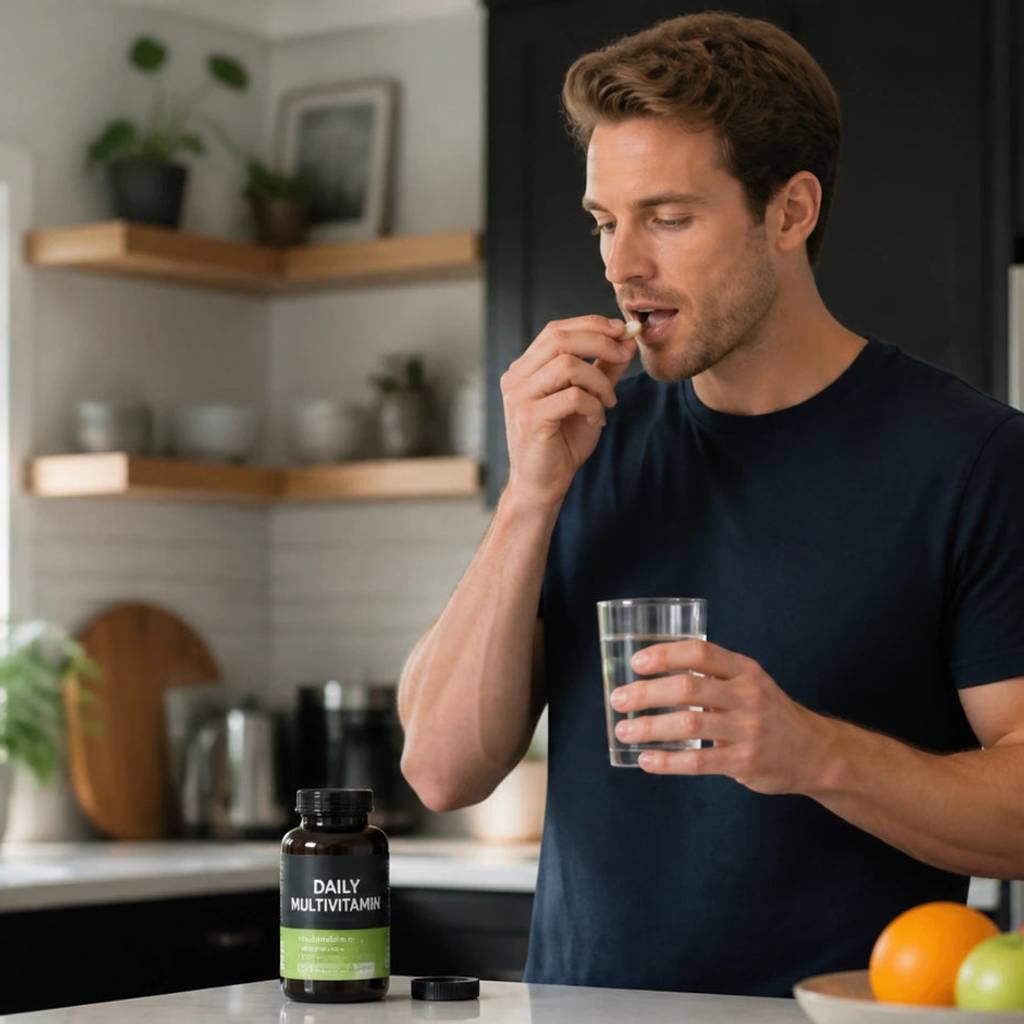
Choosing a high-quality probiotic often leads to a common question about storage: does it belong in the pantry or the refrigerator? For years, the gold standard for many live cultures was a cold environment to keep the bacteria viable. However, as supplement technology evolves, many modern formulations are designed to withstand room temperature without losing their potency.
Table of Contents
- Introduction
- The Science of Probiotic Survival
- Why Seed Probiotic Stays Out of the Fridge
- Does Refrigeration Help or Hurt?
- Comparing Delivery Systems: Liposomes vs. Nested Capsules
- Practical Storage Tips for Your Supplement Routine
- Beyond Strains: Building a Complete Gut Routine
- What to Look for in a High-Quality Probiotic
- Setting Realistic Expectations
- Conclusion
- FAQ
Introduction
Choosing a high-quality probiotic often leads to a common question about storage: does it belong in the pantry or the refrigerator? For years, the gold standard for many live cultures was a cold environment to keep the bacteria viable. However, as supplement technology evolves, many modern formulations are designed to withstand room temperature without losing their potency.
You may be looking at your jar of Seed’s DS-01 Daily Synbiotic and wondering if you should clear a spot next to the milk. Understanding how these organisms survive the trip from the warehouse to your kitchen—and eventually to your gut—is essential for getting the most out of your routine. At Cymbiotika, we believe that the effectiveness of any supplement depends entirely on its stability and how well your body can actually use the ingredients.
In this article, we will explore the specifics of probiotic storage, the technology behind shelf-stable formulas, and why the way a supplement is delivered matters just as much as where it is kept. We want to help you understand how to protect your investment in your gut health so you can feel confident in your daily choices.
Quick Answer: Seed’s DS-01 Daily Synbiotic does not require refrigeration for daily use or travel. It uses a specialized nested capsule and a moisture-controlled glass vial to keep the probiotic strains stable at room temperature for up to 18 months.
Dive deeper