
Does Creatine Do Anything If You Don't Workout?
Reading time:14 min
Published:September 27, 2025
Author:
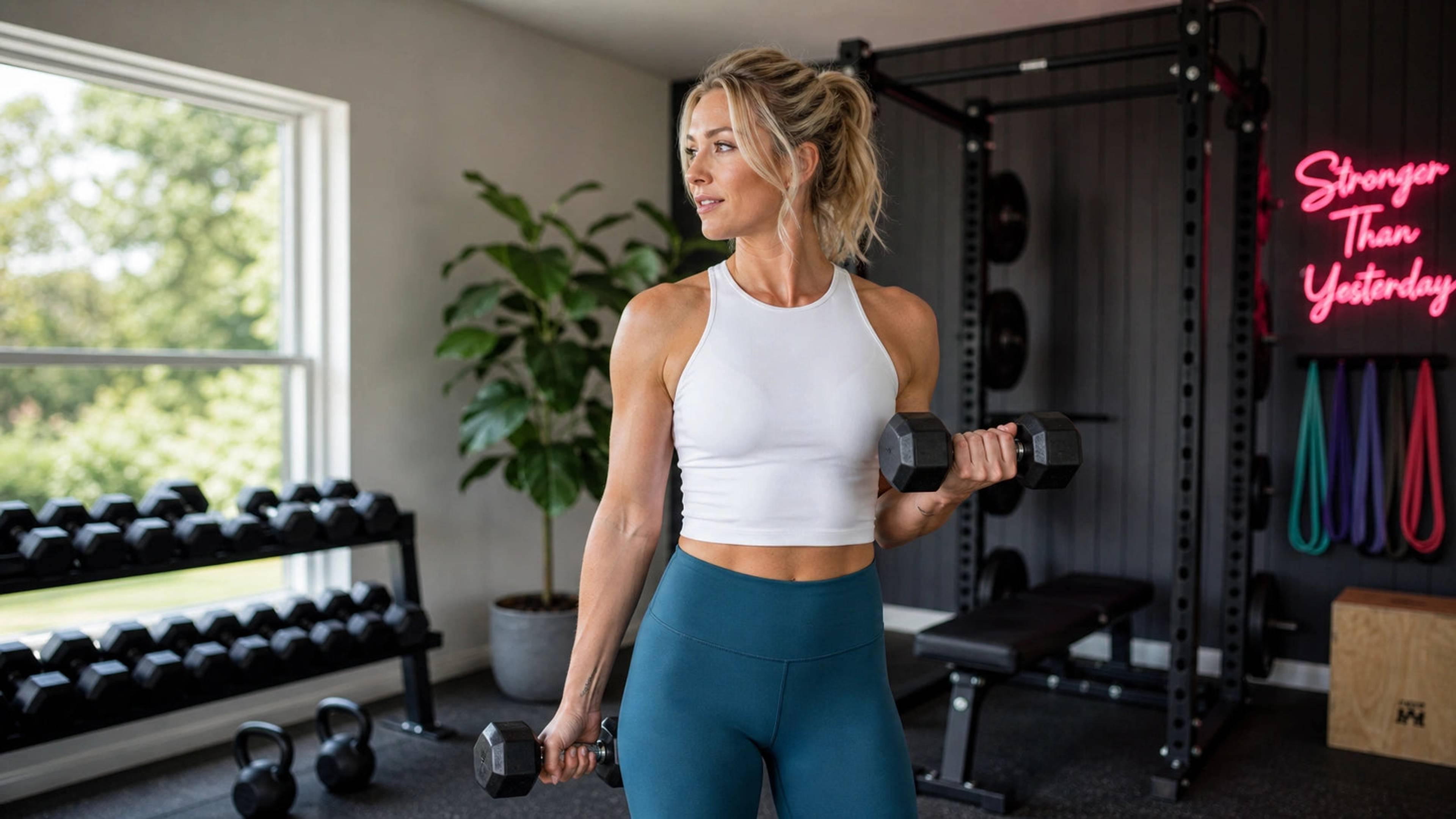
Creatine is often pictured alongside heavy dumbbells and high-intensity interval training. For years, it was pigeonholed as a supplement exclusively for those looking to "bulk up" or hit a new personal best in the weight room. However, recent science has begun to pull creatine out of the locker room and into the broader wellness conversation. You might be wondering if this powerhouse molecule offers any value on your rest days or if you have a less active lifestyle.
Table of Contents
- Introduction
- What is Creatine and How Does it Work?
- The Nootropic Benefits: Creatine for Your Brain
- Supporting the Body Through Inactivity and Recovery
- Creatine for Vegans and Vegetarians
- Metabolic Health and Cellular Energy
- Why Consistency Matters: The Saturation Effect
- Addressing Common Myths and Concerns
- Bioavailability: The Cymbiotika Difference
- Summary of Non-Exercise Benefits
- Conclusion
- FAQ
Introduction
Creatine is often pictured alongside heavy dumbbells and high-intensity interval training. For years, it was pigeonholed as a supplement exclusively for those looking to "bulk up" or hit a new personal best in the weight room. However, recent science has begun to pull creatine out of the locker room and into the broader wellness conversation. You might be wondering if this powerhouse molecule offers any value on your rest days or if you have a less active lifestyle.
At Cymbiotika, we believe that understanding the "why" behind your supplements is just as important as the ingredients themselves. This article explores the multifaceted roles of creatine beyond the gym. We will look at how it supports cellular energy, brain function, and healthy aging, regardless of your daily step count.
The short answer is that creatine is a fundamental energy precursor that supports the entire body, making it a valuable tool for cognitive health and metabolic resilience even if you aren't currently following a rigorous exercise plan.
Dive deeper











