Table of Contents
- Introduction
- The Chemistry of Lemon Juice on Skin
- Lightening vs. Brightening: What Is the Difference?
- The Risks of Using Lemon Juice Topically
- Why Bioavailability Changes the Conversation
- Advanced Delivery: The Liposomal Difference
- Supporting Your Skin From the Inside Out
- Building a Sustainable Glow Routine
- The Role of Gut Health in Skin Clarity
- Consistency Over Intensity
- Quality Standards and Transparency
- Conclusion
- FAQ
Introduction
Many of us have spent time in the kitchen looking for natural ways to support our skin. From honey masks to coffee scrubs, the pantry is often the first place we turn for DIY beauty solutions. One of the most persistent myths in the wellness world is the idea of using citrus fruits to change skin tone. Specifically, people often ask: does lemon juice lighten skin?
At Cymbiotika, we believe that nature provides the best ingredients for wellness, but they must be used with intention and scientific understanding. While lemons are packed with nutrients, applying them directly to your face is not always the best path to a radiant complexion. This article explores the science behind citric acid, the potential risks of topical lemon juice, and how internal nutrition can support a brighter appearance from the inside out.
We will cover the difference between surface exfoliation and true pigment change. We will also examine why the way your body absorbs nutrients is just as important as the ingredients themselves. Understanding the balance between topical care and internal support is the first step toward a sustainable wellness routine.
Quick Answer: Lemon juice does not technically "lighten" the underlying pigment of your skin in a controlled or safe way. It acts as a harsh exfoliant that may temporarily brighten the surface by removing dead skin cells, but it carries significant risks of irritation and sun damage.
The Chemistry of Lemon Juice on Skin
To understand why people believe lemons can lighten the skin, we have to look at what is inside the fruit. Lemons are highly acidic and contain a high concentration of citric acid. Citric acid belongs to a family of compounds known as Alpha Hydroxy Acids (AHAs).
In the world of skincare, AHAs are used to break down the "glue" that holds dead skin cells together. When you apply an acid to your skin, it speeds up the shedding process. This reveal of "new" skin underneath can create a temporary appearance of brightness. This is why people often mistake exfoliation for actual skin lightening.
Citric Acid as a Natural Exfoliant
When you apply lemon juice, the citric acid begins to dissolve the top layer of the epidermis (the outermost layer of your skin). For some, this results in a smoother texture and a more reflective surface. Because the fresh skin underneath has not yet been exposed to environmental stressors, it often looks lighter or "fresher."
However, this is a mechanical process, not a biological change in how your body produces pigment. It is a surface-level effect that does not address the deeper reasons for uneven skin tone or dark spots.
The Role of Vitamin C (Ascorbic Acid)
Lemons are also famous for their Vitamin C content. Vitamin C is a powerful antioxidant that is known to support the skin's natural ability to defend against environmental damage. In a laboratory setting, Vitamin C can help inhibit the enzyme responsible for producing melanin (the pigment that gives skin its color).
The problem with using raw lemon juice for this purpose is stability. Vitamin C is notoriously unstable. When exposed to air, light, and heat, it loses its potency almost immediately. The concentration of Vitamin C in a single lemon is also relatively low compared to a formulated serum or a high-quality supplement. Furthermore, the skin's barrier is designed to keep things out. Simply rubbing a lemon on your face does not mean the Vitamin C is reaching the deeper layers where pigment is actually created. For a more absorbable option, see our Liposomal Vitamin C.
Lightening vs. Brightening: What Is the Difference?
In the wellness industry, the terms "lightening" and "brightening" are often used interchangeably, but they mean very different things. Understanding this distinction can help you manage your expectations and choose the right approach for your routine.
What is Skin Brightening?
Brightening refers to increasing the radiance and "glow" of the skin. This is usually achieved by removing dull, dead skin cells that sit on the surface. When your skin is smooth and hydrated, it reflects light more evenly. Brightening does not change your natural skin tone; it simply makes your existing tone look its best.
What is Skin Lightening?
True skin lightening involves reducing the concentration of melanin in the skin. This usually targets hyperpigmentation, such as spots caused by sun exposure or age. This is a much more complex biological process that happens deep within the skin's layers.
Key Takeaway: Lemon juice is a crude form of brightening through exfoliation. It lacks the precision and safety required for true skin lightening, which involves regulating melanin production at a cellular level.
The Risks of Using Lemon Juice Topically
While the idea of a "natural" remedy is appealing, natural does not always mean safe. Lemon juice is extremely acidic, usually sitting at a pH of about 2. For context, the human skin barrier typically has a pH between 4.5 and 5.5. This slightly acidic environment is known as the "acid mantle," and it is crucial for keeping moisture in and bacteria out.
Disrupting the Skin Barrier
When you apply something as acidic as lemon juice to your face, you may strip away the acid mantle. This can lead to:
- Dryness and Flaking: Removing too many protective oils too quickly.
- Increased Sensitivity: Making your skin more reactive to other products or wind.
- Irritation and Redness: Direct chemical irritation from the high acid content.
Phytophotodermatitis: The "Margarita Burn"
The most significant risk of using lemon juice on the skin is a condition called phytophotodermatitis. Citrus fruits contain compounds called furanocoumarins. These chemicals are not harmful on their own, but they react violently when exposed to UV rays from the sun.
If you have lemon juice on your skin and go outside, the sun can trigger a chemical reaction that causes severe redness, blistering, and eventually, deep dark patches that can last for months. Ironically, trying to "lighten" your skin with lemon juice can lead to long-term dark spots if you are exposed to even a small amount of sunlight.
Uneven Results
Because lemons are a natural product, the concentration of acid varies from fruit to fruit. You cannot control the "dose" you are applying to your face. This often leads to splotchy results, where some areas are over-exfoliated and others are not, resulting in an uneven complexion.
Myth: Using lemon juice is a safe, natural alternative to professional skincare. Fact: Raw lemon juice is unpredictable and can cause chemical burns (phytophotodermatitis) when combined with sun exposure.
Why Bioavailability Changes the Conversation
When we talk about skin health at Cymbiotika, we always return to the concept of bioavailability. This term refers to how much of a nutrient your body can actually absorb and use. To understand why that matters, our All About Liposomes guide explains how delivery systems can change what your body actually receives.
Whether you are applying something topically or taking it as a supplement, the delivery method matters more than the ingredient itself. Standard vitamins often have poor bioavailability because they are broken down by stomach acid or cannot penetrate the skin's tough outer layer.
The Limits of Topical Absorption
The skin is a protective barrier. Its primary job is to keep foreign substances out. Most standard lotions or DIY treatments have molecules that are too large to pass through this barrier. This means that while your skin might feel different on the surface, the "active" ingredients aren't reaching the cells that need them.
The Power of Internal Nutrition
To truly support a radiant complexion, we must look at internal health. The nutrients that support skin—like Vitamin C, Glutathione, and specialized minerals—work most effectively when they are delivered through the bloodstream. This is where the gut-skin axis comes into play. When your internal systems are balanced and well-nourished, it reflects on your face.
Advanced Delivery: The Liposomal Difference
We focus heavily on liposomal delivery because it solves the problem of poor absorption. A liposome is a tiny bubble made of the same material as our cell membranes (phospholipids). By wrapping a nutrient in this phospholipid bilayer, we can protect it as it travels through the digestive system.
Standard Vitamin C supplements, for example, are often excreted by the body before they can be used. By using liposomal technology, the nutrient is designed to be absorbed more efficiently into the bloodstream. This ensures that the cells responsible for skin health actually receive the support they need.
What to do next:
- Stop applying raw citrus juice to your face to avoid chemical burns.
- Focus on internal hydration and antioxidant support.
- Consider how your body absorbs the supplements you already take.
- Look for liposomal formats to ensure your nutrients aren't going to waste.
Supporting Your Skin From the Inside Out
If your goal is a brighter, more even complexion, there are safer and more effective ways to achieve it than using lemon juice. A holistic approach focuses on providing the body with the building blocks it needs to maintain healthy skin cells and manage oxidative stress.
Vitamin C and Collagen Support
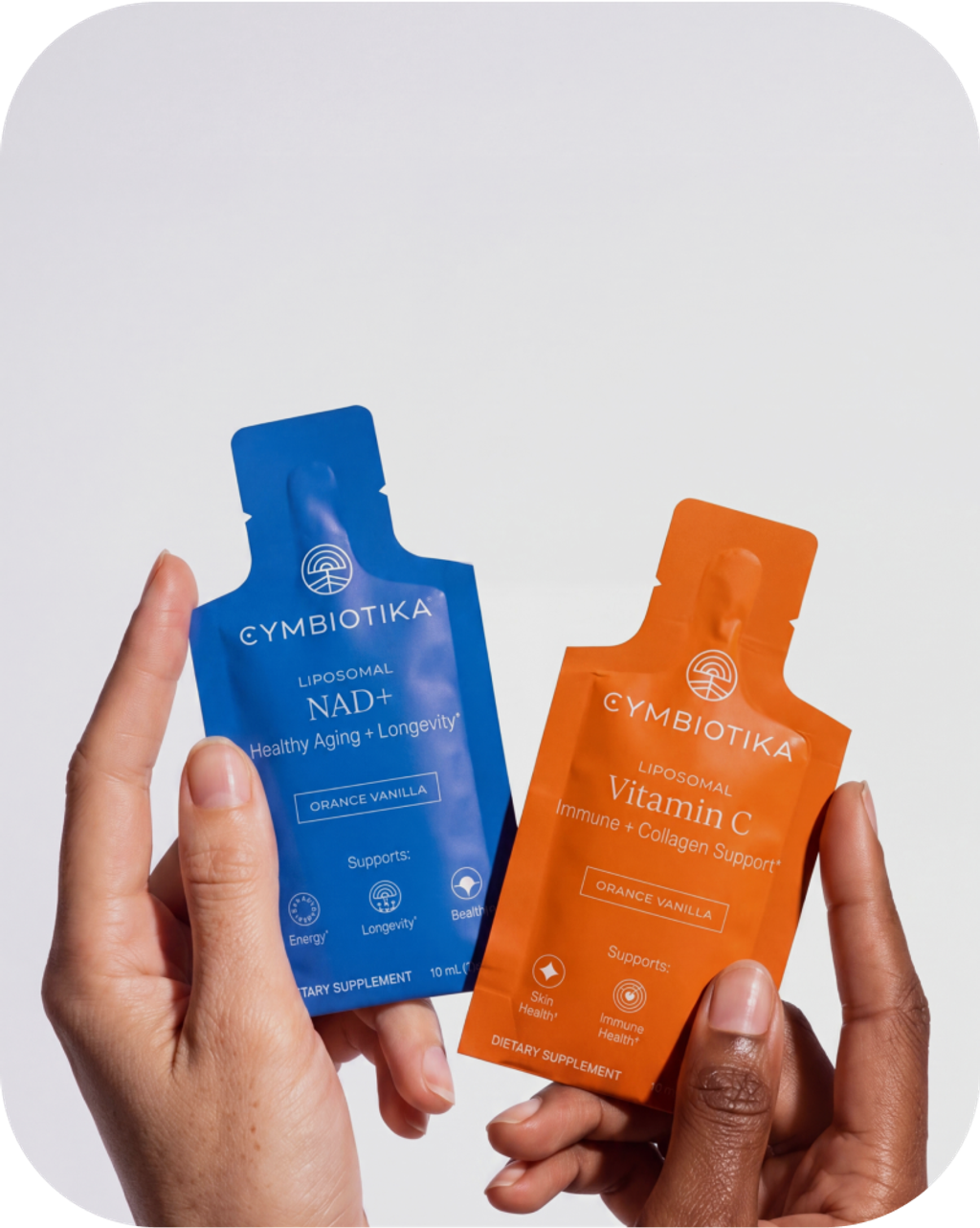
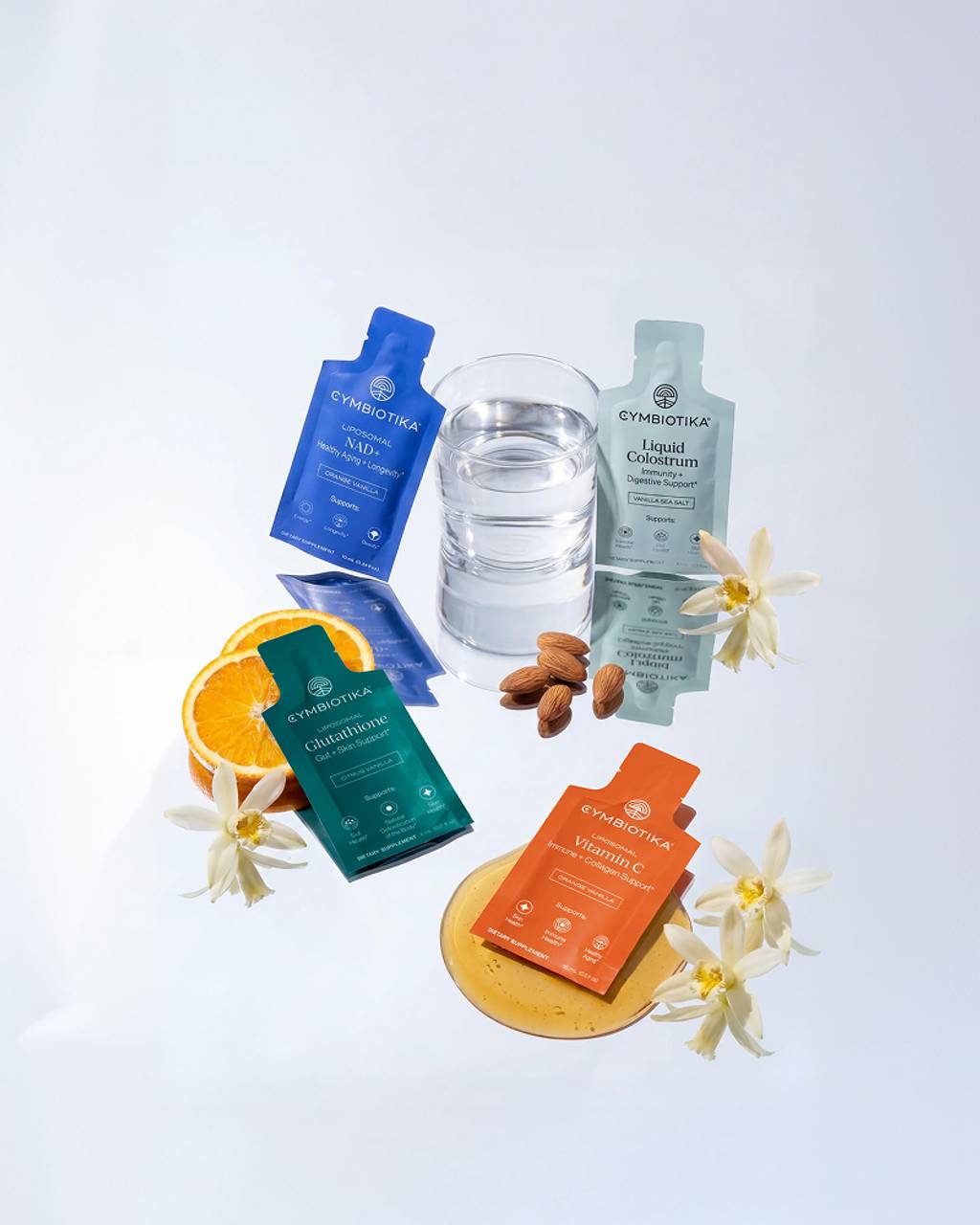
Vitamin C is essential for the production of collagen, the protein that keeps skin firm and structured. Instead of risking a chemical burn with topical lemon juice, taking a high-quality Liposomal Vitamin C can support your skin's natural repair processes. This internal support helps maintain a healthy glow without disrupting your skin's delicate pH balance.
Glutathione: The Master Antioxidant
Glutathione is often called the "master antioxidant." It plays a massive role in protecting cells from oxidative damage caused by pollution and UV light. Many people find that supporting their glutathione levels helps their skin look more vibrant. Because glutathione is notoriously difficult for the body to absorb in standard pill form, our Liposomal Glutathione is designed to maximize bioavailability.
Healthy Ageing and Cellular Energy
Radiant skin is often a byproduct of healthy cellular function. Compounds like NMN (Nicotinamide Mononucleotide) and Trans-Resveratrol support NAD+ levels, which are essential for cellular energy and repair. When your cells have the energy they need to function optimally, your skin can better defend itself against the stressors that cause dullness and spots. For a broader look at this category, explore our Healthy Aging Supplements.
Building a Sustainable Glow Routine
Instead of looking for a "quick fix" in the kitchen, consider building a routine that prioritizes consistency and high-quality sourcing. A sustainable routine should address both the surface of the skin and the internal environment.
Step 1: Gentle Surface Care
Use a pH-balanced cleanser and a dedicated sunscreen every day. Protecting your skin from UV rays is the most effective way to prevent dark spots from forming in the first place. If you want to exfoliate, use products specifically formulated for the face that contain measured amounts of AHAs or BHAs.
Step 2: Optimise Your Internal Environment
Your skin is an organ, and like any other organ, it requires specific nutrients to thrive. This includes:
- Hydration: Drinking enough water to keep skin cells plump.
- Essential Fats: The Omega-3 fatty acids found in high-quality oils support the skin's moisture barrier.
- Antioxidants: Neutralizing the free radicals that lead to premature ageing.
Step 3: Targeted Supplementation
If you have specific goals for your skin, choose supplements that are backed by science and designed for absorption. Our Healthy Glow™ formula is a great example of this. It combines ingredients like C3 Red Orange Complex and specialized antioxidants to support the skin from within. Unlike a DIY lemon mask, these ingredients are chosen for their purity and their ability to work with your body's natural systems.
Bottom line: True skin radiance comes from a combination of sun protection, gentle topical care, and high-bioavailability internal nutrition.
The Role of Gut Health in Skin Clarity
The connection between your gut and your skin is profound. If your digestive system is struggling with imbalance, it often manifests as skin issues. This is why many people see a change in their complexion when they start prioritizing gut health. A good place to begin is our Gut Health Supplements collection.
Colostrum and the Gut Lining
Liquid Colostrum contains growth factors and antibodies that support a healthy gut lining. A strong gut lining prevents unwanted particles from entering the bloodstream, which may reduce the overall "burden" on your system. Many find that this internal "seal" leads to clearer, more resilient skin.
Probiotics and Balance
A diverse microbiome supports the immune system and helps manage the body's inflammatory response. When your internal inflammation is low, your skin is less likely to appear red or irritated. We recommend a high-quality probiotic to keep the gut-skin axis in balance.
Consistency Over Intensity
One reason the "lemon juice" myth persists is that people want immediate results. However, the skin takes about 28 to 40 days to go through a full cycle of renewal. Any change you make—whether it's a new supplement or a better hydration habit—needs time to show up on the surface.
Avoid the temptation to use "intense" treatments like raw acids. These often cause damage that takes months to repair. Instead, focus on small, daily habits. Taking your Liposomal Vitamin C every morning or wearing a hat in the sun might not feel "transformative" in a single day, but over several months, the results are much more sustainable and safer than a DIY kitchen remedy.
Quality Standards and Transparency
When you choose to support your skin through nutrition, the source of those nutrients matters. Many supplements on the market contain synthetic fillers, artificial colors, and low-grade ingredients that can actually hinder your progress.
At Cymbiotika, we are dedicated to transparency. We use third-party testing to ensure that what is on the label is exactly what is in the bottle. Our formulations are non-GMO and sourced from organic or wild-crafted materials whenever possible. We believe that if you are putting something into your body to support your health, you deserve to know it is clean and effective.
Key Takeaway: Quality is not just about the name of the ingredient; it's about the sourcing, the purity, and the delivery mechanism that ensures your body actually benefits from the supplement.
Conclusion
So, does lemon juice lighten skin? While it may provide a temporary "brightening" effect through harsh exfoliation, it is not a safe or effective way to lighten skin pigment. The risks of chemical burns, chronic dryness, and increased sun sensitivity far outweigh the potential benefits.
We believe that wellness is a long-term journey, not a series of quick fixes. By focusing on high-bioavailability nutrients, supporting your gut health, and protecting your skin from the sun, you can achieve a radiant complexion that reflects your internal vitality. If you're still deciding where to begin, our What Supplements Should I Take: Supplement Quiz can help you build a more personalized routine.
Our mission is to empower you with the tools and education you need to build a routine you can trust. Whether you are looking for antioxidant support or a way to simplify your daily wellness stack, we are here to help.
- Prioritize internal nutrition with liposomal delivery for better absorption.
- Focus on the gut-skin axis by supporting your microbiome.
- Protect your skin from UV rays to prevent future hyperpigmentation.
- Choose supplements that are third-party tested and free of synthetic fillers.
For those ready to take the next step in their wellness journey, we recommend taking our What Supplements Should I Take: Supplement Quiz. It is designed to help you find a personalized routine that fits your unique needs and goals.
FAQ
Is it safe to leave lemon juice on my face overnight?
No, leaving lemon juice on your skin for an extended period is not recommended. The high acidity can severely damage your skin barrier, leading to extreme dryness, irritation, and potential chemical burns. It is much safer to use formulated skincare products that have been pH-balanced for the face.
Can lemon juice remove dark spots permanently?
Lemon juice is unlikely to remove dark spots permanently because it does not address the underlying cause of melanin production. While it might exfoliate the surface, the pigment usually returns as the skin regenerates. Professional treatments or targeted internal antioxidants are more effective strategies for managing hyperpigmentation.
What should I do if I get a "margarita burn" from lemon juice?
If you experience redness, blistering, or dark patches after using lemon juice in the sun, you should consult a healthcare provider immediately. This is a chemical reaction known as phytophotodermatitis. Avoid further sun exposure on the area and do not apply more DIY treatments, as this can worsen the irritation.
Are there better natural alternatives to lemon juice for skin brightening?
Yes, many natural ingredients are safer for the skin than raw lemon juice. Look for products containing stable forms of Vitamin C, Licorice Root, or Niacinamide. Internally, supporting your body with Liposomal Glutathione and Vitamin C can help promote a healthy, radiant glow from the inside out without the risks of topical citrus.
*These statements have not been evaluated by the Food and Drug Administration. This product is not intended to diagnose, treat, cure, or prevent any disease.