Introduction
Choosing the right supplements often feels like standing in the middle of a crowded room where everyone is shouting for your attention. You know you want to support your long-term health, but the technical jargon can make it difficult to know which path to take. When it comes to cellular defense, two names frequently top the list: Vitamin E and Glutathione. Both are powerful antioxidants, but they play very different roles in how your body manages daily stress and maintains vitality.
At Cymbiotika, we believe that understanding the "why" behind your supplements is just as important as the supplements themselves. We focus on transparency and education so you can build a routine that actually yields results. This article explores the unique properties of Vitamin E and Glutathione, how they interact within your body, and how to determine which might be the best fit for your current wellness goals, starting with our Liposomal Glutathione formula.
The question of which is "better" is rarely a simple one-to-one comparison. Instead, it is about understanding their collaborative relationship and ensuring your body can actually absorb what you are taking. We will break down the science of bioavailability, the specific benefits of each molecule, and why a combined approach is often the most effective strategy for cellular support, which is why our All About Liposomes guide is such a helpful next read.
Understanding the Role of Antioxidants
To understand whether Vitamin E or Glutathione is better for you, we first need to look at what they do. Every day, your body faces environmental stressors. These include pollution, processed foods, and even the natural byproduct of breathing and moving. These stressors create free radicals.
Free radicals are unstable molecules that can cause oxidative stress. Think of oxidative stress like rust on a car. If left unchecked, it can wear down the "machinery" of your cells. Antioxidants are the cleanup crew. They neutralize free radicals before they can do significant damage.
Vitamin E and Glutathione are two of the most important members of this crew. While they both fight oxidative stress, they operate in different areas of the cell and use different methods to keep you healthy.
What is Vitamin E?
Vitamin E is not actually a single substance. It is a group of eight fat-soluble compounds. The most well-known and biologically active form in humans is alpha-tocopherol. Because it is fat-soluble, Vitamin E lives primarily in the fatty parts of your body, such as your cell membranes.
Your cell membranes are like the "walls" of your cells. They keep the good things in and the bad things out. Vitamin E sits inside these walls and acts as a shield. It prevents the fats in your cell membranes from going rancid (a process called lipid peroxidation). This is why Vitamin E is so frequently associated with skin health and the health of your eyes and heart.
What is Glutathione?
Glutathione is often called the "master antioxidant." Unlike Vitamin E, which you must get from your diet, your body can produce its own Glutathione. It is a tripeptide made from three amino acids: cysteine, glutamate, and glycine.
Glutathione is water-soluble and is found in high concentrations in almost every cell in your body, particularly in the liver. It doesn't just neutralize free radicals; it also helps the liver process toxins and supports the immune system. As we age, our natural production of Glutathione tends to decline, which is why many people look to supplementation to maintain their levels, especially when choosing from our Healthy Aging Supplements collection.
Quick Answer: Neither is objectively "better" because they serve different functions. Vitamin E protects cell walls (lipid-based), while Glutathione protects the interior of the cell and helps the liver detoxify. They work most effectively when used together.
The Relationship Between Vitamin E and Glutathione
One of the most fascinating aspects of human biology is how these two antioxidants interact. They do not work in isolation. In fact, they are part of a continuous cycle often called the "antioxidant network."
When Vitamin E neutralizes a free radical, it becomes "used up." It loses its ability to protect the cell until it is "recharged." This is where Glutathione (and Vitamin C) comes in. Glutathione provides the necessary electrons to "recycle" Vitamin E, bringing it back to life so it can continue its job of protecting your cell membranes.
Without enough Glutathione, your Vitamin E levels may struggle to stay effective. Conversely, Vitamin E has been shown to help maintain Glutathione levels by reducing the total amount of oxidative stress the body has to deal with. This collaborative relationship means that if you are deficient in one, the other has to work twice as hard.
Key Takeaway: Vitamin E and Glutathione exist in a recycling loop. Glutathione helps "recharge" Vitamin E after it neutralizes a free radical, allowing the Vitamin E to continue protecting your cell walls.
Why Bioavailability Changes Everything
You could take the highest dose of a supplement available, but it won't matter if your body cannot absorb it. This is the concept of bioavailability. It refers to the amount of a substance that actually enters your bloodstream and becomes available for your cells to use.
Standard supplements face a major hurdle: the digestive system. Many antioxidants are fragile. When you swallow a traditional capsule or tablet, it must survive the harsh acids of your stomach. For many people, standard oral Glutathione is broken down by enzymes before it can ever reach the cells that need it most.
The Power of Liposomal Delivery
This is why we focus so heavily on delivery systems at Cymbiotika. To solve the problem of poor absorption, we utilize liposomal delivery.
A liposome is a tiny, microscopic bubble made of phospholipids. These are the same healthy fats that make up your own cell membranes. This "bubble" acts as a protective shield for the nutrient inside.
- Protection: The liposome protects the Vitamin E or Glutathione from being destroyed by stomach acid.
- Absorption: Because the liposome is made of the same material as your cell walls, your body recognizes it and allows it to pass easily into the bloodstream.
- Efficiency: This delivery method is designed to support absorption at the cellular level, ensuring you get the most out of every dose.
When you compare a standard Vitamin E pill or Glutathione powder to a liposomal formulation, the difference in potential absorption is significant. We believe that if you are investing in your health, you should choose a format that your body can actually utilize, and our Liposomal Vitamin C is another example of that approach.
Comparing the Benefits: Vitamin E vs. Glutathione
If you are trying to decide which one to focus on, it helps to look at your specific wellness goals. While they overlap in their antioxidant roles, they have distinct "specialties."
When to Prioritize Vitamin E
Vitamin E is an essential nutrient, meaning your body cannot make it on its own. You must get it from food (like nuts, seeds, and leafy greens) or supplements. You might prioritize Vitamin E if you are focused on:
- Skin Health: Because it protects against lipid peroxidation, Vitamin E is a favorite for maintaining skin elasticity and protecting against environmental damage.
- Immune Support: Vitamin E plays a role in the function of T-cells, which are critical for a healthy immune response.
- Eye and Heart Health: It helps protect the fatty tissues in the eyes and cardiovascular system from oxidative damage.
When to Prioritize Glutathione
Glutathione is the backbone of your body's internal defense system. You might prioritize Glutathione if you are focused on:
- Detoxification: The liver uses Glutathione to bind to toxins and heavy metals, making them easier for the body to flush out.
- Mitochondrial Support: Glutathione protects the mitochondria—the "powerhouses" of your cells—which can help maintain steady energy levels.
- Healthy Aging: Since natural Glutathione levels drop as we age, supplementing can help support cellular longevity and reduce the cumulative effects of oxidative stress.
- Cognitive Support: The brain is highly susceptible to oxidative stress, and Glutathione is one of its primary defenders.
Myth: Taking more milligrams of an antioxidant always leads to better results. Fact: Higher doses don't always mean better health. High doses of standard supplements are often wasted due to poor absorption. Quality and delivery method matter more than the raw milligram count.
How to Choose Which is Right for You
For most people, the answer isn't "one or the other," but rather "how do I use them together?" However, your lifestyle can provide clues about where to start.
Scenario A: You are focused on vitality and energy. If you feel sluggish or are worried about the effects of a modern, high-stress lifestyle, Glutathione may be the better starting point. Its role in liver support and mitochondrial health makes it a powerhouse for internal "housekeeping," especially when paired with the broader support in our Energy Supplements.
Scenario B: You are focused on physical appearance and exterior health. If your primary goal is supporting your skin, hair, and nails, or if you don't get many healthy fats in your diet, Vitamin E may be your priority.
Scenario C: You want a comprehensive approach. Many people choose to take both. Because Glutathione recycles Vitamin E, taking them in combination—especially in a liposomal format—creates a robust defense system that covers both the interior and the exterior of your cells, while our Immune Defense Supplements collection can be a useful place to browse related support.
What to Look For in a Supplement
Regardless of which you choose, the quality of the product determines the quality of your results. We recommend looking for the following markers of excellence:
- Liposomal Format: As discussed, this is designed to bypass the digestive issues associated with standard powders.
- Third-Party Testing: Ensure the brand tests for purity and potency so you know exactly what is in the bottle.
- No Synthetic Fillers: Avoid products with unnecessary sugars, artificial colors, or flow agents like magnesium stearate.
- Clean Sourcing: Look for non-GMO ingredients and sustainable sourcing practices.
How to Build Your Routine
Adding these antioxidants to your day doesn't have to be complicated. Consistency is the key to seeing long-term changes in how you feel.
Step 1: Identify your primary goal. / Decide if you want to focus on liver and cellular energy (Glutathione) or skin and immune support (Vitamin E). Step 2: Choose a liposomal format. / Opt for a delivery method designed for high bioavailability to ensure the nutrients reach your cells. Step 3: Time it right. / Most people find that taking antioxidants in the morning on an empty stomach—or as directed by the packaging—helps with consistent absorption. Step 4: Monitor your progress. / Supplements aren't an overnight fix. Give your body 30 to 90 days of consistent use to notice shifts in your energy, skin, or overall well-being.
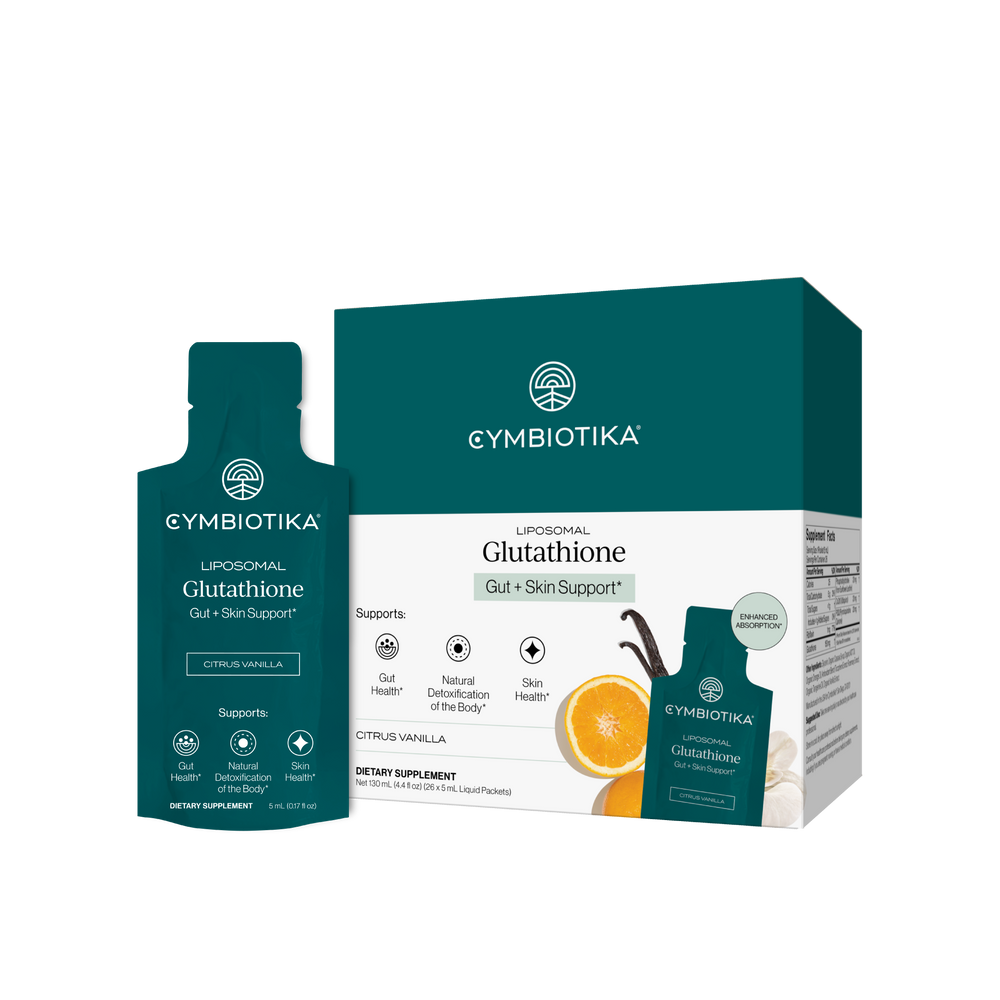
Our Liposomal Glutathione is a popular choice for those looking to support their body's master antioxidant levels. It uses a phospholipid bilayer to protect the Glutathione, making it a highly effective way to bolster your internal defenses. We also offer various formulas that include Vitamin E as part of a broader nutrient profile, such as our Liposomal Vitamin D3 + K2 + CoQ10 range, which provides fat-soluble support for the heart and bones.
Bottom line: While Vitamin E and Glutathione have different "territories" in the body, they are teammates in the fight against oxidative stress. Choosing the right one depends on your specific goals, but both require a high-quality delivery system to be effective.
The Importance of Lifestyle Support
No supplement can replace the foundations of health. While Vitamin E and Glutathione provide incredible support, they work best when paired with a lifestyle that doesn't constantly deplete them.
- Diet: Eat sulfur-rich foods like garlic, onions, and cruciferous vegetables (broccoli, kale) to provide the building blocks your body needs to make its own Glutathione.
- Sleep: Your body does much of its "antioxidant repair" while you sleep. Poor sleep can lead to increased oxidative stress.
- Hydration: Water is essential for flushing out the toxins that your liver and Glutathione work so hard to process.
- Reduce Exposure: Limiting your exposure to cigarette smoke, excessive alcohol, and environmental pollutants can help preserve your natural antioxidant stores.
Final Thoughts on Cellular Wellness
At the end of the day, the question "which is better" matters less than the question "which will my body actually use?" We are committed to providing the highest quality, most bioavailable supplements possible because we know that true wellness starts with trust. We don't believe in "miracle" pills; we believe in science-forward formulations that empower you to take control of your health.
If you are still unsure where to begin, we recommend taking our Health Quiz. It is designed to help you narrow down your needs based on your unique lifestyle and health goals. Whether you choose to start with the master protection of Glutathione or the cell-wall defense of Vitamin E, building a routine based on quality and consistency is the best gift you can give your future self.
Key Takeaway: Wellness is not about finding one "perfect" ingredient. It is about creating a sustainable routine with bioavailable nutrients that work together to support your body's natural resilience.
FAQ
Can I take Vitamin E and Glutathione together?
Yes, taking them together is actually often recommended. Because Glutathione helps recycle Vitamin E in the body, they work collaboratively to provide a more comprehensive shield against oxidative stress.
Is oral Glutathione worth taking if it has low absorption?
Standard oral Glutathione is often broken down during digestion, which can limit its effectiveness. However, liposomal Glutathione is designed to protect the molecule through the digestive tract, significantly supporting its bioavailability and cellular uptake.
Which is better for skin, Vitamin E or Glutathione?
Both offer unique benefits for the skin. Vitamin E is excellent for protecting the skin's lipid barriers and supporting moisture, while Glutathione is often used to support a more even skin tone and protect against deep cellular damage.
Should I talk to a doctor before starting these supplements?
It is always a good idea to consult with a healthcare professional before starting a new supplement routine, especially if you are pregnant, nursing, or taking medication. They can help you determine the appropriate serving size for your specific health needs.