Introduction
Your liver is often described as the silent workhorse of the body. Every single minute, this vital organ filters about one and a half liters of blood, identifying nutrients to keep and toxins to neutralize. It is a tireless processing center that handles everything from the food you eat to the environmental pollutants you encounter. To perform these demanding tasks, the liver relies heavily on a specific molecule known as glutathione.
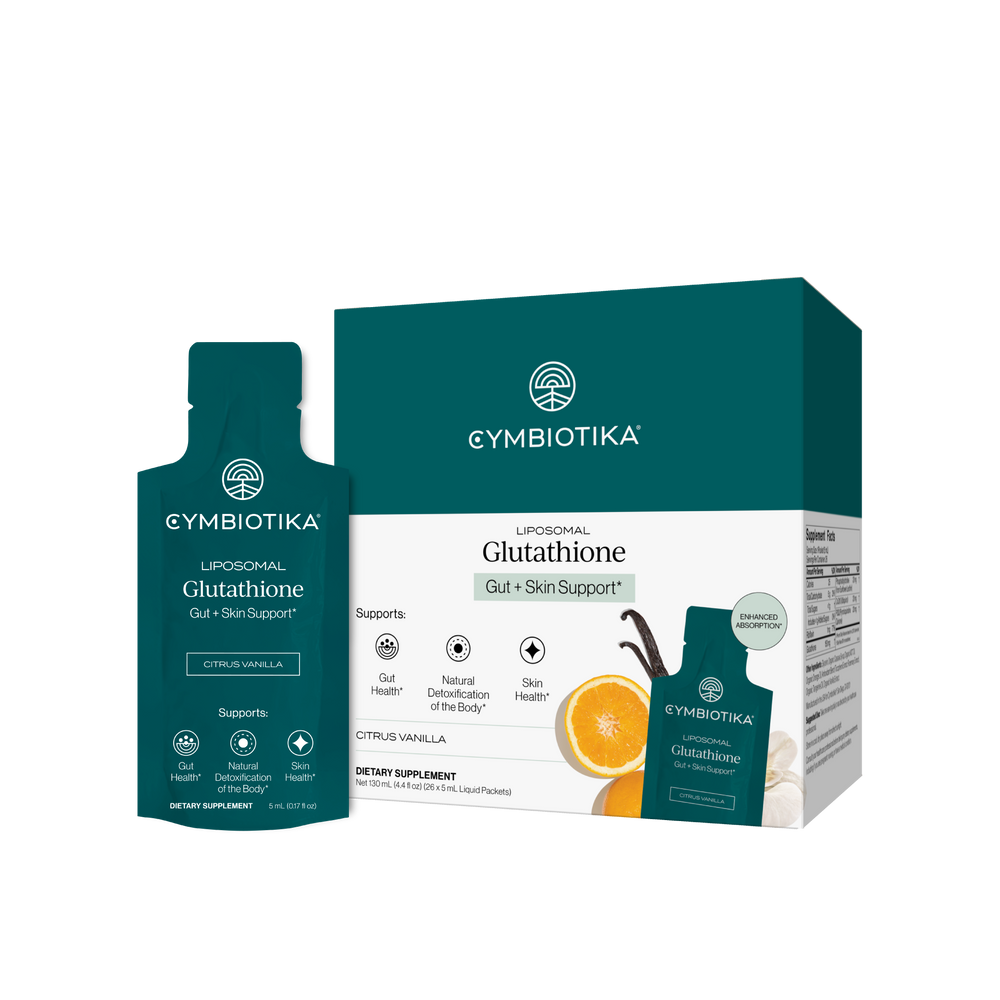
At Cymbiotika, we understand that supporting your liver is not about quick fixes or trendy cleanses. It is about providing your body with the cellular tools it needs to function optimally. You may have heard glutathione called the master antioxidant, a title it earned because of its presence in nearly every cell and its central role in detoxification. However, not all glutathione is created equal when it comes to how your body uses it, which is why our Liposomal Glutathione is designed with delivery in mind.
This article explores the specific relationship between glutathione and liver health. We will examine why this molecule is so critical, how the liver uses it to manage oxidative stress, and why the delivery method—specifically liposomal delivery—is the most important factor in whether a supplement actually supports your goals. Our focus is on helping you understand the science of bioavailability so you can make informed decisions for your wellness routine.
Quick Answer: Liposomal glutathione may support liver health by providing the body with a highly absorbable form of its primary antioxidant. Unlike standard supplements that break down in digestion, the liposomal format protects the glutathione, allowing it to reach the liver and support natural detoxification pathways and cellular protection.
What Is Glutathione?
To understand why glutathione is so important for the liver, we first need to look at what it is. Glutathione is a tripeptide, which is a small protein molecule made from three specific amino acids: cysteine, glutamate, and glycine. While your body can produce its own glutathione, several factors can deplete your natural stores. Stress, environmental toxins, poor nutrition, and the natural process of aging can all lead to lower levels.
Glutathione exists in two states in the body. There is the reduced form (GSH), which is the active state that neutralizes free radicals, and the oxidized state (GSSG), which is what remains after the glutathione has done its job. In a healthy body, the ratio of active glutathione to oxidized glutathione remains high. When this ratio shifts, it is often a sign that the body is dealing with high levels of oxidative stress—an imbalance where there are too many free radicals and not enough antioxidants to neutralize them.
The liver acts as the primary reservoir for glutathione. In fact, the concentration of glutathione in healthy liver cells is significantly higher than in almost any other part of the body. This is because the liver is the frontline of defense. It needs a massive supply of antioxidants to protect its own tissues while it breaks down harmful substances.
The Bioavailability Challenge
Standard oral glutathione supplements often struggle with low bioavailability. Bioavailability refers to the amount of a substance that actually enters the bloodstream and becomes available for the body to use. When you take a traditional glutathione capsule, the digestive enzymes in your stomach and small intestine often break the molecule down into its individual amino acids before it can ever reach your liver. If you want a deeper look at that delivery problem, our article on why liposomal glutathione is essential for daily wellness breaks it down further.
Breaking down into amino acids is not the same as delivering intact glutathione. While your body can use those amino acids to try and rebuild glutathione, this is an inefficient process, especially if your system is already under stress. If the goal is to specifically support the liver, the glutathione needs to arrive at the destination intact and ready to work.
This is why the question "is liposomal glutathione good for the liver" always comes back to delivery. If the supplement is destroyed by stomach acid, it cannot provide the direct support the liver requires. To solve this, researchers turned to liposomal technology, which changes how the nutrient moves through the digestive tract. For a broader educational overview, you can also explore the Healthy Aging Supplements collection.
How Liposomal Delivery Works
Liposomal delivery involves encapsulating the glutathione molecule inside a liposome. A liposome is a tiny, microscopic bubble made of phospholipids. These are the same types of fats that make up your own cell membranes. Because the liposome "mimics" the structure of a cell, the body recognizes it and allows it to pass through the digestive system more easily.
The phospholipid bilayer acts as a protective shield. It guards the glutathione against the harsh, acidic environment of the stomach. Once the liposomes reach the small intestine, they can be absorbed directly into the lymphatic system and the bloodstream. This bypasses the first-pass metabolism in the liver that often degrades standard nutrients, allowing for much higher absorption rates at the cellular level.
Think of a liposome like a high-tech delivery vehicle. While a standard supplement is like a package left out in the rain, a liposomal supplement is a package placed in a waterproof, armored truck. It ensures the contents arrive exactly where they are needed—in this case, your cells and your liver.
Key Takeaway: Bioavailability is the single most important factor in glutathione supplementation. Liposomal delivery uses a phospholipid shell to protect the nutrient from digestion, designed to support absorption at the cellular level and ensure the liver receives the support it needs.
Why Your Liver Needs Glutathione
The liver performs two main phases of detoxification. Both of these phases rely heavily on the presence of antioxidants, but glutathione is the star of the second phase. Understanding these phases helps illustrate why keeping your glutathione levels topped up is so vital for long-term wellness. For a more detailed read, see Is Glutathione Good for Liver Detox? Benefits & Facts.
Phase One: Transformation
In the first phase, the liver uses enzymes to take a toxin and turn it into a more reactive form. This makes the toxin easier for the body to deal with later, but it also creates a temporary byproduct: free radicals. If these free radicals are not neutralized immediately, they can cause damage to the liver cells themselves. Glutathione is there to act as the first line of defense during this transition.
Phase Two: Conjugation
In the second phase, the liver attaches a molecule to the toxin to make it water-soluble so it can be flushed out of the system. This process is called conjugation. Glutathione is the primary molecule used for this attachment. It essentially "handcuffs" itself to the toxin, rendering it harmless and allowing it to be excreted through bile or urine.
Without enough glutathione, toxins can "back up" in the system. If Phase One is working but Phase Two is sluggish because of a glutathione deficiency, reactive intermediates can accumulate. This can lead to cellular stress and may affect how well the liver functions over time.
Potential Benefits of Liposomal Glutathione for Liver Support
When you supplement with a high-quality liposomal glutathione, you are essentially providing the liver with the raw materials it needs to maintain its natural defense systems. Here are several ways this may support your health:
- Reducing Oxidative Stress: By neutralizing free radicals generated during daily life—from processed foods to city air—glutathione helps protect liver cells (hepatocytes) from damage.
- Supporting Enzyme Balance: Research has suggested that consistent glutathione levels may help support healthy levels of liver enzymes, such as ALT and AST, which are common markers of liver wellness.
- Assisting in Lipid Metabolism: The liver is responsible for processing fats. Glutathione may support the liver’s ability to manage lipids and prevent the accumulation of fats within liver tissue.
- Recycling Other Antioxidants: Glutathione is unique because it can "recharge" other antioxidants like Vitamin C and Vitamin E, making your entire antioxidant defense system more efficient. Our Liposomal Vitamin C fits naturally into that broader antioxidant conversation.
Our Liposomal Glutathione is formulated with these pathways in mind. We use a sophisticated liposomal delivery system to ensure that the active glutathione survives the journey through your digestive tract. By prioritizing bioavailability, we help you bridge the gap between taking a supplement and actually seeing the benefits in your daily energy and wellness.
Signs Your Liver Might Benefit from Support
Many people don't realize their liver is under stress until they start to feel the secondary effects. Because the liver is involved in so many processes—from digestion to hormone balance—the symptoms of a "sluggish" liver can be broad. You might consider glutathione support if you experience:
- Persistent Fatigue: If your liver is busy dealing with a high toxic load, it has less energy to devote to metabolic processes that keep you feeling alert.
- Sensitivity to Chemicals: Finding that you are suddenly bothered by strong smells, perfumes, or cleaning products can be a sign that your detox pathways are overwhelmed.
- Brain Fog: When the liver isn't effectively clearing metabolic waste, it can impact cognitive clarity and focus.
- Skin Issues: The skin is often a mirror of internal health. When the liver is stressed, the body may try to eliminate toxins through the skin, leading to blemishes or dullness.
Factors That Deplete Your Liver’s Glutathione
It is helpful to look at glutathione like a bank account. You can make "deposits" through nutrition and supplementation, but daily life creates "withdrawals." Certain habits and environmental factors can drain your glutathione stores faster than your body can replenish them.
Alcohol consumption is one of the primary depleters of glutathione. When the liver breaks down alcohol, it produces acetaldehyde, a toxic byproduct that requires massive amounts of glutathione to neutralize. Frequent alcohol use can leave the liver’s "cupboard" bare, making it harder for the organ to handle other routine tasks.
Environmental toxins are another constant drain. Pesticides on produce, heavy metals in water, and pollution in the air all require glutathione for processing. Even common over-the-counter medications can put a significant strain on the liver, as the body must use its antioxidant stores to metabolize these substances.
Aging naturally reduces our internal production. Studies show that as we get older, our cells become less efficient at synthesizing glutathione. This is one reason why supporting the liver becomes even more critical as we move into different stages of life.
| Factor | Impact on Glutathione | Suggested Action |
|---|---|---|
| Alcohol | High Depletion | Limit intake and hydrate well. |
| Processed Foods | Moderate Depletion | Focus on sulfur-rich vegetables. |
| Environmental Pollution | Constant Drain | Use air filters and organic produce. |
| Stress | High Depletion | Practice mindfulness and prioritize sleep. |
| Aging | Gradual Decline | Supplement with liposomal formats. |
How to Incorporate Liposomal Glutathione into Your Routine
Adding a supplement to your day is most effective when it is done with intention. For those looking to support liver health, consistency is more important than taking a large dose all at once.
Timing matters for some people. Many find that taking glutathione on an empty stomach, about 15 to 20 minutes before a meal, allows for the best absorption. This prevents the liposomes from getting "tangled" in the digestion of heavy proteins or fats.
Support the supplement with your diet. You can help your body's natural glutathione production by eating foods high in sulfur, such as garlic, onions, and cruciferous vegetables (broccoli, kale, Brussels sprouts). These provide the raw amino acids the body needs to maintain its own internal synthesis alongside your supplement.
Hydration is the liver's best friend. Glutathione helps package toxins for removal, but your body needs water to actually flush those toxins out. Aim for consistent water intake throughout the day to support the elimination phase of the detox process.
Key Takeaway: To get the most out of glutathione, combine a high-bioavailability liposomal supplement with a diet rich in sulfur-containing vegetables and plenty of water. This multi-angled approach supports both the supply of antioxidants and the removal of toxins.
Myth vs. Fact: Glutathione and the Liver
Myth: All glutathione supplements are the same.
Fact: Standard glutathione capsules are often broken down in the stomach before they reach the liver. Liposomal glutathione is specifically designed to bypass this breakdown, making it much more effective for liver support. If you want to browse more formulas in this category, start with the Healthy Aging Supplements collection.
Myth: You only need glutathione if you drink alcohol.
Fact: While alcohol depletes glutathione, so do stress, pollution, and aging. Most adults can benefit from antioxidant support regardless of their lifestyle habits.
Myth: Taking more milligrams always leads to better results.
Fact: When it comes to supplements, absorption is more important than the dose. A lower dose of liposomal glutathione will often provide more benefit than a high dose of a standard powder that the body cannot absorb.
The Holistic Perspective: Beyond Just the Liver
While we are focusing on whether liposomal glutathione is good for the liver, it is important to remember that the body is an interconnected system. When you support the liver, you are essentially supporting every other system in your body.
Immune support is a major secondary benefit. A large portion of your immune system is located in the gut and influenced by liver health. Glutathione supports the function of white blood cells, particularly natural killer (NK) cells, which are your body's first responders to internal threats.
Cellular energy and mitochondrial health are also linked. Mitochondria, the "powerhouses" of your cells, are very sensitive to oxidative stress. By keeping free radicals in check, glutathione helps protect the mitochondria, which many people experience as a more stable, consistent sense of energy throughout the day. For a related ingredient angle, you can explore Liposomal Vitamin C as part of a broader antioxidant routine.
Skin health often improves when the liver is supported. As the liver becomes more efficient at clearing waste, the body doesn't need to rely on the skin as a secondary exit for toxins. Many people notice a "healthy glow" and clearer complexion after several weeks of consistent glutathione support.
What to Look for in a Quality Supplement
If you decide to add glutathione to your routine, quality and transparency should be your top priorities. Because the wellness market is crowded, it is important to look for specific markers of excellence:
- Liposomal Technology: Ensure the product explicitly uses liposomal delivery. Check for "phospholipids" or "liposomal" on the label.
- Clean Ingredients: Avoid supplements that use synthetic fillers, artificial colors, or unnecessary sweeteners. Your liver is already working hard; you don't want to give it more additives to process.
- Third-Party Testing: Trusted brands will test their batches for purity and potency, ensuring that what is on the label is actually in the bottle.
- Stable Formulation: Glutathione can be unstable and easily oxidized. High-quality liquid liposomal formats or specifically designed capsules are often the best ways to ensure the product remains active until you take it.
At Cymbiotika, our mission is built on these pillars of trust. We don't just put ingredients in a bottle; we design delivery systems that respect the biology of the human body. Our Liposomal Glutathione is crafted with high-quality phospholipids and is third-party tested to ensure you are receiving a potent, clean, and effective supplement. To see the full range of formulas that fit this philosophy, visit All Products.
Conclusion
The liver is a remarkable organ that works around the clock to protect you. Providing it with the right support can make a significant difference in how you feel, how you age, and how your body handles the stressors of modern life. Glutathione is undeniably the cornerstone of liver health, but its effectiveness depends entirely on its ability to be absorbed.
Liposomal glutathione offers a science-forward solution to the problem of bioavailability. By protecting this delicate "master antioxidant" from the digestive process, you give your liver a direct supply of the tools it needs for detoxification and cellular protection.
Wellness is a journey of consistency. While supplements are a powerful tool, they work best as part of a lifestyle that includes clean water, whole foods, and mindful living. Our mission is to empower you with the education and the formulations you need to build a routine that lasts. If you are unsure where to start your journey, we recommend taking the Health Quiz on our website to receive a personalized recommendation based on your unique goals.
Bottom line: Liposomal glutathione is an excellent choice for liver support because it overcomes the absorption barriers that limit standard supplements, providing targeted cellular protection where it is needed most.
FAQ
Is it safe to take liposomal glutathione every day?
Yes, many people find that daily supplementation provides the most consistent support for their liver and antioxidant levels. Because glutathione levels naturally decline with age and daily stress, a consistent routine helps maintain a steady "reservoir" in your cells. As with any supplement, it is a good idea to start with the recommended dose and consult your healthcare provider if you have specific health concerns.
How long does it take to see results from glutathione?
Results vary from person to person based on their baseline health and toxin exposure. Some people report feeling improvements in energy and mental clarity within the first two weeks of consistent use. For more long-term benefits, such as improvements in skin health or liver enzyme support, it is often recommended to stay consistent for at least three to four months.
Are there any side effects to taking glutathione?
Glutathione is a substance naturally produced by the body and is generally very well-tolerated. Some people may experience mild digestive changes or bloating when they first start, as the body adjusts to the liposomal format. If you have any history of specific health conditions, always talk to your doctor before beginning a new supplement routine.
Can I get enough glutathione from food alone?
While you can get the precursors for glutathione from foods like garlic, onions, and cruciferous vegetables, it is difficult to get a therapeutic dose of "ready-to-use" glutathione from diet alone. Furthermore, the glutathione found in food faces the same digestive hurdles as standard supplements. For targeted liver support, a liposomal supplement is often a more reliable way to ensure high bioavailability.