Introduction
Glutathione is a powerful antioxidant tripeptide composed of cysteine, glycine, and glutamic acid. It plays a critical role in protecting cells from oxidative stress and supporting detoxification. Whether glutathione needs to be refrigerated depends on the formulation, but many products are best kept cold to help preserve potency. At Cymbiotika, we believe proper storage is essential to maintaining supplement effectiveness and ensuring you receive the full benefits of the "master antioxidant."
Quick Answer: While specific requirements vary by formulation, many glutathione products are best kept refrigerated to maintain potency. Always consult the product label, as some formulas only remain stable at room temperature for a very limited time.
What is Glutathione?
Glutathione is the body's primary antioxidant and is found in every cell, with the highest concentrations located in the liver. It helps detoxify harmful substances, though our natural production typically decreases as we age.
Benefits of Glutathione
Glutathione supports several key health areas:
- Detoxification: Neutralizes free radicals and helps the liver process harmful substances.
- Immune Support: Enhances the activity of lymphocytes (white blood cells).
- Cellular Protection: Guards against oxidative damage that can contribute to chronic disease and aging.
- Skin Health: Often used to support skin-brightening and reduce hyperpigmentation.
Factors Affecting Glutathione Stability
Several environmental factors can influence the stability and effectiveness of your glutathione supplements:
1. Temperature
Glutathione is sensitive to heat fluctuations. High temperatures can lead to rapid degradation, while extreme cold, such as freezing, may compromise the product's structure.
2. Light Exposure
Ultraviolet (UV) light can degrade the compound over time. It is best to use opaque containers and store them in dark environments.
3. Oxygen Exposure
Oxygen can oxidize glutathione, causing it to lose its antioxidant potency. Keeping the container tightly sealed after every use is crucial.
Key Takeaway: Heat, light, and oxygen are the main forces that weaken glutathione; storage should minimize all three to protect potency.
The Importance of Proper Storage
Proper storage protects glutathione from environmental stressors, prolonging shelf life and maximizing health benefits.
| Storage Scenario | Guidelines |
|---|---|
| Refrigeration | Frequently recommended after opening to enhance shelf life and maintain potency. |
| Room Temperature | Only suitable for a brief window, usually 5-7 days, provided the product was kept cool before opening. |
| Liposomal Formulations | Specialized lipid-encased formulas; storage needs vary by brand, so label-checking is essential. |
Key Takeaway: Refrigeration is commonly recommended after opening because room-temperature stability is only brief. Since liposomal formulas vary, always follow the brand-specific instructions on the label.
Refrigeration: A Common Recommendation
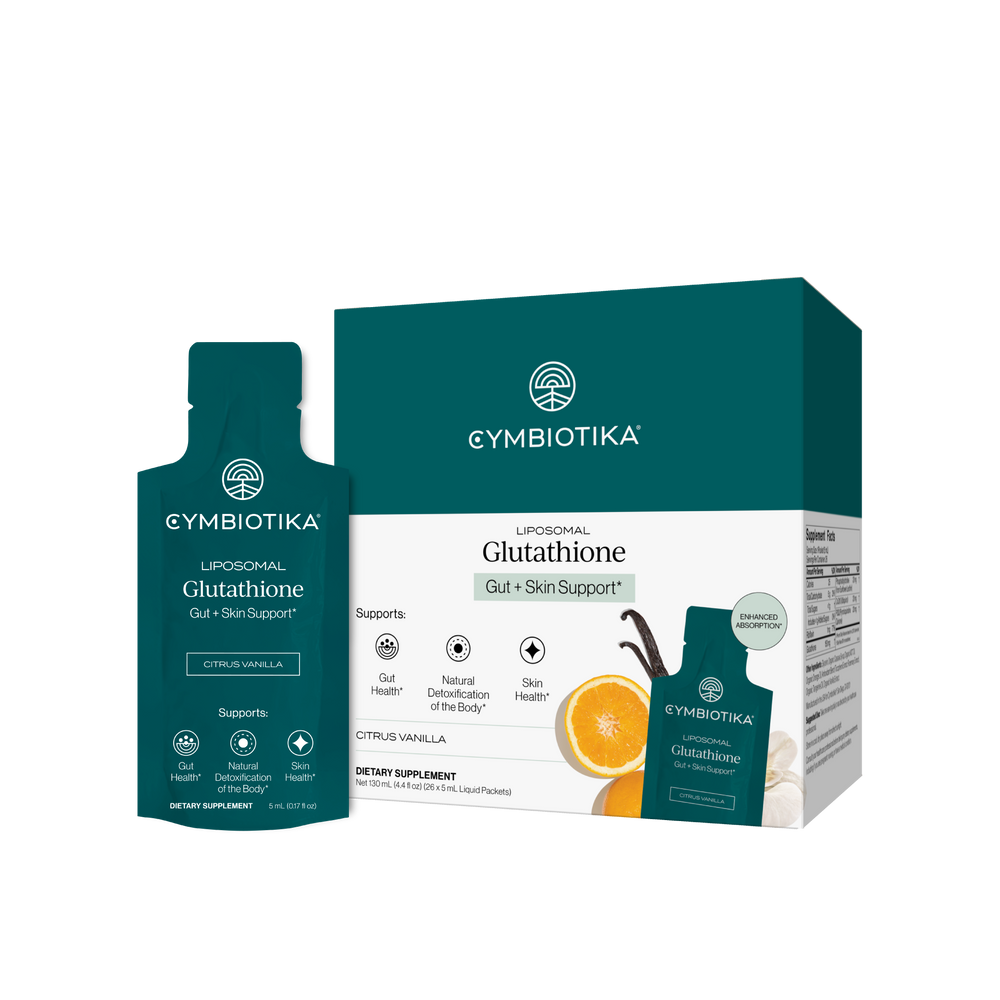
Many manufacturers recommend refrigeration to protect potency. For Liposomal Glutathione, which is encased in lipid layers for better absorption, requirements vary. Some brands require refrigeration immediately after opening, while others are stable at room temperature for only a short time.
Room Temperature Storage
If a product is kept cool before opening, it can typically withstand room temperature for a period of 5-7 days. However, prolonged heat exposure will eventually lead to degradation.
Recommended Storage Conditions for Glutathione
To keep your supplements effective, follow these practices:
- Refrigerate After Opening: If the label recommends it, store the product in the fridge to slow degradation.
- Keep Away from Direct Sunlight: Use a dark cabinet or cupboard to block light.
- Seal Tightly: Close the bottle immediately after use to prevent oxidation.
- Avoid Heat Sources: Keep bottles away from stoves, windowsills, or other areas with temperature fluctuations.
- Check Expiration Dates: Monitor dates and discard products that are past their prime.
Signs of Degradation and Spoilage
If you are unsure if your supplement is still effective, look for these indicators:
- Change in Color: Darkening or color shifts often indicate oxidation.
- Separation: Unusual consistency or liquid separation suggests the formula has broken down.
- Unpleasant Odor: A rancid or sulfurous smell is a strong indicator that the product has spoiled.
If these signs appear, avoid using the supplement and consult the manufacturer.
Practical Tips for Maintaining Supplement Potency
- Follow Label Instructions: Always adhere to the specific storage directions on your bottle.
- Purchase from Reputable Brands: Choose transparent brands like Cymbiotika that prioritize high-quality ingredients.
- Use an AI Quiz: If you are unsure which supplement fits your goals, Cymbiotika's AI quiz provides tailored recommendations.
Conclusion
Whether glutathione needs refrigeration depends on the formulation and delivery method. While cold storage often enhances shelf life, some products remain stable at room temperature for short periods. By following specific storage guidelines, you can maximize the benefits of your supplements and support your health.
FAQ
1. Does glutathione need to be refrigerated? While refrigeration is recommended for many glutathione products to maintain potency, some formulations can remain stable at room temperature for a limited time. Always check the specific storage instructions on the product label.
2. What are the signs that glutathione has gone bad? Signs of degradation include changes in color, separation of liquid, and unpleasant odors. If you notice any of these signs, it’s best to discard the product.
3. How should I store my glutathione supplements? Store your glutathione supplements in a cool, dark place, ideally in the refrigerator after opening. Ensure the bottle is tightly sealed and kept away from heat sources.
4. Can glutathione be taken with other supplements? While glutathione is generally safe, it’s a good practice to consult with a healthcare provider before combining it with other supplements, especially if you have existing health conditions.
5. Where can I learn more about the best supplements for my needs? If you're looking for personalized supplement recommendations, take our AI quiz at Cymbiotika's AI quiz.