Introduction
You may have heard glutathione described as the "master antioxidant," a heavy-hitting molecule that helps your body manage oxidative stress and stay in balance. Many people turn to this supplement specifically to support liver health, given the liver is the primary site where this tripeptide is produced and used. However, with the rise of high-dose supplements and various delivery methods, a common question has surfaced: can glutathione cause liver damage?
At Cymbiotika, we believe that understanding the science behind your supplements is the first step toward true wellness. When it comes to glutathione, the conversation isn't just about how much you take, but how your body absorbs it and the quality of the source. While glutathione is generally recognized as a protector of the liver rather than a cause of injury, the nuances of formulation and dosage are critical.
This article explores the relationship between glutathione and the liver, addressing safety concerns, potential side effects, and the importance of bioavailability. If you want a broader look at how glutathione fits into a whole-body routine, the Healthy Aging Supplements collection is a helpful place to begin.
Quick Answer: In most cases, glutathione does not cause liver damage; instead, it is used by the liver to protect against oxidative stress and toxins. However, extremely high doses or poorly formulated supplements with synthetic fillers may strain the body, making bioavailability and purity essential factors for safety.
What is Glutathione?
To understand its safety profile, we must first define what glutathione actually is. It is a tripeptide—a small protein-like molecule—composed of three specific amino acids: cysteine, glutamate, and glycine. Unlike many other antioxidants that you must get primarily from your diet, your body can manufacture its own glutathione within its cells.
Glutathione acts as a primary defense mechanism. It patrols your cells, looking for free radicals—unstable molecules that can damage proteins, fats, and DNA. By neutralizing these threats, it helps maintain cellular integrity and supports the immune system.
For a deeper breakdown of the molecule itself, our guide on What Is Glutathione Made Up Of? explains the structure in more detail.
The liver maintains the highest concentration of glutathione in the body. This is because the liver is the central station for detoxification. It processes everything from the food you eat to the air you breathe and the medications you take. Without enough glutathione, the liver cannot effectively neutralize the reactive compounds produced during these metabolic processes.
The Liver-Glutathione Connection
The liver performs hundreds of functions, but its role in detoxification is perhaps the most famous. This process happens in two primary phases. In Phase I, enzymes begin breaking down toxins into intermediate forms. These intermediates are often more reactive and potentially more harmful than the original toxin.
Phase II detoxification is where glutathione shines. Through a process called conjugation, glutathione binds to these reactive intermediates, making them water-soluble. This allows your body to safely escort them out through bile or urine. Without adequate glutathione levels, these reactive molecules can linger, leading to what is known as oxidative stress.
If you are looking for a targeted option that supports this pathway, Liver Health+ is designed to complement a liver-focused routine.
Oxidative stress occurs when there is an imbalance between free radicals and antioxidants. In the liver, persistent oxidative stress can lead to cellular fatigue and long-term damage. This is why glutathione is often studied for its ability to support the liver during times of environmental or metabolic stress. It acts as a buffer, ensuring the liver’s "cleaning crew" has the tools it needs to finish the job.
Key Takeaway: Glutathione is the liver's primary tool for Phase II detoxification, turning harmful, reactive substances into water-soluble waste that can be safely eliminated from the body.
Can Glutathione Cause Liver Damage?
The concern regarding whether glutathione can cause liver damage often stems from a misunderstanding of how the body processes supplements. Current scientific literature suggests that glutathione itself is not hepatotoxic (toxic to the liver). In fact, it is frequently used in clinical settings to support liver function when the organ is under significant stress.
However, there are three specific contexts where the "damage" question becomes relevant:
1. High-Dose Injectables and Quality Concerns
In some regions, high-dose glutathione injections are marketed for skin brightening. Regulatory agencies in various countries have raised concerns about these high-dose IV treatments, not necessarily because of the glutathione itself, but because of the potential for impurities, incorrect dosages, or the physiological stress of bypassing the body’s natural filtration systems. When supplements are manufactured without strict quality controls, contaminants can put a strain on the liver.
2. The Role of Synthetic Fillers
Many standard oral glutathione capsules contain synthetic fillers, flow agents (like magnesium stearate), or artificial colors. While these are considered safe in small amounts, a routine that involves multiple low-quality supplements can increase the liver’s "toxic load." The liver has to process these non-nutritive additives, which is why we emphasize the importance of clean, transparent formulations.
3. Masking Underlying Issues
There is a risk that someone might use glutathione to "self-treat" a liver issue without professional guidance. If an individual has a significant health challenge and relies solely on supplements while ignoring medical advice, the underlying condition may progress. In this scenario, the supplement isn't causing the damage, but the delay in proper care might.
Why Bioavailability is the Real Safety Metric
When you take a standard glutathione pill, it must survive the harsh environment of your digestive tract. The stomach contains enzymes designed to break down proteins and peptides. Because glutathione is a tripeptide, these enzymes often dismantle it into its individual amino acids before it ever reaches your bloodstream.
This lack of bioavailability—the degree to which a nutrient is absorbed and used by the body—is a major hurdle. If a supplement isn't absorbed, the body has to work to eliminate the unabsorbed material. For a closer look at how delivery changes absorption, All About Liposomes explains why this matters.
We address this challenge through liposomal delivery. A liposome is a tiny, microscopic bubble made of phospholipids—the same material that makes up your own cell membranes. By wrapping the glutathione in this lipid layer, we protect it from stomach acid and enzymes.
Liposomal delivery allows the glutathione to be absorbed more efficiently in the small intestine, delivering it directly into the bloodstream and to the cells that need it most. If you want a deeper dive into the format itself, our guide on What Is Liposomal Glutathione and Its Benefits? walks through the basics.
Common Misconceptions About Glutathione
Understanding the facts can help alleviate concerns about whether this antioxidant is safe for your routine.
Myth: Taking glutathione will make your liver stop producing its own. Fact: There is little evidence to suggest that moderate supplementation causes a "shutdown" of natural production. Instead, it provides the body with extra resources during times of high demand, such as periods of high stress or environmental toxin exposure.
Myth: All glutathione supplements are the same. Fact: The delivery method (liposomal vs. standard) and the purity of the ingredients dramatically change how the body responds. Standard oral glutathione is often broken down before it can reach the liver, whereas liposomal formats are designed for high absorption.
If you want to compare formats more directly, Does Liposomal Glutathione Work? is a useful next step.
Myth: More is always better. Fact: The body functions best on a "Goldilocks" principle—not too much, and not too little. While glutathione is very safe, flooding the system with massive doses of any single nutrient can create imbalances. Consistency and quality matter more than sheer quantity.
Potential Side Effects and Precautions
While glutathione is generally well-tolerated, some people may experience mild side effects, especially when starting a new routine. These are usually related to the body’s detoxification process or the digestive system’s adjustment to a new supplement format.
- Digestive Discomfort: Some users report mild bloating, gas, or abdominal cramps. This is more common with standard capsules than with liposomal liquids.
- Zinc Depletion: Long-term, high-dose glutathione supplementation has been linked to a potential decrease in zinc levels. If you plan on taking glutathione for an extended period, it may be beneficial to monitor your mineral levels.
- Allergic Reactions: Though rare, some individuals may be sensitive to certain sulfur-containing compounds. If you experience a rash or difficulty breathing, stop use and consult a professional immediately.
- Asthma Sensitivity: There is some evidence that inhaled glutathione (used in specific clinical settings) might trigger wheezing in people with asthma. Oral and liposomal forms typically do not carry this same risk, but caution is always advised for those with respiratory sensitivities.
For more context on safety and routine planning, Is Liposomal Glutathione Safe? is a helpful resource.
Important: If you are pregnant, nursing, or taking medication for a diagnosed health condition, you should always consult your healthcare provider before adding glutathione to your routine. While it is a natural molecule, your individual health history is the best guide for dosage.
How to Support Your Liver Naturally
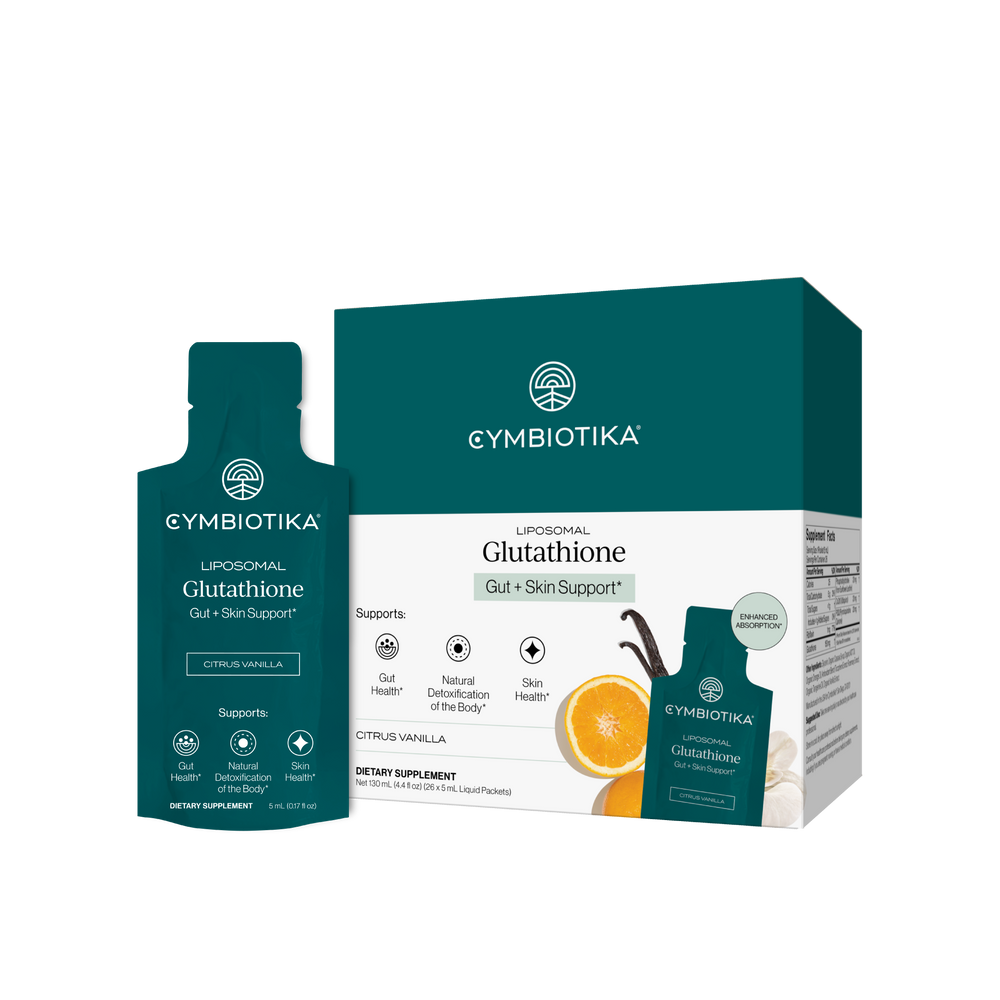
Taking a supplement like our Liposomal Glutathione is a powerful way to support your body, but it works best when paired with a lifestyle that respects the liver's workload. Supporting your primary detox organ is a holistic process.
Prioritize Hydration
Water is the medium through which toxins are flushed from the body. Without adequate hydration, the water-soluble compounds created during Phase II detoxification (thanks to glutathione) cannot be easily eliminated. Aim for filtered water throughout the day to support the kidneys and liver.
Reduce the Toxic Load
You can "save" your glutathione for the important work by reducing the number of toxins your body has to process. This includes:
- Minimizing alcohol consumption.
- Choosing organic produce when possible to avoid pesticide residue.
- Using clean personal care and cleaning products to reduce environmental toxin exposure.
- Checking labels for synthetic fillers and dyes in your other supplements.
Eat Sulfur-Rich Foods
Since your body builds glutathione from amino acids, providing the raw materials through diet can help. Foods high in sulfur support the production of cysteine, the rate-limiting amino acid for glutathione synthesis.
- Cruciferous vegetables (broccoli, Brussels sprouts, kale).
- Allium vegetables (garlic, onions, leeks).
- High-quality protein sources (grass-fed meats, eggs, legumes).
Consider Targeted Formulations
In addition to glutathione, other nutrients can support liver pathways. Our Liver Health+ is designed to provide comprehensive support by combining ingredients that aid the liver's natural regeneration and detoxification processes. By taking a multi-angled approach, you ensure that no single pathway is overwhelmed.
Comparing Supplement Formats
If you are looking to start a glutathione routine, the format you choose will dictate your results.
| Format | Absorption Level | Pros | Cons |
|---|---|---|---|
| Standard Capsule | Low | Inexpensive, widely available | Easily destroyed by stomach acid; low bioavailability. |
| Liposomal Liquid | High | Bypasses digestion; reaches cells directly; easy to dose. | Higher cost due to advanced technology. |
| IV Drip | Very High | 100% bypasses digestion; immediate delivery. | Expensive; requires professional administration; invasive. |
| Sublingual | Moderate | Bypasses some digestive enzymes through the mouth. | Can have a strong sulfur taste; inconsistent absorption. |
Bottom line: For daily use, liposomal delivery offers the best balance of high bioavailability and convenience without the invasive nature of an IV.
Building Your Routine
Step 1: Start with a clean slate. Evaluate your current supplements. Remove any that contain artificial fillers or unnecessary dyes that might be adding to your liver's workload.
Step 2: Focus on bioavailability. Choose a liposomal glutathione. Because the body absorbs it so well, you often only need a small daily serving to support your antioxidant levels.
Step 3: Timing matters. Many people find that taking glutathione on an empty stomach, about 15–20 minutes before a meal, allows for the best absorption. However, if you have a sensitive stomach, taking it with a light meal is also effective.
Step 4: Stay consistent. Antioxidant support is not a one-time event. It is a daily practice. Consistent, moderate levels of support are more beneficial than occasional high doses.
If you are still deciding where to begin, the Cymbiotika Health Quiz can help personalize the next step in your routine.
The Role of Precursors
Sometimes, the best way to support glutathione levels is to provide the "building blocks." N-acetyl cysteine (NAC) is a popular precursor that the body uses to create its own glutathione. Many people choose to supplement with NAC alongside glutathione to ensure the body has both the finished product and the raw materials to make more.
For readers who want to understand why delivery matters before choosing a format, Is Liposomal Glutathione Absorbed? is a practical companion read.
However, NAC can also be hard on the stomach for some people. This is why many health-conscious adults prefer a direct, liposomal glutathione. It takes the guesswork out of the equation by providing the exact molecule the liver needs to protect itself and perform its detox duties.
The Cymbiotika Mission
We believe that wellness starts with trust. That means being transparent about what goes into our bodies and how those ingredients actually work. We don't just create supplements; we design delivery systems that ensure your body can actually use the nutrients you’re providing.
Our Liposomal Glutathione is a reflection of this mission. It is non-GMO, made with high-quality ingredients, and free from the synthetic fillers that can complicate liver health. By focusing on bioavailability, we empower you to build a routine that is both effective and sustainable. We know that real health isn't about quick fixes; it's about giving your body the consistent, high-quality support it needs to thrive in a modern world.
Conclusion
To answer the central question: glutathione is highly unlikely to cause liver damage when used as intended. In fact, it is one of the liver's most important allies. The concerns often associated with liver stress come down to poor-quality supplements, synthetic additives, or extreme, unregulated dosages.
By choosing a high-quality, liposomal format, you are working with your body’s natural biology. You are providing the "master antioxidant" in a form that respects the complexity of your digestive system and delivers support directly to your cells.
If you are ready to take the next step in personalizing your wellness journey, we invite you to take the Cymbiotika Health Quiz. It’s a simple way to find the specific nutrients that align with your unique health goals and lifestyle.
- Trust the process: Glutathione is a natural protector of your cells.
- Prioritize quality: Avoid synthetic fillers that add to your liver's "to-do" list.
- Focus on absorption: Liposomal delivery ensures your body gets what's on the label.
"Wellness is not a destination, but a series of small, informed choices that add up over time. Choosing bioavailable, clean supplements is one of the most impactful choices you can make for your long-term vitality."
FAQ
Can I take glutathione if I already have liver concerns?
While glutathione is often used to support liver health, you should always consult your healthcare provider if you have a pre-existing condition. They can help you determine the correct dosage and ensure it doesn't interact with any other treatments you may be receiving.
Does glutathione interact with common medications?
Glutathione is a naturally occurring molecule in the body, but it can potentially interact with certain chemotherapy drugs or other medications metabolized by the liver. Always share your full supplement list with your doctor to ensure your routine is safe and effective for your specific needs.
How long does it take to see the benefits of glutathione?
Results vary depending on your starting levels and lifestyle. Some people notice improvements in energy or mental clarity within a few weeks of consistent use, while the more significant benefits to liver support and cellular health typically accumulate over several months of a steady routine.
Is it better to take glutathione or its precursor, NAC?
Both have their place in a wellness routine. NAC provides the building blocks for your body to create glutathione, while liposomal glutathione provides the direct molecule for immediate use. Many people find that taking the direct, liposomal form is more efficient because it bypasses the body's need to synthesize the protein, which can be helpful if the body is already under stress.