Table of Contents
- Introduction
- The Founder: Bikram Choudhury
- The Core Elements of the Practice
- The Evolution of Hot Yoga
- Supporting Your Body During Intense Practice
- The Science of Heat and Recovery
- Why Lineage and Quality Matter
- Conclusion
- FAQ
Introduction
The practice of hot yoga has become a staple in the modern wellness landscape. You may have stepped into a room heated to over 100 degrees, moved through a rigorous sequence of postures, and left feeling both exhausted and invigorated. This specific style of high-heat Hatha yoga, characterized by a set sequence of 26 postures, is known as Bikram Yoga. It was created by Bikram Choudhury, a figure who fundamentally changed how the Western world views the relationship between heat, discipline, and physical health.
Understanding the origins of this practice offers insight into why it remains so popular today. At Cymbiotika, we believe that wellness is a journey involving both tradition and modern science. Whether you are a seasoned practitioner or a curious beginner, knowing the history of your practice helps you build a more intentional routine. This article will explore the life of the founder, the specific elements that define the practice, and how you can support your body when engaging in such an intense physical discipline.
By the end of this guide, you will have a clear understanding of the lineage of hot yoga and the importance of supporting your body’s recovery through high-quality, bioavailable nutrition.
Quick Answer: Bikram Yoga was created by Bikram Choudhury in the early 1970s. It consists of a specific sequence of 26 Hatha yoga postures and two breathing exercises performed in a room heated to 105°F with 40% humidity.
The Founder: Bikram Choudhury
Bikram Choudhury was born in Calcutta, India, in 1946. He began practicing yoga at a very young age, reportedly starting his journey at just three years old. He was a student of Bishnu Charan Ghosh, the younger brother of Paramahansa Yogananda (the author of the famous Autobiography of a Yogi). Ghosh was a well-known physical culturist in India who focused on the therapeutic and physical benefits of Hatha yoga.
Under Ghosh’s tutelage, Choudhury developed a deep understanding of the human body and the "therapeutic" application of yoga postures. He was a competitive athlete in his youth, winning several national yoga championships in India. This background in competitive physical culture deeply influenced the rigorous, disciplined nature of the style he eventually created.
The Move to the West
In the early 1970s, Choudhury moved to the United States, eventually settling in Los Angeles. It was here that he founded the Yoga College of India and began teaching his unique sequence. He quickly gained a following among celebrities and athletes, which helped propel his style into the mainstream. The 1970s and 80s saw a massive boom in the popularity of his classes, leading to the establishment of thousands of franchised studios worldwide.
The Philosophy of Discipline
The practice was never intended to be easy. Choudhury often described his classrooms as "torture chambers," a term he used to emphasize the discipline required to stay in the heat and complete the postures. This philosophy was based on the idea that through extreme physical challenge, one could achieve mental clarity and physical resilience. The focus was on "locking the knee" and pushing past perceived physical limits to find a new level of strength.
The Core Elements of the Practice
What distinguishes this style from other forms of yoga is its rigidity. While many modern yoga classes vary based on the teacher’s preference, a traditional Bikram class is identical no matter where in the world you take it.
The 26 Postures and 2 Breathing Exercises
The sequence is designed to systematically move fresh, oxygenated blood to one hundred percent of the body. Each posture prepares the body for the next, stretching and strengthening specific muscles, ligaments, and joints.
- Standing Deep Breathing (Pranayama): To expand the lungs and increase oxygen intake.
- Half Moon Pose with Hands to Feet Pose: To stretch the spine and improve core strength.
- Awkward Pose: To strengthen the legs and improve joint health.
- Eagle Pose: To open the major joints of the body.
- Standing Head to Knee Pose: To improve balance and concentration.
- Standing Bow Pulling Pose: To support the cardiovascular system.
- Balancing Stick Pose: To strengthen the heart muscle.
- Standing Separate Leg Stretching Pose: To support the nervous system.
- Triangle Pose: A comprehensive posture for the whole body.
- Standing Separate Leg Head to Knee Pose: To support metabolic function.
- Tree Pose: To improve posture and hip mobility.
- Toe Stand Pose: To strengthen the knees and ankles.
- Dead Man’s Pose (Savasana): To allow the body to reset between postures.
- Wind Removing Pose: To support digestive health.
- Sit Up: To strengthen the core and increase flexibility.
- Cobra Pose: To support the lower back.
- Locust Pose: To strengthen the upper back.
- Full Locust Pose: To support the middle spine.
- Bow Pose: To open the chest and improve spinal strength.
- Fixed Firm Pose: To stretch the hips and knees.
- Half Tortoise Pose: To provide a deep stretch for the shoulders.
- Camel Pose: To open the front of the body.
- Rabbit Pose: To provide a maximum longitudinal stretch of the spine.
- Head to Knee Pose with Stretching Pose: To improve circulation to the legs.
- Spine Twisting Pose: To support spinal health and detoxification.
- Blowing in Firm Pose (Kapalbhati): To expel toxins and improve respiratory function.
The Role of Heat and Humidity
The room is heated to 105°F (40.5°C) with a humidity level of 40%. This environment is designed to mimic the climate of India. The heat serves several purposes:
- Increased Flexibility: It allows the muscles to warm up quickly, reducing the risk of injury during deep stretches.
- Vasodilation: The heat causes blood vessels to expand, which may support improved circulation.
- Sweating: This is the body’s primary way of cooling itself, and practitioners believe it helps flush out impurities through the skin.
Key Takeaway: The 26-posture sequence was designed by Bikram Choudhury to systematically address every system in the body, using high heat to facilitate deeper stretching and cardiovascular challenge.
The Evolution of Hot Yoga
In recent years, the name "Bikram Yoga" has become less common in many studios, replaced by the more general term "Hot 26" or simply "Hot Yoga." This shift is due to several factors, including legal battles over the "copyrighting" of yoga sequences and widely publicized controversies surrounding the founder.
Note: Many modern studios now teach the 26+2 sequence without the formal "Bikram" branding, often focusing on a more inclusive and therapeutic atmosphere while maintaining the physical rigor of the original postures.
This evolution has allowed the practice to grow beyond the personality of its creator. Many people find that the structured nature of the sequence provides a sense of meditative focus that is hard to find in more variable classes. It offers a predictable challenge that allows practitioners to measure their progress over time.
Supporting Your Body During Intense Practice
Performing 90 minutes of yoga in 105-degree heat is a significant stressor on the body. While many find it rewarding, it requires careful attention to hydration, mineral balance, and recovery. If you are not replacing what you lose through sweat, you may experience fatigue, muscle cramps, or a "yoga hangover."
The Importance of Bioavailability
When you are pushing your body in a hot room, the quality of your supplements matters. Bioavailability refers to how well your body can actually absorb and use the nutrients you consume. Many standard vitamins and minerals are in a form that the body struggles to process, meaning much of the supplement is wasted.
We focus on advanced delivery methods, such as liposomal delivery, to solve this problem. A liposome is a tiny bubble made of the same material as your cell membranes (a phospholipid bilayer). By wrapping nutrients in this bubble, we can help them pass through the digestive system and be absorbed more effectively at the cellular level.
Essential Minerals for Hot Yoga
Sweating is not just about losing water; it is about losing electrolytes. These are minerals that carry an electric charge and are vital for muscle contraction and nerve signals.
- Magnesium: This mineral is essential for muscle relaxation and recovery. Many people are deficient in magnesium, and the intense sweating of hot yoga can further deplete your levels. Our Magnesium Complex is designed to support the nervous system and muscle function, helping you avoid cramps after a tough class.
- Trace Minerals: Beyond the major electrolytes like sodium and potassium, your body needs a full spectrum of trace minerals. We offer Pürblack Pure Mineral Shilajit Live Resin, which contains over 84 minerals and fulvic acid. This ancient substance may support energy levels and cellular health, making it an excellent addition to a high-intensity wellness routine.
Myth: Drinking plain water is enough to stay hydrated during hot yoga. Fact: Excessive sweating removes minerals (electrolytes) along with water. Replacing only the water can lead to an imbalance called hyponatremia. You must also replace minerals like magnesium, potassium, and sodium to stay truly hydrated.
The Science of Heat and Recovery
The physical response to a 105-degree room is complex. As your internal temperature rises, your heart rate increases to pump blood to the skin’s surface for cooling. This provides a cardiovascular workout similar to a brisk walk or light jog, even though you are mostly staying on your mat.
Heart and Cellular Support
The combination of heat and intense stretching can be taxing on your heart and mitochondria (the "powerhouses" of your cells). Supporting your cellular energy is a key part of longevity for any athlete. CoQ10 and PQQ are often used to support heart health and energy production.
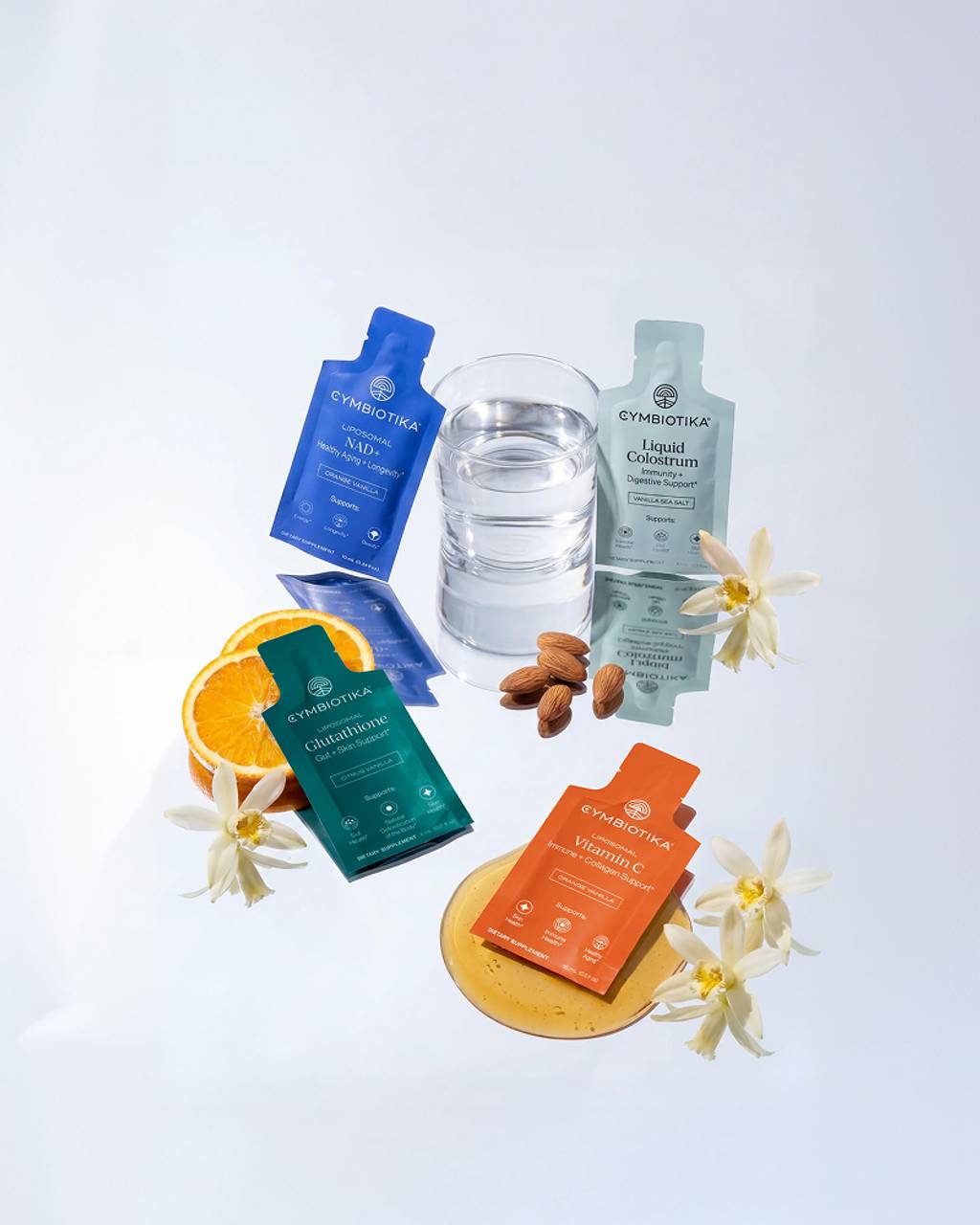
Furthermore, the oxidative stress caused by intense physical exertion can be balanced by antioxidants. Liposomal Glutathione is often called the "master antioxidant." By using a liposomal format, we ensure that this fragile molecule is protected through digestion, supporting your body’s natural detoxification pathways after a heavy sweat session.
Building a Pre- and Post-Yoga Routine
To get the most out of a hot yoga practice, your routine should start long before you enter the studio.
- Step 1: Pre-Hydrate. Drink plenty of water throughout the day. Do not try to "catch up" right before class, as a full stomach can be uncomfortable during postures like Wind Removing Pose.
- Step 2: Mineral Support. Take a mineral supplement or a small amount of shilajit in the morning to ensure your cells are "primed" for the work ahead.
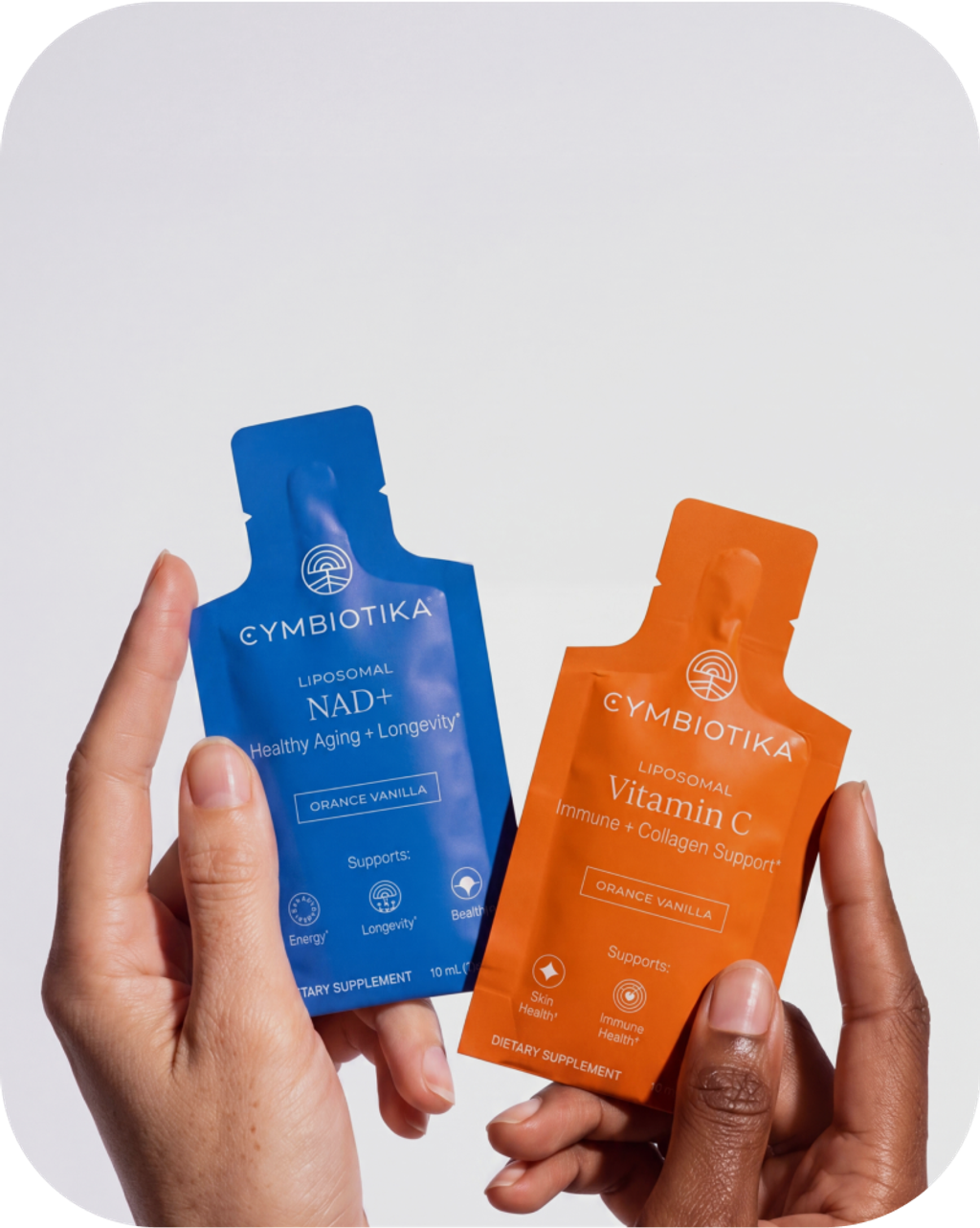
- Step 3: Post-Class Recovery. Within 30 minutes of finishing class, replenish your electrolytes. This is also a good time for Liposomal Vitamin C to support collagen production and immune health, which can be stressed by extreme temperatures.
- Step 4: Rest. Allow your body time to move out of the "sympathetic" (fight or flight) state into the "parasympathetic" (rest and digest) state.
| Supplement Type | Benefit for Hot Yoga | Delivery Mechanism |
|---|---|---|
| Magnesium | Muscle recovery and sleep support | Triple-blend complex for absorption |
| Shilajit | Trace minerals and cellular energy | Raw live resin for high potency |
| Vitamin B12 | Energy metabolism and nerve health | Liposomal for cellular delivery |
| Glutathione | Antioxidant support and detox | Liposomal to bypass digestion |
Why Lineage and Quality Matter
The story of who created Bikram Yoga is a reminder that wellness practices are often born from a specific vision of discipline and human potential. While the practice has evolved, the core goal remains the same: to use the body as a tool for self-improvement.
However, a discipline is only as good as the fuel you provide your body. If you are following a rigorous path like the Hot 26, you owe it to yourself to use supplements that match that level of commitment. We prioritize transparency and science-forward formulations. We don't use synthetic fillers or unnecessary additives because we believe your body deserves only what it can actually use.
Bottom line: Bikram Choudhury created a powerful, challenging sequence that requires significant physical and mental effort; supporting that effort with bioavailable nutrients is the key to sustainable practice.
Conclusion
Bikram Choudhury brought a unique and intense form of Hatha yoga to the world, emphasizing that the heat of the room is a tool for transformation. While the name of the practice is often debated today, the 26+2 sequence continues to help millions of people find strength, flexibility, and focus.
At Cymbiotika, our mission is to empower you to take ownership of your health. We believe that a consistent routine, backed by clean and transparent supplementation, is the foundation of a long and vibrant life. Whether you are sweating through a Standing Bow pose or recovering at home, our goal is to provide the high-quality tools your body needs to thrive.
If you are looking to refine your wellness routine and aren't sure where to start, we invite you to take our Health Quiz. It is designed to help you find the specific nutrients and delivery formats that best suit your lifestyle and goals.
FAQ
Who created Bikram Yoga?
Bikram Yoga was created by Bikram Choudhury in the early 1970s. He developed the sequence based on the teachings of his guru, Bishnu Charan Ghosh, in Calcutta, India.
Why is the room so hot in a Bikram class?
The room is heated to 105°F with 40% humidity to mimic the climate of India. This heat is intended to help muscles stretch more safely, increase the heart rate for a cardiovascular workout, and promote sweating for detoxification.
What are the 26 poses in Bikram Yoga?
The 26 poses are a specific sequence of Hatha yoga postures, including Half Moon, Eagle, Triangle, and Camel Pose. The sequence is always the same and begins and ends with specific breathing exercises (Pranayama and Kapalbhati).
Is Bikram Yoga the same as Hot Yoga?
Not necessarily. While Bikram Yoga is a type of hot yoga, "Hot Yoga" is a broad category that can include many different styles, sequences, and temperatures. Bikram Yoga refers specifically to the 26-posture sequence performed in a 105-degree room for 90 minutes.
*These statements have not been evaluated by the Food and Drug Administration. This product is not intended to diagnose, treat, cure, or prevent any disease.