Table of Contents
- Introduction
- Understanding the Hot Yoga Environment
- Fabric Fundamentals: Why Material Matters
- Choosing the Right Bottoms
- Selecting the Best Tops and Support
- Essential Accessories for the Hot Room
- Internal Preparation: The Foundation of Performance
- Post-Class Recovery and Skin Care
- Building a Sustainable Hot Yoga Routine
- Conclusion
- FAQ
Introduction
Stepping into a Bikram yoga studio for the first time can feel like entering a completely different climate. The room is intentionally heated to 105°F with 40% humidity. This specific environment is designed to help the body stretch, find focus, and promote sweating. However, the intense heat means your standard gym gear might not be the best choice. What you wear can determine whether you spend the class focused on your breath or distracted by heavy, damp clothing.
At Cymbiotika, we believe that every detail of your wellness routine matters, from the supplements you take to the gear you choose for physical activity. This guide will cover everything you need to know about selecting the right attire for a hot yoga session. We will explore fabric choices, specific clothing items for men and women, and how to prepare your body internally for the heat.
By the end of this article, you will have a clear plan for your next class. You will understand how to balance comfort, coverage, and performance. Our goal is to help you build a routine that supports your long-term health and makes every session more productive.
Understanding the Hot Yoga Environment
The Bikram yoga sequence consists of 26 postures and two breathing exercises. Each movement is performed twice over the course of 90 minutes. Because the room is so hot, your body will work hard to regulate its internal temperature. Sweating is the primary way the body cools itself down in this setting.
When you wear the wrong clothes, they can trap heat against your skin or become heavy with moisture. This can lead to overheating or restricted movement. Choosing the right "uniform" is about more than just looking the part. It is about functionality and allowing your skin to breathe as much as possible.
For a deeper look at how absorption and delivery matter in your routine, Cymbiotika’s guide to All About Liposomes is a helpful place to start.
Quick Answer: The best clothing for Bikram yoga is lightweight, moisture-wicking, and form-fitting. Avoid cotton, which absorbs sweat and becomes heavy. Choose synthetic blends like nylon or polyester with spandex to ensure your clothes move with you and dry quickly.
Fabric Fundamentals: Why Material Matters
The most important rule for Bikram yoga is to avoid 100% cotton. While cotton is breathable in everyday life, it acts like a sponge in a heated yoga class. It absorbs every drop of sweat and holds onto it. This makes your clothes heavy, saggy, and uncomfortable.
Instead, look for high-performance synthetic fabrics. These are often labeled as "moisture-wicking" or "dry-fit." These materials are designed to pull sweat away from your skin to the outer surface of the fabric, where it can evaporate more easily.
Synthetic Blends
Most high-quality yoga wear is made from a blend of polyester, nylon, and spandex. Polyester and nylon provide durability and moisture management. Spandex gives the garment its stretch. This is crucial for Bikram yoga, where you will be bending and stretching in ways that require a full range of motion.
Breathability and Weight
Choose the thinnest fabric that still provides adequate coverage. Heavy compression leggings might feel supportive, but they can feel like a wetsuit in a 105-degree room. Look for "lightweight" or "ultralight" versions of your favorite athletic brands.
Antimicrobial Properties
Because you will be sweating heavily, bacteria can build up in synthetic fabrics over time. Many performance garments now include antimicrobial treatments. These treatments help prevent the "permastink" that can develop in gym clothes, keeping your gear fresher for longer.
If you want a broader framework for choosing formulas that fit your routine, the Supplement Guide can help you navigate different wellness goals.
Choosing the Right Bottoms
When it comes to bottoms, you have two main options: shorts or leggings. Each has its benefits, and the choice often comes down to personal preference and comfort levels.
The Case for Shorts
Many experienced Bikram practitioners prefer shorts because they allow for maximum skin exposure. More exposed skin means more surface area for sweat to evaporate, which helps keep you cool.
- For Women: Look for "bikini-style" yoga shorts or mid-thigh "biker" shorts. Ensure they have a gusseted crotch (a triangular piece of fabric sewn into the crotch area) to allow for movement without pulling.
- For Men: Choose lined athletic shorts. The liner provides support and coverage, while the outer shell is usually lightweight and fast-drying. Avoid heavy basketball shorts, which can get in the way during floor postures.
The Case for Leggings
Some people prefer leggings because they provide a better grip. In postures like Tree Pose or Eagle Pose, sweat can make your skin very slippery. The fabric of leggings can help your limbs stay in place.
- Capri vs. Full Length: Capri-length leggings are a good middle ground. They offer grip for the knees but leave the ankles exposed.
- Avoid Transparency: Always perform a "squat test" in front of a mirror before heading to class. Some fabrics become transparent when they are stretched or wet.
Key Takeaway: Prioritize moisture-wicking synthetics over cotton to prevent heavy, damp clothing from distracting you during class. Shorts offer the best cooling, while leggings provide more grip for balance poses.
Selecting the Best Tops and Support
Your choice of top should focus on two things: keeping you cool and staying in place during inversions or forward folds.
Sports Bras
For women, a supportive sports bra is often the only top needed. Look for styles with minimal padding, as thick pads can hold onto a lot of water. Strappy designs are popular because they allow more airflow across the back.
Tank Tops and Tees
If you prefer more coverage, choose a form-fitting tank top. Loose-fitting shirts can be problematic; they tend to fall over your face when you bend forward or become uncomfortably heavy when wet.
- Racerback Styles: These allow for the best shoulder mobility.
- Men’s Choices: Many men choose to go shirtless in Bikram yoga to manage the heat. If you prefer a top, a tight-fitting moisture-wicking tank is the best option.
Managing Sweat
Regardless of what you wear, you will sweat. Many people find that wearing a headband helps keep sweat from dripping into their eyes during intense postures. Choose a thin, non-slip headband made from the same moisture-wicking material as your clothes.
Essential Accessories for the Hot Room
What you wear is only part of the equation. In a Bikram class, your accessories are just as important as your clothing.
The Right Yoga Mat
A standard foam mat can become a "slip and slide" in a hot room. You need a mat that is designed for high-grip environments. Some mats have a polyurethane top layer that gets grippier as it gets wet.
Yoga Towels
You will likely need two towels.
- Mat Towel: This is a full-length microfiber towel that covers your entire mat. It absorbs sweat and provides traction. Many have silicone "nubs" on the bottom to keep them from bunching up.
- Hand Towel: Keep a small towel at the top of your mat to wipe your face and hands between postures.
Water Bottle
An insulated water bottle is highly recommended. It will keep your water cool throughout the 90-minute session. While some people prefer room-temperature water, many find that ice-cold water helps them manage their core temperature better during the standing series.
Internal Preparation: The Foundation of Performance
While your clothing helps manage external heat, your internal state determines how well you handle the physical demands of Bikram yoga. Bioavailability—the degree and rate at which a substance is absorbed into the living system—is a critical concept here. If you are not properly hydrated or mineralized, even the best clothes won't make the class feel easier.
Hydration and Bioavailability
Drinking water is only half the battle. When you sweat, you lose essential minerals like sodium, potassium, and magnesium. If you only replace the water without the minerals, you risk diluting your body’s electrolyte balance.
We design our supplements with bioavailability in mind. For example, our Molecular Hydrogen can be added to your water to support cellular health and antioxidant activity. Standard antioxidant supplements often have poor absorption rates. Molecular Hydrogen, however, is a tiny molecule that can easily penetrate cell membranes to provide support where it is needed most.
Supporting Muscle Function
Magnesium is vital for muscle relaxation and recovery. Many people find that a high-quality magnesium supplement helps them avoid cramps during or after a hot yoga session. Our Liposomal Magnesium Complex is designed to be highly absorbable, ensuring your body actually utilizes the mineral rather than letting it pass through the digestive tract.
| Supplement Type | Primary Benefit for Hot Yoga | Why Bioavailability Matters |
|---|---|---|
| Molecular Hydrogen | Antioxidant support at the cellular level | Tiny molecules penetrate cells more effectively than standard tablets. |
| Magnesium Complex | Supports muscle recovery and nervous system | Different forms of magnesium have different absorption rates; a complex ensures better uptake. |
| Liposomal Vitamin C | Immune and antioxidant support | Liposomal delivery wraps the vitamin in a fat bubble for better survival through digestion. |
What to do next to prepare for class:
- Hydrate early: Start drinking water with electrolytes at least 2–3 hours before class.
- Time your meals: Avoid eating a heavy meal within two hours of your session.
- Check your gear: Lay out your moisture-wicking clothes and ensure your mat towel is clean.
Post-Class Recovery and Skin Care
After 90 minutes of sweating, your recovery routine is just as important as the class itself. Your skin has been through a lot, and your muscles have been stretched to their limits.
Skin Health
Sweat and heat can open your pores. While this is a great way to clear out impurities, it also leaves the skin vulnerable. Rinse off as soon as possible after class. We recommend using gentle, clean products to avoid irritating your skin. Our Healthy Glow™ is designed to support the skin from the inside out, providing the nutrients needed for a clear, radiant complexion.
Rebuilding Nutrients
The intensity of a Bikram class can temporarily deplete your energy. Replacing lost nutrients quickly is key to feeling energized rather than drained for the rest of the day.
Key Takeaway: Bioavailability is the lens through which you should view your post-yoga nutrition. Your body needs nutrients that it can actually absorb and use to repair muscle tissue and restore hydration levels.
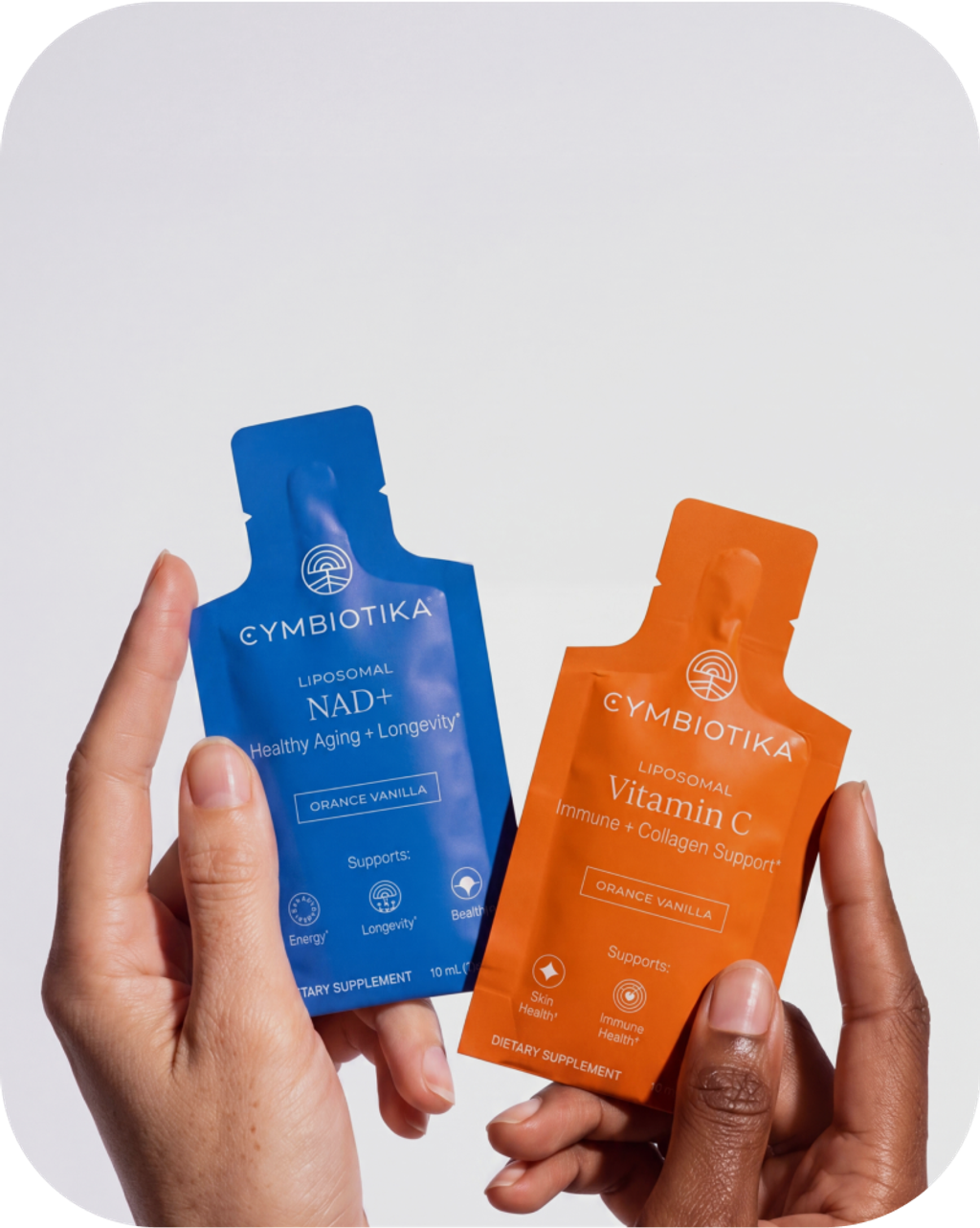
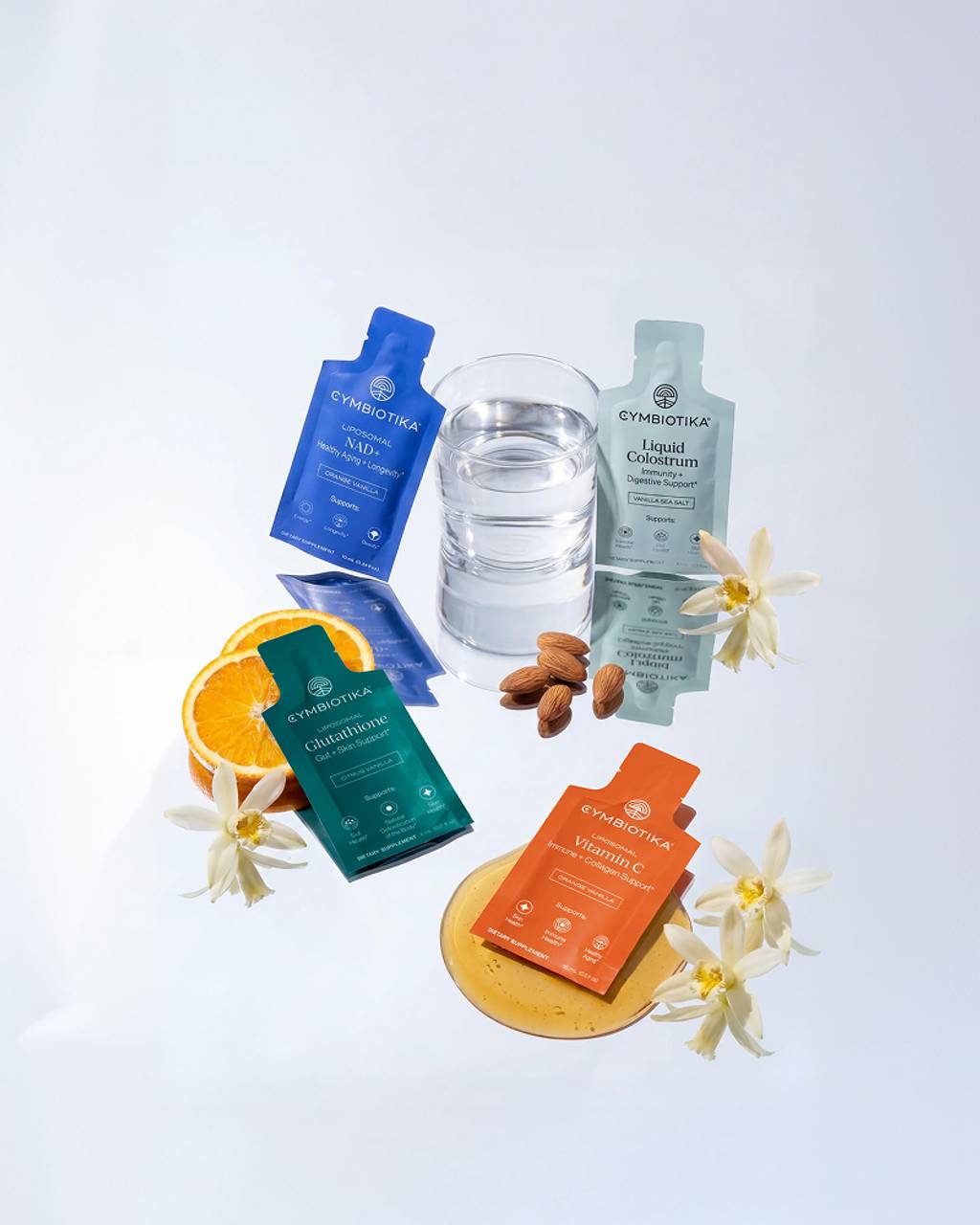
Liposomal delivery is one way we ensure our supplements are effective. This technology wraps nutrients in a phospholipid bilayer—the same material your cell membranes are made of. This "protective bubble" helps the nutrients pass through the harsh environment of the stomach so they can be absorbed in the small intestine. Our Liposomal Vitamin C is a great example of this, providing antioxidant support that is much more bioavailable than traditional ascorbic acid tablets.
Building a Sustainable Hot Yoga Routine
Bikram yoga is a practice of consistency. The more you go, the more your body adapts to the heat. However, this only happens if you listen to your body and provide it with the right tools.
Listen to Your Body
Every day is different. Some days you might feel strong and flexible; other days the heat might feel overwhelming. It is perfectly okay to sit out a posture and breathe. The goal is long-term wellness, not pushing yourself to the point of exhaustion in a single session.
The Importance of Transparency
Just as you should be transparent with your yoga instructor about any physical limitations, we believe brands should be transparent about what is in their products. At Cymbiotika, we prioritize clean, high-quality sourcing and third-party testing. You should know exactly what is going into your body, especially when you are putting that body through the rigors of a hot yoga practice.
Consistency Over Intensity
You don't need to do hot yoga every day to see results. Three times a week is often enough for many people to see improvements in flexibility, focus, and overall vitality. Pair your physical practice with a solid nutritional foundation to get the most out of your efforts.
For a broader view of how daily support can fit into a long-term wellness plan, explore the Healthy Aging Supplements collection.
Bottom line: Success in Bikram yoga is about preparation. By choosing the right fabrics and supporting your body with bioavailable nutrients, you can turn a challenging environment into a place of growth and restoration.
Conclusion
Choosing what to wear to Bikram yoga is the first step in ensuring a successful practice. By prioritizing moisture-wicking synthetic fabrics and avoiding heavy cotton, you allow your body to cool itself naturally. Remember that shorts or tight-fitting leggings are your best friends in the hot room, and a good mat towel is an absolute necessity.
Wellness is a holistic journey. It starts with small, informed choices—like picking the right yoga top or choosing a supplement that your body can actually absorb. We are committed to providing you with the tools and information you need to build a routine you can trust.
- Select synthetic, moisture-wicking fabrics (polyester/nylon blends).
- Avoid cotton at all costs.
- Prioritize internal hydration with bioavailable minerals.
- Rinse off immediately after class to protect your skin.
If you are looking to further personalize your wellness journey, we invite you to take our Health Quiz. It is designed to help you identify exactly which nutrients your body might need to support your active lifestyle and long-term health goals.
FAQ
What is the most important thing to look for in hot yoga clothes?
The most important factor is moisture-wicking capability. You need fabrics like polyester or nylon blends that pull sweat away from the skin and dry quickly. Avoid cotton, as it becomes heavy and stays wet, which can lead to chafing and discomfort.
Is it better to wear shorts or leggings for Bikram yoga?
This depends on your goals and comfort level. Shorts are generally cooler and allow for more sweat evaporation, which helps regulate body temperature. Leggings provide more grip, which can be helpful for balancing postures where your legs might otherwise slip due to sweat.
Do I need a special sports bra for hot yoga?
A standard sports bra works well, but look for one with minimal padding and breathable mesh panels. Thick padding will soak up sweat like a sponge, making the bra feel heavy and restrictive. Many women prefer strappy designs that allow for maximum airflow across the back.
Can I wear a regular gym t-shirt to Bikram yoga?
While you can, most regular t-shirts are made of cotton or heavy blends that are not ideal for 105-degree heat. If you prefer to wear a shirt, choose a form-fitting, sleeveless tank made from performance material. A loose shirt will likely fall over your head during forward folds and become uncomfortably damp.
*These statements have not been evaluated by the Food and Drug Administration. This product is not intended to diagnose, treat, cure, or prevent any disease.