Table of Contents
- Introduction
- The Blood Sugar Rollercoaster
- Food Sensitivities and Immune Activation
- The Gut-Brain Axis Connection
- The Role of Histamine and Fermented Foods
- Digestion and the Vagus Nerve
- Bioavailability: Why Formulation Matters
- The Impact of Dehydration and Electrolytes
- Chronic Inflammation and Oxidative Stress
- Looking Beyond the Plate
- The Cymbiotika Approach to Clarity
- Summary of Actionable Steps
- FAQ
Introduction
You finish a balanced lunch and head back to your desk, ready to tackle the afternoon. Instead of feeling fueled, a heavy cloud settles over your thoughts. Your focus drifts, your memory feels sluggish, and a simple task suddenly requires monumental effort. This experience is often called brain fog, and when it happens specifically after a meal, it is rarely a coincidence.
At Cymbiotika, we believe that understanding the "why" behind your physical sensations is the first step toward lasting wellness. Brain fog is not a formal medical diagnosis, but rather a collection of symptoms like mental fatigue, lack of mental clarity, and poor concentration. When these symptoms follow a meal, they act as a signal from your body that something in your digestive or metabolic process is out of balance. If you're looking for a broader starting point around digestion and clarity, the Gut Health Supplements collection is a helpful place to begin.
In this article, we will explore the biological drivers of post-meal mental fatigue. We will look at how blood sugar fluctuations, food sensitivities, and the gut-brain axis influence your cognitive state. By identifying what causes brain fog after eating, you can begin to build a routine that supports consistent energy and sharp focus throughout the day.
The Blood Sugar Rollercoaster
One of the most common reasons for post-meal mental fatigue is the rapid rise and fall of blood glucose levels. When you consume carbohydrates, your body breaks them down into glucose, which enters your bloodstream. In response, your pancreas releases insulin to help transport that glucose into your cells for energy. However, the speed and intensity of this process vary significantly depending on what you eat.
If a meal is high in refined sugars or simple carbohydrates—like white bread, pasta, or sugary drinks—your blood sugar can spike aggressively. This often leads to an overproduction of insulin, which can cause blood sugar to drop just as quickly as it rose. This dip, sometimes referred to as reactive hypoglycemia, leaves the brain without its primary fuel source, resulting in that "spaced-out" feeling.
The brain is an incredibly energy-demanding organ. Even though it accounts for only about 2% of your body weight, it consumes roughly 20% of your daily glucose. When the supply becomes unstable, cognitive functions like memory and attention are the first to suffer. Stabilizing these levels is essential for maintaining a clear head after you leave the table.
Understanding Glycemic Load
It is not just about the sugar content; it is about how quickly that sugar hits your system. This is the difference between glycemic index and glycemic load. Fiber, healthy fats, and proteins act as "buffers" that slow down the absorption of sugar.
When you eat a piece of fruit, the fiber helps pace the glucose release. When you drink a fruit juice without the fiber, the spike is much more immediate. Choosing complex carbohydrates like quinoa, sweet potatoes, or legumes can help prevent the sharp peaks and valleys that contribute to mental fatigue.
Key Takeaway: Stable blood sugar is the foundation of mental clarity. To avoid the post-meal crash, aim for meals that balance fiber, protein, and healthy fats to slow glucose absorption.
Food Sensitivities and Immune Activation
Brain fog can also be a systemic inflammatory response to specific ingredients your body struggles to process. Unlike a true food allergy, which often causes an immediate and severe reaction, a food sensitivity can be subtle and delayed. You might eat something at noon and not feel the cognitive effects until two hours later.
When you consume a food you are sensitive to, your immune system may view certain proteins as foreign invaders. This triggers the release of pro-inflammatory cytokines. These small proteins are designed to help the body fight off threats, but they can also cross the blood-brain barrier. Once in the brain, they can interfere with neurotransmitter function and cause the "cloudy" sensation many people describe.
Common culprits for food-related brain fog include:
- Gluten: Found in wheat, barley, and rye, this protein can cause issues for many people even if they do not have a diagnosed autoimmune condition.
- Dairy: Specifically the proteins casein and whey, or the sugar lactose, can trigger inflammatory responses in sensitive individuals.
- Artificial Sweeteners: Some people find that chemicals like aspartame or sucralose disrupt their mental clarity.
- Refined Vegetable Oils: High levels of omega-6 fatty acids in oils like soybean or corn oil can promote systemic inflammation when consumed in excess.
The Gut-Brain Axis Connection
The communication highway between your digestive tract and your brain plays a massive role in how you feel after eating. This is known as the gut-brain axis. Your gut is home to trillions of bacteria, often called the microbiome, and it also contains the enteric nervous system, which is sometimes referred to as your "second brain." To explore this connection in more depth, the gut-brain axis guide is a useful companion read.
The gut produces about 95% of the body's serotonin and a significant portion of its dopamine. These neurotransmitters are vital for mood, focus, and cognitive function. If your gut health is compromised—perhaps due to a lack of beneficial bacteria or a diet high in processed foods—it can disrupt the production of these chemicals.
Furthermore, a condition often described as "leaky gut" (increased intestinal permeability) can allow undigested food particles and endotoxins to enter the bloodstream. This triggers a widespread immune response that can lead to neuroinflammation. If you find that almost any large meal causes brain fog, it may be worth focusing on the integrity of your gut lining and the diversity of your microbiome.
Quick Answer: Post-meal brain fog is usually caused by blood sugar crashes, food sensitivities that trigger inflammation, or an imbalance in the gut-brain axis. It is your body’s way of signaling that it is struggling to process or absorb what you’ve consumed.
The Role of Histamine and Fermented Foods
While fermented foods are generally praised for gut health, they can be a surprising source of brain fog for those with histamine intolerance. Histamine is a compound involved in your immune system, digestion, and central nervous system. It acts as a neurotransmitter, sending signals between cells.
Some foods are naturally high in histamine, such as aged cheeses, wine, sauerkraut, and smoked meats. Normally, an enzyme called diamine oxidase (DAO) breaks down histamine in the gut. If you have a deficiency in this enzyme or an overload of histamine, it can build up in your system.
Excess histamine can cause the blood vessels in the brain to dilate, leading to headaches, fatigue, and intense mental fog. If you notice that "healthy" fermented foods or a glass of wine with dinner consistently makes your head feel heavy, histamine may be the underlying factor.
Digestion and the Vagus Nerve
Sometimes the issue isn't what you eat, but the sheer effort your body exerts to digest it. When you eat a large or complex meal, your body activates the parasympathetic nervous system, often called the "rest and digest" mode.
To facilitate digestion, the body redirects a significant amount of blood flow toward the stomach and intestines. This means there is slightly less blood flow available for the rest of the body, including the brain. This is a natural process, but if a meal is particularly difficult to break down, the effect can be more pronounced.
The vagus nerve is the primary link between the gut and the brain. It monitors the status of your digestion and sends signals to the brain about fullness and nutrient levels. If your digestive system is under significant stress—due to overeating or eating too quickly—the vagus nerve may signal the brain to "slow down," leading to feelings of lethargy and lack of focus.
Tips for Better Digestion:
- Chew thoroughly: Digestion begins in the mouth. Breaking food down mechanically reduces the load on your stomach.
- Mindful eating: Avoid scrolling through your phone or working while you eat. This helps your body stay in a relaxed state, which is necessary for efficient digestion.
- Portion control: Smaller, more frequent meals can prevent the heavy blood-flow shift that occurs after a massive feast.
Bioavailability: Why Formulation Matters
Even if you are eating the "right" foods, brain fog can persist if your body isn't actually absorbing the nutrients it needs for cognitive function. This brings us to the concept of bioavailability. Bioavailability refers to the proportion of a nutrient that enters the circulation and is able to have an active effect. For a deeper look at how absorption changes the value of a formula, the Understanding Metabolic Health guide is a helpful read.
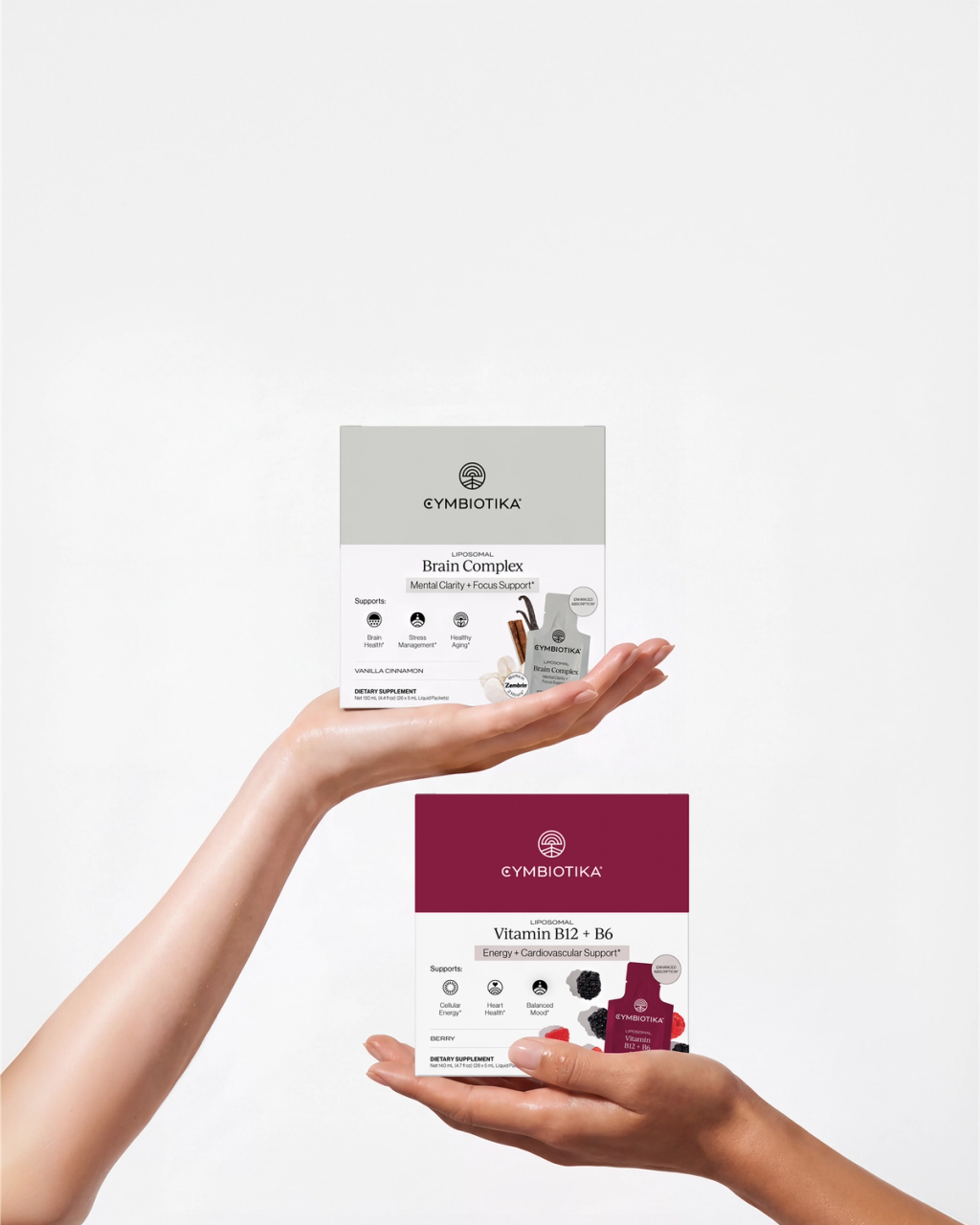
Many standard supplements and even some nutrients in whole foods are difficult for the body to absorb. For example, Vitamin B12 is essential for neurological health and energy metabolism, but many people have difficulty absorbing it through the digestive tract alone. If you are deficient in key nutrients like B12, magnesium, or antioxidants, your brain won't have the tools it needs to clear out metabolic waste and stay sharp. Cymbiotika's Liposomal Vitamin B12 + B6 is designed with this in mind.
At Cymbiotika, we address this challenge through advanced delivery methods. Our Liposomal Vitamin B12 + B6 is designed for high bioavailability. Liposomal delivery involves wrapping nutrients in a phospholipid bilayer—a tiny bubble of fat similar to our own cell membranes. This allows the nutrients to bypass the harsh environment of the stomach and be absorbed directly into the cells. When your body can actually use the nutrients you give it, your energy levels and mental clarity are much more likely to remain stable.
Note: If you suspect nutrient deficiencies are contributing to your brain fog, look for supplements that prioritize absorption. A high-dose pill is only as good as your body's ability to process it.
The Impact of Dehydration and Electrolytes
It is easy to blame the food on your plate, but the water in your glass is just as important. Dehydration is a major, yet often overlooked, cause of brain fog. Even mild dehydration can impair concentration, memory, and mood.
When you eat, your body uses a significant amount of water to produce digestive juices and move food through the GI tract. If you are already borderline dehydrated, the "theft" of water for digestion can leave your brain struggling. Furthermore, electrolytes like magnesium, potassium, and sodium are required for the electrical signaling in your brain.
Our Magnesium Complex can be a helpful addition to a daily routine for those who feel mentally drained. Magnesium supports over 300 biochemical reactions in the body, including those responsible for nerve function and energy production. By keeping your electrolyte levels balanced, you provide your brain with the stable environment it needs to function after a meal.
Chronic Inflammation and Oxidative Stress
Long-term dietary habits can lead to a state of low-grade chronic inflammation, which makes you more susceptible to post-meal brain fog. When we consistently eat highly processed foods, our bodies produce reactive oxygen species (ROS). These are unstable molecules that can damage cells if not neutralized by antioxidants.
This oxidative stress can affect the mitochondria, the powerhouses of your cells. Since the brain is so metabolically active, mitochondrial dysfunction often manifests as mental fatigue. Over time, this inflammation can make the brain more sensitive to the minor blood sugar shifts or immune triggers mentioned earlier.
To combat this, many people look toward antioxidant support. The Energy Supplements collection is one place to explore formulas that support daily vitality. By helping the body manage the oxidative stress that comes with modern diets, you can help protect your cognitive clarity from the inside out.
Building a "Clear Mind" Eating Routine
If you want to move away from the post-lunch haze, consider these practical steps:
- Prioritize Protein and Fat: Start your meal with greens and protein before touching carbohydrates to blunt the glucose response.
- Identify Triggers: Keep a simple food journal for one week. Note what you ate and how your head felt 60 minutes later.
- Hydrate Early: Drink 16 ounces of water 30 minutes before your meal rather than chugging it during the meal, which can dilute digestive enzymes.
- Support Your Gut: Consider a high-quality probiotic or activated charcoal if you feel bloated and foggy. For a deeper look at that ingredient, the Activated Charcoal guide is a useful reference.
Myth: "A food coma is just a natural part of eating a big meal." Fact: While slight relaxation is normal, significant brain fog and inability to focus are signs of metabolic or digestive stress that can often be improved through diet and lifestyle changes.
Looking Beyond the Plate
While diet is the primary driver, other lifestyle factors can amplify post-meal brain fog. Poor sleep is a major force multiplier. When you are sleep-deprived, your body’s ability to manage glucose is significantly impaired. One night of bad sleep can make you more insulin resistant the following day, meaning that even a "healthy" meal might cause a larger blood sugar spike and a deeper crash.
Stress also plays a role. If you are eating in a state of high stress (sympathetic dominance), your body is not prioritized for digestion. It is prioritized for "fight or flight." This leads to poor nutrient breakdown and increased inflammation in the gut, which feeds directly back into the brain fog cycle.
Using tools like the Sleep Supplements collection can help you establish a better baseline. When you are well-rested, your metabolism is more resilient, and your brain is better equipped to handle the natural fluctuations that occur after eating.
The Cymbiotika Approach to Clarity
We believe that your wellness journey should be guided by transparency and science. What causes brain fog after eating is often a combination of how your body handles fuel and how well it absorbs the building blocks of health. We focus on creating formulations that don't just sit in your stomach but actually reach your cells where they can do the most work.
Our commitment to clean, high-quality sourcing means we never use synthetic fillers or hidden ingredients that could contribute to the very brain fog you are trying to avoid. By choosing supplements that prioritize bioavailability, you are investing in a routine that works with your body, not against it.
If you are unsure where to start, our Health Quiz is a helpful resource. It is designed to take the guesswork out of supplementation by providing personalized recommendations based on your specific goals and lifestyle. Whether you need to support your gut, stabilize your energy, or clear the mental clouds, we are here to help you build a routine you can trust.
Bottom line: Post-meal brain fog is a sign that your metabolic or digestive systems are struggling. By balancing your blood sugar, identifying food sensitivities, and using highly bioavailable nutrients, you can reclaim your focus.
Summary of Actionable Steps
- Balance your macros: Always pair carbohydrates with protein, fiber, or fat to slow sugar absorption.
- Test for sensitivities: Experiment with removing common triggers like gluten or dairy for two weeks to see if clarity improves.
- Optimize absorption: Choose liposomal supplements to ensure your brain is actually receiving the B12, Magnesium, and antioxidants it requires.
- Check your gut: Use probiotics or digestive supports to strengthen the gut-brain axis.
- Personalize your path: Use our Health Quiz to identify which specific nutrients your body might be missing to stay sharp and energized.
Key Takeaway: Mental clarity after eating is a result of metabolic stability. When you provide your body with clean fuel and ensure high bioavailability for your supplements, you create the conditions for a sharp, focused mind.
FAQ
Why do I feel like I'm in a fog right after eating sugar?
When you consume high amounts of sugar, your blood glucose levels spike and then rapidly crash as insulin is released. This sudden drop deprives the brain of its main energy source, leading to symptoms like confusion, irritability, and mental fatigue.
Can food allergies cause brain fog even if I don't have a stomach ache?
Yes, food sensitivities often manifest as systemic inflammation rather than just digestive upset. Pro-inflammatory markers can cross the blood-brain barrier and interfere with cognitive function, causing fog without any obvious bloating or pain.
How long does post-meal brain fog usually last?
It typically lasts anywhere from 30 minutes to several hours, depending on the cause. If it is caused by a blood sugar crash, it may resolve once your levels stabilize, but if it is caused by an inflammatory food sensitivity, it may linger for the rest of the day.
Will drinking more water help with brain fog after eating?
Hydration is essential because the body uses significant water for digestion. Being dehydrated can make the blood thicker and slow down the transport of oxygen and nutrients to the brain, which significantly worsens the feeling of being "foggy" after a meal.
*These statements have not been evaluated by the Food and Drug Administration. This product is not intended to diagnose, treat, cure, or prevent any disease.