Table of Contents
- Introduction
- The Case for Morning Meditation
- The Case for Nighttime Meditation
- Comparing the Benefits: Morning vs. Night
- Why Bioavailability and Internal Balance Matter
- How to Choose the Right Time for You
- The Role of Supplements in a Mindful Routine
- Creating a Sustainable Environment
- Consistency Over Intensity
- Listening to Your Body's Feedback
- Integrating Meditation into a Modern Lifestyle
- The Long-term Impact of a Balanced Routine
- Conclusion
- FAQ
Introduction
Deciding when to sit in silence can feel like another chore on an already crowded to-do list. You might wonder if waking up fifteen minutes earlier is worth the sacrifice of sleep. Or perhaps you worry that meditating at night will simply lead to you falling asleep before you find any actual clarity. At Cymbiotika, we believe that wellness is not about perfection, but about creating sustainable routines that work with your unique biology.
This article explores the specific benefits of both morning and evening meditation. We will look at how timing influences your brain waves, your stress response, and your overall daily focus, and how those goals can fit alongside our Energy Supplements collection. Whether you are looking to jumpstart your productivity or wind down from a high-pressure day, the timing of your practice matters.
Ultimately, the best time to meditate is the one that allows you to remain consistent, but understanding the physiological differences can help you optimize your results.
The Case for Morning Meditation
Many people find that the early hours offer a sense of stillness that is hard to replicate later in the day. When you meditate shortly after waking, you are catching your brain in a transitional state. You move from the deep rest of sleep into a state of alert awareness. This transition is a prime opportunity to set an intentional tone for the hours ahead.
Setting an Intentional Tone
Morning meditation allows you to act rather than react. Most of us start the day by checking emails or scrolling through news feeds. This immediately puts the brain into a reactive mode, where you are responding to the demands of the outside world. By choosing to sit in stillness first, you reclaim your mental space. This practice can help you approach daily challenges with a sense of calm and perspective.
Biological Rhythms and Alertness
In the morning, your levels of cortisol—a hormone often associated with stress but also responsible for alertness—naturally rise. This is called the cortisol awakening response. Meditating during this window can help you harness that natural energy without letting it turn into morning jitters. It creates a focused, "quiet" energy that can carry you through your morning meetings or workout.
Building Consistency
Logistically, the morning is often the easiest time to maintain a habit. As the day progresses, unexpected tasks, social invitations, and general fatigue can easily derail your intentions. By completing your meditation early, you ensure it happens before the day has a chance to get in the way.
Key Takeaway: Morning meditation is ideal for those looking to improve focus, set a positive emotional tone, and build a consistent habit that is shielded from daily distractions.
The Case for Nighttime Meditation
If your primary goal is to shed the weight of the day and prepare your body for rest, evening meditation may be the superior choice. The transition from a busy work life to a restful home life is often jarring. A nighttime practice acts as a bridge, helping you move from "doing" mode into "being" mode.
Processing the Day
Throughout the day, you accumulate sensory input, emotional interactions, and mental clutter. Without a dedicated time to process these experiences, they often follow you into bed, leading to a racing mind when the lights go out. Nighttime meditation provides a dedicated space to acknowledge these thoughts and let them go. This "mental download" can support a much smoother transition into sleep.
Activating the Parasympathetic Nervous System
Your nervous system has two primary states: the sympathetic (fight or flight) and the parasympathetic (rest and digest). Most modern lifestyles keep us in a state of low-grade sympathetic activation. Meditation is a proven way to signal to your body that it is safe to relax. By focusing on deep, rhythmic breathing, you encourage the parasympathetic nervous system to take the lead.
Improving Sleep Quality
While meditation is not a cure for sleep issues, many people find that a dedicated evening practice supports better sleep hygiene. By lowering your heart rate and calming your thoughts, you create the physiological conditions necessary for deep, restorative rest. It helps shorten the time it takes to settle into sleep, allowing your body to focus on repair and recovery, especially when paired with the Sleep Supplements collection.
Myth: Meditation is just a way to relax before bed. Fact: While relaxation is a benefit, meditation is an active practice of training your awareness, which helps you manage stress more effectively even when you aren't meditating.
Comparing the Benefits: Morning vs. Night
To help you decide which time fits your current goals, it is helpful to see how each impacts your daily life.
| Feature | Morning Meditation | Nighttime Meditation |
|---|---|---|
| Primary Goal | Focus and Intentionality | Stress Relief and Decompression |
| Brain State | Transitions from Alpha to Beta (Alert) | Transitions from Beta to Theta (Relaxed) |
| Main Benefit | Proactive mindset for the day | Improved transition to sleep |
| Common Hurdle | Fatigue or "snoozing" the alarm | Falling asleep mid-meditation |
| Best For | High-performers and busy parents | People with high-stress jobs |
Why Bioavailability and Internal Balance Matter
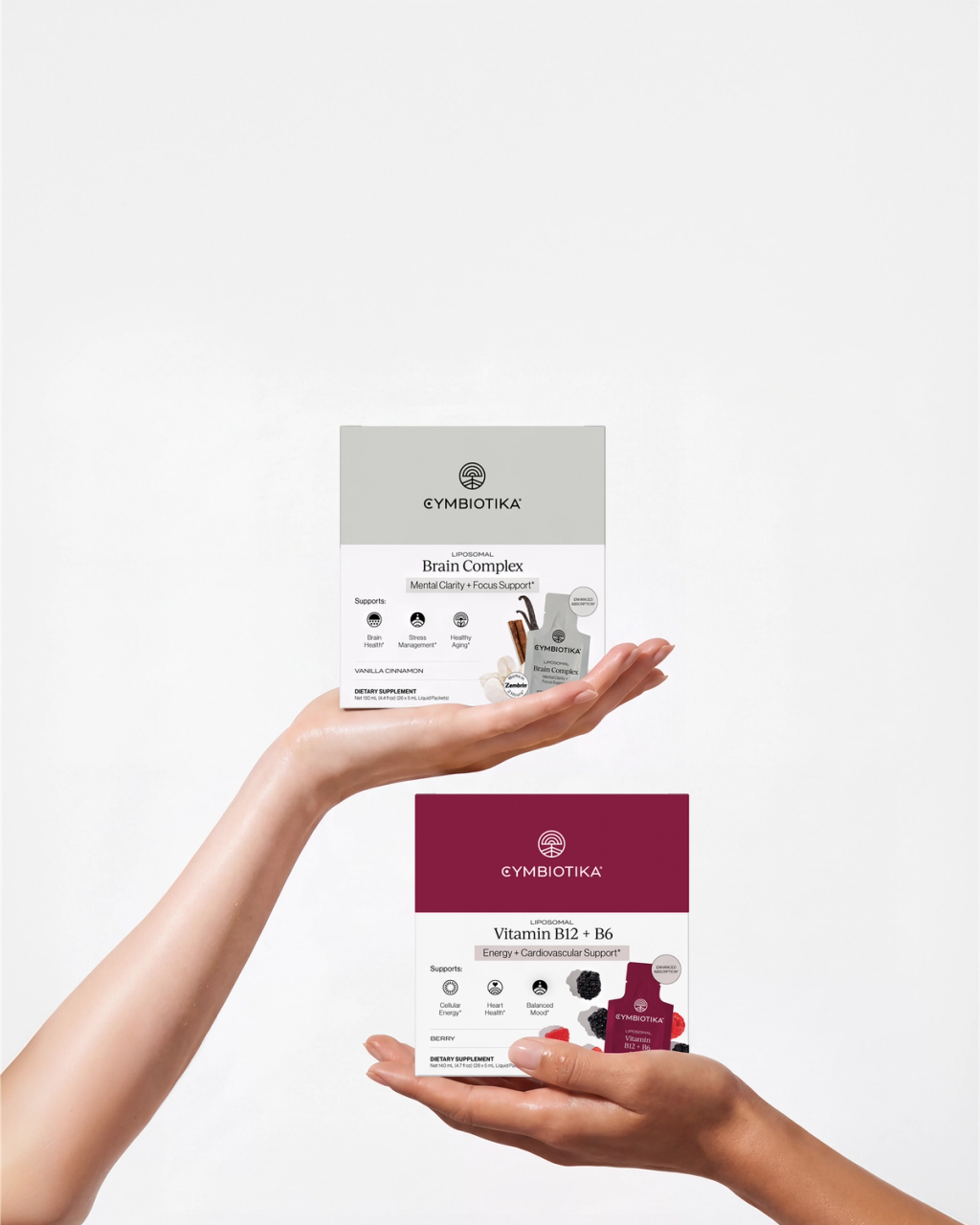
At the heart of any wellness practice—whether it is meditation or supplementation—is the concept of bioavailability. In the supplement world, bioavailability refers to how well your body can actually absorb and use the nutrients you take in. We apply this same lens to our formulations, including our All About Liposomes education page. For example, our Liposomal Vitamin B12 + B6 is designed to support energy metabolism by ensuring the vitamins bypass the harsh environment of the gut for better cellular uptake.
Liposomal delivery involves wrapping nutrients in a tiny sphere of phospholipids—the same material that makes up your cell membranes. This protects the nutrients and helps them reach their destination.
The same principle applies to your mental state. A body that is constantly under stress has a harder time absorbing nutrients and recovering from physical exertion. When you meditate, you are essentially increasing your "biological availability" for health. By lowering systemic stress, you support your gut health and your body’s ability to utilize the clean fuel you provide through diet and supplementation.
How to Choose the Right Time for You
The "right" time is deeply personal. It may even change depending on the season of your life. To find your ideal window, consider the following questions:
- When do you feel most "scattered"? If you wake up feeling overwhelmed by your to-do list, a morning practice is likely best. If you feel fine during the day but can't stop thinking about work at 10:00 PM, an evening practice will serve you better.
- When is your home the quietest? For some, the only true quiet happens at 5:30 AM before the kids wake up. For others, it is after everyone else has gone to bed.
- What is your primary wellness goal? If you want to perform better at work, choose the morning. If you want to support your body's natural recovery and sleep cycles, choose the night.
Step-by-Step: Finding Your Rhythm
- Step 1: Try the "three-day test." Meditate for five minutes in the morning for three days. Note how you feel. Then, switch to five minutes at night for three days.
- Step 2: Start small. Do not commit to thirty minutes. Start with five minutes. It is better to do five minutes every day than sixty minutes once a week.
- Step 3: Pair it with a habit. This is called habit stacking. Meditate right after your morning coffee or right after you brush your teeth at night.
- Step 4: Support your body. If meditating in the morning, consider a supporting supplement like our Pürblack Pure Mineral Shilajit Live Resin to support natural energy. If meditating at night, our Magnesium Complex can help support muscle relaxation and a calm nervous system.
The Role of Supplements in a Mindful Routine
A meditation practice works best when it is part of a holistic approach to wellness. Your brain requires specific nutrients to maintain the focus needed for meditation and the calm needed for sleep.
For those choosing a morning routine, supporting your neurological health is key. Nutrients like B-vitamins and trace minerals found in Shilajit support the cellular energy required for mental clarity. Because standard tablets often have poor absorption rates, choosing high-bioavailability formats ensures your brain actually gets the support it needs to stay present during your practice. If you want to explore the ingredient in more depth, our Shilajit Health Benefits guide is a helpful next step.
For evening meditators, the focus shifts to mineral balance. Magnesium is a vital mineral involved in over 300 biochemical reactions in the body, including those that regulate neurotransmitters for sleep. Many people are deficient in magnesium due to soil depletion and stress. Using a high-quality Magnesium Glycinate and Sleep guide—featuring multiple forms of magnesium for better absorption—can enhance the "grounding" effect of your evening meditation.
Bottom line: Meditation trains your mind, while high-quality, bioavailable supplements provide the raw materials your brain needs to function at its peak.
Creating a Sustainable Environment
Your physical environment also plays a role in how "absorbable" your meditation practice is. You don't need a dedicated Zen garden, but a few small adjustments can make a significant difference.
- Light: In the morning, try to meditate near a window with natural light to help reset your circadian rhythm. At night, keep the lights low or use a salt lamp to signal to your brain that it is time to wind down.
- Posture: If you are meditating in the morning, sit upright in a chair or on a cushion to stay alert. If you are meditating at night to help with sleep, you can even try a "legs up the wall" pose or lie flat on your back to encourage physical release.
- Scent: Using essential oils can anchor your habit. A bright citrus scent can signify morning focus, while lavender or sandalwood can signify evening rest.
Consistency Over Intensity
It is easy to get caught up in the details of "the perfect practice." However, the physiological benefits of meditation—such as reduced cortisol and improved heart rate variability—come from cumulative effort.
Think of it like our Molecular Hydrogen and our broader All About Liposomes education on delivery and absorption. One serving provides antioxidant support, but the real benefit comes from regular use to manage oxidative stress over time. Meditation is exactly the same. Five minutes of mediocre meditation is infinitely better than zero minutes of perfect meditation. Some days you will feel deeply connected; other days your mind will be a whirlwind. Both are okay. The goal is simply to show up.
Listening to Your Body's Feedback
As you experiment with morning and evening sessions, pay attention to the subtle signals your body sends.
Watch for these signs of a successful morning practice:
- You feel less "snappy" during your morning commute.
- Your afternoon energy slump feels less dramatic.
- You find it easier to prioritize your most important tasks.
Watch for these signs of a successful evening practice:
- You stop "replaying" conversations from the workday.
- Your jaw and shoulders feel less tense before you get into bed.
- You wake up feeling more refreshed and less groggy.
If you find that meditating at night makes you feel too energized, you might be one of the few whose brain responds to the increased oxygen and awareness with a burst of wakefulness. In that case, move your practice to the morning or early afternoon.
Integrating Meditation into a Modern Lifestyle
In a world full of digital noise and synthetic ingredients, returning to the basics of breath and high-quality nutrition is a powerful act of self-care. We believe that you deserve to know exactly what is going into your body and how it works. This transparency extends from our sourcing of wild-crafted ingredients to the way we explain the science behind our liposomal delivery systems.
Meditation is an internal version of that transparency. It allows you to look under the hood of your own mind and see what is really going on. When you combine that mental clarity with clean, effective supplementation, you create a foundation for long-term health.
Note: If you are new to supplements or meditation, it can be helpful to keep a simple journal for one week. Track when you meditated, what supplements you took, and your general energy levels. This data can help you fine-tune your routine. If you want a more personalized starting point, try the Cymbiotika Expert.
The Long-term Impact of a Balanced Routine
As you settle into a rhythm—whether morning, night, or a mix of both—you may notice that your "need" for certain stressors decreases. You might find you don't need as much caffeine in the morning because your B-vitamin levels and your morning breathwork provide a more stable energy. You might find you don't need as much screen time at night because your evening meditation provides a more satisfying way to disconnect.
This is the goal of a science-forward wellness routine: to empower you to feel your best using tools that respect your body's natural processes. By choosing the right time to meditate and supporting that choice with bioavailable nutrients, you are not just checking a box. You are building a more resilient version of yourself.
Conclusion
Whether you choose to greet the sun with a quiet mind or bid the day's stress goodbye before sleep, meditation is a valuable tool for modern living. Morning sessions are unparalleled for focus and building a bulletproof habit, while evening sessions excel at stress reduction and sleep preparation. There is no wrong answer, only the answer that fits your life today.
At Cymbiotika, our mission is to provide you with the education and the clean, transparent tools necessary to take ownership of your health. We focus on bioavailability because we know that quality only matters if it actually reaches your cells. We encourage you to look at your meditation practice with the same commitment to quality and consistency.
To help you find the specific nutrients that best complement your new meditation routine, we invite you to take our Health Quiz. It is a simple way to get personalized recommendations based on your unique goals and lifestyle.
Key Takeaway: The physiological benefits of meditation are enhanced by consistency and supported by proper nutrition. Choose the time that allows you to show up for yourself every single day.
FAQ
Is it better to meditate on an empty stomach?
Many people find that meditating before eating is more effective, especially in the morning, as the body is not diverted by the energy-intensive process of digestion. However, if you are hungry to the point of distraction, a light snack is perfectly fine. The goal is to be comfortable enough that your physical sensations do not pull you out of your practice.
Can I meditate both in the morning and at night?
Yes, many people find a "bookend" approach very effective, using a short morning session to set intentions and a short evening session to decompress. This can provide a consistent baseline of calm throughout the entire day. If you choose this route, even three to five minutes per session can make a significant difference in your stress levels.
What if I fall asleep during nighttime meditation?
Falling asleep during an evening meditation is very common and is usually a sign that your body is in deep need of rest. If your goal is to stay awake for the practice, try sitting upright on a firm chair rather than lying in bed. However, if your goal is simply to improve your transition to sleep, then falling asleep mid-meditation can be considered a success.
How long should I meditate to see results?
Research suggests that consistency is more important than duration, but most people begin to feel a difference with just ten minutes a day. If ten minutes feels daunting, start with three to five minutes. The physiological shift in your nervous system begins almost immediately once you engage in deep, intentional breathing and focused awareness.
*These statements have not been evaluated by the Food and Drug Administration. This product is not intended to diagnose, treat, cure, or prevent any disease.