Table of Contents
- Introduction
- The Traditional Roots of Golden Milk
- Why Bioavailability is the Key to Glowing Skin
- Essential Ingredients for Your Turmeric Milk
- Step-by-Step: How to Make Turmeric Milk for Glowing Skin

- How Turmeric Supports Your Skin From Within
- Choosing the Best Milk for Your Skin Type
- Why Supplementation May Be Necessary
- Enhancing Your Glowing Skin Routine
- Common Pitfalls to Avoid
- The Role of Internal Mineral Support
- Building a Sustainable Wellness Routine
- Conclusion
- FAQ
Introduction
A vibrant, glowing complexion is often the result of what we put into our bodies rather than just what we apply to the surface. Many of us have tried every cream and serum available, only to find that true skin radiance starts deep within our cellular health. This is why traditional wellness rituals, like drinking turmeric milk, have regained popularity in modern routines.
At Cymbiotika, we focus on the intersection of ancient botanical wisdom and sophisticated modern science. We understand that a recipe is only as good as the nutrients your body can actually absorb, which is why we put so much emphasis on liposomal delivery. In this guide, we will explore the benefits of golden milk, the science behind its ingredients, and how to prepare it for maximum impact.
By the end of this article, you will know exactly how to make turmeric milk for glowing skin while ensuring the ingredients are bioactive and effective. Building a ritual around this golden drink can be a simple, grounding way to support your overall wellness.
The Traditional Roots of Golden Milk
Turmeric milk, traditionally known as Haldi Doodh, has been a staple in Ayurvedic practices for centuries. It was often used as a comforting evening tonic to support the body’s natural recovery processes. While it was once a simple household remedy, it has evolved into a global wellness staple.
The primary reason for its enduring legacy is the golden spice itself: turmeric. This root contains a powerful compound called curcumin. Curcumin is responsible for the spice's bright color and most of its health-supporting properties. When we talk about "glowing skin" in the context of turmeric, we are really talking about supporting a healthy inflammatory response and providing the body with a rich source of antioxidants.
If you enjoy building routines around skin support, you may also appreciate our guide on Is Vitamin C Good for Your Skin?.
Why Bioavailability is the Key to Glowing Skin
You might have heard that turmeric is a "superfood," but there is a catch that many people overlook. Raw turmeric powder is notoriously difficult for the human body to absorb on its own. This concept is called bioavailability—the degree and rate at which a substance is absorbed into the bloodstream.
If you simply stir turmeric into plain water and drink it, most of the beneficial curcumin will pass through your digestive system without being utilized. To get the most out of your turmeric milk, you must understand the three pillars of turmeric absorption:
- Heat: Gently warming the turmeric helps activate the compounds.
- Healthy Fats: Curcumin is fat-soluble, meaning it needs to bind to a lipid (fat) to be transported through the gut lining.
- Piperine: This is a compound found in black pepper. Research suggests that piperine can significantly increase the absorption of curcumin by up to 2,000%.
For a deeper look at why formulation matters, explore our All About Liposomes page.
Key Takeaway: Never skip the black pepper or the fat source in your turmeric milk. Without them, your body cannot effectively access the skin-supporting benefits of curcumin.
Essential Ingredients for Your Turmeric Milk
Before we dive into the steps, let's look at the ingredients you will need. Choosing high-quality, organic components ensures you aren't introducing unnecessary toxins into your routine.
- Turmeric: You can use high-quality organic powder or freshly grated turmeric root.
- A Fat Source: Full-fat coconut milk or grass-fed cow's milk are traditional choices. If using a leaner milk like almond or oat, consider adding a teaspoon of coconut oil or ghee.
- Black Pepper: Just a pinch of freshly ground black pepper is enough to activate the curcumin.
- Ginger: This root complements turmeric and supports healthy digestion, which is closely linked to skin clarity.
- Cinnamon: Adds a natural sweetness and supports healthy metabolic function.
- A Natural Sweetener: Raw honey or maple syrup can be added after the milk has cooled slightly to preserve their delicate enzymes.
If you want a simple way to support your daily antioxidant routine beyond this recipe, consider Liposomal Vitamin C.
Step-by-Step: How to Make Turmeric Milk for Glowing Skin
Creating this tonic is a quick process, but the order of operations matters to preserve the integrity of the nutrients.
Step 1: Choose your base. Measure out 1.5 cups of your preferred milk. If you are using a plant-based milk that is low in fat, have a teaspoon of coconut oil ready to add to the pot.
Step 2: Combine the spices. In a small saucepan, combine the milk with 1 teaspoon of turmeric powder, a small piece of fresh ginger (peeled and sliced), a half-teaspoon of cinnamon, and a pinch of black pepper.
Step 3: Gently warm the mixture. Place the saucepan over medium-low heat. It is important not to let the milk reach a rolling boil, as excessive heat can degrade some of the delicate compounds. Whisk the mixture frequently for about 5 to 7 minutes until it is steaming and fragrant.
Step 4: Strain and sweeten. Pour the mixture through a fine-mesh strainer into your favorite mug to remove the ginger pieces and any undissolved spice clumps. Let it cool for a minute or two before stirring in your sweetener of choice.
Step 5: Enjoy mindfully. Drink your golden milk while it is warm. Many people find that drinking this about an hour before bed helps them relax and prepare for restorative sleep.
If your evening routine also includes a calming wind-down stack, you can browse our Sleep Supplements.
Quick Answer: To make turmeric milk for glowing skin, whisk 1 teaspoon of organic turmeric, a pinch of black pepper, and 1 teaspoon of coconut oil into 1.5 cups of warm milk. Heat gently for 5 minutes and sweeten with honey to create a bioavailable, antioxidant-rich tonic.
How Turmeric Supports Your Skin From Within
The skin is the body's largest organ, and it often reflects the internal state of our health. When we consume turmeric milk, we are targeting several pathways that contribute to a healthy glow.
Supporting a Healthy Inflammatory Response
Internal "heat" or temporary inflammation can often show up on the face as redness or puffiness. Curcumin helps the body manage its natural inflammatory response. By supporting balance from the inside, you may notice that your skin looks more calm and even-toned.
Antioxidant Protection
Every day, our skin cells face oxidative stress from the environment, including sunlight and pollution. Antioxidants help neutralize free radicals—unstable molecules that can damage cells. Turmeric is rich in these antioxidants, providing a layer of internal defense that supports the skin's structural integrity over time.
Gut-Skin Connection
There is a profound link between your digestive system and your skin. Ginger and turmeric both support a healthy gut environment. When your digestion is functioning optimally, your body can better eliminate waste and absorb the nutrients necessary for skin repair and regeneration.
For a broader gut-focused routine, explore the Gut Health Supplements collection.
Choosing the Best Milk for Your Skin Type
The "milk" part of turmeric milk can be customized based on your dietary needs and skin goals. While traditional recipes use dairy, many people find that plant-based alternatives are gentler on their systems.
| Milk Type | Benefits for Skin | Considerations |
|---|---|---|
| Coconut Milk | High in healthy fats (MCFAs) which support curcumin absorption and skin hydration. | High in calories; look for BPA-free cans or cartons without gums. |
| Almond Milk | Contains Vitamin E, a known skin-supporting antioxidant. | Often low in fat; must add coconut oil or ghee to the recipe. |
| Grass-Fed Dairy | Contains fat-soluble vitamins like A and D. | Some people find dairy contributes to skin congestion. |
| Oat Milk | Creamy texture and generally well-tolerated. | Can be high in natural sugars; ensure it is gluten-free if sensitive. |
Why Supplementation May Be Necessary
While a daily cup of turmeric milk is a wonderful habit, it may not always provide the concentrated levels of curcumin needed for significant results. This is where advanced supplementation comes into play.
At Cymbiotika, we understand that even the best-made golden milk has limitations in terms of potency. For those looking to deeply support their inflammatory health and skin vitality, we offer formulations designed with cellular delivery in mind.
Standard turmeric supplements often suffer from the same bioavailability issues as the raw spice. We solve this by using liposomal delivery. A liposome is a tiny bubble made of the same material as your cell membranes. By wrapping nutrients in this phospholipid bilayer, we help them bypass the harsh environment of the stomach and reach the bloodstream directly.
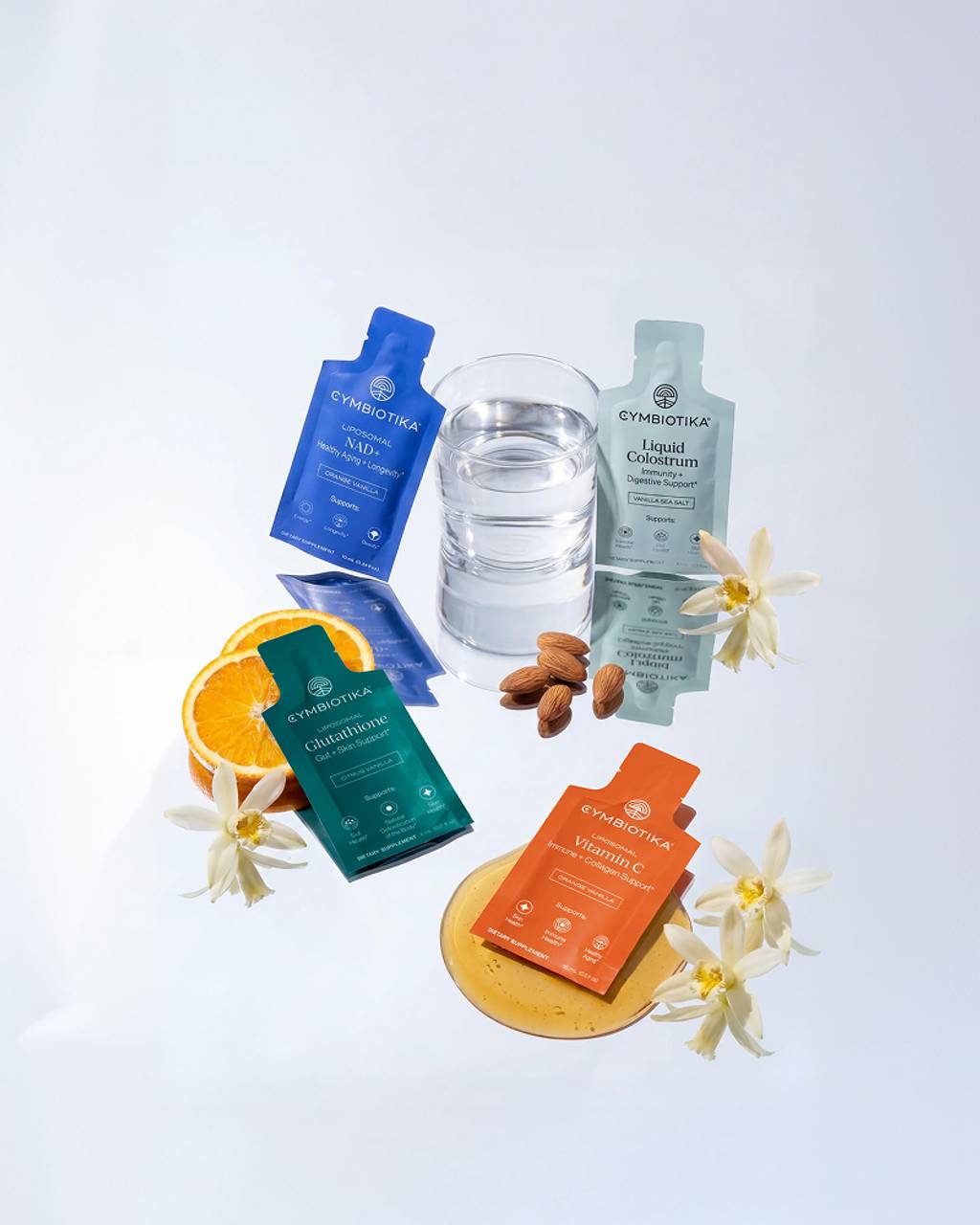
This is the same philosophy we apply to our Liposomal Vitamin C and Liposomal Glutathione. These antioxidants are vital for skin health, but they are easily destroyed during digestion unless they are protected by a liposomal shell. If you are drinking turmeric milk for the antioxidant benefits, pairing it with a high-absorption supplement can help bridge the gap.
Enhancing Your Glowing Skin Routine
Making turmeric milk is just one piece of the wellness puzzle. To truly see a change in your skin's radiance, consider how this ritual fits into your broader lifestyle.
- Consistency is Key: One cup of turmeric milk won't change your skin overnight. Aim to drink it four to five times a week for at least a month to notice a difference in your skin's appearance.
- Hydrate Early: Start your morning with a large glass of filtered water. This flushes your system and prepares your cells to receive the nutrients from your golden milk later in the day.
- Prioritize Sleep: The body repairs skin tissue during deep sleep. Using turmeric milk as a "sleep signal" can help you wind down and get the rest your skin needs to regenerate.
- Watch the Sugar: High sugar intake can lead to a process called glycation, which can make skin look dull. Use sweeteners like raw honey sparingly in your recipes.
If you are building a more complete wellness routine, our Healthy Aging Supplements collection is a helpful next step.
Myth: All turmeric powders are the same. Fact: The curcumin content in store-bought turmeric can vary wildly. Many commercial powders have been sitting on shelves for months, losing their potency. Always source organic, high-curcumin powder or fresh root for the best results.
Common Pitfalls to Avoid
When learning how to make turmeric milk for glowing skin, it is easy to make a few mistakes that could diminish the benefits.
Using Too Much Heat Boiling the milk for an extended period can destroy some of the delicate phytonutrients in both the turmeric and the ginger. Keep the heat at a gentle simmer and never leave the pot unattended.
Forgetting the Fat If you are using a very thin, watery nut milk and you don't add a source of fat, you are essentially wasting the turmeric. The curcumin needs that fat "vehicle" to enter your cells.
Using Low-Quality Spices Spices can sometimes be contaminated with heavy metals or fillers. Since you are using this specifically for health and skin clarity, it is worth investing in third-party tested, organic spices.
Bottom line: To get the glowing skin benefits of turmeric, focus on the quality of your ingredients and ensuring the curcumin is properly activated with heat, fat, and black pepper.
The Role of Internal Mineral Support
While turmeric provides the antioxidant "spark" for your skin, minerals provide the "building blocks." Your skin, hair, and nails require a wide array of trace minerals to stay strong and resilient. Many people find that even with a perfect diet, they are missing these essential elements due to modern soil depletion.
Our Shilajit Liquid Complex is a great example of how to round out a skin-focused routine. Shilajit is a mineral-rich substance that has been used for centuries to support energy and vitality. It contains fulvic acid, which acts as a natural "carrier," helping your cells absorb other nutrients more efficiently.
Adding a small amount of a mineral complex to your daily routine can complement the effects of your turmeric milk. When your body has both the antioxidants from the turmeric and the minerals from a clean source, your skin has the tools it needs to thrive.
Building a Sustainable Wellness Routine
Wellness is not about perfection; it is about building a routine that you actually enjoy and can stick to. Turmeric milk is a perfect example of a sustainable habit. It is warm, comforting, and provides a moment of mindfulness in a busy day.
We believe that your supplements and health rituals should be transparent and effective. You should never have to wonder if your body is actually getting what is on the label. Whether you are whisking a fresh pot of golden milk or taking a liposomal supplement, the goal is the same: to empower your body to function at its highest level.
If you are unsure where to start with your internal skincare routine, we recommend taking our Health Quiz for a personalized recommendation. Everyone's body is different, and what works for one person may not be exactly what you need.
Note: If you are taking blood-thinning medication or have a scheduled surgery, consult with your healthcare provider before significantly increasing your turmeric intake, as it can have mild anti-coagulant effects.
Conclusion
Learning how to make turmeric milk for glowing skin is a simple but powerful step toward a more holistic beauty routine. By combining the ancient wisdom of golden milk with an understanding of bioavailability, you are doing more than just drinking a latte—you are nourishing your cells. Remember to include a source of fat and a pinch of black pepper to ensure you are actually absorbing the curcumin.
- Use organic turmeric and fresh ginger whenever possible.
- Focus on consistency rather than intensity; a daily habit is more effective than an occasional one.
- Prioritize bioavailability in every supplement and recipe you choose.
At Cymbiotika, our mission is to provide you with the cleanest, most effective tools for your health journey. We are committed to transparency and science-forward formulations that support your body from the inside out.
"True radiance is an internal job. When we support our body's natural processes with bioavailable nutrients, our skin naturally reflects that health and balance."
FAQ
Can I drink turmeric milk every day?
Yes, most people find that drinking one cup of turmeric milk daily is a safe and effective way to support their wellness. Consistency is actually better than drinking it sporadically, as it allows the antioxidants to build up in your system. If you have specific health concerns, it is always best to check with a healthcare provider first.
How long does it take to see results in my skin?
Skin cell turnover typically takes about 28 to 40 days. Therefore, you should aim to drink turmeric milk consistently for at least a month before expecting to see a noticeable difference in your skin's clarity or glow. Results vary based on your overall diet, hydration, and lifestyle habits.
Is it better to use fresh turmeric root or powder?
Both can be effective, but they offer different benefits. Fresh turmeric root often has a more vibrant, citrusy flavor and contains natural oils that may aid absorption. Powdered turmeric is more concentrated in curcumin but can lose potency if it is not fresh or stored properly.
Should I drink turmeric milk in the morning or at night?
While you can drink it at any time, many people prefer the evening. The warmth of the milk combined with the soothing properties of ginger and cinnamon makes it an excellent caffeine-free alternative to tea or coffee. Drinking it at night also allows the body to utilize the nutrients during its natural repair cycle while you sleep.
*These statements have not been evaluated by the Food and Drug Administration. This product is not intended to diagnose, treat, cure, or prevent any disease.