Aug 13, 2026

How Long Does Stress Stay in the Body?

Table of Contents

  1. Introduction
  2. The Biological Timeline of Stress
  3. Why Stress Seems to "Stick" to the Body
  4. The Impact of Stress on Nutrient Absorption
  5. Physical Signs That Stress Is Still in Your System
  6. Practical Steps to Help Your Body Reset
  7. The Long-Term Perspective on Recovery
  8. Building Your Personal Resilience Routine
  9. Conclusion
  10. FAQ

Introduction

You’ve likely felt that sudden rush of heat after a close call on the highway or the lingering tension in your shoulders after a demanding day at work. These physical sensations are part of a sophisticated internal survival mechanism. While the immediate "rush" might seem to fade once the situation passes, the physiological remains of that experience do not always vanish instantly. Many of us find ourselves wondering if the physical weight of a difficult week is actually still lingering within our systems.

At Cymbiotika, we believe that understanding how your body processes these moments is the first step toward better recovery and long-term vitality. We focus on how the body absorbs nutrients and clears out the "noise" of daily life to maintain a state of balance. This article will explore the biological timeline of the stress response, the hormones involved, and how long those chemicals actually stay in your system.

By understanding the difference between a temporary spike and a persistent state of readiness, you can better equip your body to return to a state of calm. We will cover the chemical half-life of stress hormones and practical ways to support your body's natural recovery processes. The duration stress stays in the body depends largely on the type of stress experienced and how effectively your internal systems can reset.

The Biological Timeline of Stress

The physiological response to a perceived challenge happens in three distinct stages. First, the "alarm" stage triggers an immediate release of chemicals like adrenaline. Second, the "resistance" stage sees the body trying to adapt and cope with the ongoing demand. Finally, if the situation isn't resolved, the body may enter "exhaustion," where resources are depleted.

When you experience an acute moment of pressure, your sympathetic nervous system kicks into high gear. This is often called the "fight or flight" response. During this window, your heart rate increases, your breath quickens, and energy is diverted away from "non-essential" functions like digestion or immune repair. Even if the external event lasts only seconds, the internal cascade has already begun.

Quick Answer: In an acute situation, the primary stress hormone adrenaline may clear from your blood in a matter of minutes. However, cortisol—the body’s main stress hormone—can stay elevated for several hours, and the physical tension or "on-edge" feeling can persist for much longer if the nervous system does not receive a clear signal that the danger has passed.

The Adrenaline Spike (Seconds to Minutes)

Adrenaline is the body's first responder, designed for immediate action. It is produced by the adrenal glands and released almost instantly into the bloodstream. Adrenaline increases blood flow to the muscles and sharpens your focus. Because it is designed for short bursts of energy, its "half-life" is quite short. Most people find that the shaky, high-energy feeling of an adrenaline rush begins to subside within 20 to 60 minutes after the event ends.

The Cortisol Curve (Hours)

Cortisol is a slower-acting hormone that helps the body stay on high alert. While adrenaline is the "sprint," cortisol is the "marathon." It helps mobilize glucose for energy and regulates various bodily functions to ensure you can endure a lingering challenge. Cortisol levels typically peak about 20 to 30 minutes after a stressful event. However, it takes much longer to return to baseline. In a healthy system, it may take two to five hours for cortisol levels to normalize after a single intense event.

Why Stress Seems to "Stick" to the Body

If the chemical half-life of these hormones is relatively short, you might wonder why you still feel exhausted or tense days later. The answer lies in how the nervous system interprets your environment. If your body never receives a clear signal that you are "safe," it may stay in a state of low-grade readiness. This prevents the parasympathetic nervous system—the "rest and digest" mode—from taking over.

Muscle memory and physical tension are real phenomena. When the brain perceives a threat, it signals the muscles to contract to protect the vital organs. If you are constantly facing small pressures—emails, traffic, or tight deadlines—your muscles may never fully "unlock." This results in what many describe as "carrying stress" in the neck, jaw, or lower back.

Key Takeaway: The duration stress stays in the body is not just about hormone levels in the blood; it is about the "tonicity" of your nervous system. If your body remains in a state of sympathetic dominance, the physiological effects can linger indefinitely, affecting everything from sleep quality to digestive efficiency.

The Role of the HPA Axis

The Hypothalamic-Pituitary-Adrenal (HPA) axis is the communication line between your brain and your adrenal glands. When this system is constantly "on," it can become dysregulated. This means your body might continue to produce stress hormones even when there is no immediate reason to do so. In these cases, the "residue" of stress isn't just a leftover chemical; it is an active, ongoing production cycle that makes it difficult to feel truly relaxed. For additional education on how stress affects the body, explore this guide to stress and the nervous system.

The Impact of Stress on Nutrient Absorption

When the body is focused on survival, it deprioritizes the complex work of digestion and nutrient assimilation. This creates a secondary issue: the very nutrients your body needs to recover from stress are often the ones it struggles to absorb during the stress event itself. This is why the quality and delivery of your supplements become vital.

Most standard supplements are processed through the digestive tract, which may be "slowed down" or compromised during periods of high pressure. This leads to poor bioavailability—meaning your body might only use a small fraction of what you are consuming. We address this by utilizing liposomal delivery. A liposome is a tiny phospholipid bilayer (a fat bubble) that protects the nutrient as it passes through the digestive system, designed to support absorption at the cellular level.

Myth: Taking a high-dose multivitamin will automatically fix the depletion caused by a busy lifestyle. Fact: If your body is in a high-stress state, your gut may not effectively break down and absorb standard tablets. Formulations designed for high bioavailability are necessary to ensure the nutrients actually reach your cells.

Nutrient Depletion During Stress

Certain minerals and vitamins are "burned" more quickly when the body is on high alert. Magnesium, for example, is a primary mineral used by the nervous system to promote relaxation and muscle recovery. During times of high demand, the body excretes magnesium at a higher rate. If you aren't replacing it with a form the body can actually use, the physical feeling of being "stressed" may stay in your muscles and nerves much longer than necessary.

Our Magnesium Complex is designed to provide multiple forms of magnesium with enhanced delivery to help bridge this gap. By focusing on how well the body can actually use the mineral, we help support a more efficient return to a state of calm.

Physical Signs That Stress Is Still in Your System

Recognizing the signs of lingering stress helps you take action before it leads to total exhaustion. While everyone experiences it differently, there are several common indicators that your body hasn't fully "reset" from a previous event.

  • Disrupted Sleep Patterns: Difficulty falling asleep or waking up at 3:00 AM (often linked to a cortisol spike) suggests the HPA axis is still active.
  • Digestive Discomfort: Feeling "tight" in the stomach or experiencing irregular digestion often indicates that blood flow has not fully returned to the gut.
  • Brain Fog: When the brain is focused on potential threats, it struggles with executive functions like memory and complex problem-solving.
  • Physical Rigidity: An inability to sit still or a constant habit of clenching your jaw during the day.

The "loading" effect of stress is cumulative. Imagine your body as a bucket. A single stressful event adds a little water. If you have time to empty the bucket (through rest, movement, or nutrition), you stay balanced. But if you keep adding water without ever pouring it out, the bucket overflows. This overflow is when the physiological effects move from "temporary" to "chronic."

Practical Steps to Help Your Body Reset

You can actively signal to your nervous system that it is time to shift out of "fight or flight" mode. While you cannot always control the events of your day, you can control the physiological "off-switch" through specific habits and choices.

Step 1: Physical "Discharge"

Since the stress response prepares your body for physical action, the most effective way to clear those chemicals is through movement. A brisk walk, a few minutes of jumping jacks, or even some gentle stretching can help the body "complete" the stress cycle. This tells the brain that the physical energy mobilized by adrenaline has been used for its intended purpose.

Step 2: Breathwork and the Vagus Nerve

The Vagus Nerve is the longest nerve in your body and acts as a primary highway for the parasympathetic nervous system. By lengthening your exhale, you can manually stimulate this nerve to send a "calm down" signal to the heart and brain. Try inhaling for four counts and exhaling for eight counts. This simple mechanical shift can lower your heart rate and help clear the lingering feeling of being on edge.

Step 3: Targeted Supplementation

Support the systems that bear the brunt of the burden. Your liver, your gut, and your adrenal glands all work overtime during stressful periods. Providing them with high-quality, bioavailable support can shorten the time stress stays in the body.

  • Magnesium: To support muscle relaxation and nervous system balance.
  • Liposomal Vitamin B12 + B6: To help maintain energy metabolism without the "crash" often associated with stimulants.
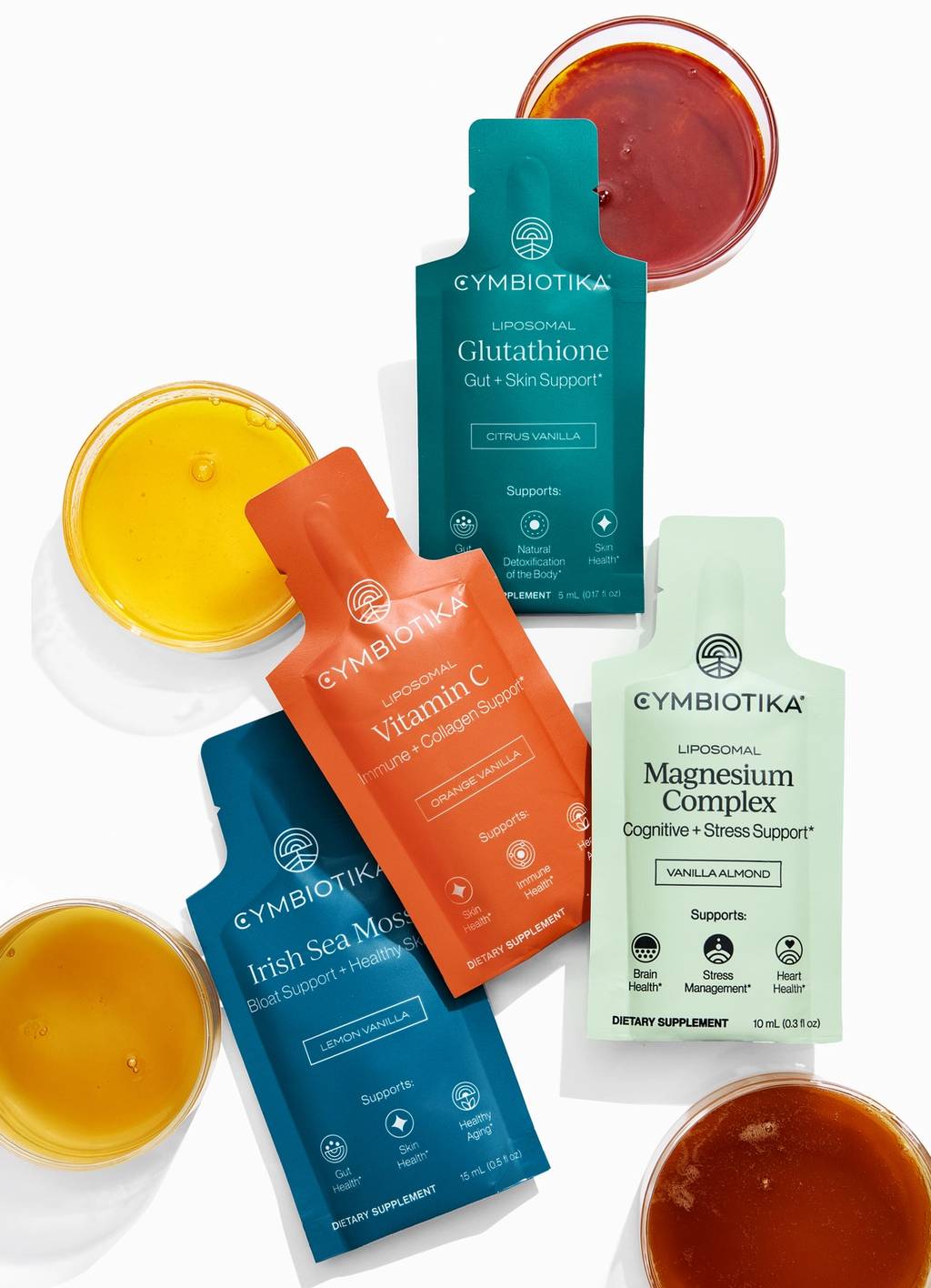
  • Liposomal Glutathione: Known as the master antioxidant, it may help support the body’s natural defense against the oxidative stress caused by high cortisol levels.

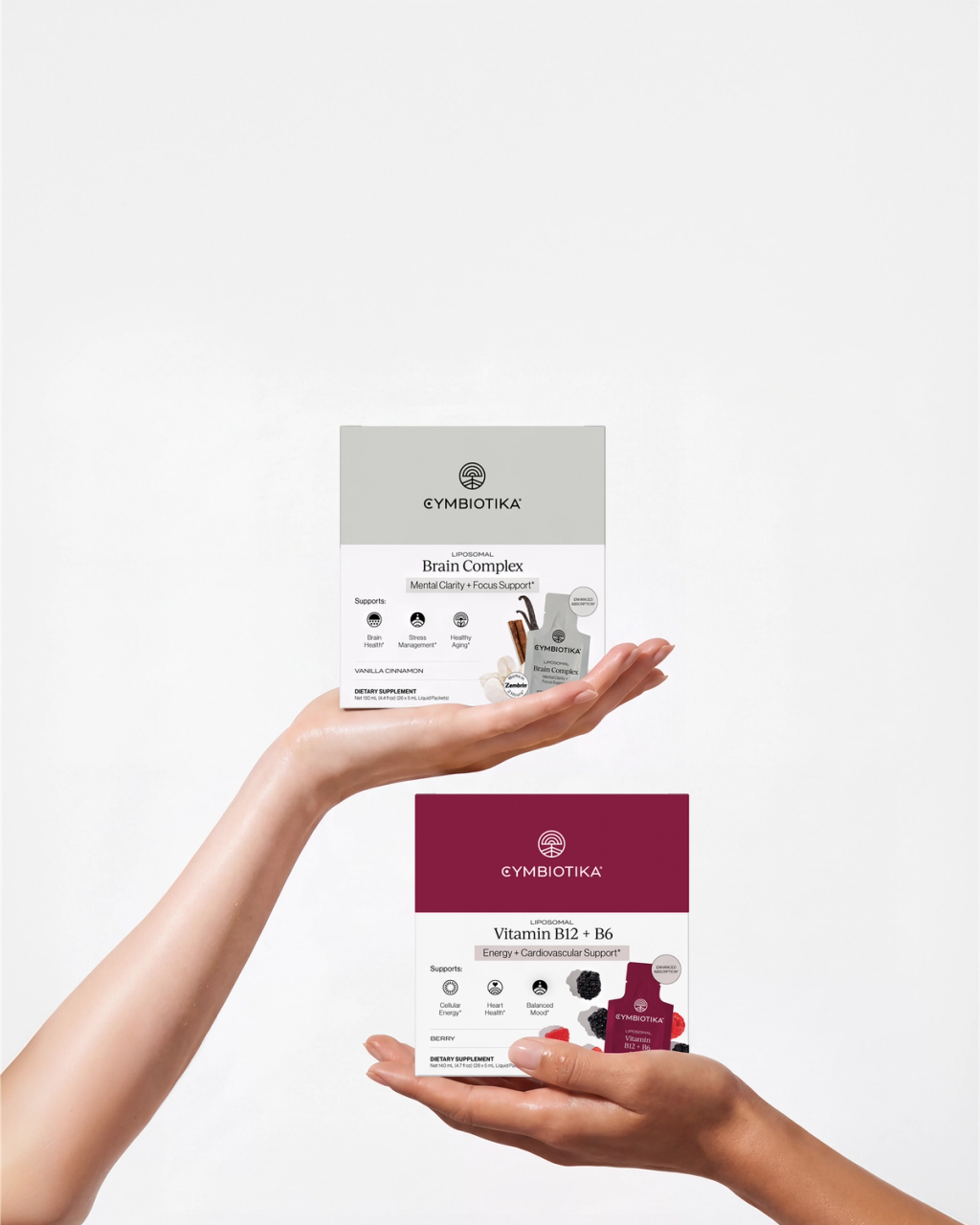
For daily energy and nervous system support, explore Liposomal Vitamin B12 + B6 as part of a targeted routine.

Step 4: Hydration and Mineralization

Water alone is often not enough to rehydrate a body that has been under pressure. Stress depletes electrolytes. Our PĂźrblack Pure Mineral Shilajit Live Resin provides a comprehensive complex of trace minerals and fulvic acid, which may help support cellular hydration and energy levels. This helps the body "flush" metabolic waste products more effectively.

For more context on mineral resins, purity, and delivery formats, read this guide to using pure shilajit in a daily wellness routine.

Bottom line: To clear stress from the body, you must address the physical "charge," the neurological signal, and the nutritional depletion simultaneously.

The Long-Term Perspective on Recovery

Recovery is not a one-time event; it is a daily practice. If you are constantly asking "how long does stress stay in the body," you might be looking for a way to undo weeks of pressure in a single afternoon. True wellness comes from building a routine that prevents the "bucket" from ever getting too full.

We focus on the "compounding interest" of small, high-quality choices. This means choosing supplements with liposomal delivery that your body can actually use, rather than taking handfuls of poorly absorbed pills. It means prioritizing transparency in the ingredients you put into your system. When your body knows it has the resources it needs—minerals, vitamins, and a regulated nervous system—it becomes much more efficient at processing and releasing the demands of daily life.

Consistency over intensity is the key to ensuring that the events of today don't become the physical burdens of next month. By incorporating bioavailable nutrients like our Liposomal Vitamin C or our Magnesium Complex into a predictable morning or evening stack, you provide your body with the "cushion" it needs to handle whatever comes its way.

Building Your Personal Resilience Routine

Your body’s ability to "clear" stress is directly related to your baseline health. A body that is well-rested and nutritionally supported will return to a state of calm much faster than one that is already running on empty. This is why we advocate for a proactive approach to wellness.

  1. Morning Alignment: Start with a routine that stabilizes your energy. Our Liposomal Vitamin B12 + B6 can help support your neurological system before the day's pressures begin.
  2. Evening Decompression: Use the final hour of your day to signal safety to your brain. This is an excellent time for a Magnesium Complex or Liposomal Sleep to help the body transition into the deep repair mode it needs.
  3. Regular Checks: Pay attention to your "stress markers." Are your shoulders creeping up toward your ears? Is your breath shallow? These are your body's early warning signals that it's time for a five-minute reset.

Conclusion

Understanding how long stress stays in the body reveals that we are not just passive observers of our biology. While the initial chemical spike of a stressful moment may be unavoidable, the duration of its physical impact is something we can influence. By supporting the nervous system, prioritizing high-bioavailability nutrients, and practicing regular physical resets, we can help our bodies move from "survival" back to "thriving" more efficiently.

  • Adrenaline clears quickly, but cortisol and physical tension can linger for hours or days.
  • The nervous system needs a clear "safety signal" to shift back into rest-and-digest mode.
  • Nutrient depletion during stress requires highly absorbable, liposomal supplements to truly support recovery.
  • Movement and breathwork are essential tools to "complete" the stress cycle physically.

At Cymbiotika, our mission is to provide you with the cleanest, most effective tools to build a wellness routine you can trust. We believe in transparency and the power of informed choices. If you are looking for a personalized way to support your body's specific needs, we encourage you to take our Health Quiz. It is designed to help you identify which of our bioavailable formulations can best support your unique lifestyle and goals.

FAQ

How can I tell if my cortisol levels are still high?

Common signs of lingering cortisol include feeling "tired but wired" at night, having a sudden burst of energy in the late evening, or experiencing a persistent "knot" in your stomach. You may also notice that your heart rate remains slightly elevated even when you are sitting still or that you feel easily startled by small noises.

Does exercise help remove stress from the body?

Yes, physical activity is one of the fastest ways to help the body process the "fight or flight" energy created by stress. Movement helps metabolize excess adrenaline and signals to the brain that the "threat" has been handled, which allows the body to begin the process of returning to a resting state.

Why do I feel sick after a long period of stress has finally ended?

This is often called the "let-down effect." When you are in a high-stress state, your body may suppress certain immune functions to prioritize immediate survival. Once you finally relax and your cortisol levels drop, your immune system "re-activates" and may begin addressing issues it was ignoring, leading to feelings of fatigue or mild illness as the body resets.

Can supplements really help with the physical effects of stress?

Specific nutrients like magnesium and B vitamins play a critical role in how the nervous system and adrenal glands function. However, the form of the supplement matters immensely; using liposomal delivery ensures that these nutrients bypass the digestive hurdles often caused by a stressed system, allowing them to be absorbed and used effectively by your cells. If you are comparing options across sleep and stress support, the Sleep Supplements collection provides a focused place to explore.

*These statements have not been evaluated by the Food and Drug Administration. This product is not intended to diagnose, treat, cure, or prevent any disease.

Subscribers get it all

Subscribe today and unlock access to Arise, the ultimate wellness experience.

SAVE BIG

Get over 40% off + FREE shipping on all recurring orders.

FUN FREEBIES

Get free gifts, swag, perks, and more

SAVE BIG

Feel energized & strong with a routine that works!

by / Aug 13, 2026

Back to cart

CONGRATS

Choose Your Free Gift

As a thank-you for subscribing, choose one complimentary product below.

Are you sure?
We'll remind you before your next
Golden Mind order processes.
We'll remind you before your next
Topical Magnesium order processes.
Are you sure?
Removing will also remove the exclusive discounted item added to your cart.

You're away from a FREE gift!

Add any of the products below to unlock your free gift.

    You've unlocked a FREE gift!

    Thanks for spending $110. Choose one of the three starter kits below.

    Subscribe & Save

    Trusted by 60k+ subscribers

    FOR YOU
    One FREE Month of Golden Mind!
    You've unlocked one FREE month of Golden Mind! Your subscription will renew automatically every 30 days, and we'll remind you before your order processes.
    Cancel anytime in your portal.
    FOR YOU
    One FREE Month of Topical Magnesium Oil!
    You've unlocked one FREE month of Topical Magnesium Oil! Your subscription will renew automatically every 30 days, and we'll remind you before your order processes.
    Cancel anytime in your portal.
    Your Cart ( items)

    in savings and perks unlocked with your order!

    Free shipping sitewide.

    More subscriptions, more savings

    1

    30% off

    2

    34% off

    3

    38% off

    4

    40% off

    5

    40% off

    Want to save? Add a subscription to get 30% off on it!

    Add items to your cart

    Browse our products and add items to start your order.

    You may also like. . .
    You may also like
    60-Day money back guarantee*