Sep 18, 2026

Does Honey Help Skin Glow? A Guide to Radiant Health

Table of Contents

  1. Introduction
  2. The Composition of Honey
  3. How Honey Supports a Radiant Complexion
  4. Topical vs. Internal: Which Method Works Better?
  5. The Importance of Quality: Raw vs. Processed Honey
  6. Why Bioavailability Matters for Your Skin
  7. The Gut-Skin Axis: The Hidden Connection
  8. Building a "Glow" Routine with Honey
  9. Myth vs. Fact: Honey and Skin Care
  10. Environmental Stressors and the "Glow"
  11. How to Choose the Right Honey for Your Skin Type
  12. The Role of Bioavailability in Long-Term Results
  13. Practical Steps to Enhance Your Glow
  14. Conclusion
  15. FAQ

Introduction

Many of us have spent years searching for the perfect addition to our skincare routine, often looking past the simple ingredients already sitting in our kitchen cupboards. Honey is one of those timeless staples that has been used for centuries in various cultures, not just as a sweetener, but as a topical and internal support for vitality. You may have seen it listed on the labels of expensive masks or heard whispers of its ability to transform a dull complexion into something more vibrant.

At Cymbiotika, we believe that true radiance is an "inside-out" job that starts with high-quality ingredients and optimal absorption. Understanding how a natural substance like honey interacts with your physiology is key to building a routine that actually delivers results. In this article, we will explore the science behind honey, its impact on skin health, and why the way your body processes nutrients determines the quality of your glow.

Whether you are applying it topically or incorporating it into your diet, honey offers a unique profile of enzymes and antioxidants. This post covers the specific mechanisms that allow honey to support skin health and how to pair it with advanced supplementation for the best results. We believe that an informed approach to wellness is the most effective way to reach your health goals.

Quick Answer: Honey helps skin glow by acting as a natural humectant, which draws moisture into the skin, and by providing antioxidants that support the skin’s defense against environmental stressors. When used correctly, it may support a smoother, more hydrated, and more radiant appearance.

The Composition of Honey

To understand why honey is so often linked to a healthy glow, we first have to look at what it actually is. Honey is a complex mixture produced by bees from the nectar of flowers. It is primarily composed of sugars like fructose and glucose, but its real power lies in the smaller components: water, enzymes, amino acids, minerals, and polyphenols.

Polyphenols are plant-based compounds that act as antioxidants in the body. They help neutralize free radicals, which are unstable molecules that can cause oxidative stress. When oxidative stress occurs on the skin, it often shows up as dullness, fine lines, or an uneven tone. By providing a source of antioxidants, honey helps the skin maintain its natural resilience.

Enzymes found in raw honey, such as glucose oxidase, contribute to its unique properties. These enzymes can provide a very gentle exfoliating effect when applied topically, helping to remove dead skin cells that sit on the surface and block your natural luminosity. Unlike harsh chemical exfoliants, honey works slowly and gently, making it suitable for many different skin types.

How Honey Supports a Radiant Complexion

When we talk about a "glow," we are usually referring to three specific things: hydration, smoothness, and an even tone. Honey addresses all three of these areas through its physical and chemical properties.

Natural Humectant Properties

A humectant is a substance that attracts and retains moisture. Honey is one of nature’s most effective humectants. When applied to the skin, it draws moisture from the air and into the skin’s upper layers. This creates a "plumping" effect that can make the skin look more refreshed and vital.

Hydration is the foundation of any glow. Dehydrated skin often looks flat, gray, or tired. By helping the skin hold onto water, honey ensures that the surface remains supple. This is especially important during seasonal changes or in dry climates where the environment constantly strips moisture from our bodies.

Support for the Skin Barrier

The skin barrier is the outermost layer of your skin that protects you from environmental toxins and prevents water loss. Honey contains lipids and amino acids that may support the integrity of this barrier. A strong barrier means less redness and a smoother texture, both of which are essential for a radiant look.

Key Takeaway: Honey’s ability to act as a humectant and an antioxidant provider makes it a dual-action ingredient for skin health, supporting both immediate hydration and long-term protection against dullness.

Topical vs. Internal: Which Method Works Better?

One of the most common questions people ask is whether they should be eating honey or putting it on their faces. The truth is that both methods offer different benefits, but they serve the same goal of supporting your overall wellness.

Topical Application

Applying honey as a mask or cleanser allows the enzymes and humectants to work directly on the skin's surface. This provides immediate feedback in terms of softness and hydration. Many people find that a raw honey mask left on for 15–20 minutes leaves their skin feeling significantly more "bouncy."

Dietary Consumption

When you consume honey, your body breaks down the sugars for energy and utilizes the antioxidants and minerals internally. This supports your systemic health, which eventually reflects on your skin. However, honey is high in sugar, so it should be used mindfully. High sugar intake can sometimes lead to the opposite of a glow if it causes internal imbalances.

The Importance of Quality: Raw vs. Processed Honey

Not all honey is created equal. If you are looking for skin benefits, the honey you find in a standard plastic bear at the grocery store may not be the best choice. Most commercial honeys are pasteurized, which involves heating the honey to high temperatures.

Pasteurization kills the beneficial enzymes and neutralizes many of the antioxidants that make honey valuable for skin health. To get the most benefit, we recommend looking for raw, unpasteurized honey.

  • Raw Honey: Contains live enzymes, pollen, and high levels of polyphenols.
  • Manuka Honey: A specific type of honey from New Zealand known for its high concentration of methylglyoxal (MGO), which provides robust support for skin clarity.
  • Wild-Crafted Honey: Sourced from bees that forage on wild plants, often resulting in a more diverse mineral profile.

Why Bioavailability Matters for Your Skin

While honey is a fantastic tool, it is only one piece of the puzzle. The health of your skin is a direct reflection of your internal nutrient status. This brings us to a concept we prioritize: bioavailability.

Bioavailability refers to how well your body can actually absorb and use the nutrients you give it. You could eat the most expensive honey or take the most popular vitamins, but if your body cannot transport those nutrients into your cells, you won't see the results on your skin.

Standard supplements often struggle with bioavailability because the digestive system breaks down active ingredients before they can reach the bloodstream. We solve this by using liposomal delivery. A liposome is a tiny phospholipid bilayer—a protective bubble made of the same material as your cell membranes. This "shell" protects the nutrient as it travels through your stomach, allowing it to be absorbed directly into the cells.

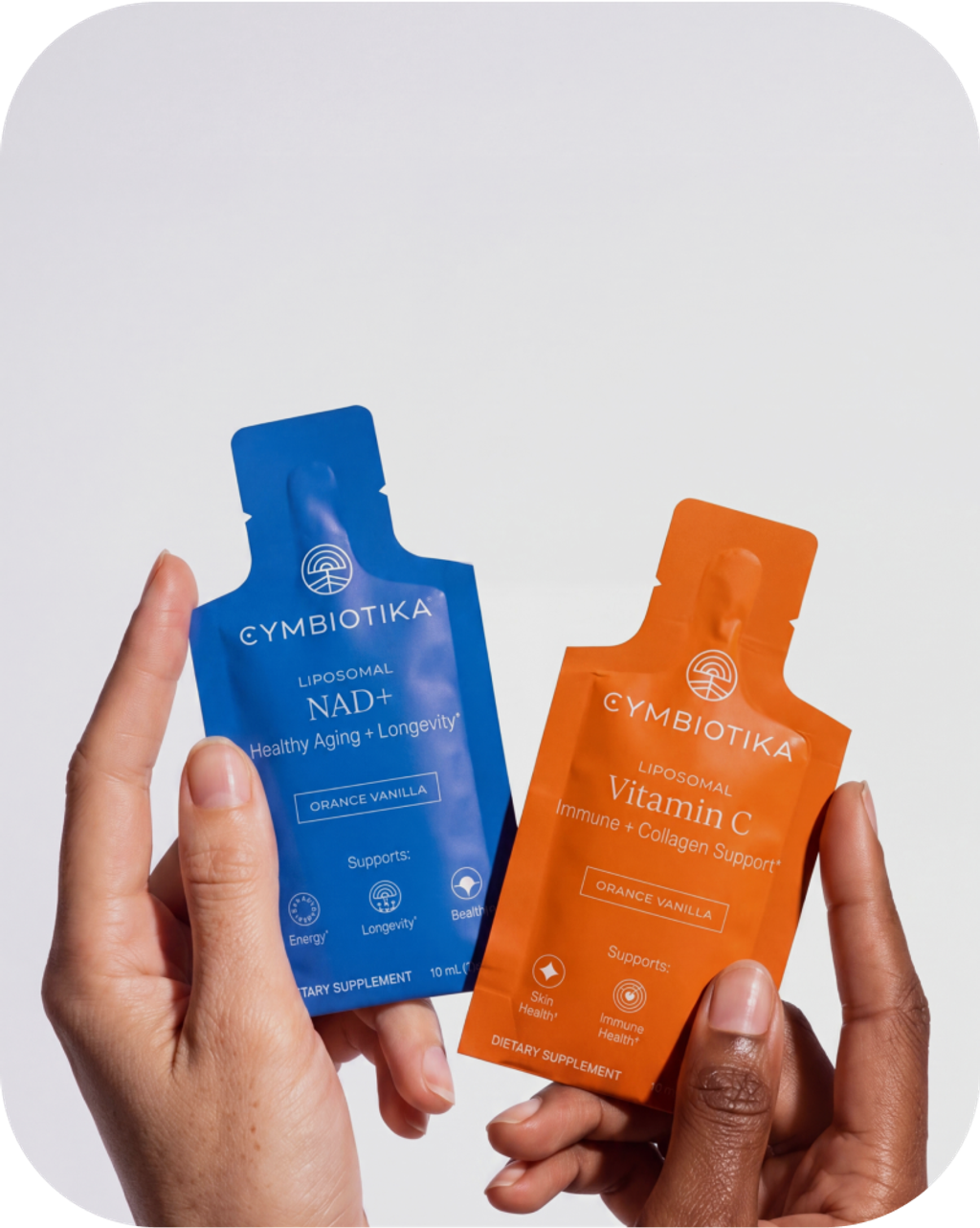
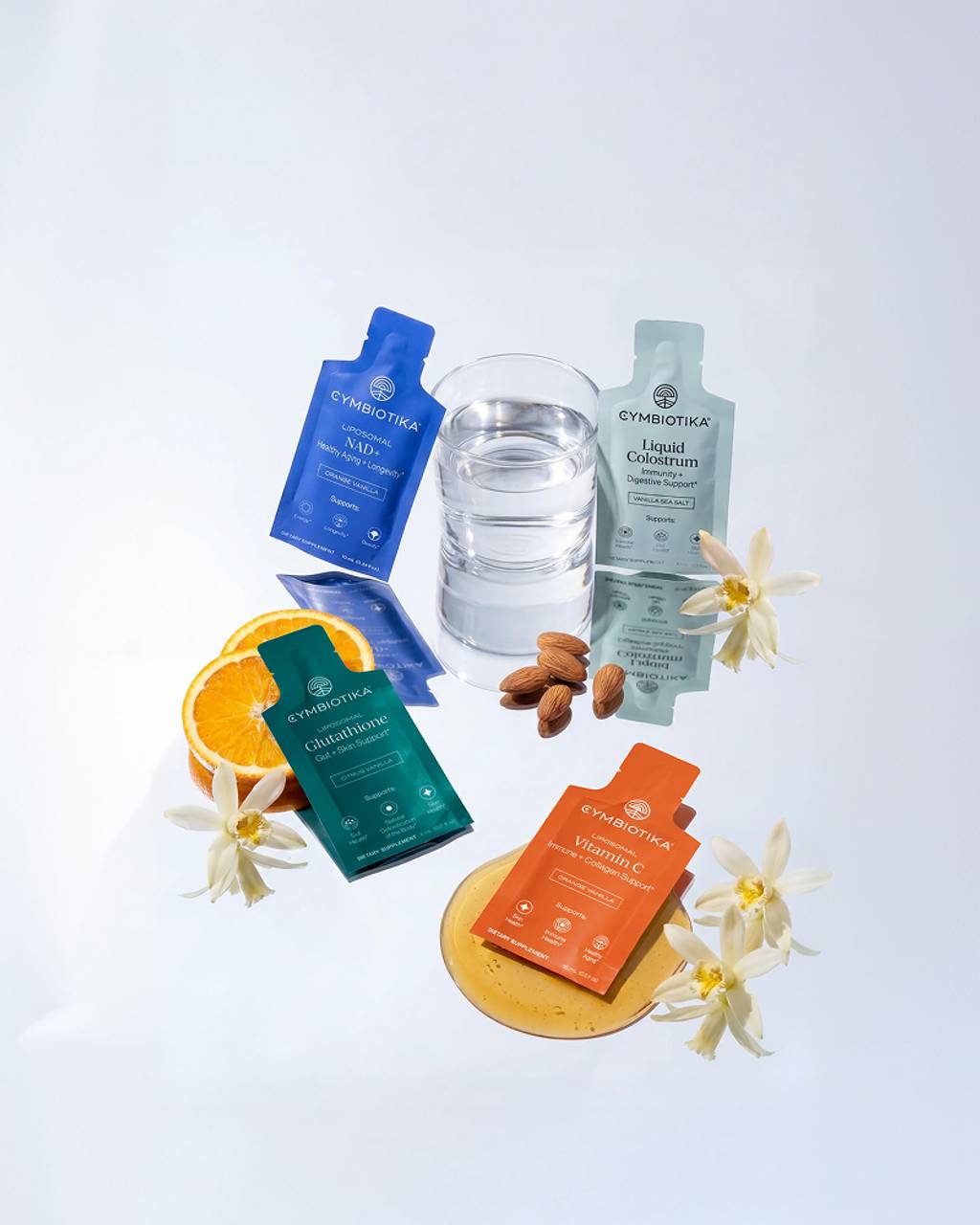
If you are using honey to support your skin, pairing it with bioavailable nutrients like Vitamin C, Glutathione, or Collagen-supporting compounds can amplify the effects. For example, our Liposomal Vitamin C is designed to support the body’s natural collagen production, which provides the structural "scaffold" that keeps skin firm and glowing.

The Gut-Skin Axis: The Hidden Connection

You cannot talk about skin health without talking about the gut. Scientists often refer to the "gut-skin axis," which describes the constant communication between your microbiome and your skin.

Honey contains prebiotics, which are fibers and sugars that feed the beneficial bacteria in your gut. A healthy gut microbiome helps regulate the body’s inflammatory response. When your gut is balanced, your skin is much less likely to experience the redness or "cloudy" appearance associated with internal stress.

Ways to support the gut-skin axis:

  1. Incorporate fermented foods: These provide probiotics to balance the gut.
  2. Use raw honey as a sweetener: It provides a small prebiotic boost compared to refined sugar.
  3. Support the gut lining: Ingredients like colostrum or targeted probiotics can help maintain a strong barrier in the digestive tract.

Our Liquid Colostrum is a powerful tool for this. It is designed to support the gut lining and immune function, which in turn helps keep the skin looking clear and resilient. When your internal systems are functioning efficiently, the "glow" follows naturally.

Building a "Glow" Routine with Honey

If you want to see if honey helps your skin glow, the best approach is consistency. Here is a simple way to integrate it into your daily life alongside our high-absorption formulas.

Step 1: The Morning Refresh

Start your day with a glass of warm (not boiling) water, a teaspoon of raw honey, and a squeeze of lemon. This hydrates your system and provides a quick spark of energy. Avoid boiling water, as high heat can destroy the honey’s delicate enzymes.

Step 2: Internal Support

Take your daily supplements during or after your first meal. If your goal is skin radiance, focus on antioxidants. Our Liposomal Glutathione is often called the "master antioxidant" and is designed to support cellular detoxification and skin brightness from the inside out. Because it is liposomal, your body can actually utilize the glutathione rather than breaking it down in the gut.

Step 3: The Weekly Honey Mask

Once or twice a week, apply a thin layer of raw Manuka or forest honey to clean, damp skin. Leave it on for 20 minutes while you relax. This allows the humectants to pull moisture into the surface. Rinse with lukewarm water and follow with your favorite moisturizer to "lock in" the hydration.

Step 4: Evening Recovery

Sleep is when your skin does the majority of its repair work. Support this process by staying hydrated and perhaps using a magnesium supplement to ensure deep, restorative rest. Our Magnesium Complex is designed to support the nervous system, helping you achieve the quality sleep necessary for skin cell turnover.

Bottom line: A "glow" is the result of surface-level hydration, like honey masks, combined with deep cellular support and high-absorption nutrients that fuel the skin's natural repair processes.

Myth vs. Fact: Honey and Skin Care

Myth: Putting honey on your face will cause breakouts because it is "sugar."
Fact: Raw honey actually has properties that support skin clarity. While it is made of sugar, its unique enzymes and low pH often help balance the skin's surface rather than clogging pores.

Myth: All honey is the same for skin health.
Fact: Processed, clear honey found in most stores has been heated and filtered, removing the very enzymes and antioxidants that help the skin glow. Raw, dark honey is generally much higher in beneficial compounds.

Environmental Stressors and the "Glow"

We live in an environment that is constantly challenging our skin. Pollution, UV rays, and blue light from screens all contribute to oxidative stress. This stress breaks down collagen and dulls the skin's natural luster.

Honey provides a topical shield of antioxidants, but your body needs internal protection as well. This is where molecular hydrogen and resveratrol come into play. These compounds are designed to neutralize free radicals at the source. By combining the topical protection of a honey-based routine with the cellular protection of advanced supplements, you give your skin the best chance to stay vibrant regardless of environmental factors.

How to Choose the Right Honey for Your Skin Type

Depending on what your skin needs, different types of honey might be more effective.

  • For Dry Skin: Look for honey with high moisture content, like Clover or Acacia. These are excellent humectants.
  • For Redness or Sensitivity: Manuka honey with a high UMF (Unique Manuka Factor) rating is often the preferred choice for its soothing properties.
  • For Dullness: Buckwheat honey is typically darker and contains a higher concentration of antioxidants than lighter honeys, making it great for supporting an even tone.

Regardless of which you choose, always perform a patch test on a small area of your skin first. Even natural ingredients can cause reactions in some individuals.

The Role of Bioavailability in Long-Term Results

We often see people buy high-quality honey and expensive creams but fail to see lasting changes. This is usually because the "glow" they are chasing is a symptom of a deeper nutritional need. If your body is low on essential fatty acids, vitamins, or minerals, no amount of topical honey will create a permanent glow.

This is why we focus so heavily on the delivery system. For example, The Omega provides essential fatty acids that are critical for the skin’s lipid barrier. Without these fats, the skin cannot hold onto the moisture that the honey is trying to provide. By ensuring these nutrients are bioavailable, we help you build a foundation where topical treatments can actually do their job.

For additional context on essential fatty acids, explore this guide to Omega-3, 6, and 9 benefits.

Practical Steps to Enhance Your Glow

If you are ready to see if honey helps your skin glow, follow these practical steps to maximize your results:

  1. Switch your sweetener: Replace refined white sugar with a small amount of raw honey. This reduces the intake of processed sugars that can contribute to skin dullness.
  2. Verify your honey source: Ensure your honey is "Raw" and "Unfiltered." If it looks cloudy or creamy, that’s usually a good sign that the beneficial particles are still present.
  3. Focus on cellular hydration: Drink plenty of water, but also ensure your body has the electrolytes and minerals needed to move that water into your cells. Our Pürblack Pure Mineral Shilajit is an excellent source of trace minerals that support this process.
  4. Prioritize absorption: When choosing supplements to support your skin, always ask: "Is this liposomal?" If it isn't, you may be wasting your investment.

Key Takeaway: Real skin health is a combination of gentle topical care, mindful nutrition, and high-absorption supplements that target the body at a cellular level.

Conclusion

Honey is a remarkable natural tool that can certainly help your skin glow. Its ability to hydrate, gently exfoliate, and provide antioxidant protection makes it a versatile addition to any wellness routine. However, remember that the most beautiful skin is a reflection of a healthy, well-nourished body.

At Cymbiotika, our mission is to empower you with the tools and knowledge to take control of your health. We prioritize transparency and bioavailability because we know that what you absorb matters more than what you just consume. By combining the traditional wisdom of ingredients like honey with our science-forward, liposomal formulations, you can support your body’s natural ability to thrive.

If you are unsure where to start your journey toward more radiant health, we invite you to take our Health Quiz. It is designed to provide personalized recommendations based on your unique goals and lifestyle, helping you build a routine you can truly trust.

  • Consistency is key: Use honey and your supplements daily for the best results.
  • Quality matters: Choose raw honey and liposomal supplements for maximum impact.
  • Inside-out approach: Support your gut and your cells to see the best reflection in the mirror.

"True wellness isn't about a single miracle ingredient; it's about building a consistent, high-quality routine that supports your body's natural systems from the inside out."

FAQ

Does honey really make your skin glow?

Yes, honey can help skin glow by acting as a natural humectant that pulls moisture into the skin, making it look plump and hydrated. Additionally, its antioxidants help protect against the oxidative stress that can make skin look dull and tired over time.

Can I put honey on my face every day?

While raw honey is gentle, most people find that using it as a mask 2–3 times a week is sufficient to see results. If you choose to use it as a daily cleanser, ensure you are using raw, high-quality honey and rinsing thoroughly to avoid any sticky residue.

Which honey is best for skin radiance?

Raw, unpasteurized honey is the best choice because it retains its natural enzymes and antioxidants. Manuka honey is particularly prized for skin health due to its unique compounds, but any dark, raw honey will provide a high level of beneficial polyphenols.

Can eating honey improve my skin?

Eating honey can support your skin indirectly by providing antioxidants and prebiotics that support gut health. However, because honey is high in sugar, it should be consumed in moderation, as excessive sugar intake can sometimes lead to skin imbalances for certain individuals.

*These statements have not been evaluated by the Food and Drug Administration. This product is not intended to diagnose, treat, cure, or prevent any disease.

Subscribers get it all

Subscribe today and unlock access to Arise, the ultimate wellness experience.

SAVE BIG

Get over 40% off + FREE shipping on all recurring orders.

FUN FREEBIES

Get free gifts, swag, perks, and more

SAVE BIG

Feel energized & strong with a routine that works!

by / Sep 18, 2026

Back to cart

CONGRATS

Choose Your Free Gift

Choose one complimentary product below.

Are you sure?
Removing will also remove the exclusive discounted item added to your cart.

You're away from a FREE gift!

Add any of the products below to unlock your free gift.

    You've unlocked a FREE gift!

    Thanks for spending $110. Choose one of the three starter kits below.

    Subscribe & Save

    Trusted by 60k+ subscribers

    Your Cart ( items)

    in savings and perks unlocked with your order!

    Free shipping sitewide.

    More subscriptions, more savings

    1

    30% off

    2

    34% off

    3

    38% off

    4

    40% off

    5

    40% off

    Want to save? Add a subscription to get 30% off on it!

    Add items to your cart

    Browse our products and add items to start your order.

    Exclusive Subscriber Offer

    Test 100+
    Biomarkers

    Get tested at a lab near you,
    plus 1 year of Hundred Health

    $199 $49

    You may also like. . .
    You may also like
    60-Day money back guarantee. Exclusions apply.*