Table of Contents
- Introduction
- The Biology of Skin Elasticity
- How Fasting Influences Skin Health
- Bioavailability: Supporting Skin from the Inside Out
- Nutrients That Support Elasticity During a Fasting Routine
- Practical Steps to Support Your Skin While Fasting
- The Connection Between Gut Health and Skin
- Lifestyle Factors That Complement Fasting
- Understanding the Limits of Fasting for Skin
- Conclusion
- FAQ
Introduction
Maintaining firm, youthful-looking skin is a goal for many, but the solution might not always be found in a bottle of expensive cream. Increasingly, people are looking inward to see how lifestyle changes, such as fasting, can influence the structural integrity of their skin. While fasting is often associated with weight management or metabolic health, its potential impact on skin elasticity—the skin's ability to stretch and bounce back—is a growing area of interest.
At Cymbiotika, we focus on the intersection of ancient wisdom and modern science to help you understand how your internal environment reflects on the outside. This article explores the relationship between various fasting protocols and the biological markers of skin health. We will look at how giving your digestive system a break may support the pathways responsible for cellular repair and collagen maintenance.
Understanding whether fasting helps skin elasticity requires a look at the cellular level. We will examine the roles of autophagy, insulin management, and growth hormone production in the context of skin aging. By the end of this guide, you will have a clear understanding of how to integrate fasting and high-quality nutrition into a routine designed to support a vibrant, resilient complexion.
The Biology of Skin Elasticity
Skin elasticity depends on the health of the extracellular matrix. This matrix is a complex network of proteins, primarily collagen and elastin, that provide structure and "snap" to your skin. Collagen gives the skin its strength and firmness, while elastin allows it to return to its original shape after being pulled or compressed. As we age, the production of these proteins naturally slows down, and the existing fibers can become damaged by environmental factors and metabolic waste.
The degradation of skin structure is often a result of internal stressors. One of the primary culprits is the accumulation of damaged proteins and cellular debris. When these "junk" proteins sit within the skin tissue, they can interfere with the production of new, healthy collagen. Additionally, high levels of sugar in the blood can lead to a process called glycation, where sugar molecules attach to proteins, making them stiff and brittle.
Your body has built-in mechanisms to repair this structural damage. To maintain elasticity, the body must constantly balance the breakdown of old tissue with the creation of new tissue. This balance is influenced by hormones, nutrient availability, and the efficiency of cellular cleanup processes. When these systems are optimized, the skin is better equipped to remain firm and hydrated. For more on collagen and skin support, explore this guide to collagen supplements and skin health.
How Fasting Influences Skin Health
Fasting acts as a biological reset that may favor skin preservation. When you stop consuming calories for a specific window of time, your body shifts its focus from digestion and nutrient storage to cellular maintenance and repair. This shift triggers several internal processes that are directly linked to the health of your connective tissues and the appearance of your skin.
The Role of Autophagy
Autophagy is the body’s way of "cleaning house" at the cellular level. The word literally means "self-eating," and while that might sound intense, it is a vital survival mechanism. During periods of fasting, the body identifies old, damaged, or dysfunctional cellular components and breaks them down to be recycled into energy or new parts.
This cellular recycling is crucial for skin elasticity. In the skin, autophagy can help clear out the damaged collagen and elastin fibers mentioned earlier. By removing these "clogged" proteins, the body creates a cleaner environment for new, healthy proteins to thrive. This process may help the skin maintain its structural integrity longer than it would in a state of constant caloric intake.
Key Takeaway: Autophagy is a natural "recycling program" triggered by fasting that helps the body remove damaged skin proteins, potentially making room for fresher, more resilient tissue.
For a broader look at fasting and cellular cleanup, read how fasting supports the body's natural detoxification processes.
Managing Glycation and Insulin
Fasting helps regulate insulin levels, which can protect skin proteins. Every time you eat, especially carbohydrates, your insulin levels rise. Chronic high insulin and elevated blood sugar can lead to the formation of Advanced Glycation End-products (AGEs). These AGEs are known to bond with collagen and elastin, causing them to lose their flexibility and become prone to sagging.
By reducing the frequency of insulin spikes, fasting may limit the damage caused by glycation. When you give your body extended periods without food, blood sugar levels stabilize. This lower-sugar environment reduces the likelihood of AGEs forming, which helps keep your collagen fibers supple. Many people find that their skin appears clearer and more "alive" when they manage these metabolic markers through timed eating.
Growth Hormone and Tissue Repair
Fasting has been shown to naturally increase the production of growth hormone. Growth hormone is essential for the repair of all tissues, including the skin. It plays a significant role in collagen synthesis and the regeneration of skin cells. As we age, our natural levels of this hormone decline, which contributes to the thinning and loss of elasticity in the skin.
The boost in growth hormone during a fast serves as a repair signal. While fasting itself is a period of "rest," the hormonal response it triggers is one of "rebuild." This means that when you eventually break your fast, your body is primed to use the incoming nutrients to repair the skin’s foundation more efficiently.
Bioavailability: Supporting Skin from the Inside Out
What you eat during your "feeding window" is just as important as the fast itself. Fasting creates the environment for repair, but your body still needs the raw materials to build new collagen and elastin. However, not all nutrients are created equal, and how well your body absorbs them—known as bioavailability—determines the results you see in the mirror.
Many standard supplements have poor absorption rates. When you take a traditional tablet or capsule, much of the active ingredient may be destroyed by the harsh environment of the digestive tract. This is particularly true for delicate compounds like Vitamin C or glutathione, which are essential for skin health. If the nutrients never reach your cells, they cannot support the elasticity you are working to maintain.
Liposomal delivery is designed to solve the problem of poor absorption. A liposome is a tiny, fatty bubble (made of phospholipids) that mimics your own cell membranes. By wrapping nutrients in these phospholipids, they can bypass the destructive digestive process and be delivered directly into the bloodstream and cells. Learn more about how liposomal delivery supports nutrient absorption.
Bottom line: Fasting primes your body for repair, but the quality and absorption of the nutrients you consume afterward are what actually build the "snap" back into your skin.
Nutrients That Support Elasticity During a Fasting Routine
If you are using fasting to support your skin, you should focus on specific nutrients that aid in protein synthesis and antioxidant protection. These ingredients work alongside the body's natural autophagy process to strengthen the skin's matrix.
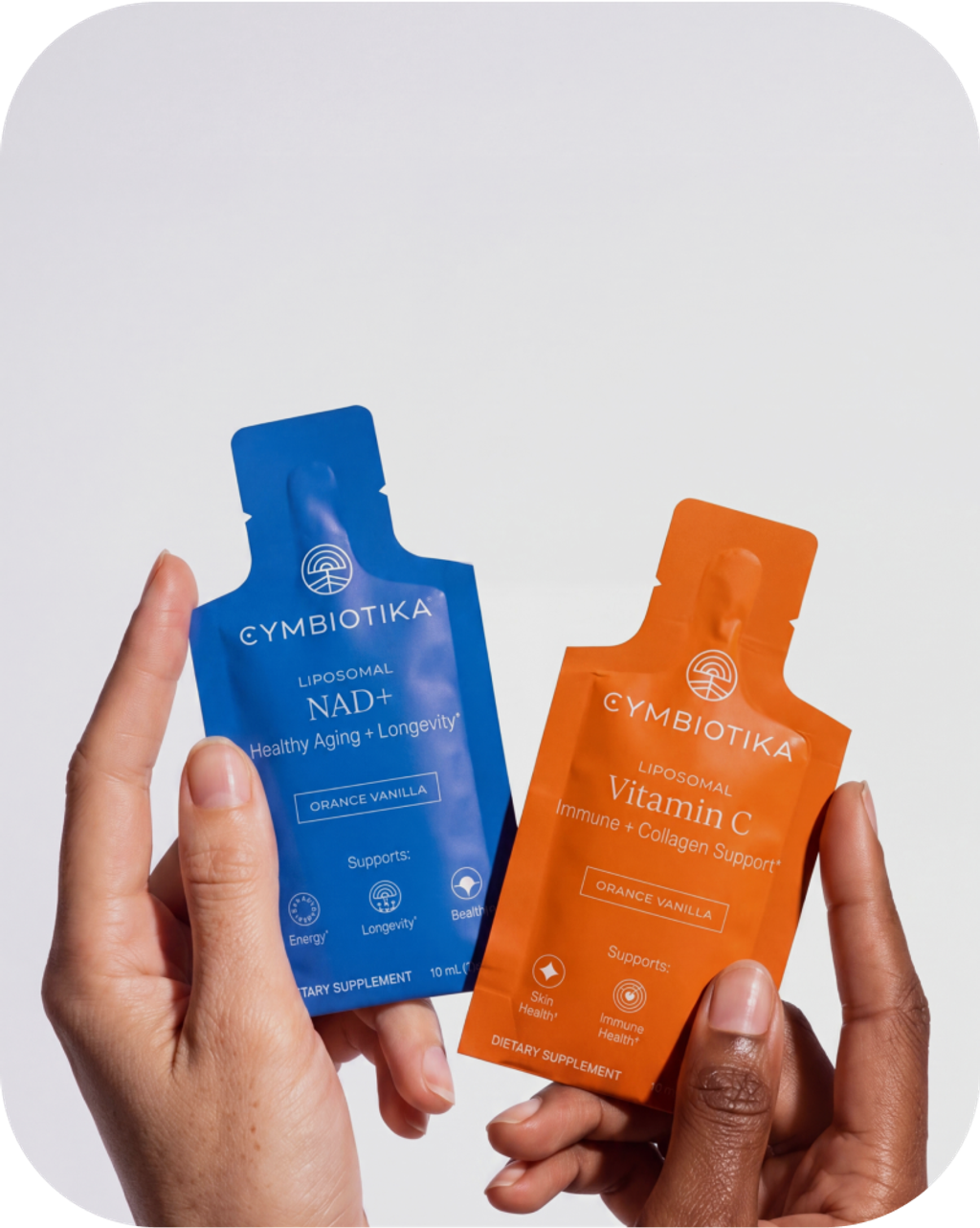
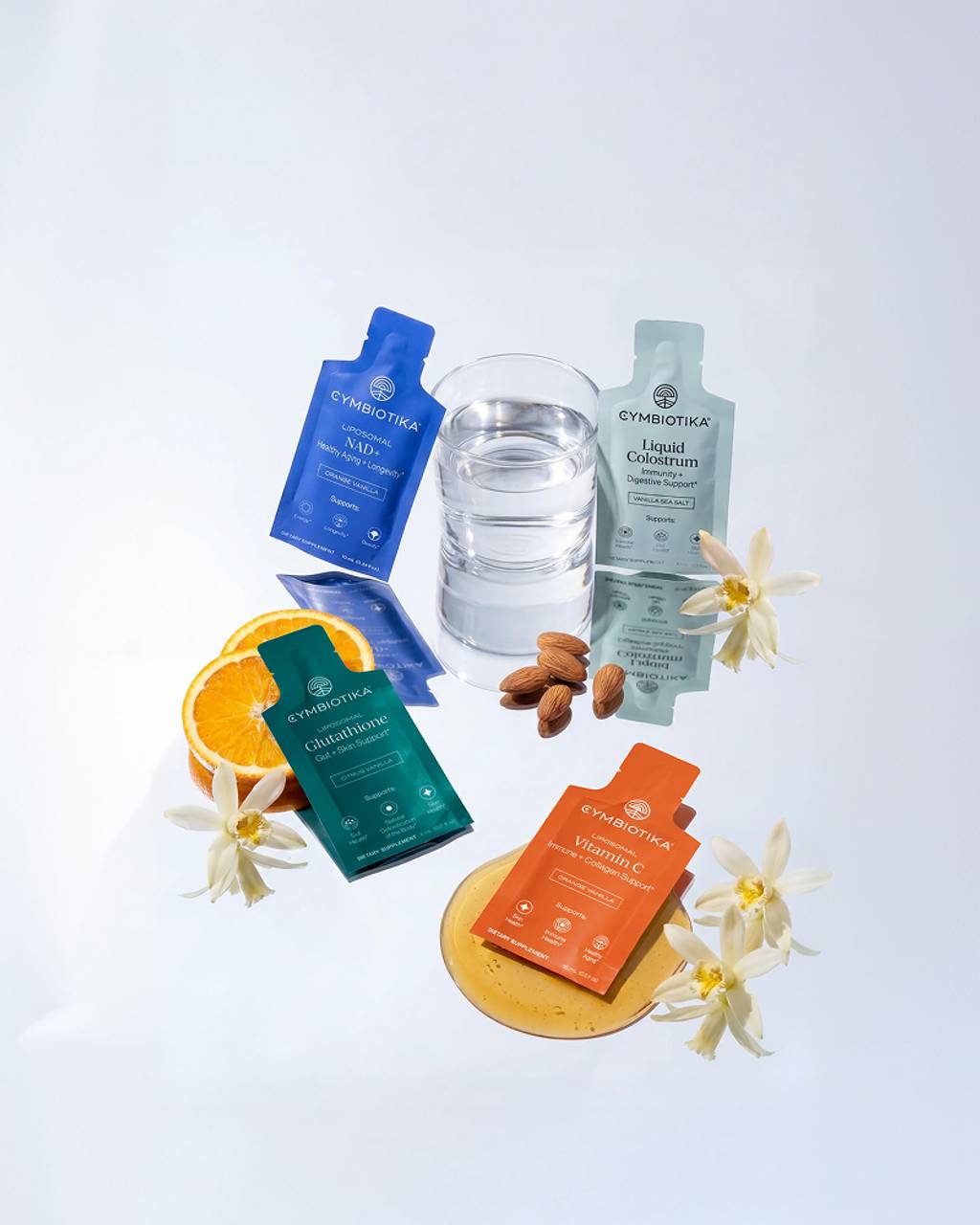
- Vitamin C: This is a non-negotiable co-factor for collagen production. Without it, the body simply cannot stabilize the collagen fibers it tries to build. Our Liposomal Vitamin C is designed for high bioavailability, ensuring your skin gets the antioxidant support it needs to fight off oxidative stress.
- Colostrum: Known as "liquid gold," colostrum contains growth factors and immune-supporting compounds that may help the gut and the skin. A healthy gut lining is essential for nutrient absorption. Our Liquid Colostrum provides a concentrated source of these nutrients to support tissue recovery and skin vibrancy.
- Molecular Hydrogen: Oxidative stress is a primary driver of collagen breakdown. Molecular hydrogen is a powerful, selective antioxidant that can penetrate deep into cells. Using Molecular Hydrogen tablets in your water during or after a fast can help neutralize the free radicals that age the skin.
- Silica and Trace Minerals: Minerals like silica are essential for the cross-linking of collagen fibers, which gives skin its "bounce." Shilajit is a potent source of fulvic acid and trace minerals that can support these structural pathways. Our Pürblack Pure Mineral Shilajit Live Resin offers a comprehensive mineral profile to support energy and skin health.
| Nutrient | Role in Skin Elasticity | Recommended Format |
|---|---|---|
| Vitamin C | Essential for collagen synthesis and antioxidant protection. | Liposomal Liquid |
| Growth Factors | Supports tissue repair and cellular regeneration. | Liquid Colostrum |
| Molecular Hydrogen | Neutralizes oxidative stress that damages skin cells. | Dissolvable Tablets |
| Trace Minerals | Supports the structural integrity of the extracellular matrix. | Shilajit Resin |
Practical Steps to Support Your Skin While Fasting
Step 1: Choose a sustainable fasting window.
Start with a 12-hour fast (including sleep) and gradually move to a 16:8 protocol (16 hours of fasting, 8 hours of eating). This consistency is more effective for skin health than occasional, extreme fasts.
Step 2: Prioritize hydration and electrolytes.
Skin elasticity is heavily dependent on hydration. During your fast, drink plenty of filtered water. Since fasting can cause your body to flush out minerals, adding a high-quality mineral complex or our Topical Magnesium Oil Spray can help maintain the balance your cells need to stay hydrated.
Step 3: Break your fast with nutrient-dense foods.
Avoid breaking your fast with high-sugar or processed foods, which can cause an insulin spike and lead to glycation. Instead, focus on high-quality proteins, healthy fats, and colorful vegetables that provide the building blocks for collagen.
Step 4: Incorporate bioavailable supplementation.
During your eating window, use supplements designed for cellular absorption. This ensures that after your body has gone through its "cleanup" (autophagy) phase, it has the best possible materials to begin the "rebuild" phase.
Step 5: Monitor your skin’s response.
Everyone’s body reacts differently to fasting. Some people see improvements in skin clarity and firmness within weeks, while others may take longer. Pay attention to how your skin feels—if it feels excessively dry or thin, you may need to increase your healthy fat intake or shorten your fasting window.
The Connection Between Gut Health and Skin
A healthy gut is often reflected in healthy skin. This is frequently referred to as the "gut-skin axis." Fasting provides a much-needed break for the digestive system, allowing the gut lining to repair itself. When the gut is compromised, it can lead to systemic issues that often manifest as dullness or a loss of vibrancy in the complexion.
Fasting may support the diversity of the microbiome. A diverse microbiome is linked to better nutrient absorption and lower levels of systemic stress. By giving the gut a rest, you are essentially supporting the foundation upon which your skin health is built. This is why many people who practice intermittent fasting report a "glow" that goes beyond simple topical treatments.
Supporting the gut-skin axis requires more than just timing. Incorporating tools like our Probiotic can help maintain the balance of beneficial bacteria, while Liquid Colostrum can help support the integrity of the gut lining. When the gut is working efficiently, your skin receives the nutrients it needs to maintain its elasticity and barrier function. Explore the Gut Health collection for additional options.
Lifestyle Factors That Complement Fasting
Fasting is only one piece of the skin elasticity puzzle. To see the best results, you must address the external factors that degrade collagen. Sun protection is paramount, as UV rays are the fastest way to break down elastin and collagen fibers. Without protection, the benefits of autophagy and growth hormone may be negated by environmental damage.
Sleep is when the real repair happens. While fasting triggers the signals for repair, the actual "construction work" of building new skin cells occurs while you sleep. Melatonin, often thought of only as a sleep hormone, is also a potent antioxidant that supports skin health. If you struggle with rest, our Liposomal Sleep or Magnesium Complex can help you achieve the deep sleep necessary for tissue regeneration.
Exercise supports circulation and nutrient delivery. Physical activity increases blood flow to the skin, carrying oxygen and nutrients to the cells while helping to carry away waste products. When combined with fasting, exercise can further stimulate growth hormone and metabolic efficiency, creating a synergistic effect for skin health.
Understanding the Limits of Fasting for Skin
Fasting is not a substitute for a healthy diet. While the "cleanup" phase is beneficial, you cannot fast your way out of a poor diet. If you are not consuming enough protein or healthy fats during your eating window, your body may actually begin to break down its own tissues—including skin and muscle—for energy, which can have the opposite effect on elasticity.
Over-fasting can lead to nutrient deficiencies. It is important to find a balance that works for your body type and activity level. For some, very long fasts can be a stressor that leads to increased cortisol, a hormone that can actually break down collagen over time. Moderation and listening to your body’s signals are key.
Consistency over intensity is the best approach. You don't need to do a three-day fast to see benefits. Most people find that a consistent 14 to 16-hour daily fast provides enough of a "biological pause" to support skin health without the risks of extreme protocols.
Conclusion
Fasting may support skin elasticity by activating the body's natural repair mechanisms, such as autophagy and the production of growth hormone. By reducing the frequency of insulin spikes and limiting the damage caused by glycation, fasting helps preserve the flexibility of collagen and elastin fibers. However, the success of a fasting routine for skin health depends heavily on the quality of the nutrients you consume when you aren't fasting.
At Cymbiotika, we believe that true wellness comes from a combination of conscious lifestyle choices and high-quality, transparent supplementation. We focus on bioavailability because we know that your skin can only use what it can actually absorb. By pairing a consistent fasting routine with our science-forward formulations, you are giving your body the tools it needs to thrive.
If you are ready to build a routine that supports your skin and overall vitality, we are here to help. Our products are designed with purity and performance in mind, ensuring that every step you take toward wellness is supported by the best that nature and science have to offer.
"Your skin is a reflection of your internal environment. By prioritizing cellular cleanup through fasting and high-quality nourishment, you are investing in your long-term vibrancy."
To find the right combination of nutrients for your specific goals, we invite you to take the Health Quiz for a personalized recommendation.
FAQ
Does intermittent fasting improve skin elasticity?
Intermittent fasting may support skin elasticity by triggering autophagy, a process where the body recycles damaged proteins like old collagen. It also helps manage blood sugar levels, which can reduce the formation of molecules that make skin fibers stiff and brittle.
How long do I need to fast to see skin benefits?
While cellular repair starts early, many studies suggest that the process of autophagy peaks after 16 to 24 hours of fasting. However, consistent daily fasts of 14 to 16 hours may provide cumulative benefits for skin clarity and structural support over time.
Can fasting help with sagging skin?
Fasting may help improve the underlying structure of the skin by promoting the production of growth hormone and reducing oxidative stress. While it is not a cure for significant skin laxity, it can be a valuable tool in a broader routine that includes hydration, sun protection, and nutrient-dense eating.
What are the best supplements to take for skin while fasting?
During your eating window, focus on highly bioavailable nutrients like Liposomal Vitamin C for collagen support and Pürblack Pure Mineral Shilajit for essential trace minerals. Using Molecular Hydrogen in your water during the fast can also help manage the oxidative stress that contributes to skin aging.
*These statements have not been evaluated by the Food and Drug Administration. This product is not intended to diagnose, treat, cure, or prevent any disease.