Table of Contents
- Introduction
- The Science of the "Glow"
- Vitamin C: The Architect of Radiance
- The Role of Hydration and Citric Acid
- Why Eating Oranges Might Not Be Enough
- Bioavailability: The Missing Link in Your Routine
- The Gut-Skin Axis: Why Digestion Matters
- Beyond Oranges: Other Nutrients for Glowing Skin
- Building a Lifestyle for Radiant Skin
- The Importance of Consistency
- Conclusion
- FAQ
Introduction
Many of us grew up hearing that an orange a day keeps the doctor away, largely thanks to its high Vitamin C content. While we often associate this citrus fruit with immune support, its reputation in the beauty world is just as strong. If you have ever wondered if adding more oranges to your diet can actually change the appearance of your skin, the short answer is yes—but the process is more scientific than just eating a snack.
At Cymbiotika, we believe that true radiance is an inside-out job. The nutrients found in whole foods like oranges play a vital role in how your skin looks, feels, and ages. However, how much of those nutrients your body actually absorbs is the real secret to seeing a difference in the mirror. In this article, we will explore the relationship between citrus consumption and skin health, the role of collagen, and why bioavailability is the most important factor in your wellness routine.
Eating oranges may support a brighter complexion by providing the essential building blocks for collagen and protecting cells from environmental stress.
The Science of the "Glow"
When people talk about "glowing" skin, they are usually describing skin that looks hydrated, smooth, and vibrant. This appearance is not just about what you put on your face; it is a reflection of cellular health and efficient biological processes. Several factors contribute to this radiant look, including healthy blood flow, efficient cell turnover, and a strong skin barrier.
The skin is the body's largest organ, and it requires a constant supply of nutrients to repair itself. Oranges are famous for being packed with Vitamin C, but they also contain water, fiber, and various phytonutrients. These elements work together to support the skin’s structure. When your body has the resources it needs, your skin can better manage the daily wear and tear from the sun, pollution, and natural aging.
Key Takeaway: Radiant skin is a biological indicator of internal health, reflecting how well your body is hydrated, nourished, and protected at a cellular level.
For more context on Vitamin C and its relationship to skin health, explore this guide on how Vitamin C affects skin.
Vitamin C: The Architect of Radiance
The most significant reason oranges are linked to skin health is their high concentration of Vitamin C. This essential nutrient is a powerhouse for the skin, but the human body cannot produce it on its own. We must get it through our diet or supplementation. Vitamin C plays two primary roles in creating that sought-after glow: supporting collagen and acting as an antioxidant.
Supporting Collagen Synthesis
Collagen is the most abundant protein in the body. Think of it as the "glue" or the internal scaffolding that keeps your skin firm and elastic. As we age, our natural collagen production begins to slow down, which can lead to a loss of firmness. Vitamin C is a required co-factor for the enzymes that stabilize and cross-link collagen molecules.
Without enough Vitamin C, your body struggles to produce high-quality collagen. This is why many people find that increasing their intake of Vitamin C-rich foods like oranges helps their skin feel more resilient. It is not just about adding more collagen; it is about giving your body the tools to build its own effectively.
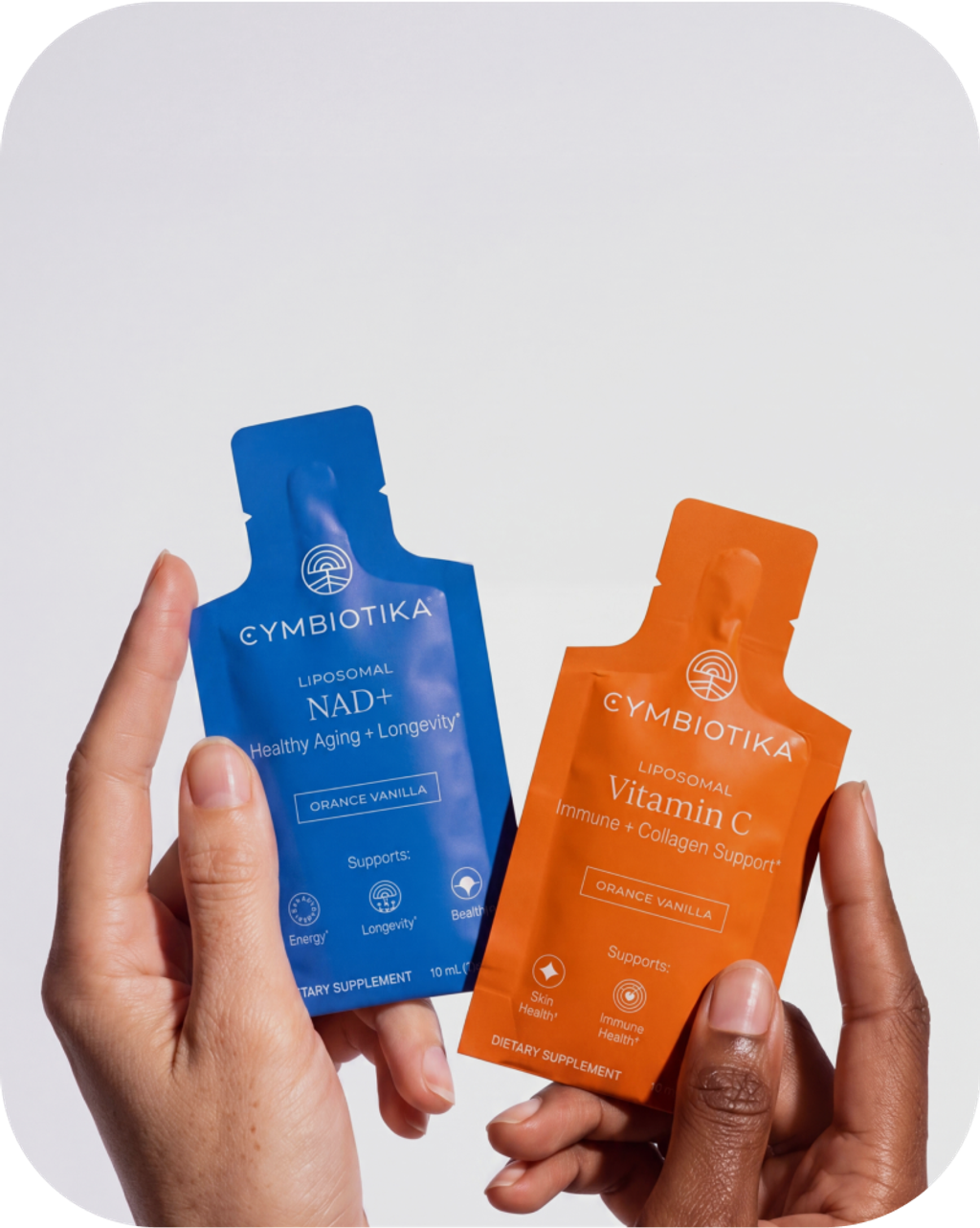
For a targeted source of Vitamin C, explore Liposomal Vitamin C.
The Antioxidant Shield
Every day, your skin faces "oxidative stress." This happens when unstable molecules called free radicals—triggered by things like UV rays and pollution—damage your cells. This damage can make the skin look dull or tired over time.
Vitamin C is a potent antioxidant that neutralizes these free radicals. By protecting the skin from this microscopic damage, Vitamin C helps maintain a more even skin tone and supports the skin's natural repair process. When your skin isn't constantly fighting off oxidative stress, it has more energy to focus on regeneration, which contributes to a brighter appearance.
You can learn more about this connection in Cymbiotika’s guide to Vitamin C and glowing skin.
The Role of Hydration and Citric Acid
While Vitamin C gets the spotlight, oranges offer other benefits that contribute to skin health. One of these is simple hydration. Oranges are roughly 87% water. Staying hydrated is essential for maintaining skin volume and preventing that "sunken" or dry look that can happen when we are dehydrated.
Water helps transport nutrients to your skin cells and flushes out waste products. When you eat an orange, you are essentially getting "structured water" packaged with minerals and vitamins, which can be more hydrating than plain water for some people.
Oranges also contain citric acid. While most people think of citric acid in the context of topical skincare, consuming it can also have benefits. Citric acid plays a role in energy metabolism within the cells. Healthy, energized cells are better at maintaining the skin barrier, which keeps moisture in and irritants out.
Why Eating Oranges Might Not Be Enough
You might be wondering: if oranges are so good for the skin, why doesn't everyone who eats them have perfect skin? The answer lies in how our bodies process what we eat.
When you eat an orange, the Vitamin C has to travel through your entire digestive system. Your body uses Vitamin C for many things—it supports your adrenal glands, your immune system, and your brain. By the time the Vitamin C from that orange gets through your liver and into your bloodstream, only a small amount may be left for your skin.
Furthermore, the "bioavailability" of standard Vitamin C in food can be limited. Bioavailability refers to the proportion of a nutrient that enters the circulation when introduced into the body and is so able to have an active effect. If your digestion is not optimal, or if you are under a lot of stress, your body might use up all the available Vitamin C before it ever reaches the surface of your skin.
Myth: Eating one orange a day provides enough Vitamin C for all your body's needs, including skin health.
Fact: Your body prioritizes internal organs for Vitamin C distribution; getting enough for visible skin benefits often requires a more consistent and highly absorbable source.
Bioavailability: The Missing Link in Your Routine
This is where the difference between standard nutrition and advanced supplementation becomes clear. Most traditional Vitamin C supplements are made of simple ascorbic acid. While these can be helpful, they are often poorly absorbed by the gut. Large doses can even cause digestive discomfort because the body can only process so much at once.
We focus heavily on bioavailability because we want the nutrients you take to actually reach your cells. One way to improve this is through liposomal delivery. A liposome is a tiny bubble made of phospholipids—the same material that makes up your own cell membranes.
Learn more about how liposomal delivery works and why formulation can influence nutrient absorption.
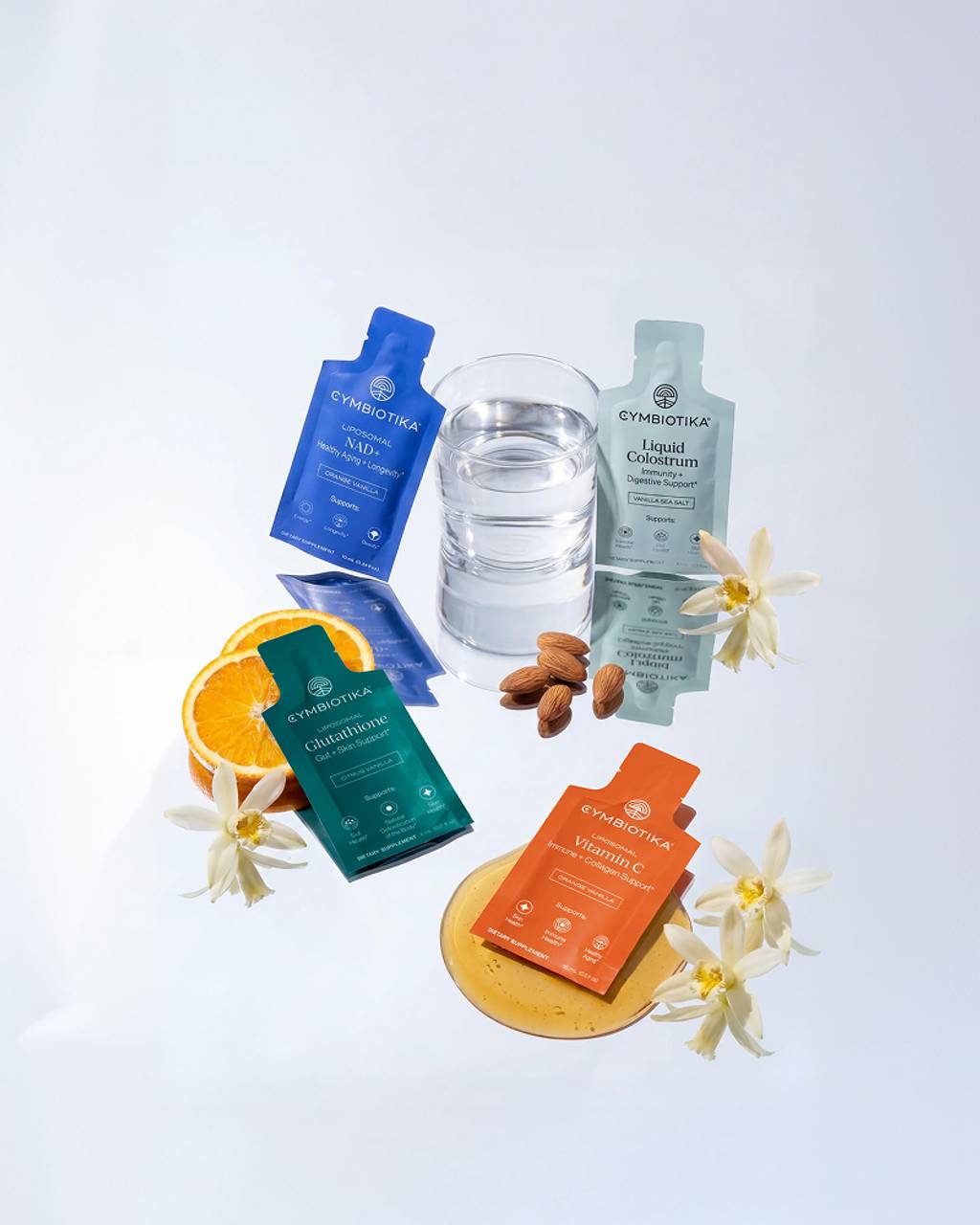
When Vitamin C is encapsulated in a liposome, it is protected as it passes through the harsh environment of the stomach. This allows the nutrient to be delivered directly into the bloodstream and eventually to the cells, including those in your skin. Our Liposomal Vitamin C is designed with this technology to support maximum absorption, ensuring your skin gets the antioxidant support it needs to stay radiant.
Why Formulation Quality Matters
It is not just about how much of an ingredient you take, but the quality of the formulation. Many supplements use synthetic fillers or artificial flavors that can actually work against your wellness goals. When looking for a way to support your skin from the inside, you should look for:
- Liposomal delivery for better absorption
- Clean, non-GMO ingredients
- Third-party testing for purity
- Formulas that exclude unnecessary synthetic additives
The Gut-Skin Axis: Why Digestion Matters
There is a powerful connection between your gut and your skin, often called the "gut-skin axis." If your digestive system is sluggish or your microbiome is out of balance, it often shows up on your face. This is another reason why oranges can be helpful; they provide fiber that feeds the good bacteria in your gut.
However, fiber is only one piece of the puzzle. A healthy gut lining is essential for absorbing the nutrients that make your skin glow. If the gut lining is compromised, you might experience "internal noise" that triggers skin sensitivity or dullness.
To support this connection, many people look toward ingredients like colostrum. Our Liquid Colostrum is designed to support the integrity of the gut lining and strengthen the immune system. A healthy gut ensures that the vitamins from your oranges and your supplements are actually being utilized by the body, rather than just passing through.
Bottom line: Your skin is often a map of your gut health; supporting your digestion is a foundational step in achieving a lasting glow.
Explore the Gut Health collection for additional ways to support a gut-focused wellness routine.
Beyond Oranges: Other Nutrients for Glowing Skin
While oranges provide a great base, they aren't the only food your skin needs. A diverse diet is the best way to ensure you are getting a wide spectrum of antioxidants and minerals. Some other skin-supporting powerhouses include:
- Healthy Fats: Omega-3 fatty acids, found in things like algae or flaxseeds, help keep the skin cell membranes fluid and hydrated.
- Trace Minerals: Minerals like zinc and selenium are essential for skin repair. Our Pürblack Pure Mineral Shilajit Live Resin provides a comprehensive profile of trace minerals that support overall vitality and cellular function.
- Other Antioxidants: Glutathione is often called the "master antioxidant." While the body produces it naturally, levels can drop due to stress and age. Liposomal Glutathione may help support the body’s natural detoxification pathways, which helps keep the skin looking clear and bright.
For a broader look at products related to this topic, browse Cymbiotika’s Skin Health collection.
Building a Lifestyle for Radiant Skin
Eating oranges and taking the right supplements are powerful tools, but they work best when part of a consistent lifestyle. Skin health is influenced by your daily habits. If you want to see the best results from your nutritional choices, consider these three pillars:
1. Consistent Hydration
Drinking enough water is non-negotiable. If you find plain water boring, adding a squeeze of fresh orange or lemon can provide a hit of electrolytes and flavor. This helps maintain the "plumpness" of the skin and ensures that nutrients can flow freely to your cells.
2. Quality Sleep
Your skin does most of its repair work while you sleep. This is when cell mitosis is at its peak. If you aren't sleeping well, your skin doesn't have the chance to use the Vitamin C and other nutrients you’ve consumed throughout the day. If you struggle with rest, a Liposomal Magnesium Complex can be a helpful addition to your evening routine to support relaxation.
3. Protection from Environmental Stress
Nutrition provides the internal defense, but you still need to be mindful of external factors. Wearing sunscreen and avoiding excessive pollution when possible will prevent the "antioxidant bank" in your skin from being depleted too quickly.
Step-by-Step: How to Build a Skin-Glow Routine
- Step 1: Start your morning with a glass of water and a Liposomal Vitamin C to prime your antioxidant levels.
- Step 2: Incorporate whole foods like oranges, berries, and leafy greens into your meals for fiber and diverse phytonutrients.
- Step 3: Support your gut health with a high-quality probiotic or colostrum to ensure you are actually absorbing your nutrients.
- Step 4: Audit your evening routine to ensure you are getting 7–9 hours of restful sleep for cellular repair.
The Importance of Consistency
One orange won't change your skin overnight. Just like exercise, the benefits of nutrition and supplementation come from consistency over time. It takes about 28 to 40 days for a new skin cell to form and reach the surface. This means that the choices you make today will likely show up on your face in about a month.
Many people give up on a new supplement or diet change after a week because they don't see an immediate "glow." Wellness is a long-term investment. By providing your body with high-quality, bioavailable nutrients every day, you are creating a sustainable foundation for health that will eventually manifest as radiant skin.
For another perspective on timing and intake, read how to take Vitamin C for maximum absorption.
Conclusion
So, does eating oranges make your skin glow? Yes, they provide essential Vitamin C, hydration, and fiber that contribute to a healthy complexion. However, the food you eat is only as good as your body’s ability to absorb it. To truly see a difference, you must focus on bioavailability, gut health, and a consistent routine.
At Cymbiotika, we are committed to helping you bridge the gap between "good intentions" and "real results." We believe in transparency and science-forward formulations that your body can actually use. Whether it’s through our liposomal delivery systems or our commitment to clean, high-quality sourcing, we want to empower you to take control of your wellness journey.
- Focus on Vitamin C for collagen support and antioxidant protection.
- Prioritize bioavailability to ensure nutrients reach your skin cells.
- Support your gut health to improve nutrient absorption.
- Stay consistent with your routine to see long-term changes.
If you are ready to take the next step but aren't sure which products are right for your specific goals, we recommend taking our Health Quiz. It is a simple tool designed to provide personalized recommendations based on your unique lifestyle and needs.
FAQ
How many oranges should I eat a day for my skin?
While there is no magic number, eating one to two oranges a day can provide a healthy dose of Vitamin C and hydration. However, because your body uses Vitamin C for many vital functions, you may find that a bioavailable supplement is more effective for targeting skin-specific goals.
Can eating too many oranges turn my skin orange?
This is a common concern, but it is usually associated with beta-carotene, found in carrots and pumpkins, rather than oranges. Eating a normal amount of oranges will not change your skin color, though it may help your complexion look more vibrant due to improved hydration and antioxidant levels.
Is it better to eat an orange or drink orange juice for skin health?
Eating the whole fruit is generally better because it contains fiber, which supports gut health and prevents a rapid spike in blood sugar. Orange juice often lacks fiber and can be high in concentrated sugar, which may actually work against skin clarity for some people.
How long does it take to see skin changes from diet?
Because the skin renewal cycle takes roughly 30 days, most people start to notice visible changes in their skin after 4 to 6 weeks of consistent nutritional changes. It is important to stay patient and maintain your routine daily to see the best results.
*These statements have not been evaluated by the Food and Drug Administration. This product is not intended to diagnose, treat, cure, or prevent any disease.