Table of Contents
- Introduction
- The Science of Coffee and Skin Radiance
- Does Drinking Coffee Dehydrate Your Skin?
- The Role of Cortisol and the Stress Response
- The "Glow Killers": What You Add to Your Mug
- Bioavailability: Why Absorption is Everything
- Enhancing Your Glow Beyond the Mug
- How to Optimize Your Coffee Routine for Skin Health
- Practical Considerations for Caffeine Consumption
- Building a Routine for Radiant Skin
- Conclusion
- FAQ
Introduction
For many of us, the morning doesn't truly begin until the first sip of coffee. That familiar ritual is more than just a wake-up call; it is a moment of clarity before the day accelerates. But as we focus more on what we put into our bodies to support our appearance, a common question arises: does coffee make your skin glow?
At Cymbiotika, we believe that true wellness is a reflection of internal health. Understanding how your daily habitsâlike your morning brewâimpact your biology is essential for maintaining a vibrant complexion. Coffee is a complex substance with hundreds of bioactive compounds that can influence your skin in both positive and nuanced ways, especially when you are also supporting energy and focus through routines like the Energy & Focus collection.
In this article, we will explore the science behind coffeeâs relationship with your skin, the role of antioxidants, and how caffeine affects your cellular environment. We will also look at how to balance your coffee intake with a routine that prioritizes absorption and hydration to ensure your skin remains radiant.
Coffee can be a supportive part of a beauty routine, provided it is consumed mindfully and balanced with high-quality nutrients and hydration.
Quick Answer: Coffee contains high levels of antioxidants like polyphenols that may support skin health by fighting oxidative stress. However, its effects on the skin often depend on how much you drink, what you add to it, and how well you maintain your overall hydration and nutrient absorption.
The Science of Coffee and Skin Radiance
To understand if coffee contributes to a healthy glow, we have to look at what is inside the bean. Coffee is one of the richest sources of antioxidants in the modern diet. These compounds are vital because they neutralize free radicals, which are unstable molecules that can damage skin cells and accelerate the visible signs of ageing.
Polyphenols and Protection
The primary antioxidants found in coffee are polyphenols, specifically chlorogenic acids. These compounds are known to support the bodyâs natural defense against environmental stressors like UV rays and pollution. When your skin is protected from these external factors, it is better able to maintain its elasticity and natural brightness.
Chlorogenic acids may also help support a healthy inflammatory response within the skin. When the skin is calm and balanced, it appears more even-toned and less prone to temporary redness. This internal balance is a significant factor in achieving that coveted "glow."
Caffeine as a Vasoconstrictor
Caffeine is a natural stimulant that acts as a vasoconstrictor, meaning it can temporarily constrict blood vessels. When applied topically, this is why coffee is often used in eye creams to reduce the appearance of puffiness. When ingested, caffeine may help improve blood flow, though the effects are more systemic.
Improved circulation is a key driver of skin health. Blood carries oxygen and essential nutrients to the skin's surface, helping cells regenerate and maintain a fresh appearance. However, the balance is delicate. Too much caffeine can lead to a different set of results, particularly regarding stress hormones.
Does Drinking Coffee Dehydrate Your Skin?
One of the most frequent concerns about coffee is its potential to dehydrate the body. Since the skin is the bodyâs largest organ, its appearance is heavily dependent on hydration levels. If your cells are "thirsty," your skin may look dull, tight, or fine lines may appear more prominent.
Caffeine is a mild diuretic, which means it encourages the body to release salt and water through urine. For a long time, it was believed that coffee significantly dehydrated the body. Recent research suggests that for regular coffee drinkers, the body develops a tolerance, and the water in the coffee helps offset the diuretic effect.
Myth: Drinking one cup of coffee will immediately dehydrate your skin and cause wrinkles.
Fact: While caffeine has a mild diuretic effect, moderate coffee consumption contributes to your total fluid intake. The key is to balance every cup of coffee with a cup of filtered water to maintain cellular hydration.
Cellular hydration is about more than just drinking water; it is about how well your cells can retain that moisture. This is where the quality of your water and your mineral intake come into play. If you are a heavy coffee drinker, you may want to support your body with minerals that are sometimes depleted by caffeine, such as those found in Liposomal Magnesium Complex.
The Role of Cortisol and the Stress Response
While the antioxidants in coffee are beneficial, the caffeine content can trigger the release of cortisol. Often called the "stress hormone," cortisol is part of the bodyâs fight-or-flight response. While a small spike in the morning can help you feel alert, chronically high levels of cortisol can be problematic for the skin.
High cortisol levels can signal the sebaceous glands to produce more oil. For some individuals, this increase in oil can lead to congested pores or a less-than-clear complexion. Furthermore, cortisol can interfere with the production of collagen, the protein responsible for keeping skin firm and smooth.
To keep your skin glowing, it is helpful to monitor how your body reacts to caffeine. If you feel jittery or anxious after a cup, your cortisol levels may be spiking higher than is optimal for your skin health.
The "Glow Killers": What You Add to Your Mug
When people ask "does coffee make your skin glow," they are often thinking of black coffee. However, the "glow" often depends more on what is added to the coffee than the coffee itself. The skin's appearance is closely tied to the gut-skin axis, the bidirectional relationship between your digestive health and your skin.
The Impact of Sugar
Refined sugar is one of the most significant contributors to glycation. This is a process where sugar molecules attach to proteins like collagen and elastin, making them brittle and less effective. Over time, a high-sugar diet can lead to skin that looks dull and loses its bounce. If your daily coffee is more of a dessert than a beverage, the sugar may be undoing the benefits of the coffee's antioxidants.
Dairy and the Gut
For many people, dairy can be a trigger for skin sensitivities. If your gut microbiome is imbalanced due to food sensitivities, it often shows up on your skin. If you find that your skin looks less radiant when you consume cream or milk, you might consider switching to a plant-based, unsweetened alternative or drinking your coffee black.
Key Takeaway: The antioxidants in coffee support skin vitality, but the benefits can be overshadowed by excessive sugar and dairy, which may impact the gut-skin axis and collagen integrity.
Bioavailability: Why Absorption is Everything
Whether you are getting antioxidants from coffee or nutrients from a supplement, the most important factor is bioavailability. This term refers to the proportion of a substance that enters the circulation when introduced into the body and is so able to have an active effect.
Your body's ability to absorb nutrients determines how much of that "glow" actually reaches the surface. Many standard supplements are broken down by stomach acid before they can be absorbed. This is why we focus on advanced delivery methods, like the science behind Liposomal Delivery.
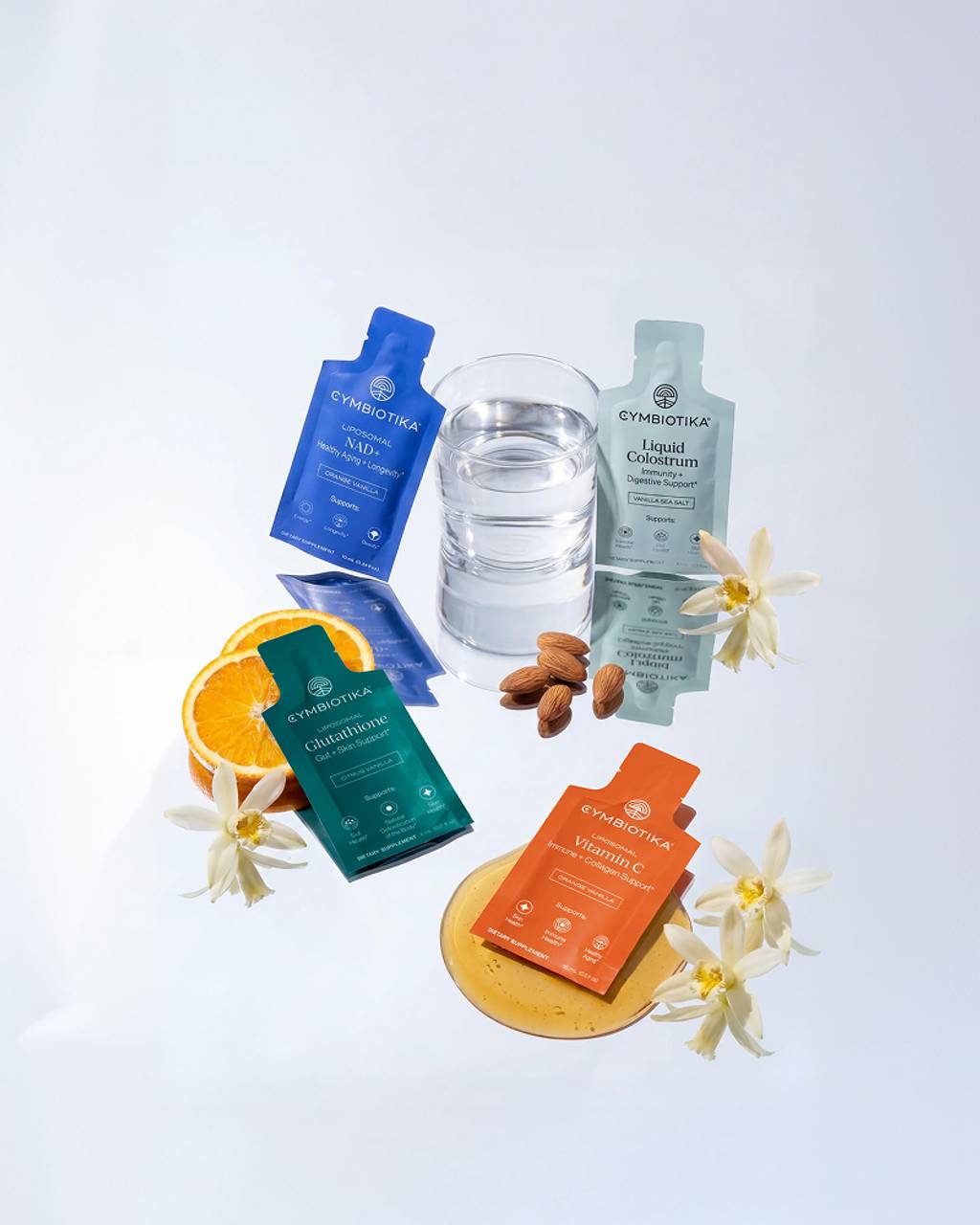
Liposomal delivery is a process where nutrients are encapsulated in a phospholipid bilayerâa protective bubble made of the same material as your cell membranes. This allows the nutrients to bypass the harsh environment of the gut and be delivered directly to the cells. When you are looking to support your skin, choosing bioavailable forms of Vitamin C, Glutathione, or fatty acids makes a measurable difference compared to standard capsules.
Enhancing Your Glow Beyond the Mug
If you want to maximize the skin benefits of your coffee routine, it helps to look at your wellness as a whole. Coffee provides the antioxidants, but your skin needs other building blocks to truly thrive.
Supporting the Skin Barrier
The skin barrier, or the acid mantle, is the outermost layer of your skin that keeps moisture in and irritants out. To support this barrier from the inside out, the body requires essential fatty acids. Our product, The Omega, provides high-quality DHA and EPA which are crucial for maintaining the lipid barrier of the skin. When your skin barrier is strong, it retains moisture more effectively, leading to a natural, healthy glow.
Boosting Collagen and Elasticity
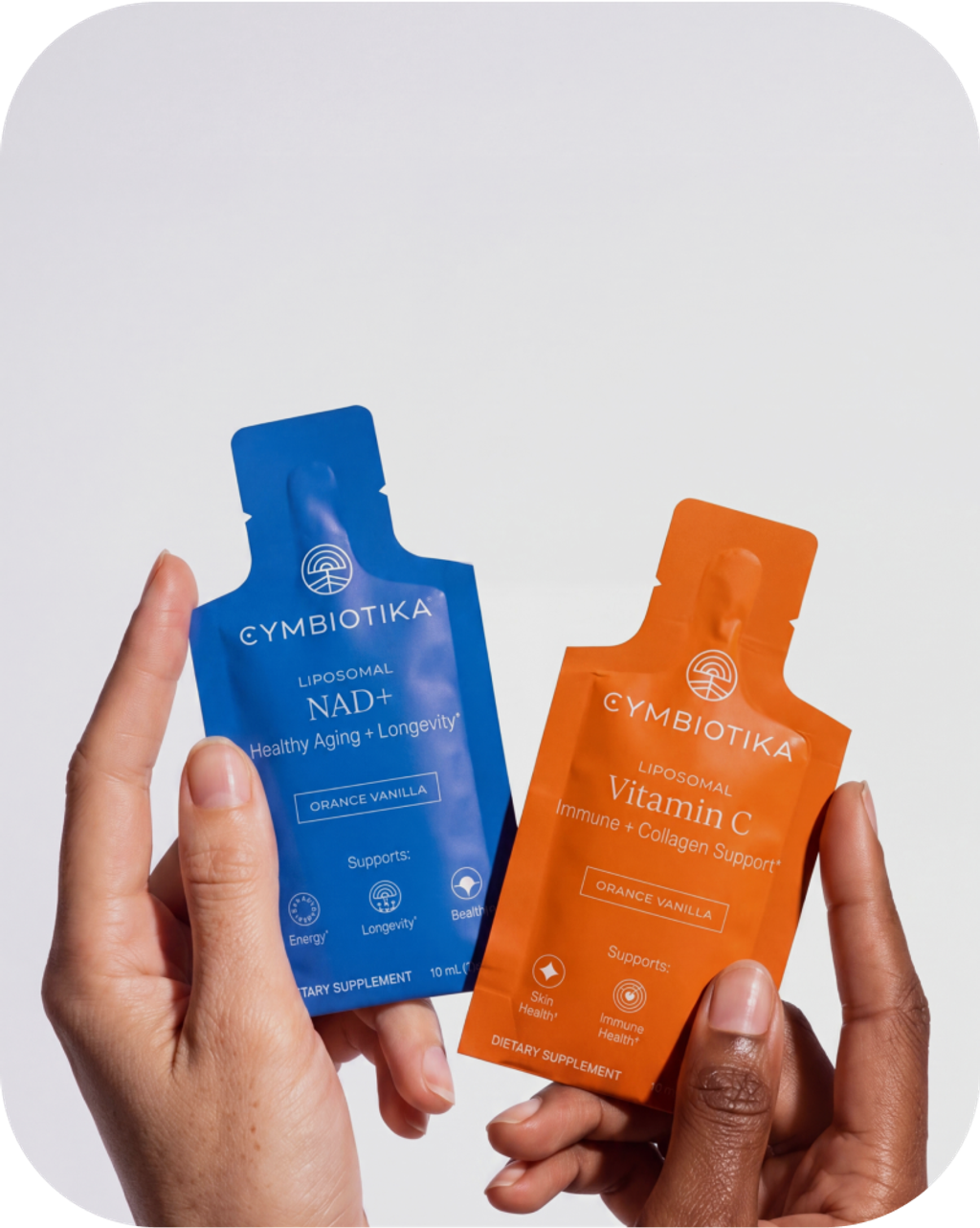
While coffeeâs antioxidants protect existing collagen, you also need to support the production of new collagen. As we age, our natural collagen levels decline. Using a targeted supplement like Liposomal Vitamin C can help. It is designed with ingredients that support the bodyâs natural collagen production and provide the internal structure necessary for smooth, radiant skin.
Cellular Hydration and Recovery
If you are a regular coffee drinker, supporting your cells' ability to recover and hydrate is essential. Molecular Hydrogen is a powerful tool for this. It acts as a selective antioxidant, targeting the most harmful free radicals while helping to balance the cellular environment. Many people find that adding molecular hydrogen to their water helps them stay hydrated and refreshed, even on days when they have an extra cup of coffee.
How to Optimize Your Coffee Routine for Skin Health
You do not have to give up your morning brew to have great skin. By making a few small adjustments, you can ensure your coffee habit supports your wellness goals.
Step 1: Choose High-Quality Beans
Select organic, mold-free coffee beans. Conventional coffee is often heavily treated with pesticides, which can add a toxic load to your body and potentially affect your skin.
Step 2: Mind the Timing
Try to wait 60 to 90 minutes after waking up before having your first cup. This allows your natural cortisol levels to peak and begin to drop, preventing an excessive stress response that can lead to skin issues.
Step 3: Hydrate First
Drink 16 ounces of filtered water before you touch your coffee. This ensures your cells are hydrated and ready to process the caffeine effectively.
Step 4: Use "Clean" Additives
If you don't like black coffee, use unsweetened nut milks or a high-quality Nootropic Creamer. This can add healthy fats that support brain function and skin health without the inflammatory effects of sugar and dairy.
Step 5: Support Your Liver
Your liver processes caffeine. A healthy liver is essential for clear, glowing skin. Our Liver Health+ is designed to support the body's natural detoxification pathways, ensuring that metabolic wasteâincluding caffeine byproductsâis moved out of the system efficiently.
Practical Considerations for Caffeine Consumption
While coffee has its perks, it is important to remember that everyone metabolizes caffeine differently. Some people are "fast metabolizers" who can drink coffee late in the day with no issues. Others are "slow metabolizers" who may feel the effects for twelve hours or more.
If coffee interferes with your sleep, it will definitely interfere with your skinâs glow. Sleep is the time when your body undergoes cellular repair and regeneration. Missing out on deep sleep can lead to increased inflammation and a duller complexion. If you find your coffee habit is stealing your sleep, consider moving your "cutoff time" to earlier in the day or supporting your rest with Liposomal Magnesium Complex or exploring the Sleep & Stress collection.
Bottom line: Coffee is a potent source of antioxidants that can protect the skin, but its benefits are best realized when it is part of a balanced routine that prioritizes hydration, quality ingredients, and restorative sleep.
Building a Routine for Radiant Skin
Achieving a healthy glow is rarely the result of a single "superfood" or beverage. It is the cumulative effect of small, consistent choices. Coffee provides a great foundation of antioxidants, but it works best when paired with a lifestyle that values nutrient density and absorption.
At Cymbiotika, we focus on providing the tools you need to fill the gaps in your modern diet. Whether itâs through the advanced absorption of liposomal vitamins or the mineral-rich support of Shilajit Liquid Complex, our goal is to empower you to take control of your health. Shilajit, for instance, contains over 84 minerals and fulvic acid, which can help your body better utilize the nutrients you consumeâincluding those found in your morning coffee.
The Gut-Skin Link
Never underestimate the power of your gut. If your digestion is sluggish, your skin often reflects that stagnation. Incorporating a high-quality Probiotic can help balance your microbiome. A healthy gut is better at absorbing the polyphenols in coffee and the vitamins in your food, which directly translates to the health and appearance of your skin.
Key Takeaway: To truly glow, move beyond the "quick fix" mindset. Use coffee for its protective benefits, but anchor your routine in gut health, essential fatty acids, and superior bioavailability.
Conclusion
So, does coffee make your skin glow? The answer is a nuanced yes. When consumed in moderation, coffee offers a powerful dose of antioxidants that protect your cells from the inside out. However, to see those benefits on the surface, you must manage the potential side effects like cortisol spikes and dehydration.
By choosing organic beans, avoiding inflammatory additives, and supporting your body with bioavailable supplements, you can enjoy your coffee while maintaining a radiant complexion. Wellness is about balance, and your morning ritual is a perfect place to start.
- Balance coffee with water to maintain cellular hydration.
- Avoid refined sugars to protect your skin's collagen.
- Prioritize absorption with liposomal nutrients.
- Support your gut to ensure your skin receives the nutrients it needs.
We are dedicated to helping you find the right balance for your unique body. If you are unsure which nutrients your skin needs most, our Health Quiz is a great way to get a personalized recommendation. It takes into account your lifestyle and goals to help you build a routine you can trust.
FAQ
Does drinking coffee cause acne?
Coffee itself does not cause acne, but it can be a contributing factor for some people. The caffeine in coffee can raise cortisol levels, which may increase oil production, while dairy and sugar added to coffee are known triggers for skin congestion.
Is coffee better for your skin when applied topically?
Topical coffee scrubs and creams can provide immediate, temporary benefits like reduced puffiness and exfoliation. However, drinking coffee provides systemic antioxidant protection that works from the inside out, which is more beneficial for long-term skin health. For deeper support, you can also explore Liposomal Glutathione as part of a broader antioxidant routine.
Can coffee make my skin look older?
If coffee leads to chronic dehydration or poor sleep, it can make fine lines and dullness more apparent. However, the antioxidants in coffee actually help protect against the oxidative stress that causes premature ageing, so moderation and hydration are the keys to keeping skin youthful.
Should I stop drinking coffee if I have dry skin?
You don't necessarily need to stop, but you should increase your focus on hydration. Ensure you are drinking plenty of mineral-rich water and consuming essential fatty acids, like those found in The Omega, to support your skin's natural moisture barrier.
*These statements have not been evaluated by the Food and Drug Administration. This product is not intended to diagnose, treat, cure, or prevent any disease.