Aug 18, 2026

Understanding the Physical and Mental Benefits of Mountain Pose

Table of Contents

  1. Introduction
  2. What is Mountain Pose?
  3. The Physical Benefits of Mountain Pose
  4. Mental and Emotional Benefits
  5. The Role of Nutrition in Structural Health
  6. How to Practice Mountain Pose Correctly
  7. Common Mistakes to Avoid
  8. Integrating Mountain Pose into Your Daily Routine
  9. Bioavailability: Why Formulation Quality Changes Everything
  10. Building a Sustainable Wellness Routine
  11. Conclusion
  12. FAQ

Introduction

At Cymbiotika, we believe that the strongest wellness routines are often built on the most fundamental practices. Wellness is not just about complex biohacking or intense workouts. It often starts with how you carry yourself through the world every single day. Mountain pose, or Tadasana in Sanskrit, is the literal foundation of all standing yoga postures. It may look like simply standing still, but it is an active, intentional alignment of the entire body.

In this article, we will explore the structural and mental benefits of mountain pose. We will look at how this simple practice supports your posture, core strength, and focus. We will also discuss how physical alignment works alongside internal nutrition to support long-term vitality. By the end, you will understand how to use this foundational pose to build a more resilient and balanced routine, and if you want a more personalized starting point, our Health Quiz can help point you in the right direction.

Mastering mountain pose allows you to check in with your body’s alignment and create a steady base for both movement and stillness.

What is Mountain Pose?

Mountain pose is the blueprint for every other standing position in yoga. It requires you to stand with your feet together or hip-width apart, your weight evenly distributed, and your spine reaching toward the sky. While it appears passive to an observer, the person practicing it is engaging muscle groups from the arches of the feet to the crown of the head.

This pose is about finding a neutral spine. In a world where many of us spend hours hunched over laptops or phones, our bodies often lose their natural sense of center. Mountain pose serves as a corrective baseline. It helps you remember what it feels like to stand tall without strain. It is a moment of pause that brings your awareness back to the present.

Quick Answer: Mountain pose is a foundational standing yoga posture designed to improve posture, balance, and body awareness. It strengthens the core and legs while helping to realign the spine and calm the nervous system.

The Physical Benefits of Mountain Pose

The physical advantages of practicing mountain pose regularly extend far beyond the yoga mat. Because it focuses on alignment, it affects how you walk, sit, and move throughout your day.

Improved Posture and Spinal Alignment

One of the most immediate benefits of mountain pose is its impact on posture. Poor posture is more than just an aesthetic concern; it can lead to inefficient breathing and physical discomfort in the back and neck. When you practice Tadasana, you are training your nervous system to recognize a stacked alignment.

This means your ankles, knees, hips, shoulders, and ears are all in one vertical line. This stacking allows your skeletal system to support your weight, which may reduce the burden on your muscles. Over time, this practice can help counteract the "forward head" posture common in modern life.

Strengthening the Core and Legs

Although you are standing still, mountain pose is a full-body engagement. To do it correctly, you must lift the arches of your feet and engage your quadriceps. This engagement pulls the kneecaps upward and stabilizes the legs.

Your core also plays a vital role. You are not just sucking in your stomach; you are knit-ting your ribs together and lengthening your tailbone. This subtle "corset" effect strengthens the deep abdominal muscles that support your lower back. Consistent practice helps build the functional strength needed for better balance and stability.

Better Balance and Proprioception

Proprioception is your body's ability to sense its location, movements, and actions. It is what allows you to move freely without constantly looking at your limbs. Mountain pose hones this sense by forcing you to find your center of gravity.

As you stand, you might notice small sways or shifts in your weight. By rooting through the four corners of your feet—the big toe mound, the pinky toe mound, and the two sides of the heel—you create a firm foundation. This improved sense of balance can help reduce the risk of trips and falls in daily life.

Mental and Emotional Benefits

The benefits of mountain pose are not limited to the physical body. Because the pose requires stillness and concentration, it has a significant impact on your mental state.

Increased Focus and Clarity

In a fast-paced environment, the mind is often pulled in a dozen directions at once. Mountain pose requires you to focus on subtle internal cues. You have to monitor your breath, your muscle engagement, and your alignment all at once. This practice of "single-tasking" helps quiet the mental chatter and improves your ability to focus on the task at hand.

Grounding and Stress Reduction

There is a reason this pose is named after a mountain. Mountains are symbols of steadiness, strength, and permanence. When you embody this shape, you are practicing being "unshakable." Many people find that standing in Tadasana for even sixty seconds can help lower their heart rate and reduce feelings of overwhelm.

By focusing on the sensation of your feet touching the floor, you engage in a "grounding" technique. This shifts your energy away from anxious thoughts and back into your physical presence. It is a simple tool you can use anywhere, from a grocery store line to a stressful work environment.

The Role of Nutrition in Structural Health

Physical alignment is only one half of the wellness equation. For your bones, joints, and muscles to support you in poses like Tadasana, they need the right raw materials. This is where we see the intersection of movement and high-quality supplementation.

Supporting Bone Density and Joint Health

To stand tall like a mountain, your skeletal system needs consistent support. Minerals and vitamins play a critical role in maintaining bone density and joint flexibility. However, not all supplements are created equal. The effectiveness of any nutrient depends on its bioavailability—how well your body can actually absorb and use what it takes in.

For example, Vitamin D3 and Vitamin K2 are essential for calcium metabolism. Without K2, calcium may not reach the bones where it is needed most. Our Liposomal Vitamin D3 + K2 + CoQ10 is designed with this specific synergy in mind. By using a liposomal delivery system, we help ensure these fat-soluble vitamins bypass the harsh environment of the digestive tract.

Key Takeaway: A liposomal delivery system uses a phospholipid bilayer—a tiny protective bubble—to shield nutrients as they travel through your stomach. This is designed to support much higher absorption levels compared to traditional tablets.

If you want to explore the science behind that approach further, All About Liposomes offers a deeper look.

Muscle Recovery and Relaxation

Muscle tension is often the biggest obstacle to good posture. If your muscles are chronically tight or fatigued, they will pull your skeleton out of alignment. Magnesium is a vital mineral for muscle relaxation and nervous system support. Many people are deficient in magnesium, which can lead to cramps or restlessness.

We offer a Magnesium Complex that combines multiple forms of magnesium to support different bodily functions, including muscle recovery and sleep quality. When your muscles are relaxed and recovered, maintaining the active engagement required for mountain pose becomes much easier.

How to Practice Mountain Pose Correctly

To experience the full benefits of mountain pose, precision matters. It is not just standing; it is standing with purpose. Follow these steps to refine your alignment.

Step 1: Ground your feet. Stand with your big toes touching and heels slightly apart, or keep your feet hip-width distance if that feels more stable. Lift your toes, spread them wide, and place them back down. Feel the weight evenly distributed across your feet.

Step 2: Engage your legs. Draw your kneecaps up by engaging your thigh muscles. Imagine pulling energy up from the earth through the arches of your feet. Avoid locking your knees, as this can disrupt the flow of energy and put pressure on the joints.

Step 3: Align your pelvis and core. Tuck your tailbone slightly toward the floor to keep your lower back long. Gently draw your navel toward your spine. This supports your midsection without making it difficult to breathe.

Step 4: Open your chest and shoulders. Roll your shoulders back and down, away from your ears. Let your arms hang naturally at your sides with your palms facing forward. This "open" position helps counteract the habit of rounding the shoulders.

Step 5: Position your head and gaze. Lift the crown of your head toward the ceiling, lengthening the back of your neck. Keep your chin parallel to the floor. Soften your gaze or close your eyes to turn your attention inward.

Common Mistakes to Avoid

Even a simple pose like Tadasana can be done incorrectly. Being aware of these common pitfalls will help you get the most out of your practice.

  • Locking the knees: This is one of the most frequent errors. Locking the knees can cut off circulation and cause strain in the joint. Keep a "micro-bend" in the knees to ensure your muscles are doing the work, not your ligaments.
  • Holding the breath: People often hold their breath when they are concentrating on alignment. Ensure your breath is deep, steady, and moving into your diaphragm.
  • Arching the lower back: If you have tight hip flexors, your lower back might arch excessively (swayback). Focus on dropping your tailbone to keep the spine neutral.
  • Gripping the toes: Your toes should be relaxed and spread wide. If you are gripping the floor, it usually means your weight is shifted too far forward.

Myth: Mountain pose is just "standing still" and doesn't provide a workout. Fact: When done with full engagement, mountain pose activates the core, legs, and back muscles, serving as a functional strength exercise that improves long-term postural health.

Integrating Mountain Pose into Your Daily Routine

You do not need a yoga studio to reap the benefits of mountain pose. Because it requires no equipment and very little space, it is the perfect "micro-habit" to add to your day.

Morning Alignment

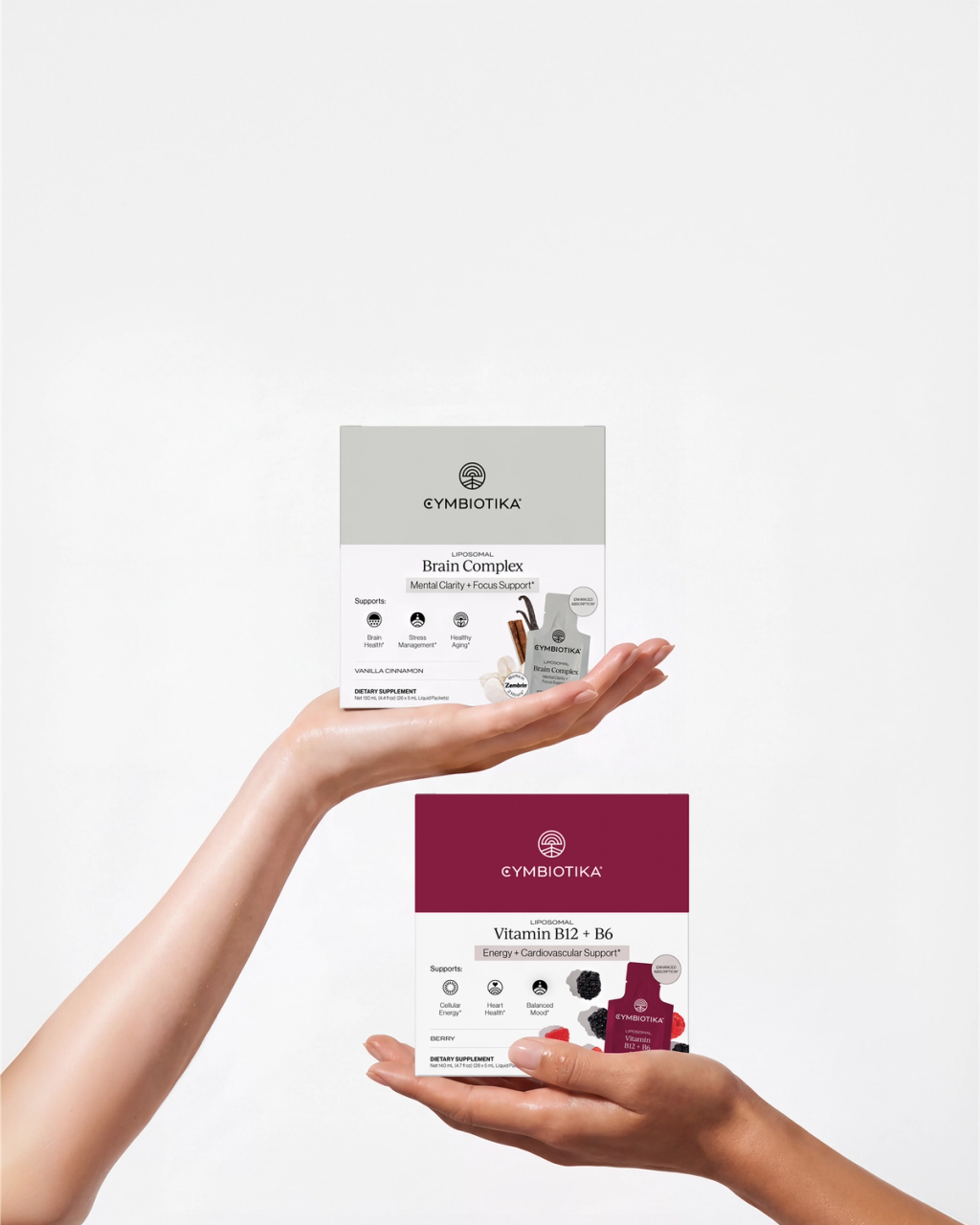
Before you start your day, spend two minutes in mountain pose. This sets a physical and mental tone of stability. It is an excellent time to take your daily supplements, such as our Liposomal Vitamin B12 + B6, which supports energy metabolism and neurological function as you prepare for the day ahead.

The "Reset" Break

If you work at a desk, set a timer for every hour. Stand up and find your Tadasana alignment. This breaks the cycle of slouching and helps re-oxygenate your blood through deeper breathing. It acts as a physical "reset" button for your nervous system.

Transitioning Between Tasks

Use mountain pose as a transition. Whether you are moving from a stressful meeting to a family dinner or finishing a workout, standing in Tadasana for thirty seconds helps you "close" one chapter and "open" the next with a clear mind.

If your routine needs a broader energy support system, the Best Natural Energy Supplements collection is a useful place to look. For recovery-focused support, the Healthy Aging Supplements collection can also fit naturally into a long-term wellness plan.

Bioavailability: Why Formulation Quality Changes Everything

As we have discussed, physical practices like yoga work in tandem with the fuel you provide your body. At Cymbiotika, our focus on bioavailability is what sets us apart. You can take all the vitamins in the world, but if your body cannot break them down and transport them to your cells, the benefits are lost.

Standard supplements often use cheap fillers and synthetic binders that the body struggles to recognize. We choose high-quality, wild-crafted, and organic ingredients whenever possible. More importantly, we use delivery methods like liposomes and micelles. These technologies are designed to mimic the body's own cellular structures, allowing for a more "seamless" transition from your digestive tract to your bloodstream.

When you invest in your wellness—whether through a yoga practice or a supplement routine—you deserve to see the results of that effort. Choosing products with high bioavailability ensures that your efforts are not wasted.

For a closer look at the education behind that philosophy, Ask Dr. Shilpa: Liposomes 101 is a helpful next read.

Bottom line: Physical alignment via mountain pose and internal health via bioavailable supplementation are two sides of the same coin, both aimed at creating a stable, resilient body.

Building a Sustainable Wellness Routine

Wellness is a marathon, not a sprint. It is built through small, consistent actions that add up over time. Mountain pose is a perfect example of this. Standing tall for one minute won't change your life today, but doing it every day for a year can fundamentally shift how your body feels and moves.

Similarly, a supplement routine is most effective when it is consistent and tailored to your specific needs. We recognize that everyone's wellness journey is unique. Some people need more support for energy, while others are focused on sleep or gut health.

Our goal is to empower you with the tools and education you need to take control of your health. By combining ancient practices like yoga with modern, science-forward supplementation, you can build a foundation that supports you for decades to come.

If you are still deciding where your routine should begin, the Gut Health - Healthy Gut Supplements collection can help you explore another core area of wellness.

Conclusion

The benefits of mountain pose reach far beyond the physical act of standing. It is a practice of alignment, mindfulness, and strength that serves as the basis for a healthy lifestyle. By focusing on your posture and grounding your energy, you create a sense of stability that carries over into everything you do.

To support this physical foundation, remember that internal quality matters just as much as external form. Prioritizing bioavailable nutrients and clean formulations ensures your body has the support it needs to stay strong and flexible. At Cymbiotika, we are dedicated to providing those high-quality tools through transparency and scientific innovation.

  • Practice mountain pose daily to improve long-term posture.
  • Focus on "grounding" to manage daily stress and increase focus.
  • Support your structural health with bioavailable vitamins and minerals.
  • Be consistent with your routines to see the best results.

Key Takeaway: True wellness is an integration of mindful physical movement and superior internal nutrition, both of which require a commitment to quality and consistency.

If you are ready to take the next step in personalizing your wellness journey, we invite you to take our Health Quiz. It is designed to help you identify the specific nutrients your body needs to thrive, so you can build a routine you can actually trust.

FAQ

How long should I hold mountain pose to see benefits?

Even holding the pose for 30 to 60 seconds can provide immediate mental grounding and a physical "reset" for your posture. For long-term structural changes, aim to practice it for 2 to 5 minutes daily, focusing on deep, consistent breathing and active muscle engagement.

Can mountain pose help with back pain?

By encouraging a neutral spine and strengthening the core muscles that support the lower back, mountain pose may help alleviate discomfort caused by poor posture. However, if you have a diagnosed back condition, it is important to consult with a healthcare provider before starting a new exercise routine.

Should my feet be touching or apart in Tadasana?

Both are acceptable. Traditionally, the big toes touch with the heels slightly apart, but standing with your feet hip-width distance provides a more stable base and is often more comfortable for those with balance issues or tight hips. The key is to ensure your weight is evenly distributed.

Is mountain pose safe for everyone?

Mountain pose is generally safe for most people because it is a low-impact standing posture. However, if you experience dizziness or have low blood pressure, you may want to keep your gaze fixed on a steady point or practice near a wall for support. Always listen to your body and move at your own pace.

*These statements have not been evaluated by the Food and Drug Administration. This product is not intended to diagnose, treat, cure, or prevent any disease.

Subscribers get it all

Subscribe today and unlock access to Arise, the ultimate wellness experience.

SAVE BIG

Get over 40% off + FREE shipping on all recurring orders.

FUN FREEBIES

Get free gifts, swag, perks, and more

SAVE BIG

Feel energized & strong with a routine that works!

by / Aug 18, 2026

Back to cart

CONGRATS

Choose Your Free Gift

Choose one complimentary product below.

Are you sure?
Removing will also remove the exclusive discounted item added to your cart.

You're away from a FREE gift!

Add any of the products below to unlock your free gift.

    You've unlocked a FREE gift!

    Thanks for spending $110. Choose one of the three starter kits below.

    Subscribe & Save

    Trusted by 60k+ subscribers

    Your Cart ( items)

    in savings and perks unlocked with your order!

    Free shipping sitewide.

    More subscriptions, more savings

    1

    30% off

    2

    34% off

    3

    38% off

    4

    40% off

    5

    40% off

    Want to save? Add a subscription to get 30% off on it!

    Add items to your cart

    Browse our products and add items to start your order.

    Exclusive Subscriber Offer
    $49 / yr
    Normally $199
    • 100+ biomarkers tested
    • A personalized 100-day protocol built around your Cymbiotika stack
    You may also like. . .
    You may also like
    60-Day money back guarantee. Exclusions apply.*