Aug 28, 2026

Does Lifting Weight Increase Metabolism?

Table of Contents

  1. Introduction
  2. Understanding Your Metabolic Rate
  3. How Muscle Influences Your Resting Metabolism
  4. The Afterburn Effect: Burning Energy After the Gym
  5. Weightlifting vs. Cardio: A Balanced Approach
  6. The Importance of Bioavailability in Metabolic Support
  7. Nutrients That Support a High-Functioning Metabolism
  8. The Role of Recovery in Metabolic Health
  9. How to Build a Sustainable Weightlifting Routine
  10. The Impact of Age on Metabolism and Strength Training
  11. Common Misconceptions About Weightlifting
  12. Conclusion
  13. FAQ

Introduction

Many people start a fitness journey with a specific goal in mind: to feel more energetic and support their body’s natural ability to burn fuel. You might spend hours on a treadmill, wondering if there is a more efficient way to reach your goals. The question of whether lifting weight increases metabolism is one of the most common inquiries in the wellness world.

At Cymbiotika, we believe that understanding the science behind your body's "engine" is the first step toward lasting health. This article explores how resistance training affects your metabolic rate, the role of lean muscle mass, and how you can optimize your results through better nutrient absorption. By the end, you will understand how to leverage strength training to build a more resilient and efficient metabolism.

Quick Answer: Yes, lifting weights increases metabolism by building lean muscle mass, which requires more energy to maintain than fat tissue. It also triggers an "afterburn" effect known as EPOC, which keeps your calorie expenditure elevated for hours after your workout ends.

Understanding Your Metabolic Rate

To understand how lifting weights impacts your body, we first need to look at what metabolism actually is. Most people use the word to describe how fast they burn calories, but it is a bit more complex than that. Your metabolism is the sum of every chemical process your body performs to keep you alive.

This includes breathing, circulating blood, repairing cells, and digesting food. The largest part of this equation is your Basal Metabolic Rate (BMR). This is the number of calories your body burns at rest just to maintain basic vital functions. When you are sitting on the couch or sleeping, your BMR is the reason you are still burning energy.

Several factors influence your BMR, including your age, sex, and genetics. However, one of the most significant factors you can actually control is your body composition. This refers to the ratio of lean muscle mass to body fat. This is where lifting weights becomes a vital tool for metabolic health and may make the Energy & Focus collection relevant to your broader wellness routine.

How Muscle Influences Your Resting Metabolism

Muscle tissue is "expensive" for your body to maintain. It is metabolically active, meaning it requires a significant amount of energy even when you are not moving. Fat tissue, while necessary for energy storage and hormone production, is much more passive. It does not require nearly as much energy to sit on your frame.

The Muscle-Energy Connection When you engage in resistance training, you create microscopic tears in your muscle fibers. As your body repairs these tears, it builds stronger, denser muscle. This new lean tissue increases your BMR. While the exact number of calories burned per pound of muscle is often debated, the consensus is clear: the more lean muscle you have, the higher your resting energy expenditure will be.

Long-Term Efficiency Lifting weights is an investment in your future metabolic health. Unlike a cardio session where the calorie burn mostly stops when you stop moving, building muscle changes your "baseline." By increasing your muscle mass, you are essentially upgrading your body’s engine from a four-cylinder to an eight-cylinder. You are burning more fuel every single hour of the day, even while you sleep.

Key Takeaway: Increasing lean muscle mass through resistance training raises your Basal Metabolic Rate (BMR), allowing your body to burn more calories at rest compared to having a higher body fat percentage.

The Afterburn Effect: Burning Energy After the Gym

The metabolic benefits of lifting weights are not limited to long-term muscle growth. There is also a significant short-term boost that happens immediately after you leave the gym. This phenomenon is known as Excess Post-exercise Oxygen Consumption (EPOC), often called the "afterburn effect."

When you lift heavy weights or perform high-intensity resistance training, you push your body out of its steady state. Your heart rate climbs, your body temperature rises, and your muscles use up their immediate energy stores. Once the workout is over, your body has to work hard to return to its normal resting state. This recovery process requires a lot of oxygen and energy.

During the EPOC phase, your body is busy doing the following:

  • Refilling energy stores (ATP and creatine phosphate)
  • Clearing out metabolic byproducts
  • Repairing muscle fibers
  • Lowering your core body temperature
  • Rebalancing your hormones

This elevated state of calorie burning can last anywhere from several hours to over a day, depending on the intensity of the workout. This means that the "metabolic cost" of a weightlifting session is much higher than the calories tracked on a watch during the actual 45 minutes of exercise.

Weightlifting vs. Cardio: A Balanced Approach

A common debate in wellness is whether lifting weights or doing cardio is better for metabolism. The truth is that they serve different purposes, and a balanced routine often works best for most people.

Cardiovascular Exercise Cardio activities like running, cycling, or swimming typically burn more calories during the activity itself. If you run for 30 minutes, you might burn more than you would in 30 minutes of lifting light weights. However, cardio does not do much to increase your BMR or build lean muscle. Once the run is over, your metabolic rate returns to normal fairly quickly.

Resistance Training Lifting weights might burn fewer calories in the moment, but it provides the long-term metabolic boost we discussed earlier. It also triggers a much more significant EPOC response. If you only do cardio, you might lose weight, but some of that weight may come from muscle tissue. This can actually slow down your metabolism over time, making it harder to maintain your results.

The Hybrid Strategy Many people find success by combining both. You might lift weights three to four times a week to build the "engine" (BMR) and use cardio to support heart health and additional calorie expenditure. This approach ensures you are supporting your metabolic health from two different angles.

The Importance of Bioavailability in Metabolic Support

Building muscle and supporting a healthy metabolism requires more than just hard work in the gym. Your body needs the right "bricks" to build that new tissue and the right "spark" to keep the engine running. This is where nutrition and supplementation enter the conversation.

However, many people overlook a critical factor: bioavailability. This is a measure of how much of a nutrient actually reaches your bloodstream and is used by your cells. If you take a standard multivitamin or protein powder that your body cannot break down or absorb, you aren't getting the metabolic support you think you are.

At Cymbiotika, we focus on advanced delivery systems to ensure that what you put into your body is actually put to use. For a deeper look at this topic, explore this guide to liposomal delivery and cellular absorption.

For example, when you are pushing your body through heavy lifting, you may want to support your cellular energy production.

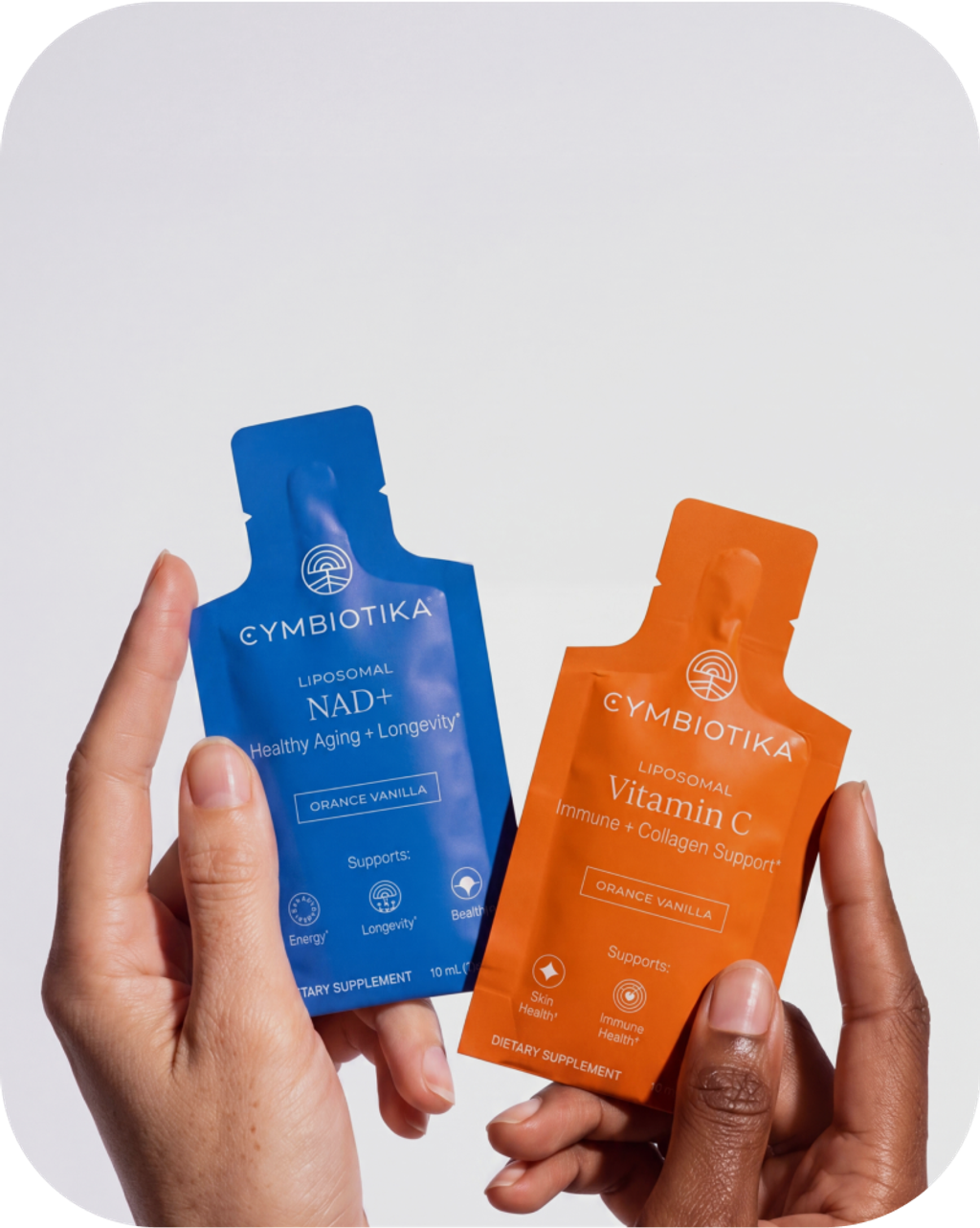
Our NMN + Trans-Resveratrol formula is designed with this in mind. NMN is a precursor to NAD+, a coenzyme found in all living cells that is crucial for energy metabolism and DNA repair. As we age, our NAD+ levels naturally decline, which can lead to a slower metabolism. By using a formula designed for high bioavailability, we help ensure these nutrients bypass the harsh environment of the digestive tract to support your metabolic pathways effectively.

Myth: All supplements are absorbed the same way by the body. Fact: Standard capsules often have low absorption rates. Liposomal delivery and high-quality sourcing are essential to ensure your body can actually use the nutrients for muscle repair and energy.

Nutrients That Support a High-Functioning Metabolism

To get the most out of your weightlifting routine, you need to provide your body with specific nutrients that facilitate energy production and tissue repair.

B-Vitamins and Energy Conversion

B-vitamins are the "keys" that unlock energy from the food you eat. They are essential for converting carbohydrates and fats into fuel that your muscles can use during a workout. If you are deficient in B-vitamins, you might feel sluggish, making it harder to lift with the intensity required to boost your metabolism. Our Liposomal Vitamin B12 + B6 uses a phospholipid shell (a protective layer of healthy fats) to support absorption, helping these vitamins reach your cells where they can support neurological health and energy metabolism.

Magnesium for Muscle and Nervous System

Lifting weights is a stressor on the body. To keep your metabolism humming, you need to manage that stress and allow your muscles to relax and recover. Magnesium is involved in over 300 biochemical reactions in the body, including muscle contraction and protein synthesis. Many people who lift weights find that they need more magnesium to prevent cramps and support a healthy nervous system.

Antioxidants and Cellular Health

Intense exercise increases the production of free radicals, which are unstable molecules that can cause cellular stress. While some of this stress is necessary to trigger muscle growth, too much can lead to prolonged recovery times. Antioxidants like Vitamin C and Glutathione help your body manage this stress. Using a liposomal format for these nutrients ensures that your internal "cleanup crew" is ready to work, allowing you to get back to the gym sooner. For additional context, read what NAD+ and glutathione do for cellular wellness.

The Role of Recovery in Metabolic Health

You do not actually build muscle while you are lifting weights. You build muscle while you are resting. If you do not prioritize recovery, you may find that your metabolism doesn't get the boost you're looking for. Chronic overtraining can lead to elevated levels of cortisol, a stress hormone that, in high amounts over long periods, can actually encourage the body to store fat and break down muscle.

Sleep: The Ultimate Metabolic Tool Sleep is the time when your body does its most significant repair work. Growth hormone is released during deep sleep, which is essential for repairing the muscle tissue you challenged during your weightlifting session. If you are consistently getting less than seven to eight hours of sleep, you are likely sabotaging your metabolic progress.

Consistency Over Intensity It is better to lift weights three times a week consistently for a year than to lift six times a week for a month and burn out. Metabolism responds to the long-term signals you send your body. By making weightlifting a sustainable part of your routine, you tell your body that it needs to maintain a higher BMR to handle the regular physical demand.

How to Build a Sustainable Weightlifting Routine

If you are new to lifting weights, you don't need a complicated plan to start seeing metabolic benefits. The goal is to challenge your muscles enough to trigger an adaptation.

Step 1: Focus on Compound Movements Compound exercises are movements that use multiple joints and muscle groups at once. Examples include squats, lunges, deadlifts, rows, and overhead presses. These exercises recruit the most muscle mass, which leads to a greater calorie burn and a more significant EPOC effect.

Step 2: Prioritize Form Over Weight You cannot build a healthy metabolism if you are sidelined by an injury. Start with lighter weights or even just your body weight to ensure your movement patterns are correct. As you become more comfortable, gradually increase the resistance.

Step 3: Progressively Increase the Challenge To keep your metabolism increasing, you must continue to challenge your body. This is known as progressive overload. You can do this by adding more weight, performing more repetitions, or shortening your rest periods between sets.

Step 4: Support Your Body with Bioavailable Nutrients Don't let your hard work go to waste by neglecting your nutrition. Focus on whole foods and consider high-quality supplementation to fill the gaps. Our Magnesium Complex, for example, can be a great addition to your evening routine to support muscle relaxation and sleep quality, both of which are essential for metabolic recovery.

Bottom line: A routine built on compound movements and consistent progression, supported by high-quality nutrition and recovery, is the most effective way to use weightlifting as a tool for metabolic health.

The Impact of Age on Metabolism and Strength Training

As we get older, our metabolism naturally tends to slow down. This is often attributed to a process called sarcopenia, which is the age-related loss of muscle mass. Because muscle is so metabolically active, losing it causes your BMR to drop. This is why many people find they gain weight more easily as they reach their 40s, 50s, and beyond.

The good news is that weightlifting is the most effective way to combat this decline. Research has shown that people of almost any age can build muscle and increase their metabolic rate through resistance training. Lifting weights isn't just about aesthetics; it is about maintaining your functional independence and metabolic vitality as you age.

By supporting your body with the right nutrients, such as our Liquid Colostrum for gut and immune support or our Longevity Mushrooms for cellular energy, you can help your body stay resilient. Aging doesn't have to mean a slow metabolism, provided you give your body the physical stimulus of weightlifting and the nutritional support it needs to thrive.

For more information about functional mushrooms and their wellness applications, explore this Longevity Mushrooms guide.

Common Misconceptions About Weightlifting

Despite the clear benefits, several myths still prevent people from picking up weights. Clearing these up can help you approach your routine with more confidence.

Myth: Lifting weights will make me look "bulky." Fact: Building significant muscle mass requires a very specific, high-calorie diet and years of targeted training. For most people, lifting weights results in a leaner, more "toned" appearance because muscle takes up less space than fat.

Myth: You have to lift heavy weights every day to see results. Fact: Your muscles need rest to grow. Two to four sessions per week are usually enough for most people to see significant metabolic improvements, provided the intensity is sufficient.

Myth: Cardio is the only way to lose weight. Fact: While cardio burns calories in the moment, weightlifting helps you burn more calories around the clock. A combination of the two is often the most effective strategy for long-term health.

Conclusion

Lifting weights is one of the most effective ways to support and increase your metabolism. By building lean muscle mass, you increase your resting energy expenditure and enjoy the "afterburn" of EPOC long after your workout is over. However, your body can only perform as well as it is fueled.

At Cymbiotika, we are dedicated to helping you maximize your efforts through transparency and high-quality sourcing. We believe that wellness starts with trust and that your supplements should be as hard-working as you are. By focusing on bioavailability, we ensure that our formulas support your body's metabolic pathways at a cellular level.

Whether you are just starting out or looking to refine your current routine, remember that consistency and recovery are key. Focus on compound movements, prioritize your sleep, and ensure you are absorbing the nutrients you need to succeed.

  • Build lean muscle to raise your BMR.
  • Leverage the EPOC effect with high-intensity resistance training.
  • Prioritize bioavailable nutrients to support energy and recovery.
  • Focus on consistency and long-term health over quick fixes.

Key Takeaway: Sustainable metabolic health is built through a combination of regular resistance training, intentional recovery, and high-quality, bioavailable nutrition that your body can actually use.

If you are ready to build a supplement routine that truly fits your unique goals, we invite you to take the Health Quiz. It is designed to provide personalized recommendations based on your lifestyle and health needs, helping you take the guesswork out of your wellness journey.

FAQ

Does lifting weights increase metabolism more than cardio?

In the long term, yes, because lifting weights builds lean muscle mass which increases your resting metabolic rate (BMR). While cardio often burns more calories during the actual exercise, it does not provide the same permanent boost to your baseline energy expenditure that muscle tissue does.

How long does the metabolic boost from lifting weights last?

The immediate boost, known as EPOC or the afterburn effect, can last anywhere from 16 to 24 hours after an intense session. The long-term boost from building muscle mass lasts as long as you maintain that muscle through regular activity and proper nutrition.

How many times a week should I lift to see metabolic changes?

For most people, two to four sessions of resistance training per week are sufficient to trigger muscle growth and metabolic improvements. It is important to allow for at least one day of rest between sessions targeting the same muscle groups to ensure proper recovery and tissue repair.

Will my metabolism slow down if I stop lifting weights?

If you stop lifting weights and begin to lose muscle mass (atrophy), your Basal Metabolic Rate may gradually decrease over time. However, this process usually takes several weeks of inactivity, and maintaining a high-protein diet and staying generally active can help preserve your metabolic gains.

*These statements have not been evaluated by the Food and Drug Administration. This product is not intended to diagnose, treat, cure, or prevent any disease.

Subscribers get it all

Subscribe today and unlock access to Arise, the ultimate wellness experience.

SAVE BIG

Get over 40% off + FREE shipping on all recurring orders.

FUN FREEBIES

Get free gifts, swag, perks, and more

SAVE BIG

Feel energized & strong with a routine that works!

by / Aug 28, 2026

Back to cart

CONGRATS

Choose Your Free Gift

Choose one complimentary product below.

Are you sure?
Removing will also remove the exclusive discounted item added to your cart.

You're away from a FREE gift!

Add any of the products below to unlock your free gift.

    You've unlocked a FREE gift!

    Thanks for spending $110. Choose one of the three starter kits below.

    Subscribe & Save

    Trusted by 60k+ subscribers

    Your Cart ( items)

    in savings and perks unlocked with your order!

    Free shipping sitewide.

    More subscriptions, more savings

    1

    30% off

    2

    34% off

    3

    38% off

    4

    40% off

    5

    40% off

    Want to save? Add a subscription to get 30% off on it!

    Add items to your cart

    Browse our products and add items to start your order.

    Exclusive Subscriber Offer
    $49 / yr
    Normally $199
    • 100+ biomarkers tested
    • A personalized 100-day protocol built around your Cymbiotika stack
    You may also like. . .
    You may also like
    60-Day money back guarantee. Exclusions apply.*