Table of Contents
- Introduction
- The Vital Connection Between Iron and Oxygen
- Why Low Iron Leads to Physical and Mental Fatigue
- The Bioavailability Challenge: Why Standard Iron Often Fails
- Liposomal Delivery: A Modern Approach to Absorption
- The Role of Co-Factors in Iron Absorption
- Dietary Sources and Practical Strategies
- Building a Routine You Can Trust
- Conclusion
- FAQ
Introduction
You wake up after eight hours of sleep, yet you feel as though you barely closed your eyes. By mid-afternoon, even simple tasks feel like a heavy lift. This persistent, heavy-limbed sensation is a common experience for many, leading to the frequent question: does iron deficiency cause tiredness? The short answer is yes, but the mechanics of why this happens are rooted deeply in how our bodies process oxygen and create energy at a cellular level.
At Cymbiotika, we believe that understanding the "why" behind your wellness is the first step toward feeling your best. When energy levels dip, it is rarely due to a single factor, but iron plays a foundational role in the internal delivery system that keeps us moving. For additional context, explore this guide to iron deficiency and tiredness. This article explores the biological link between iron and fatigue, the challenges of traditional supplementation, and how to support your body's energy pathways through better absorption.
Our goal is to help you navigate the relationship between mineral levels and daily vitality. By focusing on high-quality sourcing and superior bioavailability, we can move past general fatigue and toward a routine that actually supports our unique biological needs.
The Vital Connection Between Iron and Oxygen
To understand why a lack of iron leads to a lack of energy, we have to look at the primary job iron performs in the body. Iron is a key component of hemoglobin, a protein in our red blood cells. Hemoglobin acts like a delivery vehicle, picking up oxygen in the lungs and transporting it to every tissue and organ in the body.
When iron levels are low, the body cannot produce enough healthy, oxygen-carrying red blood cells. Without sufficient oxygen being delivered to your muscles and brain, your systems have to work significantly harder to perform basic functions. This extra effort manifests as the physical and mental exhaustion we often describe as "tiredness."
How Iron Supports Cellular Energy
Beyond the blood, iron is also essential for the mitochondria, which are the power plants of our cells. Within these tiny structures, iron helps facilitate the production of adenosine triphosphate (ATP). ATP is the primary energy currency of the body; it is what allows your heart to beat, your muscles to contract, and your brain to think.
If iron stores are depleted, ATP production may slow down. This means that even if you are resting, your body is struggling to generate the "fuel" it needs to keep everything running smoothly. This dual role—transporting oxygen and producing cellular energy—is why iron is so closely linked to how vibrant and capable we feel throughout the day. For broader energy support, explore Cymbiotika’s Energy & Focus collection.
Key Takeaway: Iron is the primary driver of oxygen transport and cellular energy production. When levels are low, your body's "fuel delivery system" slows down, leading to persistent fatigue.
Why Low Iron Leads to Physical and Mental Fatigue
The tiredness associated with low iron is often different from the sleepiness you feel after a long day. It is a deep-seated lethargy that can affect both the body and the mind. Because oxygen is the lifeblood of every metabolic process, a shortage affects multiple systems simultaneously.
Physical Indicators of Low Iron
When your muscles aren't getting the oxygen they need, they tire more quickly. You might notice that walking up a flight of stairs feels like a workout, or your usual exercise routine feels unusually difficult. This physical sluggishness is a direct result of the body trying to conserve its limited oxygen supply for the most critical organs, like the heart and lungs.
Other physical signs often accompany this tiredness:
- Cold hands and feet, as the body prioritizes warmth for the core organs.
- A faster heart rate, as the heart tries to pump more blood to compensate for the low oxygen levels.
- Shortness of breath during minor activities.
The Mental Fog of Iron Deficiency
The brain is one of the most oxygen-hungry organs in the body. When iron levels are insufficient, cognitive function can take a hit. Many people report feeling "foggy" or having trouble focusing on complex tasks. This mental fatigue can be just as draining as the physical kind, making it harder to stay productive or engaged in daily life.
Boldly stated, mental clarity and physical endurance both rely on the same mineral foundation. If you find yourself struggling to remember details or feeling unusually irritable, it may be worth looking at your iron status alongside your overall lifestyle habits.
The Bioavailability Challenge: Why Standard Iron Often Fails
Once people realize that iron might be the key to their energy levels, many reach for the first supplement they find on a grocery store shelf. However, not all iron is created equal. The supplement industry is full of low-cost iron salts, such as ferrous sulfate, which are notorious for being difficult for the body to process.
The problem is bioavailability—the degree and rate at which a substance is absorbed into the living system. Many traditional iron pills have very low absorption rates. This means that while the label might boast a high milligram count, only a small fraction of that iron actually makes it into your bloodstream.
The Gut Connection
When iron isn't absorbed properly in the small intestine, it continues to travel through the digestive tract. This unabsorbed iron can cause significant irritation to the gut lining, leading to common complaints like nausea, constipation, and stomach discomfort. For many, the side effects of standard iron supplements are so unpleasant that they stop taking them altogether, leaving their energy levels unsupported.
We believe that a supplement shouldn't create new problems while trying to solve an old one. This is why we focus on delivery methods that bypass these common pitfalls by working with the body’s natural physiology rather than against it. Learn more about how liposomal delivery supports absorption.
Myth: A higher milligram count on an iron supplement always means better results. Fact: Higher doses of poorly absorbed iron often lead to more digestive upset, not necessarily higher iron levels. Bioavailability is the most important factor.
Liposomal Delivery: A Modern Approach to Absorption
To solve the twin problems of poor absorption and digestive discomfort, wellness science has turned to liposomal delivery. A liposome is a tiny, microscopic bubble made of phospholipids—the same material that makes up our cell membranes. By wrapping the iron molecule in this fatty layer, we can protect it as it passes through the harsh environment of the stomach.
How Liposomes Work in the Body
Because the liposomal "shell" mimics our own cells, the body recognizes it and can absorb it more easily through the intestinal wall. This delivery method allows the iron to enter the bloodstream more efficiently. Since the iron is tucked away inside the phospholipid bilayer (a double layer of fatty molecules), it doesn't come into direct contact with the gut lining, which significantly reduces the chance of digestive upset.
Liposomal technology is designed to bridge the gap between what you swallow and what your cells actually receive. This is a core pillar of our philosophy. Whether it is our Liposomal Vitamin C or other essential nutrients, we prioritize these advanced delivery systems because they respect the complexity of human digestion.
Bottom line: Liposomal delivery protects sensitive minerals from stomach acid and improves their ability to enter the bloodstream without causing gut irritation.
The Role of Co-Factors in Iron Absorption
Iron doesn't work in a vacuum. Its ability to support your energy levels depends heavily on other nutrients present in your system. If you are focusing on iron but ignoring its "partners," you may not see the results you expect.
Vitamin C: The Absorption Booster
Vitamin C is perhaps the most well-known partner for iron. It helps convert plant-based iron into a form that is easier for the body to absorb. If you are eating iron-rich foods like spinach or lentils, pairing them with a Vitamin C source can make a significant difference. For more detail, read about taking vitamin C with iron for absorption.
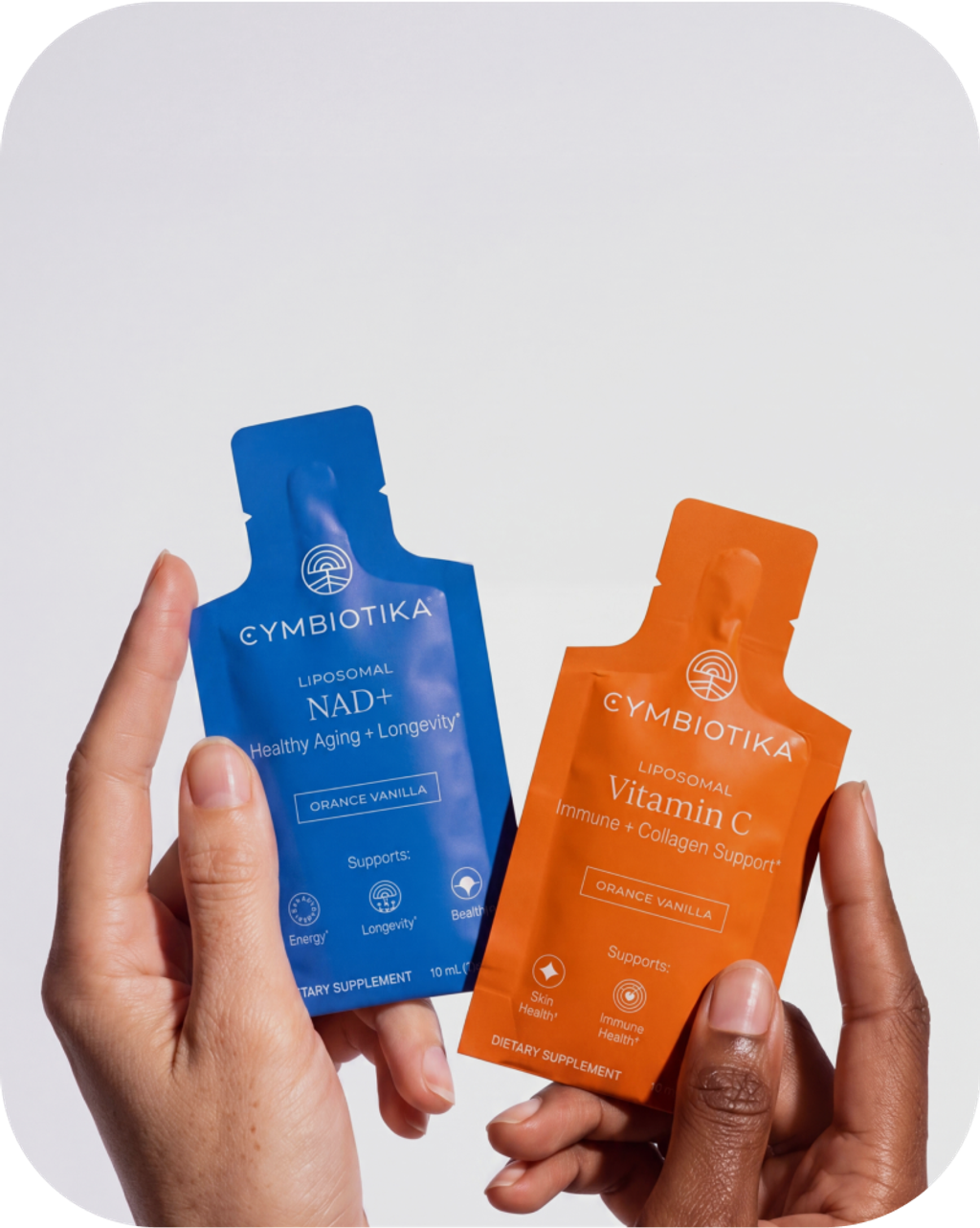
Our Liposomal Vitamin C can be a helpful addition here. Because it uses the same advanced delivery system, it provides high-potency antioxidant support while also helping the body utilize the iron found in your diet or supplement routine.
The Importance of B-Vitamins
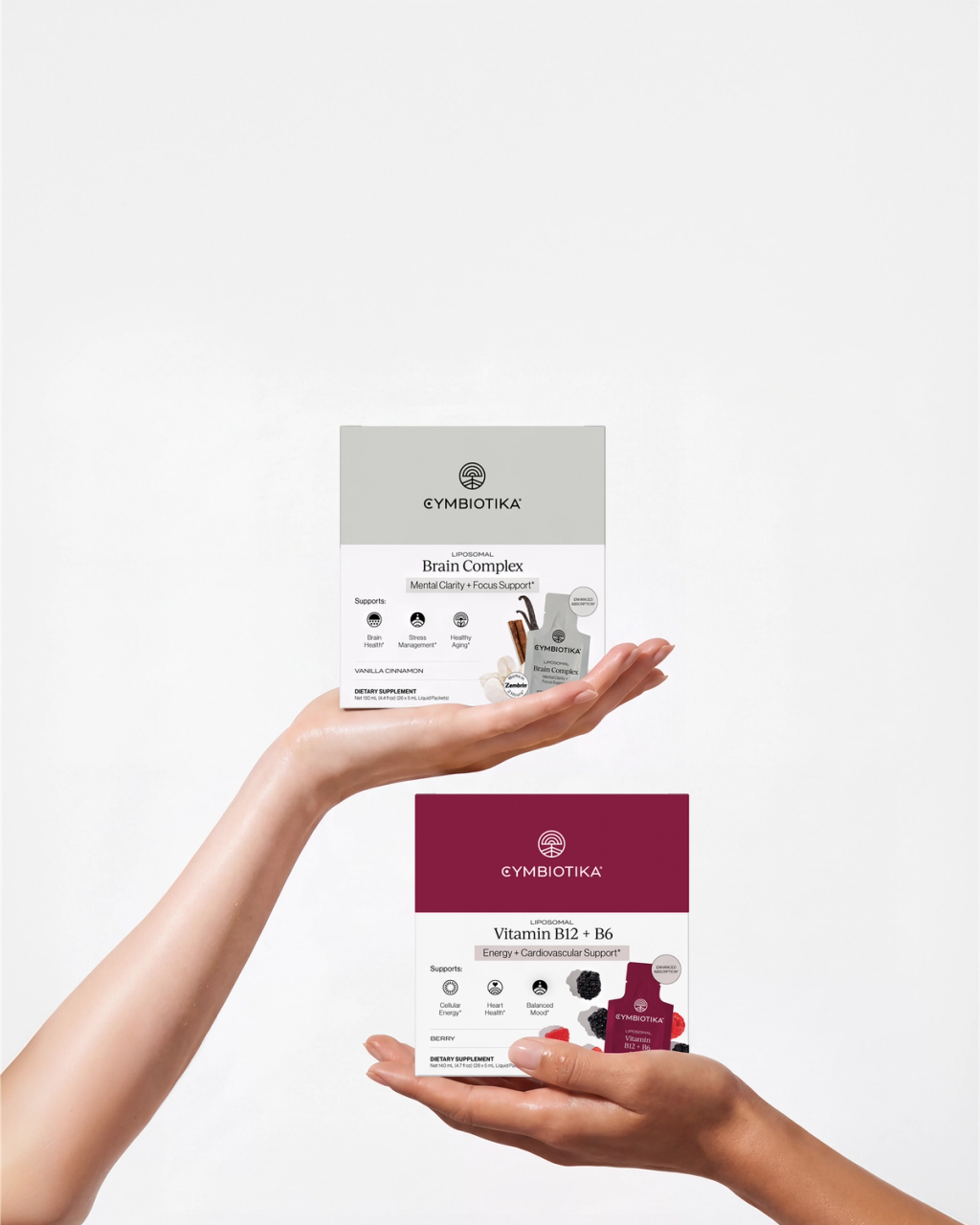
Tiredness isn't always a one-mineral issue. B-vitamins, particularly B12 and B6, are also essential for red blood cell production and energy metabolism. Our Liposomal Vitamin B12 + B6 is designed to support these neurological and metabolic pathways. Many people find that their energy levels improve most when they address these foundational nutrients together rather than in isolation.
Note: If you are taking an iron supplement, try to avoid taking it at the exact same time as coffee, tea, or high-calcium foods, as these can temporarily interfere with how much iron your body absorbs.
Dietary Sources and Practical Strategies
While supplementation can be a powerful tool for those with low levels, a balanced diet remains the cornerstone of long-term wellness. There are two main types of iron found in food: heme and non-heme.
- Heme Iron: Found in animal products like red meat, poultry, and fish. This form is generally easier for the body to absorb.
- Non-Heme Iron: Found in plant-based foods like beans, lentils, seeds, spinach, and fortified cereals. While important, this form requires a bit more help (like Vitamin C) to be absorbed efficiently.
What to Do Next
If you suspect that your tiredness is linked to your iron levels, consider the following steps to build a more supportive routine:
- Consult a professional: A simple blood test can confirm your iron and ferritin (stored iron) levels. It is always best to know your numbers before starting a high-dose supplement.
- Audit your diet: Look for ways to include more iron-dense foods and pair them with Vitamin C-rich vegetables.
- Choose bioavailable formats: If you decide to supplement, look for liposomal or chelated forms to avoid the common "iron stomach" issues.
- Monitor your energy: Keep a journal for a week to see if your tiredness correlates with certain meals, your cycle, or your exercise intensity.
Building a Routine You Can Trust
At Cymbiotika, we believe that wellness is not about a quick fix or a "miracle" ingredient. It is about consistency and the quality of the tools you use. When you choose a supplement, you are making an investment in your daily life—your ability to show up for work, your family, and yourself.
Transparency is at the heart of everything we do. We source the cleanest ingredients and use third-party testing to ensure that what is on the label is exactly what is in the bottle. We don't use synthetic fillers or unnecessary additives because we know that your body deserves only what it can actually use.
Building a routine should feel empowering, not overwhelming. Whether you are addressing iron levels or looking for general immune support, the goal is to create a sustainable habit that moves you closer to your health goals every day. Explore the Immunity collection for additional daily wellness options.
Conclusion
Tiredness is the body's way of signaling that something in the system needs attention. Because iron is so fundamental to oxygen transport and cellular energy, it is often one of the first places to look when vitality begins to wane. By understanding the science of bioavailability and the importance of cellular absorption, you can move beyond the frustration of persistent fatigue.
Our commitment is to provide you with the education and the formulations necessary to reclaim your energy. We believe that when the body is given the right nutrients in a form it can actually absorb, the results speak for themselves.
- Iron is essential for oxygen delivery and ATP production.
- Low iron leads to both physical lethargy and mental fog.
- Bioavailability is the key to effective supplementation.
- Advanced delivery systems like liposomes can reduce side effects and improve results.
Key Takeaway: Quality matters more than quantity when it comes to minerals. Support your energy by focusing on absorption-friendly nutrients and a consistent daily routine.
If you are ready to take the next step in your wellness journey but aren't sure where to start, we invite you to take the Health Quiz. It is designed to help you navigate our offerings and find a personalized routine that fits your specific needs and lifestyle goals.
FAQ
Does iron deficiency always make you feel tired?
While tiredness is one of the most common signs of low iron, not everyone experiences it in the same way. Some people may notice other signs first, such as brittle nails, cold hands, or a decreased ability to concentrate. The degree of tiredness often depends on how low the iron stores have dropped and how quickly the change occurred.
How long does it take for energy to return after starting iron?
The timeline for feeling better varies from person to person depending on the severity of the deficiency and the absorption rate of the supplement. Some people notice a difference in their energy levels within a few weeks, while for others, it may take a few months to fully replenish the body's iron stores. Consistent daily use and choosing a bioavailable format can help support this process. For more information about nutrient timing, explore this guide to vitamin C and iron absorption.
Can I get enough iron from a plant-based diet?
Yes, it is entirely possible to maintain healthy iron levels on a plant-based diet, though it requires more intentional planning. Since plant-based (non-heme) iron is less easily absorbed than animal-based iron, it is helpful to include plenty of Vitamin C-rich foods to boost absorption. Many people on plant-based diets also choose to supplement with high-quality, bioavailable iron to ensure their needs are met. Learn more about why vitamin C pairs with iron.
Is it possible to take too much iron?
Yes, iron is a mineral that the body does not easily excrete, so it is important not to exceed the recommended amount unless directed by a healthcare professional. Taking excessive amounts of low-quality iron can lead to significant digestive distress. This is why we emphasize focusing on the quality and absorption of the iron you do take, rather than simply increasing the dosage.
*These statements have not been evaluated by the Food and Drug Administration. This product is not intended to diagnose, treat, cure, or prevent any disease.