Jul 06, 2026

Can Constipation Cause Tiredness?

Table of Contents

  1. Introduction
  2. The Biological Link Between Your Gut and Your Energy
  3. Why Sluggish Digestion Leads to Fatigue
  4. The Role of Magnesium in Energy and Motility
  5. How the Microbiome Influences Your Vitality
  6. Strategies to Restore Regularity and Energy
  7. The Connection Between Stress and Digestion
  8. Building a Sustainable Routine
  9. The Importance of Clean Sourcing
  10. Summary of the Gut-Energy Connection
  11. Conclusion
  12. FAQ

Introduction

If you have ever felt physically weighed down and mentally foggy while dealing with digestive backup, you are not alone. Many people notice that when their digestive system slows down, their energy levels seem to plummet right along with it. At Cymbiotika, we believe that understanding the intricate connections between your body's systems is the first step toward lasting wellness.

This article explores the direct and indirect links between digestive regularity and daily vitality. We will look at how a sluggish gut can impact nutrient absorption, metabolic waste management, and even your mood. By the end of this guide, you will understand why your gut health is a cornerstone of your energy levels and how to support both through Liposomal Delivery and lifestyle shifts. The connection between your gut and your energy is not just a feeling; it is a complex biological reality.

The Biological Link Between Your Gut and Your Energy

The human body is an interconnected network where no system operates in a vacuum. Your digestive tract and your energy production systems are particularly close partners. When people ask if constipation can cause tiredness, the answer often lies in the gut-brain axis and the way our bodies manage resources.

The Gut-Brain Axis and Fatigue

The gut-brain axis is a two-way communication line between your central nervous system and your enteric nervous system, which governs your digestion. This connection is why "gut feelings" are a real physical sensation. When your digestive system is backed up, it sends distress signals to the brain.

These signals can manifest as a general sense of malaise or fatigue. The body may prioritize addressing the discomfort and inflammation in the gut, diverting energy away from cognitive tasks or physical activity. This internal redirection of resources often leaves you feeling drained and unmotivated.

The Role of the Enteric Nervous System

Often called the "second brain," the enteric nervous system contains millions of neurons. It manages the complex process of peristalsis—the wave-like muscle contractions that move food through your system. When these contractions slow down, the resulting stagnation can create a feedback loop of lethargy.

This sluggishness isn't just local to the colon. Because the gut produces a significant portion of the body’s neurotransmitters, including serotonin, a disrupted gut environment can lead to shifts in mood and energy. If your "second brain" is struggling, your primary brain will likely feel the effects in the form of brain fog and tiredness.

Why Sluggish Digestion Leads to Fatigue

There are several specific biological reasons why a lack of regularity results in low energy. Understanding these can help you identify where your routine might need an adjustment.

Compromised Nutrient Absorption

One of the most significant impacts of a slow digestive system is its effect on bioavailability. This term refers to the amount of a nutrient that actually enters your bloodstream and becomes available for use by your cells. When waste stays in the colon for too long, it can interfere with the absorption of essential vitamins and minerals.

Your body requires specific nutrients—like B vitamins, magnesium, and iron—to produce ATP (adenosine triphosphate), the primary energy currency of your cells. If your gut environment is compromised, you may not be getting the full benefit of the food or standard supplements you consume. Standard tablets or capsules often rely on a perfectly functioning digestive tract to be broken down and absorbed. If things are moving too slowly, these nutrients may not be processed efficiently, leading to a "hidden" energy deficiency.

The Buildup of Metabolic Waste

The primary job of the colon is to eliminate waste and toxins that the body no longer needs. When this process is delayed, these waste products linger. While the body is resilient, a backup of metabolic byproducts can place an extra burden on your liver and kidneys.

As your detoxification pathways work overtime to manage this internal load, your overall energy reserves may be depleted. You might feel a heavy, "weighted down" sensation that makes even simple tasks feel like a chore. This isn't necessarily about "toxins" in a scary, buzzword sense; it is simply about your body’s natural cleaning system falling behind on its chores.

The Impact of Dehydration

Constipation and dehydration often go hand in hand. The colon's job is to reabsorb water from waste. If you are dehydrated, the body pulls even more water from the colon to compensate, making the stool harder and more difficult to pass.

Dehydration is one of the most common causes of fatigue. Even mild dehydration can lead to a drop in blood volume, which means your heart has to work harder to pump oxygen and nutrients to your muscles and brain. Often, the tiredness you feel during a bout of constipation is actually your body’s cry for better hydration at a cellular level.

Key Takeaway: Constipation causes tiredness through a combination of reduced nutrient absorption, increased metabolic workload on the liver, and the systemic effects of dehydration.

The Role of Magnesium in Energy and Motility

Magnesium is a powerhouse mineral that plays a dual role in this conversation. It is essential for over 300 biochemical reactions in the body, including those that regulate muscle contraction and energy production.

Supporting Muscle Contraction

The muscles of the digestive tract require magnesium to relax and contract properly. Without sufficient magnesium, these muscles can become tense or sluggish, leading to slower transit times. Many people find that increasing their intake of bioavailable magnesium helps support a more regular rhythm.

Our Magnesium Complex is designed with this in mind, utilizing multiple forms of magnesium to support various bodily functions. Unlike standard magnesium oxide, which can be harsh on the digestive tract and poorly absorbed, our blend focuses on forms that the body can actually utilize.

Magnesium and Cellular Energy

At the cellular level, magnesium is required to bind with ATP to make it biologically active. Without it, your cells cannot effectively use the energy they produce. This is why a deficiency in magnesium can lead to both constipation and a profound sense of exhaustion. Using a Topical Magnesium Oil Spray can also be a helpful way to support magnesium levels through the skin, bypassing the digestive tract entirely if it is currently feeling overwhelmed.

How the Microbiome Influences Your Vitality

Your gut is home to trillions of bacteria, collectively known as the microbiome. These microorganisms do much more than just help digest food; they are active participants in your energy metabolism.

Microbial Byproducts and Fatigue

When food sits in the gut for too long, the types of bacteria that thrive can shift. Some "less-than-helpful" bacteria produce gases and byproducts as they ferment undigested food. These byproducts can lead to bloating and discomfort, which are physically exhausting to manage.

Furthermore, a healthy microbiome helps synthesize certain vitamins, such as Vitamin B12 and Vitamin K. B12 is famous for its role in energy metabolism. If your microbiome is out of balance due to chronic constipation, your natural production of these energy-supporting vitamins may decline. For a deeper look at this foundation, What Does Good Gut Health Mean? is a helpful next step.

Probiotics and Regularity

Maintaining a diverse and balanced microbiome is essential for keeping things moving. Our Probiotic is formulated to survive the harsh environment of the stomach to reach the lower digestive tract where it is needed most. A balanced gut flora supports healthy transit times, which in turn prevents the buildup of byproducts that cause lethargy.

Key Takeaway: A balanced microbiome ensures efficient waste removal and the production of energy-essential vitamins, preventing the "heavy" feeling associated with digestive stagnation.

Strategies to Restore Regularity and Energy

If you are feeling the double hit of constipation and tiredness, a few strategic changes to your routine can make a significant difference. The goal is to support the body’s natural processes rather than forcing them.

Prioritize Cellular Hydration

Drinking water is the first step, but how your body uses that water matters even more. At the cellular level, water needs to be "activated" to be most effective. Our Molecular Hydrogen tablets can be added to your water to support its antioxidant capacity and help the body manage the oxidative stress that often accompanies digestive issues.

Support the Liver

Since the liver is responsible for processing the blood coming from the digestive tract, it can become stressed when the gut is backed up. Supporting your liver’s natural detoxification pathways can help alleviate the systemic fatigue associated with a slow gut. Our Liver Health+ is designed to provide the nutrients the liver needs to function optimally, helping you feel lighter and more energized.

Gentle Movement

Exercise is a natural "prokinetic," meaning it helps stimulate the movement of the digestive tract. You don't need a high-intensity workout to see benefits. A simple 20-minute walk after a meal can help gravity and muscle movement encourage your gut to do its job. This movement also increases circulation, providing an immediate, natural boost to your energy levels.

Rethink Your Supplement Delivery

When your digestion is sluggish, the last thing you want to do is throw hard-to-absorb pills into the mix. This is where liposomal delivery becomes a significant advantage. A liposome is a tiny bubble made of the same material as your cell membranes (phospholipids). This "bubble" protects the nutrients as they pass through the digestive system and allows them to be absorbed more directly into the bloodstream.

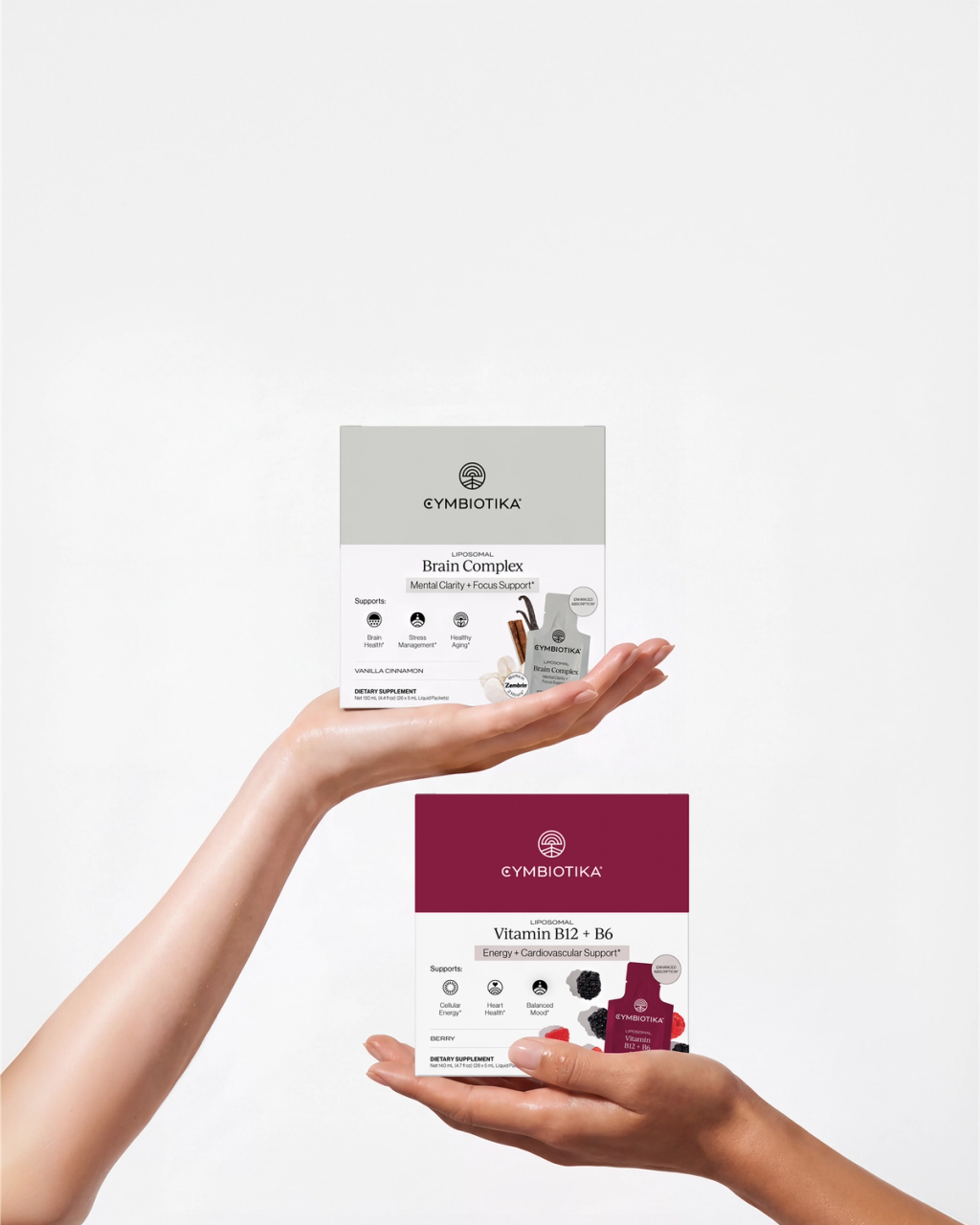
For a closer look at the science behind this approach, Ask Dr. Shilpa: Liposomes 101 is a useful guide. For example, our Liposomal Vitamin C or Liposomal Vitamin B12 + B6 provide essential nutrients in a format that doesn't require a perfectly functioning digestive tract to be effective. This ensures that even when your gut is moving slowly, your cells are still getting the fuel they need to keep you energized.

The Connection Between Stress and Digestion

It is impossible to talk about the gut without talking about stress. Your body has two main states: "rest and digest" (the parasympathetic nervous system) and "fight or flight" (the sympathetic nervous system).

The Stress Loop

In our modern world, many of us spend too much time in a state of low-level stress. When the "fight or flight" system is active, the body deprioritizes digestion. Blood is shunted away from the gut and toward the muscles. If this happens chronically, it leads to constipation.

The frustration and physical discomfort of being constipated then cause more stress, creating a loop that leaves you feeling completely wiped out. Breaking this cycle often requires a combination of physical support for the gut and lifestyle practices that promote relaxation.

Incorporating Adaptogens

Adaptogens are natural substances that help the body adapt to stress. Shilajit Liquid Complex is a potent adaptogenic complex that supports cellular energy and mineral balance. By helping the body manage the physical toll of stress, you can help nudge your nervous system back into the "rest and digest" state necessary for regularity.

Building a Sustainable Routine

Addressing the link between constipation and tiredness isn't about a "quick fix." It is about building a routine that respects the rhythm of your body. We recommend focusing on consistency over intensity.

Morning Habits for Success

How you start your day often sets the tone for your digestion. Consider these steps to wake up your gut and your brain:

  1. Hydrate first: Drink a large glass of water, perhaps with Molecular Hydrogen, before your morning coffee.
  2. Move gently: Five minutes of stretching or a quick walk can signal to your body that it is time to move waste.
  3. Bioavailable nutrients: Take your liposomal supplements or probiotics on an empty stomach (as directed) to maximize absorption.
  4. Mindful eating: Take the time to chew your food thoroughly, which kickstarts the digestive process through enzymes in your saliva.

Listening to Your Body

Everyone’s "normal" is different. Some people find that they feel best with a high-fiber diet, while others find that too much fiber actually increases their bloating and fatigue. It is important to pay attention to how different foods and habits make you feel.

If you're unsure where to start, our Gut Health supplements can help you narrow down which areas of your wellness routine might need the most attention. It takes the guesswork out of supplementation by providing personalized recommendations based on your specific goals and challenges.

The Importance of Clean Sourcing

When your digestive system is already struggling, you don't want to add unnecessary fillers or synthetic ingredients to the mix. Many mass-market supplements contain binders, artificial colors, and flow agents that can be difficult for a compromised gut to process.

At Cymbiotika, transparency is at the heart of everything we do. We prioritize organic and wild-crafted sourcing, and all our formulations are third-party tested for purity and potency. We believe you should know exactly what you are putting into your body and trust that it is there to help, not hinder, your progress.

Key Takeaway: Quality matters. Avoiding synthetic fillers and choosing bioavailable, liposomal formats can help support your energy and digestion without adding an extra burden to your system.

Summary of the Gut-Energy Connection

To recap, the reason you feel tired when constipated is a combination of biological factors:

  • Nutrient Gaps: Sluggish transit times interfere with the absorption of energy-producing vitamins and minerals.
  • Metabolic Load: The body must work harder to manage metabolic waste that hasn't been eliminated.
  • Hydration Issues: Chronic constipation is often a sign of cellular dehydration, a major driver of fatigue.
  • Nervous System Stress: The gut-brain axis sends signals of discomfort that drain mental and physical energy.

By supporting your gut with the right nutrients in the right formats, you can help break this cycle. Whether it’s through magnesium for motility, probiotics for a balanced microbiome, or liposomal vitamins for guaranteed absorption, the goal is to create a smooth, efficient system that fuels your life rather than draining it.

Conclusion

The link between constipation and tiredness is a clear reminder that our bodies are deeply integrated. When one area—like digestion—is out of balance, it ripples through our entire sense of well-being. By focusing on bioavailability, hydration, and the health of your microbiome, you can support a more regular rhythm and reclaim your energy.

At Cymbiotika, we are committed to providing you with the most effective, transparent, and science-forward tools to take control of your health. We don't just want to help you feel better for a day; we want to help you build a lifestyle that supports long-term vitality. If you are ready to take the next step in your wellness journey, we invite you to explore our tailored recommendations.

Key Takeaway: Digestive regularity is a fundamental pillar of energy production. Supporting your gut with high-quality, bioavailable nutrients is an investment in your daily vitality.

What to do next: If you're feeling overwhelmed by where to start, take our Health Quiz. It's a simple way to get personalized guidance on which formulas can best support your unique needs, helping you build a routine you can actually trust.

FAQ

How long does it take for energy to return after constipation is cleared?

Most people notice an improvement in their energy levels within 24 to 48 hours of restoring regularity. As the physical discomfort subsides and the metabolic load on the liver decreases, the body can redirect resources back to normal activity. Consistency in hydration and supplementation can help ensure these energy levels remain stable.

Can a lack of fiber cause both constipation and fatigue?

Yes, fiber is essential for adding bulk to the stool and feeding beneficial gut bacteria. A low-fiber diet can lead to slow transit times and a microbiome imbalance, which often results in sluggishness. However, it's also important to ensure you're absorbing the nutrients from the fiber-rich foods you eat.

Is it better to take supplements in the morning or evening for gut health?

This depends on the specific supplement and your personal routine. Many people find that taking probiotics and magnesium in the evening supports morning regularity. Meanwhile, energy-focused supplements like B12 or Liposomal Vitamin C are often best taken in the morning to fuel the day ahead.

Does drinking more water always help with constipation-related tiredness?

While water is crucial, it is only one piece of the puzzle. You also need electrolytes and minerals, like magnesium, to ensure that water is actually entering your cells and that your digestive muscles can function. If you drink large amounts of plain water without adequate mineral support, you may actually flush out the very electrolytes your body needs to stay energized.

*These statements have not been evaluated by the Food and Drug Administration. This product is not intended to diagnose, treat, cure, or prevent any disease.

Subscribers get it all

Subscribe today and unlock access to Arise, the ultimate wellness experience.

SAVE BIG

Get over 40% off + FREE shipping on all recurring orders.

FUN FREEBIES

Get free gifts, swag, perks, and more

SAVE BIG

Feel energized & strong with a routine that works!

by / Jul 06, 2026

Back to cart

CONGRATS

Choose Your Free Gift

As a thank-you for subscribing, choose one complimentary product below.

Are you sure?
We'll remind you before your next
Golden Mind order processes.
We'll remind you before your next
Topical Magnesium order processes.
Are you sure?
Removing will also remove the exclusive discounted item added to your cart.

You're away from a FREE gift!

Add any of the products below to unlock your free gift.

    You've unlocked a FREE gift!

    Thanks for spending $110. Choose one of the three starter kits below.

    Subscribe & Save

    Trusted by 60k+ subscribers

    FOR YOU
    One FREE Month of Golden Mind!
    You've unlocked one FREE month of Golden Mind! Your subscription will renew automatically every 30 days, and we'll remind you before your order processes.
    Cancel anytime in your portal.
    FOR YOU
    One FREE Month of Topical Magnesium Oil!
    You've unlocked one FREE month of Topical Magnesium Oil! Your subscription will renew automatically every 30 days, and we'll remind you before your order processes.
    Cancel anytime in your portal.
    Your Cart ( items)
    Free shipping sitewide.

    More subscriptions, more savings

    1

    30% off

    2

    34% off

    3

    38% off

    4

    40% off

    5

    40% off

    Want to save? Add a subscription to get 30% off on it!

    Your cart is currently empty.
    You may also like. . .
    You're Saving:
    Subtotal:
    60-Day money back guarantee*