Table of Contents
- Introduction
- Understanding the "Food Hangover"
- Start With Strategic Hydration
- Support Your Primary Detox Organ: The Liver
- Restore the Gut Microbiome
- The Importance of Bioavailability in a Reset
- Use Whole Foods to Flush the System
- Move Your Body to Move the "Junk"
- Prioritize Sleep and Rest
- Building a Sustainable Routine
- When to Seek Guidance
- Conclusion
- FAQ
Introduction
We have all been there—the sluggish feeling that follows a weekend of processed snacks, sugary treats, or heavy meals. When your energy dips and your focus feels clouded, it is often a sign that your system is working overtime to process the additives and refined ingredients found in junk food. Learning how to detox body from junk food is not about extreme deprivation or restrictive juice cleanses. Instead, it is about giving your body the specific tools it needs to reset and return to its natural state of balance.
At Cymbiotika, we believe that true wellness is built on a foundation of transparency and high-quality nourishment. This guide will walk you through practical, science-backed strategies to help clear the mental fog and physical heaviness associated with processed foods. We will cover the importance of hydration, how to support your primary detox organs, and why the Liposomal delivery of your nutrients determines how quickly you feel like yourself again. Our goal is to help you build a routine that supports long-term vitality rather than a temporary fix.
Understanding the "Food Hangover"
The term "food hangover" describes the physical and mental lethargy that occurs after consuming high amounts of sodium, refined sugar, and processed fats. These ingredients can disrupt your internal equilibrium, leading to temporary bloating, energy crashes, and a general sense of being "off." Junk foods are often designed to be hyper-palatable, which can trigger a cycle of cravings that makes it difficult to get back on track with healthy eating.
When you consume processed foods, your body must work harder to manage blood sugar spikes and filter out synthetic additives. This puts extra pressure on your digestive system and your liver, the body’s primary filtration plant. A thoughtful detox process focuses on easing this burden. By shifting toward nutrient-dense options, you allow your body to redirect its energy from processing "junk" to cellular repair and natural waste removal.
Start With Strategic Hydration
Hydration is the most immediate way to support your body’s natural detoxification pathways. Water helps the kidneys flush out excess sodium, which is often the main culprit behind the puffiness and bloating you feel after a salty meal. However, drinking plain water is only one part of the equation.
Intracellular hydration is what truly matters for cellular function. When you have been eating junk food, your electrolyte balance—specifically the ratio of sodium to potassium—is often skewed. To help your body recover, focus on adding mineral-rich fluids to your routine.
- Filtered Water: Aim for at least half your body weight in ounces daily.
- Lemon Water: Adding fresh lemon provides a small boost of vitamin C and may support digestive enzyme production.
- Electrolytes: Look for sources of potassium and magnesium to help balance the high sodium intake from processed foods.
Quick Answer: To detox from junk food, focus on supporting your liver and gut through high-quality hydration, fiber-rich whole foods, and bioavailable supplements. True detoxification is a continuous process managed by your organs, which perform best when provided with specific, easily absorbed nutrients.
Support Your Primary Detox Organ: The Liver
The liver is the powerhouse of detoxification. It filters blood, breaks down chemicals, and neutralizes toxins so they can be safely eliminated. Processed foods, which often contain artificial colors, preservatives, and high-fructose corn syrup, can leave the liver feeling overworked.
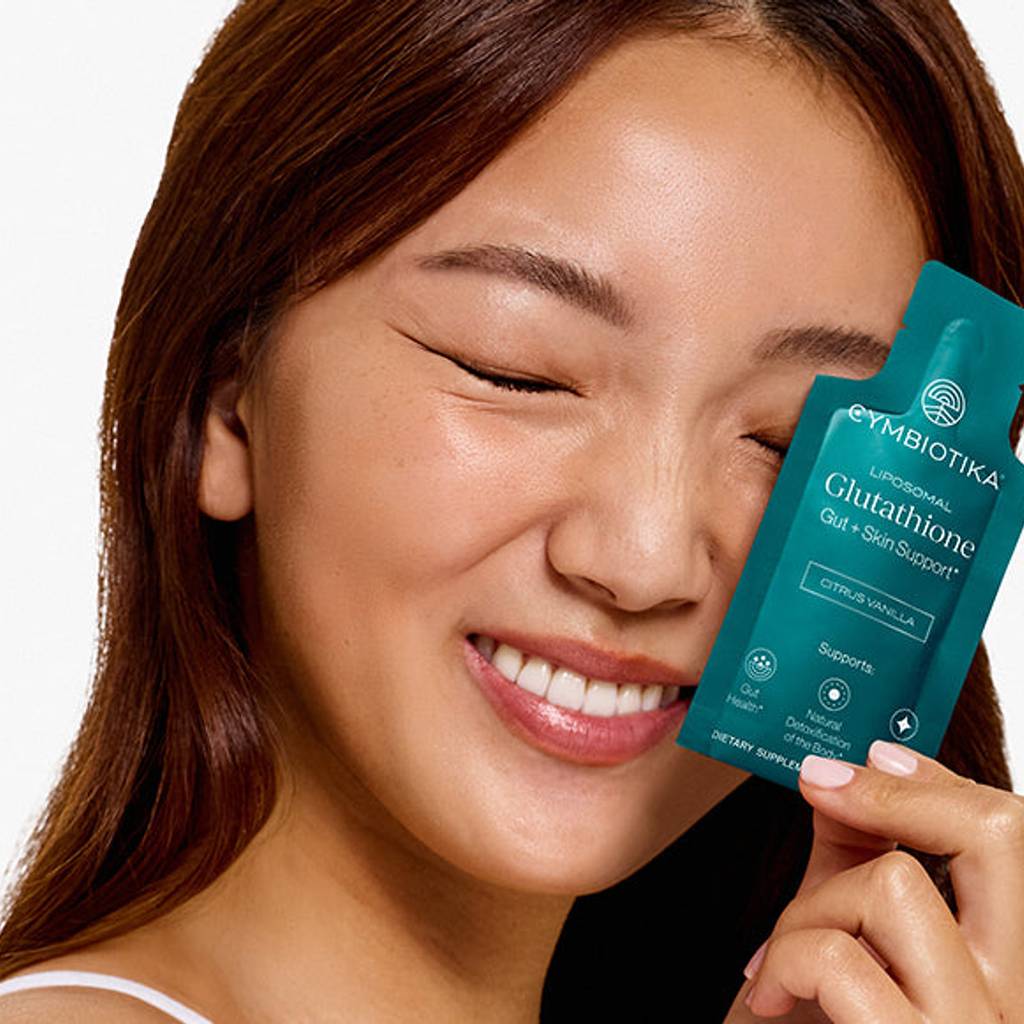
To help the liver perform its job effectively, it requires specific antioxidants and compounds. Glutathione is often called the "master antioxidant" because it is highly concentrated in the liver and plays a central role in neutralizing harmful substances. Many standard glutathione supplements have poor bioavailability—meaning the body cannot easily absorb them because they break down in the stomach before reaching the bloodstream.
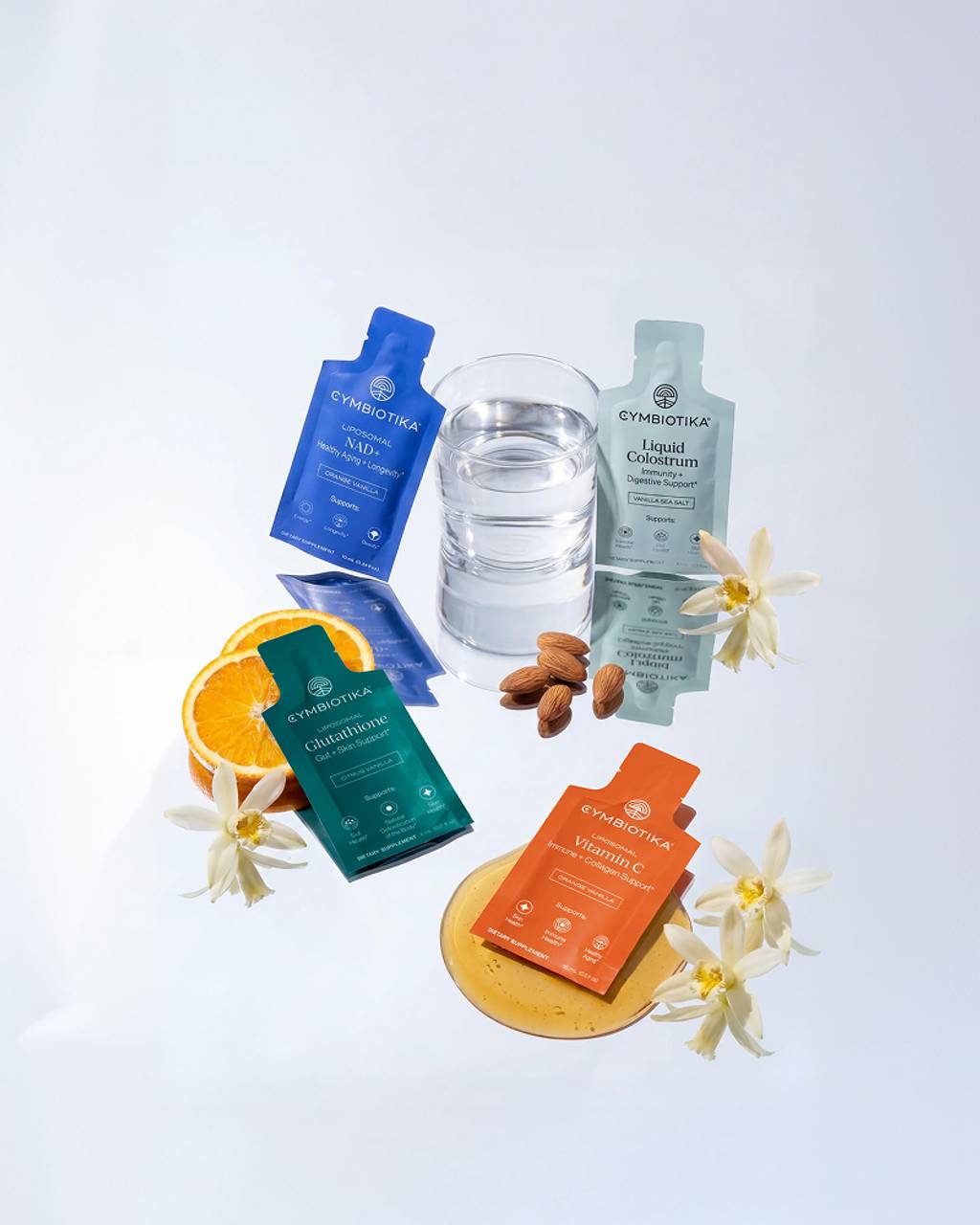
Our Liposomal Glutathione is designed to solve this problem. It uses liposomal delivery, which wraps the nutrient in a phospholipid bilayer (a tiny bubble made of the same material as your cell membranes). This protective shell allows the glutathione to pass through the digestive system intact, supporting your liver at the cellular level where it is needed most.
Key Nutrients for Liver Vitality
Beyond glutathione, several other ingredients may support the liver's natural pathways:
- Milk Thistle: Contains silymarin, which is often used to support healthy liver cell membranes.
- Alpha-Lipoic Acid: A powerful antioxidant that helps regenerate other antioxidants in the body.
- Dandelion Root: Often used in traditional practices to support bile production, which is essential for fat digestion and waste removal.
Using a comprehensive formula like Liver Health+ can provide a balanced approach to supporting these complex biological pathways.
Restore the Gut Microbiome
Junk food is notoriously low in fiber and high in ingredients that can disrupt the delicate balance of your gut bacteria. A healthy gut is essential for regular elimination, which is the final step in any detox process. If your digestion is sluggish, those "junk" byproducts stay in your system longer than they should.
Fiber acts as a broom for the digestive tract. Soluble fiber helps slow down sugar absorption, while insoluble fiber adds bulk to the stool to keep things moving. When transitioning away from processed foods, slowly increase your intake of fibrous vegetables like broccoli, kale, and Brussels sprouts.
The Role of Probiotics and Postbiotics
Reintroducing beneficial bacteria is a key step in how to detox body from junk food. A high-quality probiotic can help crowd out the "bad" bacteria that thrive on sugar and refined flour. This shift in the microbiome can eventually help reduce the very cravings that lead to junk food consumption in the first place.
Additionally, Liquid Colostrum may support the integrity of the gut lining. Processed foods and additives can sometimes cause minor irritation to the intestinal walls. Colostrum contains growth factors and immunoglobulins that may help soothe the gut environment, ensuring that nutrients are absorbed efficiently while waste is kept out of the bloodstream.
Key Takeaway: Detoxification is not something you "do" to your body; it is something your body does for itself. Your role is to provide the high-bioavailability nutrients and hydration necessary to fuel the liver and gut as they process and eliminate waste.
The Importance of Bioavailability in a Reset
One of the most common mistakes people make when trying to reset their health is buying generic, low-quality supplements. If you are taking a standard multivitamin to "cancel out" junk food, you might be disappointed. Most traditional tablets and capsules are made with synthetic fillers and binders that the body struggles to recognize.
Bioavailability refers to the proportion of a substance that enters the circulation when introduced into the body and is so able to have an active effect. If a supplement has low bioavailability, most of it simply passes through your system.
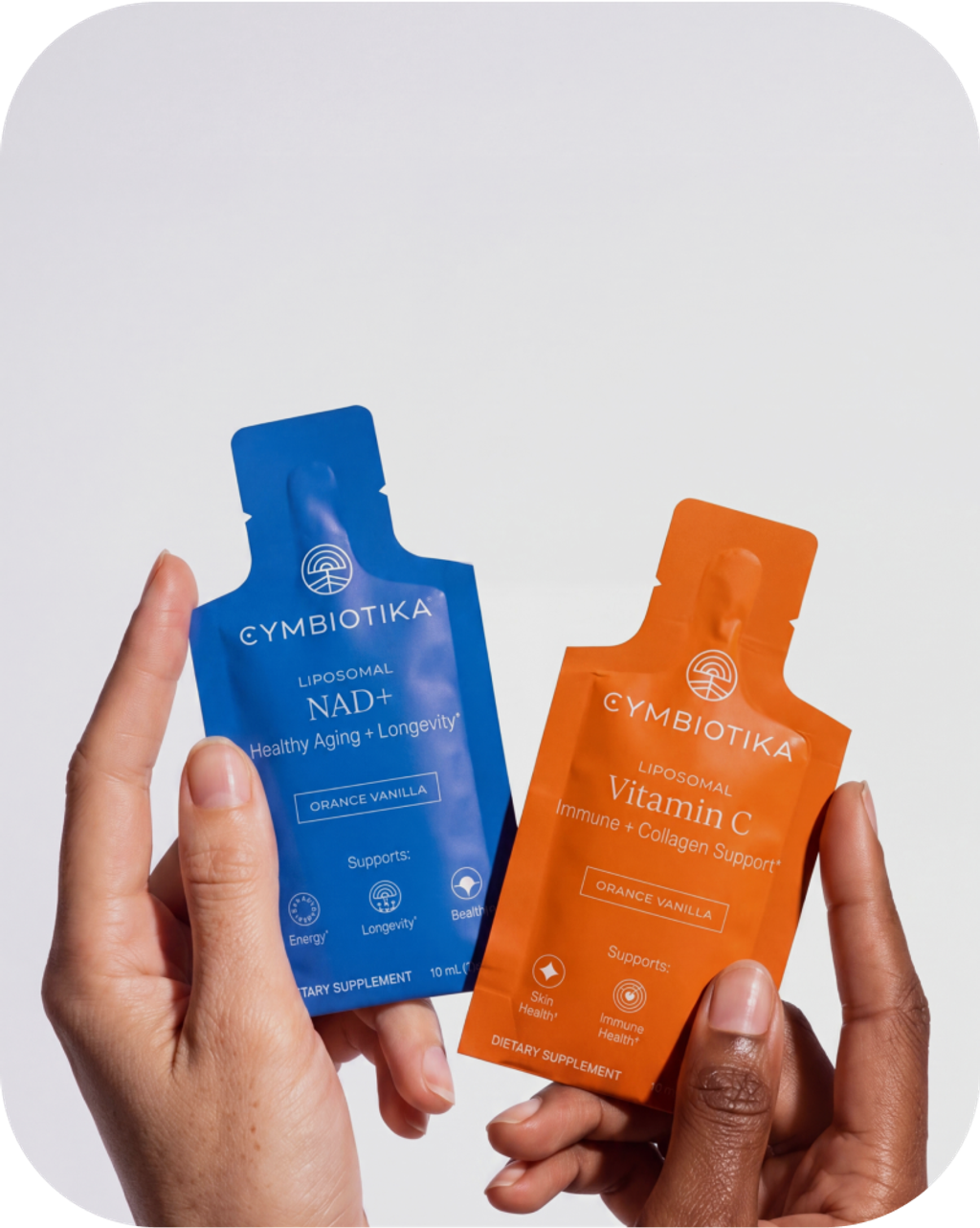
At Cymbiotika, we prioritize delivery systems that ensure the nutrients you pay for actually reach your cells. Whether it is our Liposomal Vitamin C for immune and antioxidant support or our Magnesium Complex for nervous system calm, we use advanced formulations designed for maximum uptake. When your body is already stressed from a poor diet, it needs nutrients that are easy to recognize and use.
Use Whole Foods to Flush the System
While supplements provide targeted support, your daily meals act as the "software" that tells your body how to function. When detoxing from junk food, focus on "crowding out" the bad with the good.
Focus on Cruciferous Vegetables
Vegetables like cauliflower, cabbage, and bok choy contain sulfur-rich compounds that support Phase II liver detoxification. These compounds help the liver turn fat-soluble toxins into water-soluble ones so they can be excreted.
Incorporate Bitter Greens
Arugula, dandelion greens, and radicchio can help stimulate bile flow. Bile is the primary vehicle for moving toxins out of the liver and into the intestines for elimination.
The Power of Greens
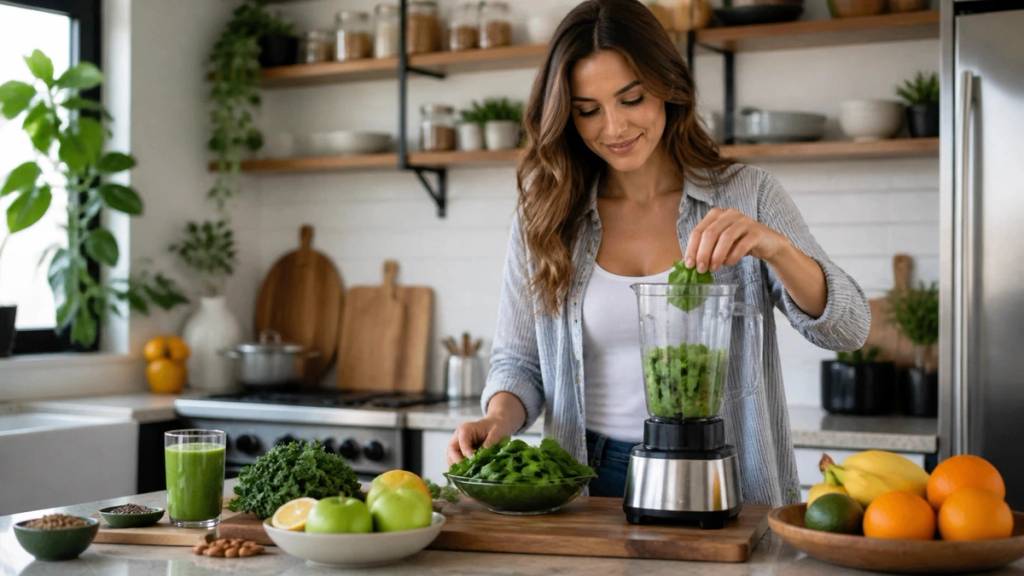
If you find it difficult to eat several cups of greens a day, a high-quality greens powder can help fill the gaps. Our Super Greens blend provides whole-food nutrition and chlorophyll, which may support healthy blood oxygenation and natural detoxification processes. It is an easy way to get a concentrated dose of alkalizing minerals that help counteract the acidic nature of a processed diet.
Move Your Body to Move the "Junk"
Sweat is another vital pathway for elimination. While the kidneys and liver do the heavy lifting, the skin and the lymphatic system also play a role. Physical movement helps move lymph fluid through the body, which carries waste away from the tissues and toward the lymph nodes to be filtered.
You do not need an intense workout to see benefits. In fact, if you are feeling depleted after a period of poor eating, a gentle approach is often better:
- Walking: A 30-minute brisk walk supports circulation and digestion.
- Yoga: Twisting postures are traditionally thought to help "massage" the internal organs and support digestive movement.
- Rebounding: Jumping on a small trampoline is one of the most effective ways to stimulate the lymphatic system.
Myth: A "detox" means you should stop eating and only drink juice for a week. Fact: Your body requires protein, healthy fats, and fiber to fuel the liver’s detoxification phases. Starvation can actually slow down the detox process because the liver lacks the amino acids it needs to neutralize waste.
Prioritize Sleep and Rest
Most of the body's repair work happens while you sleep. The brain even has its own detox system, called the glymphatic system, which clears out metabolic waste during deep sleep. If you are trying to recover from a junk food binge, getting 7–9 hours of quality rest is non-negotiable.
Processed foods, especially those high in sugar and caffeine, can disrupt your sleep architecture. You might find it hard to fall asleep or wake up feeling unrefreshed. To support your body’s nightly reset, explore the Sleep Supplements collection:
- Stop eating 3 hours before bed: This allows your body to focus on repair rather than digestion.
- Limit blue light: Turn off screens an hour before sleep to support natural melatonin production.
- Consider Magnesium: Our Magnesium Complex or Topical Magnesium Oil Spray can help calm the nervous system and support deep, restorative sleep.
Building a Sustainable Routine
The best way to "detox" is to create a lifestyle where your body never feels overwhelmed by "junk" in the first place. This means consistency over intensity. Rather than doing a harsh cleanse twice a year, focus on daily habits that support your natural pathways.
Step 1: Start your morning with hydration. Before reaching for coffee, drink 16 ounces of water with a pinch of sea salt or a squeeze of lemon. This rehydrates your cells after a night of repair.
Step 2: Choose bioavailable support. Integrate supplements that your body can actually use. If you’re unsure where to start, our Health Quiz can help you identify which nutrients your body needs most based on your unique lifestyle and goals.
Step 3: Eat for your liver and gut. Incorporate one serving of cruciferous vegetables and one serving of fermented foods (like sauerkraut or kimchi) into your daily meals.
Step 4: Audit your environment. Detoxing is also about what you stop putting into your body. Read labels and try to avoid "the big three": high fructose corn syrup, hydrogenated oils, and artificial preservatives.
Bottom line: Effective detoxification is about clearing the path for your body to do what it was designed to do—filter, repair, and thrive.
When to Seek Guidance
While supporting your body's natural detox systems is generally safe and beneficial, everyone's health journey is unique. If you find that you are experiencing persistent fatigue, digestive discomfort, or other concerns that do not improve with a cleaner diet and better hydration, it is always wise to consult with a healthcare professional. They can help you determine if there are underlying factors that need to be addressed.
Our approach at Cymbiotika is to empower you with the knowledge and the tools to take ownership of your health. We focus on the "how" and "why" of every ingredient, ensuring that you are not just taking a supplement, but building a foundation for a more vibrant life. If you want a broader starting point, the Healthy Aging Supplements collection is a helpful place to explore related formulas.
Conclusion
Learning how to detox body from junk food is an empowering shift from feeling like a victim of your cravings to becoming an active participant in your vitality. By focusing on hydration, supporting your liver with bioavailable antioxidants like glutathione, and nourishing your gut microbiome, you give your system the "reset" it deserves. Remember that wellness is not about perfection; it is about the small, consistent choices you make every day to support your body's innate wisdom.
At Cymbiotika, we are committed to providing the cleanest, most effective formulations to help you on this journey. We use advanced delivery systems and third-party testing to ensure that what is on the label is what ends up in your cells. Your body is a sophisticated system designed to keep you feeling your best—sometimes it just needs a little bit of high-quality help to get back on track.
- Prioritize bioavailable nutrients that the body can easily absorb.
- Support the liver and gut as the primary drivers of detoxification.
- Focus on consistent, daily habits rather than extreme, short-term cleanses.
Take the first step toward a personalized wellness routine by taking our Health Quiz today. It is a simple way to find the specific tools your body needs to thrive and stay resilient against the stresses of a modern diet.
FAQ
How long does it take to detox from junk food?
Most people begin to feel a noticeable difference in their energy and digestion within 3 to 7 days of cutting out processed foods and increasing hydration. However, a full "reset" of your taste buds and gut microbiome can take several weeks of consistent, nutrient-dense eating.
What are the signs my body is detoxing?
As your body flushes out excess sodium and sugar, you may notice increased energy, clearer skin, and reduced bloating. Some people experience a temporary "adjustment period" that includes mild headaches or cravings as the body shifts away from its reliance on refined sugar and additives.
Do I need to fast to detox properly?
Fasting is not a requirement for detoxification, as your liver and kidneys require specific nutrients like amino acids and antioxidants to function. While intermittent fasting may support cellular repair for some, focusing on high-quality, bioavailable nutrition and fiber-rich whole foods is often a more sustainable way to support your body's natural processes.
Can supplements really help with a junk food detox?
Yes, supplements can help bridge the gap by providing concentrated amounts of nutrients that support detoxification pathways, such as glutathione for the liver or probiotics for the gut. The key is choosing bioavailable formats, like liposomal delivery, to ensure your body can actually absorb and use the ingredients to facilitate the reset.
*These statements have not been evaluated by the Food and Drug Administration. This product is not intended to diagnose, treat, cure, or prevent any disease.