Aug 04, 2026

Does Magnesium Glycinate Boost Testosterone?

Table of Contents

  1. Introduction
  2. Understanding the Magnesium-Testosterone Connection
  3. Why the Form of Magnesium Matters
  4. The Science: What the Research Says
  5. The Indirect Pathway: Stress and Sleep
  6. Bioavailability and Liposomal Delivery
  7. Building a Routine for Hormonal Support
  8. Potential Signs of Magnesium Deficiency
  9. Creating a Lifestyle for Vitality
  10. The Cymbiotika Mission
  11. Conclusion
  12. FAQ

Introduction

Finding a natural way to support vitality and hormonal health is a top priority for many health-conscious adults. You might have noticed a shift in your energy levels, recovery time after a workout, or overall motivation. When these dips occur, it is common to look toward minerals and vitamins as a foundation for improvement. Magnesium, a powerhouse mineral involved in hundreds of bodily processes, is often at the center of this conversation.

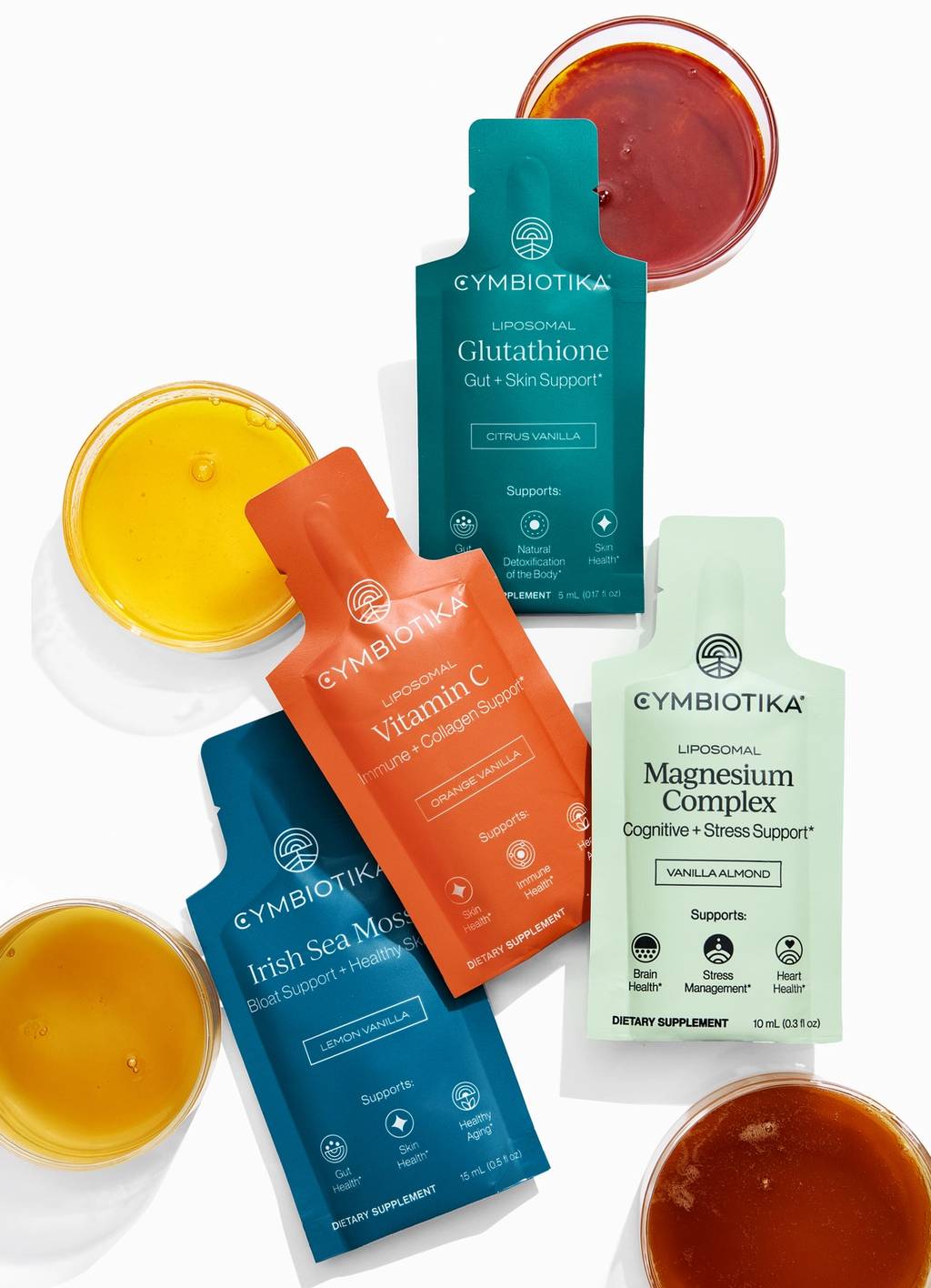
At Cymbiotika, we believe that understanding the "why" behind your supplements is just as important as the supplements themselves. While many people associate magnesium with relaxation or muscle support, its relationship to testosterone is one of its most compelling roles. Research suggests that maintaining optimal magnesium levels is closely linked to healthy testosterone production and availability, and our Magnesium Complex is formulated with that kind of bioavailable support in mind.

This article explores the biological connection between magnesium glycinate and testosterone, the importance of choosing a highly bioavailable form, and how you can integrate this mineral into a routine designed for long-term vitality. For a deeper look at why absorption matters so much, you may also want to read Magnesium Glycinate: Bioavailability and Daily Wellness.

Understanding the Magnesium-Testosterone Connection

To answer whether magnesium glycinate can boost testosterone, we first need to look at how testosterone exists in your body. Testosterone is not just one static number on a lab report. It primarily circulates in your bloodstream in two states: bound and free.

The majority of your testosterone is "bound" to proteins like Sex Hormone-Binding Globulin (SHBG) or albumin. When testosterone is bound to these proteins, it is essentially "locked up" and cannot be used by your tissues. Only a small percentage, typically around two to three percent, is "free" testosterone. This free version is biologically active and responsible for the benefits we associate with the hormone, such as muscle maintenance, energy, and mood regulation.

Magnesium plays a critical role in this balancing act. Research indicates that magnesium may help prevent testosterone from binding to SHBG. By keeping SHBG occupied, magnesium allows more testosterone to remain in its free, active state. This means that even if your total testosterone levels stay the same, increasing your magnesium intake could lead to higher levels of the testosterone your body can actually use.

Key Takeaway: Magnesium acts as a biological "un-locker" for testosterone. By reducing the amount of testosterone that binds to storage proteins, it helps increase the levels of free, active testosterone available for your cells to use.

Why the Form of Magnesium Matters

When you begin looking for a magnesium supplement, you will quickly find that not all magnesium is created equal. The market is flooded with various forms, such as magnesium oxide, citrate, malate, and glycinate. The primary difference between these forms is their bioavailability—the measure of how much of a substance actually enters your bloodstream to be used by your body.

Many standard magnesium supplements use magnesium oxide because it is inexpensive to produce. However, the body is notoriously poor at absorbing it, often leading to digestive discomfort rather than systemic benefits. If your body cannot absorb the mineral, it certainly cannot use it to support your hormonal pathways.

Magnesium glycinate is magnesium bound to the amino acid glycine. This pairing is intentional and highly effective for several reasons:

  • Superior Absorption: The body recognizes glycine as a nutrient, allowing the magnesium to be absorbed more efficiently through the intestinal wall.
  • Gentle on the Gut: Unlike other forms that can have a laxative effect, glycinate is known for being easy on the digestive system.
  • Added Benefits of Glycine: Glycine itself is an amino acid that supports relaxation and sleep quality, both of which are foundational for healthy testosterone production.

If you are comparing forms, the guide on What About Magnesium Glycinate? Benefits and Absorption is a helpful place to start.

Our approach at Cymbiotika focuses heavily on this concept of bioavailability. We understand that a supplement is only as good as its delivery system. Whether it is a highly absorbable mineral complex or a liposomal formulation designed to protect nutrients through the digestive tract, the goal is always to ensure the ingredients reach the cellular level where they can do their best work.

The Science: What the Research Says

The link between magnesium and testosterone is backed by several key studies involving different demographics, from elite athletes to sedentary individuals and the elderly.

One prominent study published in Biological Trace Element Research followed men who supplemented with magnesium for four weeks. The researchers divided the participants into groups based on their activity levels. The results showed that magnesium supplementation increased free and total testosterone levels in all groups. However, the most significant increases were seen in those who exercised regularly. This suggests a powerful relationship between magnesium, physical activity, and hormonal health.

Another large-scale study looked at the relationship between magnesium levels and anabolic hormones in elderly men. The findings were consistent: men with higher magnesium levels in their blood also tended to have higher testosterone levels. This correlation points to magnesium being a baseline requirement for maintaining hormonal vitality as we age.

While magnesium might not "boost" testosterone into an unnatural range, it appears to act as a corrective force. If you are deficient—as many adults in the US are due to soil depletion and processed diets—your testosterone production may be hindered. Restoring those levels can help your body return to its natural, optimal state of production.

Bottom line: Clinical evidence suggests that magnesium supplementation can support higher levels of free and total testosterone, particularly when combined with a consistent exercise routine.

The Indirect Pathway: Stress and Sleep

Beyond the direct interaction with SHBG, magnesium glycinate supports testosterone through indirect but equally important pathways: stress management and sleep quality.

The Cortisol Seesaw

Testosterone and cortisol, the body’s primary stress hormone, often operate on a seesaw. When cortisol levels remain chronically high due to daily stressors, testosterone production typically takes a backseat. This is a biological survival mechanism; your body prioritizes "fight or flight" over "rest and repopulate."

Magnesium is known as a "relaxation mineral" because it helps regulate the nervous system and can help lower cortisol levels. By calming the stress response, magnesium glycinate helps create a biological environment where testosterone production can thrive.

Sleep as a Testosterone Factory

The vast majority of testosterone production happens while you sleep. Disruptions in sleep quality or duration are among the fastest ways to see a decline in hormonal health. Magnesium glycinate is particularly favored for nighttime use because glycine acts as an inhibitory neurotransmitter, helping to quiet the mind and prepare the body for deep, restorative rest.

If better sleep is one of your goals, explore the Sleep Supplements collection for more evening-friendly options.

Better sleep leads to better hormone regulation, which leads to improved energy and vitality. If you are struggling with sleep, you are likely struggling with your testosterone levels as well. Addressing one often helps resolve the other.

Bioavailability and Liposomal Delivery

We cannot discuss magnesium without highlighting the importance of delivery mechanisms. Even the best ingredients can fail if they are broken down too early in the digestive process. This is where advanced delivery methods, like liposomal delivery, change the conversation.

A liposome is a tiny, fatty bubble (a phospholipid bilayer) that mirrors the structure of your own cell membranes. When a nutrient is encapsulated in a liposome, it is shielded from the harsh environment of the stomach. This allows it to pass into the small intestine and eventually into the bloodstream with much higher efficiency.

For a practical breakdown of this topic, How to Maximize Your Magnesium Glycinate Absorption is worth bookmarking.

While magnesium glycinate is naturally more absorbable than other forms, pairing high-quality ingredients with sophisticated delivery systems is the gold standard for supplementation. It ensures that the milligram count on the bottle actually translates to a benefit in your body.

Quick Answer: Magnesium glycinate may support testosterone by lowering the protein that binds to it, making more "free" testosterone available. It also helps manage stress and improve sleep, both of which are essential for natural hormone production.

Building a Routine for Hormonal Support

Integrating magnesium glycinate into your life should be part of a broader strategy for wellness. It is rarely a single "magic pill" that changes everything overnight. Instead, it is a foundational tool that works best when combined with other healthy habits.

Step 1: Assess Your Foundation

Before reaching for supplements, look at your daily habits. Are you moving your body? Are you managing stress? Are you eating mineral-rich foods like leafy greens, nuts, and seeds? Supplements are designed to bridge the gap between your diet and your body's optimal needs.

Step 2: Choose Quality Over Quantity

It is tempting to look for the highest milligram count at the lowest price, but this often leads to poor results. Focus on the form (glycinate) and the brand's commitment to transparency. Look for third-party testing and a lack of synthetic fillers.

Step 3: Timing and Consistency

Many people find that taking magnesium glycinate in the evening is most beneficial because of its relaxing effects. Consistency is key; hormonal support is a long-term game. Most studies on magnesium and testosterone show that results begin to manifest after three to four weeks of consistent use.

Step 4: Consider Synergy

Magnesium does not work in a vacuum. It often works alongside other nutrients to support hormonal health:

  • Zinc: Essential for the actual synthesis of testosterone.
  • Vitamin D3: Acts more like a hormone than a vitamin and is a key regulator of testosterone levels.
  • Boron: Another trace mineral that may help lower SHBG.

If you are unsure where to begin, the Cymbiotika Expert Health Quiz can help you find a personalized starting point.

Our Magnesium Complex is designed with these principles in mind, focusing on multiple forms of highly absorbable magnesium to support the nervous system, muscles, and metabolic health.

Potential Signs of Magnesium Deficiency

How do you know if your magnesium levels are low? Because magnesium is used in over 300 biochemical reactions, the signs of a deficiency can be broad and sometimes easy to overlook. Common indicators that your body might need more magnesium include:

  • Muscle Cramps or Twitches: Magnesium helps muscles relax after contraction. Without it, they may stay in a state of tension.
  • Persistent Fatigue: Magnesium is required for the production of ATP, the primary energy currency of your cells.
  • Difficulty Staying Calm: If you feel "wired but tired" or have trouble winding down at night, your nervous system may lack the magnesium it needs to reset.
  • Slow Recovery: If your muscles feel unusually sore for long periods after exercise, it could be a sign that your mineral stores are depleted.

For a deeper look at the role of absorption, the article on What Magnesium Supplement Is Best Absorbed? is a useful companion read.

If you recognize these signs, it is worth discussing your mineral levels with a healthcare provider. They can help you determine if magnesium glycinate is the right addition to your routine.

Creating a Lifestyle for Vitality

While magnesium is a powerful tool, it works best when your lifestyle supports your goals. Hormonal health is a reflection of your overall environment.

Prioritize Strength Training Resistance training is one of the most effective ways to naturally support testosterone production. As the studies showed, the combination of exercise and magnesium supplementation creates a synergistic effect that leads to higher hormonal gains than either one alone.

Manage Sugar Intake High blood sugar and insulin spikes can interfere with testosterone production. A diet focused on whole foods, healthy fats, and adequate protein provides the raw materials your body needs for hormone synthesis.

Hydration and Minerals Hydration is about more than just water; it is about the balance of electrolytes. Magnesium is a key electrolyte. When you sweat or drink large amounts of plain water, you can flush out these essential minerals. Replenishing them is vital for maintaining cellular energy and hormonal balance.

Myth: All magnesium supplements are the same. Fact: Different forms of magnesium have vastly different absorption rates. Magnesium glycinate is specifically designed for high bioavailability and minimal digestive upset, making it superior for systemic support.

The Cymbiotika Mission

Our mission is to empower you to take ownership of your health through education and high-trust supplementation. We believe that wellness starts with transparency. That is why we never use hidden ingredients or unnecessary fillers. Every product we create is the result of rigorous science and a commitment to sourcing the cleanest, most effective ingredients available.

We know that bioavailability is the true measure of a supplement's value. If your body cannot use what you take, the supplement cannot fulfill its purpose. By focusing on advanced delivery systems and superior ingredient forms like magnesium glycinate, we help you build a routine that actually delivers results.

If you are unsure where to start on your journey, our Health Quiz is a helpful tool. It provides personalized recommendations based on your unique goals and lifestyle, helping you cut through the noise and find exactly what your body needs to thrive.

Conclusion

Magnesium glycinate is more than just a sleep aid or a muscle relaxant; it is a foundational mineral for hormonal health. By helping to free up bound testosterone and supporting the body's stress and sleep systems, it plays a vital role in maintaining male and female vitality. While it is not a "magic fix" for low testosterone, it is a critical piece of the puzzle for anyone looking to optimize their physical and mental performance.

To summarize the path forward:

  • Focus on highly bioavailable forms like magnesium glycinate to ensure maximum absorption.
  • Combine supplementation with regular exercise and a focus on sleep quality.
  • Be patient and consistent, as hormonal balance takes time to shift.
  • Look for transparent brands that prioritize purity and science-backed delivery.

Building a healthier, more vibrant life is a series of small, intentional choices. By choosing to support your body with the minerals it needs in a form it can actually use, you are taking a significant step toward long-term wellness.

Key Takeaway: Sustainable vitality is built on a foundation of high-quality nutrients, consistent movement, and restorative rest. Magnesium glycinate supports all three.

FAQ

Does magnesium glycinate increase testosterone levels instantly?

No, magnesium does not provide an instant boost to testosterone. It works by supporting the body's natural production processes and freeing up existing testosterone from storage proteins, a process that typically takes three to four weeks of consistent use to show measurable results.

Is magnesium glycinate better than magnesium citrate for testosterone?

While both can be effective, magnesium glycinate is generally preferred for hormonal support because of its superior bioavailability and its calming effect on the nervous system. The addition of glycine also helps improve sleep quality, which is a direct driver of healthy testosterone production.

Can women take magnesium glycinate for testosterone support?

Yes, testosterone is an important hormone for women as well, contributing to bone health, muscle maintenance, and mood. Magnesium supports healthy hormonal balance in both men and women by helping to regulate the proteins that bind to these hormones in the bloodstream.

Should I take magnesium glycinate in the morning or at night?

Most people find the greatest benefit from taking magnesium glycinate in the evening. Because of its ability to support relaxation and deep sleep, taking it before bed helps align your mineral intake with the time of day when your body naturally focuses on hormone production and recovery.

*These statements have not been evaluated by the Food and Drug Administration. This product is not intended to diagnose, treat, cure, or prevent any disease.

Subscribers get it all

Subscribe today and unlock access to Arise, the ultimate wellness experience.

SAVE BIG

Get over 40% off + FREE shipping on all recurring orders.

FUN FREEBIES

Get free gifts, swag, perks, and more

SAVE BIG

Feel energized & strong with a routine that works!

by / Aug 04, 2026

Back to cart

CONGRATS

Choose Your Free Gift

Thanks for spending $110. Choose one of the starter packs below

Are you sure?
Removing will also remove the exclusive discounted item added to your cart.

You're away from a FREE gift!

Add any of the products below to unlock your free gift.

    You've unlocked a FREE gift!

    Thanks for spending $110. Choose one of the three starter kits below.

    Subscribe & Save

    Trusted by 60k+ subscribers

    Your Cart ( items)

    in savings and perks unlocked with your order!

    Free shipping sitewide.

    A Free 12-Pack, Just for You

    Spend $110 and get a free gift

    More subscriptions, more savings

    1

    30% off

    2

    34% off

    3

    38% off

    4

    40% off

    5

    40% off

    Want to save? Add a subscription to get 30% off on it!

    Add items to your cart

    Browse our products and add items to start your order.

    Exclusive Subscriber Offer
    $49 / yr
    Normally $199
    • 100+ biomarkers tested
    • A personalized 100-day protocol built around your Cymbiotika stack
    You may also like. . .
    You may also like
    60-Day money back guarantee*